You delivered a gorgeous five-minute highlight film, the couple posted it to Instagram, and forty minutes later the audio went silent under a gray box that reads “This video has been muted.” The song was their first dance, the one track they specifically asked you to use. Now you have an upset client and no quick fix. This is the single most common legal mistake working wedding filmmakers make, and learning how to license music for wedding videos correctly is the only thing that reliably prevents it.
Music rights are not optional fine print. They decide whether a film lives online for a decade or gets pulled, muted, or saddled with a copyright claim that quietly reroutes ad revenue to a label nobody at the wedding has ever heard of. The good news: the rules are far less scary than they look once you sort out which license you actually need, and the whole job comes down to a few repeatable habits.
Why that wedding song can get your video muted
Every commercial recording carries two separate copyrights. One covers the composition: the melody and lyrics the songwriter created. The other covers the master: the specific recorded performance you stream on Spotify. To put a song behind moving images, you need permission for both, and that bundled permission is called a synchronization license, or sync license for short.
Here is the part that trips everyone up. Buying the song on iTunes, streaming it on Apple Music, or owning the original CD gives you exactly zero sync rights. You paid for a personal listening license, nothing more. The same limit applies to the couple. They can play their first-dance song at the reception under the venue’s blanket performance license, but neither they nor you can legally attach it to a video you produce and publish.
Platforms enforce this without a single human involved. YouTube’s Content ID system and Meta’s Rights Manager scan every upload against a database of millions of master recordings. When they find a match, the rights holder’s pre-set rule fires: sometimes a silent mute, sometimes a regional block, sometimes a claim that runs ads against your client’s wedding film. Nobody has to file a complaint. The scanners run on every upload, every time, usually within minutes.
Sync licenses versus the song on Spotify: what you actually need
When you license music for wedding videos, the goal is not the famous track; it is a clean, defensible clearance. For roughly 95 percent of wedding films, you do not want to chase a major-label sync license at all. Clearing a popular commercial song through the label and the publisher is slow, expensive, and often flatly refused for small productions. A single well-known track can run anywhere from a few hundred dollars to five figures, and the back-and-forth can drag on for weeks. My honest take: stop trying. The juice is never worth the squeeze on a private event.
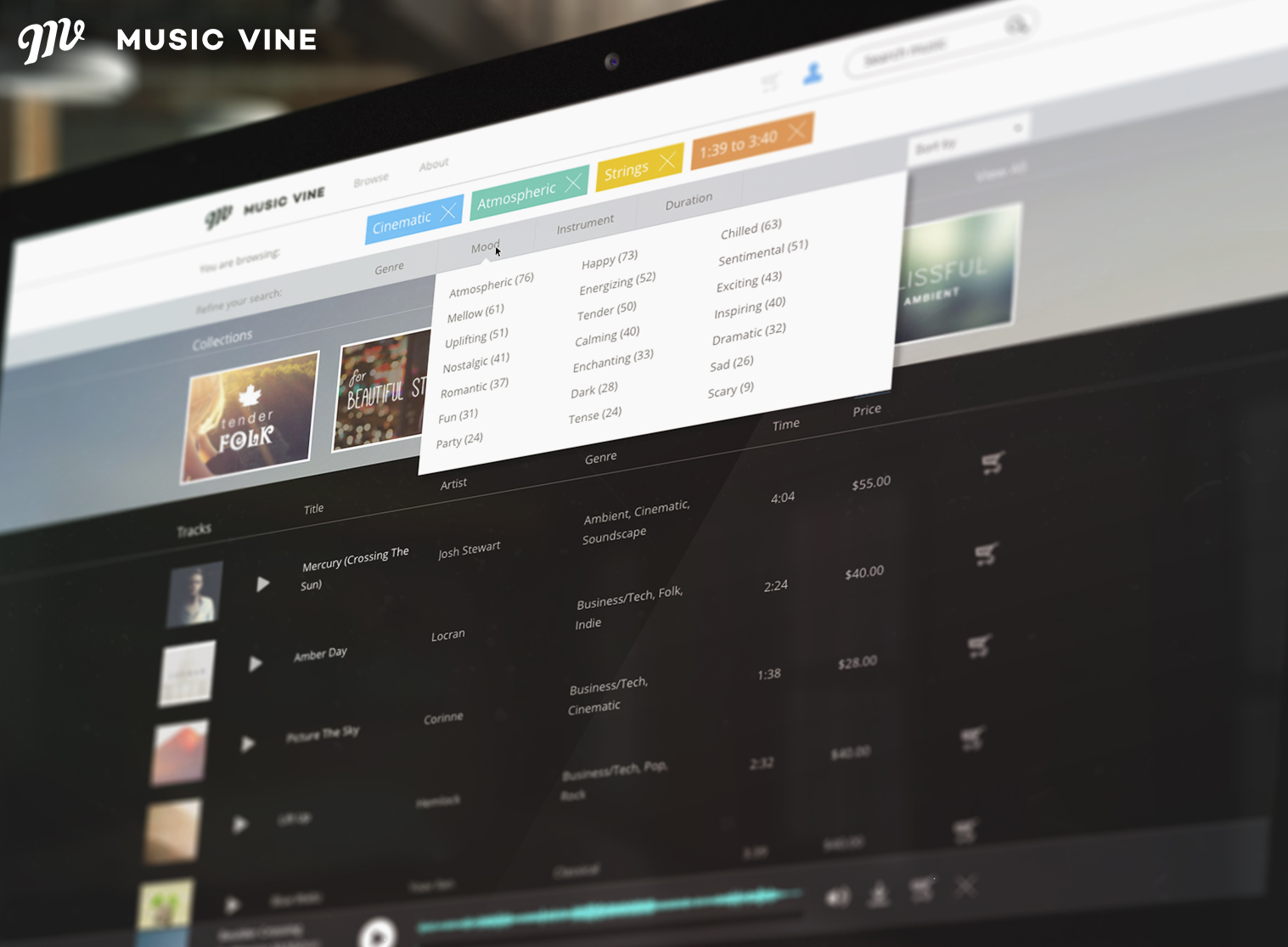
What you want instead is production music, also called library or stock music, cleared specifically for video. These tracks are written and recorded by composers who sell sync rights directly through a subscription or per-track platform. One checkout covers both the composition and the master, so a single license clears the entire song for the use you specify. The catalog quality in 2026 is genuinely strong. You can pull cinematic builds, acoustic folk, lo-fi, and full orchestral scores that hold up next to a hired composer.
The detail new shooters miss is scope. A license is not a blanket. It defines who licensed it, where the video can run, and for how long. A track you cleared under your studio account is covered because you are the producer. That same track is not automatically covered if you hand the project file to a freelance editor who uploads under their own login. Read the scope on every platform before you assume you are protected, because the gap between “I licensed it” and “this specific upload is licensed” is exactly where people get burned.
What stock music platforms actually cost in 2026
Pricing has settled into a few clear tiers, and the right pick depends on how you deliver and how your clients publish. These are the platforms most wedding and event work leans on right now. Prices move, so confirm before you subscribe, but the ballpark has held steady.
- Epidemic Sound: roughly 13 to 49 dollars per month. Strong for social-first delivery, and its Content ID clearing tool is reliable for creators posting to their own channels.
- Artlist: around 199 dollars per year on the Social tier, 299 on Pro. Unlimited downloads and perpetual use of anything you license while subscribed, which matters for wedding archives that stay online for years.
- Musicbed: subscriptions in the 23 to 39 dollar per month range, plus per-track licenses from about 49 to 199 dollars for one-off premium needs. The catalog skews cinematic and is a favorite for high-end wedding work.
- Soundstripe: 13 to 23 dollars per month, broad catalog, and simple licensing terms that are easy to explain to a client.
The phrase to watch for is “perpetual license.” Artlist and several others let you keep using a track forever, as long as you downloaded it during an active subscription. Others tie continued use to an active plan, which means a film can technically fall out of license the moment you cancel. For wedding films that need to stay live for years, perpetual terms are worth the slightly higher annual cost. Most videographers underprice this and quietly eat the subscription out of their own margin, which is a small leak that adds up fast across a busy season.
Can you ever use the couple’s actual first-dance song?
Sometimes, and the honest answer is more nuanced than a flat no. A handful of services now exist specifically to license recognizable commercial songs for online video. Lickd is the best known. It carries a curated, rotating catalog cleared for YouTube and social use, with per-track prices that typically run from about 7 dollars to 60 dollars depending on how popular the song is. The catalog is limited, so the couple’s exact track may or may not be there, but it is a real path when one specific song carries the whole film.
There is also the private-delivery route, which is the pragmatic workaround most studios quietly rely on. If you cut the meaningful version with the couple’s real song and deliver it as a private, unlisted, password-protected file or a download rather than a public post, you sidestep the automated scanners entirely. Content ID only runs on public uploads to scanning platforms. A Vimeo link set to no-index, or a downloadable master, lets the couple keep the emotional version for themselves and their families without ever tripping a filter.
The clean professional move is to do both. Deliver a public, social-ready cut scored with fully licensed production music, plus a separate private keepsake version with the song they love. You explain the reasoning once, the client gets it, and nobody opens Instagram to a muted post six months later. This two-version approach has become standard among experienced wedding videographers precisely because it answers the emotional need and the legal need in one move. If a client pushes back, that is usually a pricing conversation, not a licensing one.
What happens when YouTube or Instagram flags your film
A copyright claim is not the same as a copyright strike, and confusing the two causes a lot of needless panic. A claim means an automated system matched audio and applied the rights holder’s rule, usually muting, blocking, or monetizing. It does not penalize your account. A strike is a formal takedown a rights holder files by hand, and three strikes can shut a channel down. Properly cleared production music almost never produces strikes.
When a claim lands on a track you legitimately licensed, you dispute it through the platform and attach your license. Most platforms let you generate a clearance code or a license certificate, and Epidemic Sound, Artlist, and others give you a tool to pre-clear your own channel so the claim never fires in the first place. That clearing step is the part people skip. Licensing the track and registering your channel are two different actions, and you need both for a clean upload. Do the registration the day you subscribe, not the night a claim shows up.
A real example from last season makes the point. A couple shared our highlight reel to a wedding hashtag, it picked up a few thousand views, and a claim landed on the licensed Soundstripe track because we had never registered that channel. The fix took four minutes: I pasted the license certificate into the dispute, the claim was released by the next morning, and the view count kept climbing. Had we skipped the license and used a Taylor Swift cut instead, that same post would have been muted with no recourse and a very awkward follow-up text to the bride.
If the flagged song is genuinely unlicensed, do not dispute it. You will lose, and a failed dispute can escalate into a strike. Pull the audio, swap in a cleared track, and re-upload. Keep records of every license you buy, sorted by project, so that when a dispute lands eight months later you can find the receipt in under a minute. A plain folder of PDF license certificates, one per wedding, saves hours of stress and a few awkward client emails.
How to write music rights into your client contract
Your contract should state, in plain language, that all music in the delivered films is licensed by you, the producer, and that the client may not drop their own commercial tracks into the edit. This protects you when a client takes your raw delivery, lays a chart hit underneath it in CapCut, posts it, and watches it get pulled. Without that clause, the dispute becomes your reputation problem even though the client created the violation. I have watched this exact scenario sink a five-star referral, so do not treat the contract as a formality.
Spell out the two-version delivery if you offer it. State that the public, social-media version uses licensed production music, and that any private keepsake version containing a commercial song is for personal, non-public use only. That single sentence transfers the risk of public posting back to the person who actually controls it. Couples almost always agree, because they understand they are getting more, not less.
The practical clauses to include read roughly like this:
- All music is licensed by the studio for the delivered edit; the client receives no rights to the underlying recordings.
- The client may not replace, add, or alter audio in published versions without written approval.
- Private versions containing client-selected commercial music are licensed for personal viewing only and may not be posted publicly.
If you are still building your contract template, look at how other studios structure deliverables and pricing tiers on your pricing page and in the FAQ so the music terms line up with the rest of your agreement. Consistency matters more than people think. A music clause that contradicts your delivery promise just hands a client a second thing to argue about.
How to license music for wedding videos on every project
The whole system comes down to a repeatable habit you run on every job. Pick one or two subscription platforms that fit your style and budget, license under your studio account only, and clear your delivery channels before you upload. License the track, register the channel, save the certificate, then publish. Three steps, every time, no exceptions. The moment you start improvising in the edit at 1 a.m. is the moment something slips through.
Match the music budget to the job. A 199-dollar annual Artlist subscription spread across thirty weddings a year costs about seven dollars per film, which is nothing against a 3,500-dollar package. If a single couple wants their exact first-dance song in a public cut, price a Lickd track or a private-delivery version into that specific quote instead of eating the cost. Treat the cost to license music for wedding videos as a line item, the same way you treat a second shooter or a drone operator, not as an afterthought you discover during export.
The goal is boring reliability: films that stay live, clients who never see a muted post, and a folder of receipts you can produce on demand. Once you treat the decision to license music for wedding videos as a fixed part of your pipeline rather than a last-minute scramble, the takedown emails stop arriving and you get back to the part of the job you actually enjoy. This week, audit your last five delivered films, confirm every track has a saved license certificate, and add the producer-licensed music clause to your contract template before your next booking signs.