You booked a venue, lined up a keynote speaker, and sold 300 tickets. Two weeks out, someone finally asks who is filming the thing, and the quotes coming back range from $600 to $7,000 for what looks like the same job. That gap is real. Most of it comes down to what the cheaper quote is quietly leaving out.
Event videography cost in 2026 sits on a wide band because the word “event” stretches from a backyard 50th birthday to a three-day medical conference. A solo shooter with one camera and a shotgun mic is simply not the same product as a two-operator crew running multicam off a switcher with a wireless lav clipped to every panelist. This guide breaks down what you are paying for, what each event type tends to run, and where the money actually goes. By the end you should be able to read a quote like someone who has stood on the other side of the invoice.
What you are actually paying for
The day rate on an invoice is the smallest part of the real work. A typical corporate or conference shoot bills 8 to 10 hours on site. The videographer then spends another full day you never see. Pre-production means scouting the room, confirming power and stage access, checking the house audio feed, and building a shot list against the run-of-show. Post-production is where the hours pile up. A one-hour edited recap can take 8 to 15 hours to cut, color, mix, and revise.
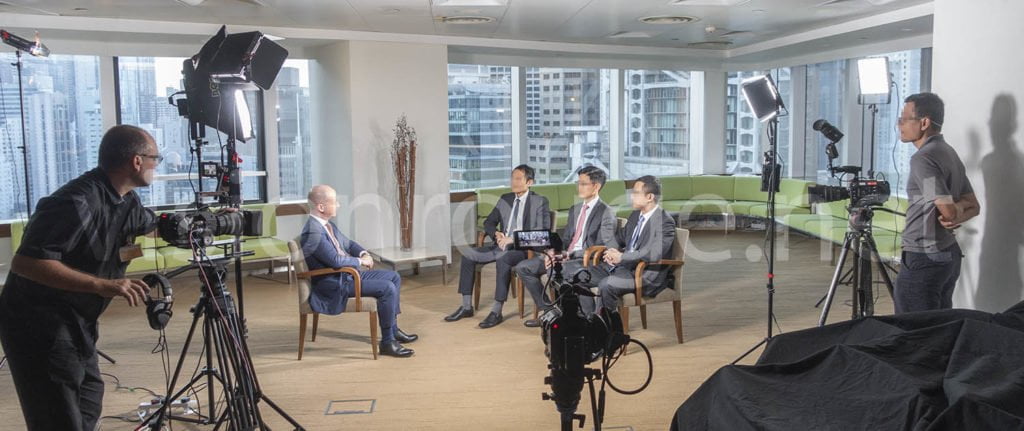
Gear is the other half of the bill. A reliable event kit runs a Sony FX3 or Canon R5 C body, two or three lenses, a wireless audio system like the Sennheiser EW-DP or Rode Wireless PRO, a fluid-head tripod, a couple of LED panels, and enough backup cards and batteries to survive a 10-hour day with no second takes. Add it up and you are looking at $12,000 to $18,000 of equipment that gets insured, maintained, and eventually replaced. When a quote looks suspiciously cheap, the camera is usually a single hybrid body with on-camera audio. That setup is fine for a loose highlight reel. It is a disaster for a panel you actually need to hear.
Storage and backup eat time too. Ten hours of multicam footage is easily a terabyte that has to be offloaded, duplicated, and archived before editing even begins, and a careful shooter never works off a single copy.
Event videography cost by event type
Here is where event videography cost actually lands in 2026 for a single experienced videographer in a mid-size US or UK market. Adjust up 20 to 40 percent for major metros like New York, London, or the Bay Area, where day rates and parking both punish you.
- Small social events (birthdays, anniversaries, retirement parties): $500 to $1,200 for 3 to 4 hours and a short edited film.
- Conferences and corporate events: $1,500 to $5,000 per day for a solo shooter, $4,000 to $12,000 for a multi-operator crew.
- Galas, award nights, and fundraisers: $2,000 to $6,000, often with a same-night or next-day turnaround premium.
- Concerts and live performances: $1,200 to $8,000 depending on camera count and whether you need a synced multicam edit.
- Trade show booth coverage and sizzle reels: $1,000 to $3,500 per day.
Those ranges assume a half to full day on site plus editing. The biggest driver inside each band is operator count. A solo videographer at a conference has to choose between the stage and the audience; nobody can stand in two spots at once. The moment you want a locked wide shot of the keynote and a roaming camera grabbing reaction B-roll, you are paying two people, and the cost roughly doubles before a single clip gets edited. Most planners underestimate this and then wonder why the one-camera recap feels flat.
Take a 200-person sales kickoff with a morning keynote, four afternoon breakouts, and an evening awards dinner. One operator can capture the keynote cleanly and grab some hallway B-roll, but the breakouts running in parallel are simply gone. Covering all four means a second and third shooter, or accepting that you keep only one session. That single decision swings the quote from roughly $2,500 to north of $7,000, and it has nothing to do with camera quality.
Hourly, half-day, or full-day: how packages get priced
Most event shooters price three ways, and knowing which one is on your quote prevents a nasty surprise. Hourly rates run $150 to $400 an hour with a two or three hour minimum, which suits a short awards presentation or a single keynote. Half-day blocks of 4 to 5 hours run $800 to $2,500. Full-day coverage of 8 to 10 hours runs $1,500 to $5,000 for one operator.
The trap is overtime. An “all day” package has a hard cap, and conferences love to run long. If the gala speeches slip 90 minutes, an hourly shooter keeps the meter going at $200 to $350 an hour. A flat full-day shooter may simply stop at the contracted hour and pack up mid-toast. Read the cutoff before you sign. The better contracts spell out a start time, an end time, and an overtime rate in writing, so nobody is haggling at 11pm with a room still full of guests.
Travel is the line item people forget. Anything past 30 to 50 miles usually adds mileage or a flat travel fee. Multi-day or out-of-state events bring per diem, a hotel night, and sometimes a half-day travel charge. None of that is padding. A shooter driving three hours each way has burned a workday in transit that nobody else can pay for. If you want a sense of how full-service platforms bundle these tiers, the pricing page shows how packages get assembled rather than billed à la carte.
What pushes the price up
A handful of add-ons reliably move a quote, and each one buys something specific. Drone coverage adds $500 to $1,500 for an FAA Part 107 certified pilot, and it is the gap between an establishing shot that looks like phone footage and one that opens your recap like a film. If your venue sits anywhere near controlled airspace, that pilot also has to file for authorization, which is part of what the fee covers. You can see how aerial work gets quoted and crewed through drone videographers who carry their own insurance and waivers.
Same-day and next-morning edits are the steepest premium on the menu. A 60-second social cut delivered before attendees leave the building means the editor is working live during your event, and that rush runs 30 to 75 percent over a standard turnaround. Multicam stacks on cameras, operators, and a much heavier edit, since every angle has to be synced and color-matched. Live streaming is a separate service altogether, with encoders, bonded internet, and a switcher operator, and it usually starts around $2,000 on top of the recording.
Audio is the quiet upgrade that earns its keep. Pulling a clean board feed from the venue’s sound system, backed by a lav and a room mic, is the line between footage you can use and footage where the keynote drowns under HVAC rumble. Any shooter who does not ask about your audio setup before the event is going to hand you a problem no editor can fix in post. That single question tells you more about a videographer than their demo reel does.
What a cheap quote usually leaves out
When one bid lands at a third of the others, the difference is almost never the camera. It is the scope. The cheap quote tends to assume one operator, no backup gear, a single edited deliverable, a slow turnaround, and a quiet buyout of usage rights you may not even realize you are giving up. Before you sign, pin down four things: how many edited videos you get, how long the final cut runs, how many rounds of revisions are included, and who owns the footage.
Revisions are where budgets quietly explode. A package with “one round of revisions” means your second set of changes bills at the editor’s hourly rate, often $75 to $150 an hour. Footage ownership trips people up too. A standard event contract licenses the final edit for your use but keeps the raw clips with the videographer, and if you want the raws you negotiate that at the start. We made the full case over on the blog, but the short version is that you usually pay extra for raw files and rarely end up needing them.
Insurance is the last hidden cost, and it protects you as much as the crew. Plenty of venues now demand a certificate of liability insurance naming the venue as additionally insured before anyone can load in. A $40 hobbyist with no COI may not clear the loading dock, and you find that out at 8am on event day with the doors about to open. Ask for proof of insurance in the same email where you ask for the quote, every time.
How to brief a videographer so the quote is accurate
The best way to control event videography cost is to write a brief that lets shooters quote the actual job instead of padding the number to protect themselves. Give them the event type, the venue and its city, the start and end times, and the run-of-show if you have one. Then spell out deliverables in plain terms. That one paragraph turns a vague “around $3,000, maybe more” into a firm figure.
A tight brief usually names:
- the finished pieces, like a 2-minute highlight reel plus full recordings of three keynote sessions
- the social cutdowns, such as ten vertical clips sized for Instagram and TikTok
- the platforms and aspect ratios, since a 16:9 YouTube recap and a 9:16 vertical cut are genuinely different edits
Be specific about where the video ends up, because usage drives both price and craft. A recap for your internal team is a different shoot than a sizzle reel built to sell next year’s tickets. Bundling the vertical version up front is cheaper than commissioning it a week after the fact. If you are sourcing for a recurring program, the how it works overview walks through comparing crews on scope rather than sticker price.
Get the boring logistics in writing before any money changes hands. Confirm the deposit, usually 25 to 50 percent, the balance due date, the cancellation and reschedule policy, and the delivery date in calendar terms rather than “a few weeks.” Corporate buyers who want a deeper benchmark can cross-reference general corporate video rates, since conference and event work share most of the same cost structure.
Getting real value from your budget
Spending more does not automatically buy a better film, and spending less does not always cost you one. The lever that matters most is matching crew size to what the footage is actually for. If your event exists to produce one sharp 90-second recap, a single strong operator with good audio and a clear brief will beat a cheap two-camera crew that nobody bothered to direct. If you are capturing eight breakout sessions across two rooms for an on-demand library, you genuinely need more bodies, and forcing one person to cover it produces footage you cannot use.
Here is the trade-off in practice. A nonprofit gala with a $3,000 budget gets far more mileage from one experienced operator, a clean board feed, and a tight 2-minute recap than from two junior shooters and a pile of raw files nobody will ever open. Spend the money on audio and editing, not on a second body you have no plan for.
Book early. The best event shooters in any market get reserved 6 to 12 weeks out, and last-minute requests pay a rush premium on top of whatever talent is left. Bundle deliverables into one contract instead of circling back for add-ons after the edit starts, because every separate ask resets the editor’s setup time. And be honest about your ceiling. A good videographer would rather scope a $2,500 job down to fit than overpromise a $6,000 production you cannot pay for.
The reliable way to learn your real event videography cost is to send three shooters the same one-paragraph brief and compare what each one includes, not just the number at the bottom. Start by browsing event videographers in your city, send the identical scope to each, and the right price tends to reveal itself within about a day.