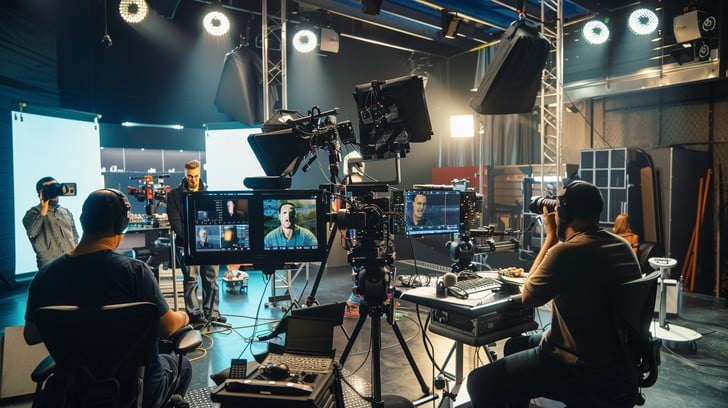
You ask three studios for the same 90-second brand film. The quotes come back at $4,200, $11,000, and $38,000. Same brief, same runtime, three numbers that look like they belong to different planets. Brand film cost is really a question about what hides behind that single line on an invoice, because almost none of the price is the camera.
This guide breaks down what you actually pay for, the going rates in 2026 by production tier, and the decisions that swing a quote by five figures. Prices here lean toward US and UK markets, and they assume a real commercial brand film rather than a quick social clip. It is written for the marketing lead or founder signing the check, but if you shoot brand work for a living, the same math tells you whether your own pricing leaves money on the table.
What you are actually paying for in a brand film
The camera body is maybe three percent of a serious quote. What you are buying is people, time, and the right to use the finished film. A typical brand film bills across four buckets:
- Pre-production: creative, script, casting, location scouting, shot lists.
- The shoot day: crew, gear, talent, permits.
- Post-production: editing, color grade, sound mix, motion graphics, licensed music.
- Usage rights: the part most buyers forget until the contract lands.
Pre-production is where a film is won or lost, and it is rarely free. A director who spends two days writing a treatment and storyboarding is two days you pay for. A treatment, mood board, and shot list mapped out in a shared doc or a tool like Milanote is the cheapest insurance a shoot can buy. The shoot day is the visible cost: a director of photography at $800 to $1,500, a gaffer and a sound recordist, maybe a producer keeping the day on schedule. Post is the quiet time sink. A polished 90-second piece can eat 30 to 60 hours of editing, color, and sound before anyone sees a first cut.
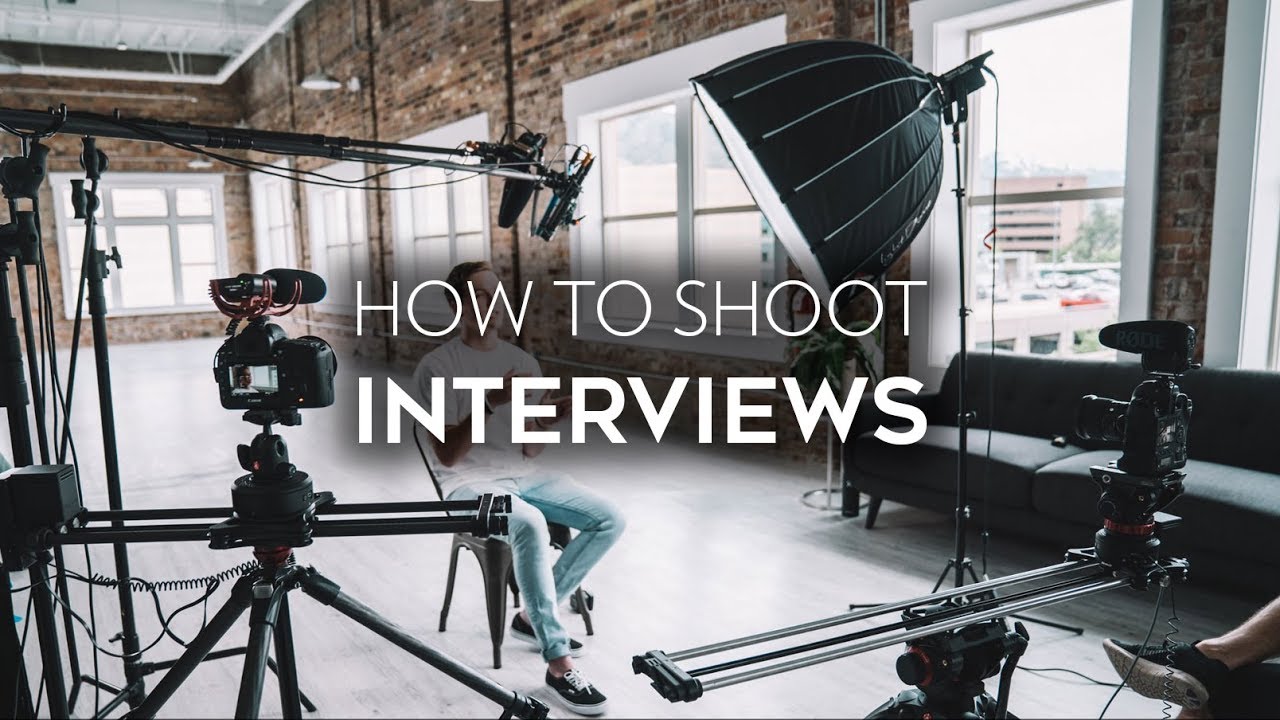
Usage rights deserve their own line. A film you run on your own website and social channels forever costs less than one cut into paid ads across YouTube and connected TV for 12 months. The footage is identical. The license is not. Read what territory, duration, and media a quote covers before you compare two numbers, because a six-month organic-only license is not cheaper than a higher figure with perpetual paid rights. That mix of people, time, and licensing is exactly why one brand film cost can triple another for the same runtime.
Brand film cost by tier in 2026
Here are real numbers, with the caveat that geography moves everything: a London or New York crew runs 30 to 50 percent above a mid-size US market. Treat these as ranges for a single finished film, not a whole campaign.
The entry tier puts brand film cost at roughly $3,000 to $8,000. This is a one or two person operation: a solo shooter-editor or a small team, a single location, a half or full day, and a 60 to 90-second deliverable with a clean color grade and a track from a licensing library like Musicbed or Artlist. It suits a founder story, a product explainer, or a recruitment piece where authenticity beats gloss. You will not get a lighting truck or a separate director, and plenty of jobs do not need one.
The mid tier runs $8,000 to $25,000. Now you have a real crew of four to eight, a dedicated director separate from the DP, proper lighting, a location or two, possibly paid on-camera talent, and a post timeline of two to four weeks. Most established brands land here for their hero film, and it is usually where the money is best spent for a piece that has to carry a campaign.
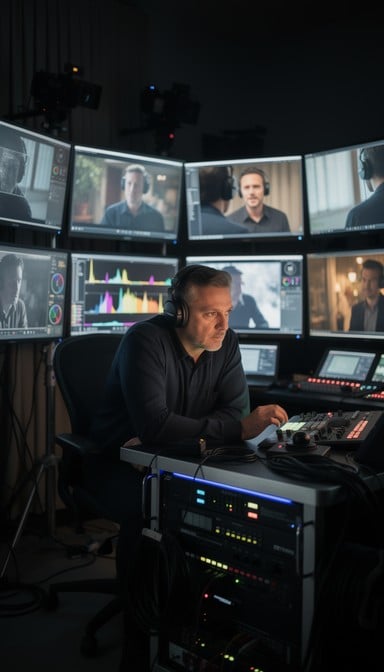
Premium brand film cost starts around $25,000 and climbs past $75,000. Think multi-day shoots, named directors, scripted scenes with actors, custom scored music, aerial work, and usage rights that cover a global paid campaign. A national brand commissioning a flagship film with a known production company can clear $100,000 without anyone blinking. If you are weighing whether your project sits in corporate or brand territory, our corporate video pricing guide covers the lower-gloss end in more detail.
What drives the price up or down
Four variables move a brand film cost more than any other, and gear is not one of them. A Sony FX6 or RED Komodo body rents for $250 to $600 a day, a rounding error next to the people in the room and a tiny slice of the total brand film cost. Shoot days come first: each extra day is not just crew wages but gear rental, catering, travel, and the producer wrangling it all. Going from one day to two rarely doubles the price, but it adds a solid 60 to 80 percent. Locations come second. Your own office is free. A studio rents at $1,000 to $3,000 a day, and a permit to film on a public street or inside a venue can add fees plus a location manager to handle them.
Talent is the third lever. Real employees on camera cost nothing beyond their time. Professional actors carry day rates of $500 to $2,000 plus usage buyouts, and that buyout scales with how widely and how long you run the film. Post complexity is the fourth. A straight interview-and-broll edit is fast. Add 30 seconds of custom motion graphics, a VFX cleanup, or a bespoke composition at $1,500 to $5,000, and the post bill changes shape entirely.
A few levers pull the number down, and you control every one of them:
- A tight, locked script before the shoot day.
- Filming at your own premises, with available light where it flatters the subject.
- Licensed library music instead of a custom score.
- A single revision round rather than open-ended tweaking.
Most buyers leave that first one to chance and pay for it on set. A good producer will tell you which of these actually hurt the film and which you will never notice on screen.
Day rate, project rate, and the usage question
Videographers quote in two broad ways, and knowing which you are holding changes how you read the brand film cost in front of you. A day rate, common at the entry tier, bills the shooter’s time directly: $800 to $2,500 a day depending on experience and market, with editing billed separately or rolled in at a flat post fee. On a real job, a $1,500 day rate plus a $1,200 flat edit fee lands a tidy founder interview around $2,700, and that number holds only if the brief does. It is transparent and easy to compare, but it can creep if the shoot runs long or the revisions pile up. Our videographer day rate guide digs into what working shooters charge and why.
A project rate, standard from the mid tier up, quotes one fixed number for the whole deliverable no matter how many hours it takes. The studio absorbs the risk of a slow edit, which is why a project rate carries a margin buffer. You trade a slightly higher headline number for a fixed cost and a defined scope. For anything with a hard budget and a board to answer to, a project rate is usually the safer structure.
Usage rights sit on top of both, and they are negotiated separately from the cost of making the film. A piece licensed for organic social and your website in perpetuity is the baseline. The moment you put real ad spend behind it, run it on broadcast, or use it past 12 months, expect a usage fee. Sort this out in the contract before the shoot, not after the film tests well and you want to scale the media behind it. Most marketers meet this clause the hard way, on the second campaign.
Where drone, animation, and extras change the math
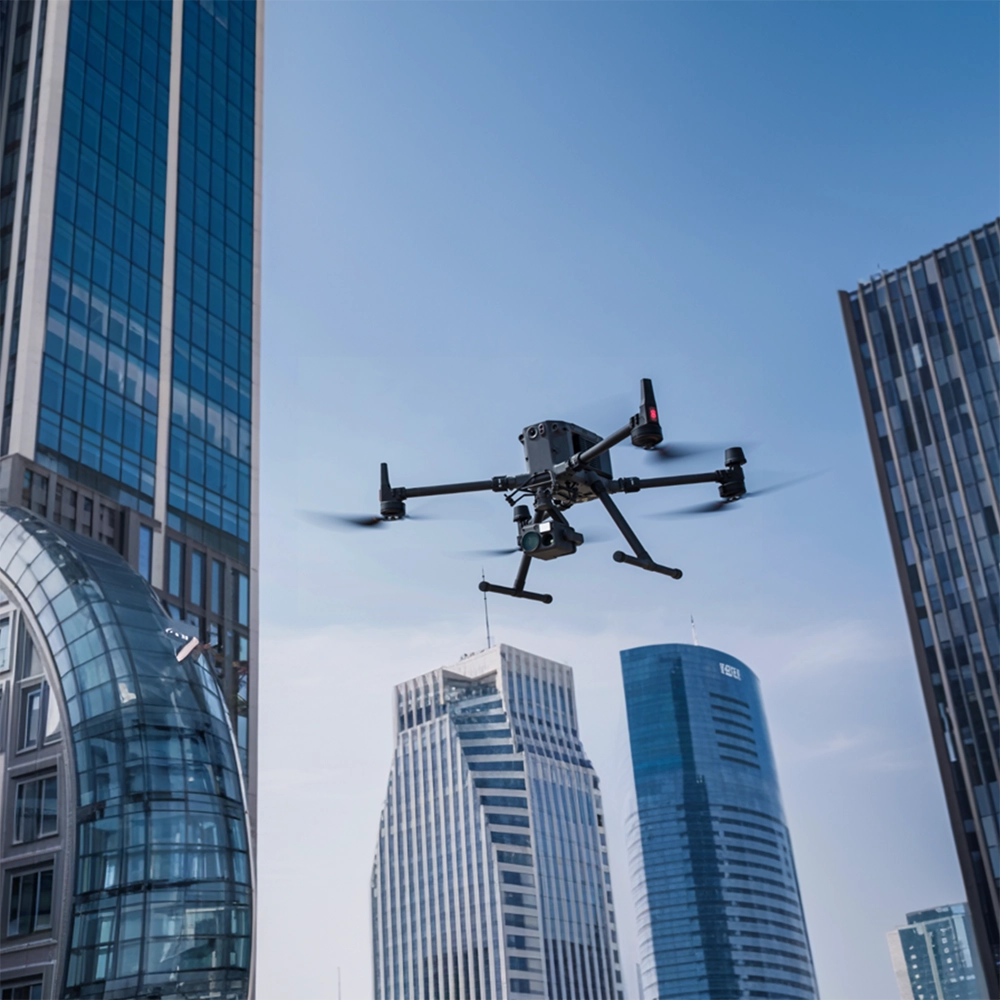
Add-ons are where a tidy brand film cost starts to grow, and a few of them carry costs buyers consistently underestimate. Aerial footage is the obvious one. A licensed drone operator flying a DJI Mavic 3 or Inspire 3 adds roughly $500 to $1,500 a day in many US markets, more if the shoot needs airspace authorization or sits near a controlled zone. That is not gouging. It reflects the certification, insurance, and liability of flying a camera over people and property. Any operator shooting commercially needs an FAA Part 107 certificate, and you can confirm the rules on the FAA’s drone program page. Browse the aerial and drone videographer directory if you want to source one directly.
Motion graphics and animation are the other big swing. A few animated lower-thirds and a logo sting are cheap. A 20-second animated sequence explaining how your product works is its own production with its own timeline, easily $2,000 to $10,000 on top of the live-action film. Custom music sits in a similar place. Library tracks cost $50 to $500 per license. A composer scoring to your edit starts around $1,500 and climbs with the arrangement.
Subtitles, multiple aspect ratios for different platforms, and alternate cuts for a campaign all add post hours. None of them is expensive on its own. Stacked together on a film that started as a single 90-second piece, they can add 40 percent to the post bill. The fix is simple: tell the studio every deliverable you need up front, including the vertical cut and the 15-second teaser, so they are scoped in rather than bolted on later at a premium.
How to brief a brand film so you do not overpay
The biggest single source of brand film cost overrun is a vague brief that drifts during production. Decide three things before you ask for a quote: the one message the film must land, where and how long it will run, and a realistic ceiling for the project. A studio that knows you are spending $12,000 will design a $12,000 film. One left guessing will either over-engineer the pitch or pad the quote to cover the unknowns.
Share reference films you like and, just as useful, ones you do not. Drop them into a single Frame.io or Vimeo review link so the studio sees exactly what you mean, frame by frame, instead of guessing from adjectives like ‘cinematic’ or ‘premium’. A two-minute call where you point at a competitor’s piece and say what works saves a week of misaligned treatments. Lock the script and the shot list before the shoot day, because changing your mind on set is the most expensive place to do it. Crew standing around while you rewrite a scene is billable time you will never get back.
Get the scope in writing before anyone picks up a camera. A clear brief names:
- Number of shoot days.
- Number of revision rounds, with a definition of what counts as one round.
- The deliverable list, with runtimes and aspect ratios.
- Music licensing terms.
- Usage rights: territory, media, and duration.
Three named revision rounds protect both sides from the endless-tweak spiral that quietly inflates a project rate. If you want a structured walkthrough of how a brand engagement runs from brief to final cut, our how it works page lays out the stages.
Red flags in a brand film quote
A suspiciously low quote usually hides one of three things: no real pre-production, a license that expires in months, or a single rushed revision round. None of those is dishonest if it is spelled out. It becomes a problem when the cheap number wins the job and the gaps resurface as change orders later. Ask any low bidder what is explicitly not included, and watch how specific the answer gets. A studio that says straight away that music licensing, the color grade, and a second revision round are billed as extras is being honest. One that just shrugs is the one to worry about.
Watch for quotes with no line items at all. A single figure with no breakdown of shoot, post, music, and rights makes it impossible to compare against another bid or to trim scope if the number runs high. A reputable studio will show you where the money goes. Vague deliverables are another flag: “a brand video” is not a spec, while “one 90-second hero film, one 30-second cutdown, one 9:16 vertical, two revision rounds, perpetual organic and 12-month paid rights” is something you can hold them to.
The last red flag is silence on usage rights. If a quote does not mention how and where you can use the film, assume the cheapest possible license and ask directly. Getting your brand film cost right is mostly about forcing these details into the open before you sign, because every gap in the quote is a future invoice with your name on it. If you are sourcing studios now, browse vetted brand film specialists and ask each for an itemized quote against the same brief.
Pull two or three quotes, hand every studio the identical one-page brief, and compare line by line rather than bottom number to bottom number. The brand film cost that looks higher on paper is often the one that costs less by the time the film ships.