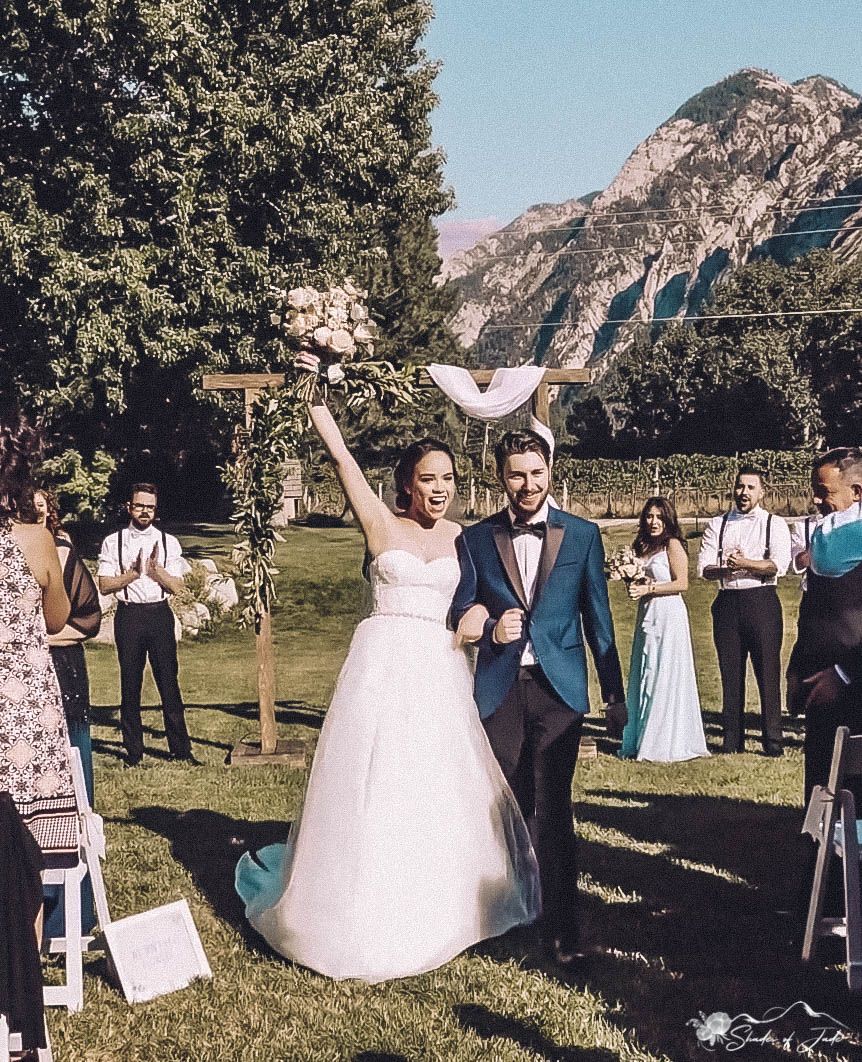
You watched a wedding film on a friend’s feed, did the math on what the couple probably paid, and figured you could pull that off. Maybe you already shoot real estate or run a YouTube channel and want a better-paying weekend gig. Either way the question is the same. What does it actually take to go from owning a camera to getting paid to film someone’s wedding day?
Here is the honest answer. Learning how to become a wedding videographer is less about gear than people assume and more about reliability, editing taste, and staying calm when the ceremony starts twelve minutes late. This guide walks the real path: the equipment that earns its weight, the skills you have to build, how to price yourself before you own a portfolio, and where your first paying clients actually come from.
How to Become a Wedding Videographer: the Real Job
Filming is maybe 40 percent of the work. The rest is logistics, client management, and editing. On a typical eight-hour wedding you arrive before anyone is dressed. You grab quiet detail shots of the rings and the dress, then cover getting ready, the first look, the ceremony, portraits, and the reception through the first dances and toasts. You move constantly. You often work around a photographer you have never met, in light you do not control.
Then comes the part nobody sees. A single wedding generates 300 to 800 GB of footage and audio. You back it up twice before you sleep, log it, and sync the audio from your lavalier mics and the officiant’s recorder. Then you cut a three to six minute highlight film, plus a longer documentary edit of the ceremony and speeches. Edit time runs 15 to 40 hours per wedding when you are starting out.
Couples are emotional and sometimes indecisive, and they are trusting you with a day they cannot reshoot. My take: that pressure is the real filter. If it sounds energizing rather than terrifying, you are wired for this. If your stomach drops, second shoot a few weddings before you commit, because the stress never shows up in the tutorials.
The Gear You Need to Start, and What You Can Skip
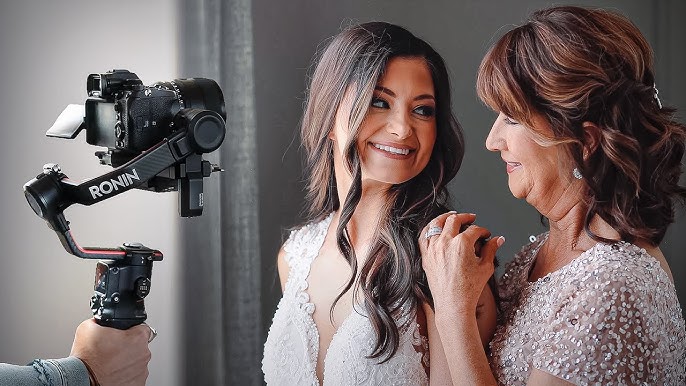
You need less than the forums tell you. A full-frame mirrorless body with strong autofocus and in-body stabilization is the foundation. The Sony FX3, a7S III, and a7 IV are common workhorses. A Canon R6 Mark II or a Panasonic S5 II does the same job. Budget roughly $2,000 to $4,000 for a body. You want two cameras eventually, so one can hold a locked-off wide during the ceremony while you move with the other. Your first few weddings can run on a single body if money is tight.
Lenses matter more than the body. A 24-70mm f/2.8 covers most of the day. A 35mm or 50mm prime at f/1.4 gives you the shallow, low-light look couples pay for. After that, audio and stabilization are non-negotiable. Two wireless lav systems, like the DJI Mic 2 or the RODE Wireless GO II, capture vows and toasts cleanly. A missed vow is the one mistake couples never forgive. Add a gimbal such as the DJI RS 4, fast V90 SD cards, and far more battery than you think you need.
Skip the cinema camera, the full lighting kit, and the drone for now. You can rent a drone, or better, hire a licensed pilot from the aerial drone videographers directory until you earn your FAA Part 107 certificate. Most beginners overspend right here, kitting out like a studio before they have booked a single couple. A realistic starting kit lands around $6,000 to $9,000, and renting a second body for early jobs beats buying everything up front.
Learning to Shoot and Edit Before You Charge
Most guides on how to become a wedding videographer jump straight to gear lists. The skill comes first. Nobody hands you a wedding cold, so you build on low-stakes footage. Shoot styled shoots, friends’ engagement sessions, and anything with movement and emotion, so you learn to nail focus and exposure in changing light. Spend real time on frame rates and shutter. Most wedding work is 4K at 24 or 25 fps, with selective 60 or 120 fps for slow motion of confetti, first dances, and a dress catching the wind.
Editing separates amateurs from professionals. Learn one program well instead of dabbling in three. DaVinci Resolve is free, and its color grading is good enough for paid work. Premiere Pro is the default if you already live in Adobe. The craft to study is music-driven storytelling: pick a track first, cut picture to its rhythm, and let the couple’s own vows carry the emotion over the visuals. Read up on wedding videography styles so you can name your own, whether it leans cinematic or documentary, because couples will ask.
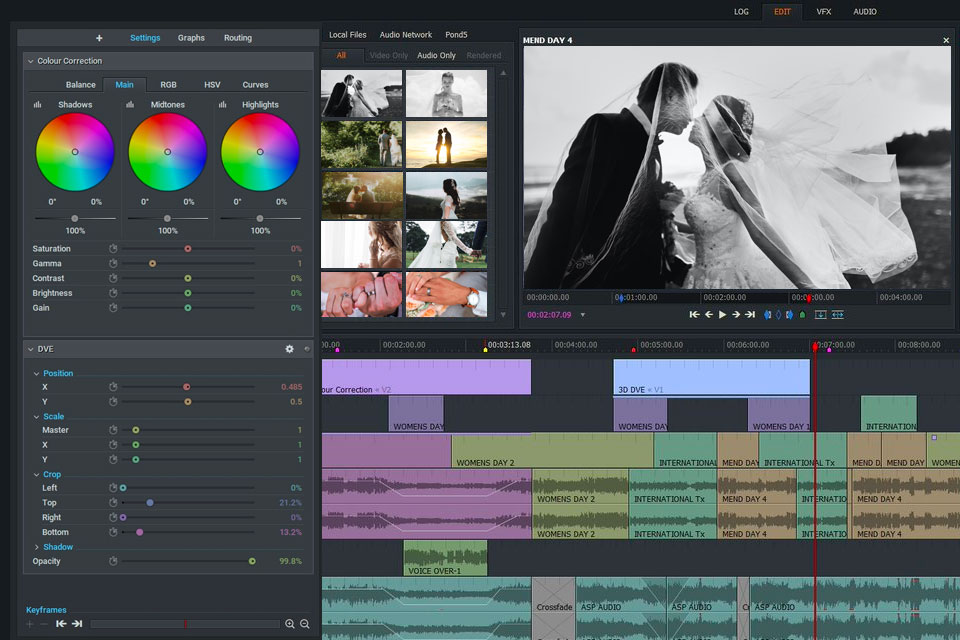
Grade your footage so it holds together across the whole day. Audio editing counts as much as picture. Clean up the vows, duck the music under speech, and make the whole thing sound deliberate. Cut three or four complete spec films before you take a dollar. That body of work becomes your portfolio, and it is the single thing that gets you booked.
How to Price Yourself With No Portfolio
Pricing is where new videographers either undercharge into burnout or overprice into silence. Your first two or three weddings should be cheap on purpose, sometimes free, in exchange for full creative control and the right to use the footage. The goal of those jobs is the edit you can show, not the check. Once you have a reel, price for the market, not for your insecurity.
In 2026, entry-level wedding videography runs roughly $1,500 to $2,500 for a single shooter and a highlight film. Experienced solo shooters charge $2,500 to $5,000. Established studios with two shooters and same-day edits run $5,000 to $12,000 and up. Anchor your price to deliverables and hours, never a vague day rate. A six-hour single-camera package with a four-minute film is a different product from a ten-hour, two-shooter package with a full ceremony edit and a teaser. The wedding videographer cost guide breaks down current ranges across markets.
Three numbers protect you from the jobs that quietly lose money:
- A non-refundable deposit of 30 to 50 percent to hold the date.
- A cap of two editing revisions, so indecision cannot hold you hostage.
- Your true cost per wedding, including gear depreciation, software, insurance, and 20-plus hours of editing, worked out before you quote.
Know that real cost cold. Otherwise you will accept jobs that pay less than a part-time wage and call it experience.
Where Your First Paid Clients Come From
Couples do not find you by accident. Your first paying clients almost always come from two places: people who saw your spec films, and referrals from other vendors. Photographers, planners, florists, and venue coordinators meet every couple before you do. A planner who trusts you will send work for years. Take the photographers you second shoot for to coffee. Send a venue a clean edit they can post on their own page. These relationships outperform any ad budget in your first two years.
Build a presence couples can actually find. A simple site with two or three full films, a starting price, and a contact form converts better than a feed of clips. List yourself where buyers already search, on the wedding videographers directory, so couples comparing options see you next to established shooters. Instagram and TikTok still drive discovery, but post finished films and short vertical teasers, not behind-the-scenes filler.
Answer inquiries fast. Couples message five or six videographers in one evening, and the one who replies within a few hours with a warm, specific note usually gets the call. If you want a steadier pipeline than cold outreach, a profile on a vetted platform like BookVideographer puts you in front of couples who are ready to book rather than browse.
Second Shooting: the Fastest Way In
If you take one shortcut, make it this one. Working as a second shooter for an established wedding videographer is the fastest way to learn the job without carrying the risk. You film secondary angles, grab reception coverage, and watch a professional handle a tight timeline, a difficult family, and a dark reception hall. Someone else owns the final deliverable. Day rates for second shooters typically run $250 to $600, so you are paid while you learn.
Reach out to videographers one or two tiers above you, not direct rivals in your exact price bracket. Be honest that you are building experience. Show them you can hold a steady shot and follow direction, and make their day easier. Most established shooters are always hunting for reliable second shooters, because the good ones get booked out. Do three or four weddings this way and you will understand the rhythm of the day better than any course can teach. You also start collecting the vendor relationships and footage that lead to your own bookings.
Treat each gig like an audition for your reputation, not a free pass to experiment. Label your cards, hand over organized footage, and never upstage the lead. Do that, and the same shooters who hire you today will refer the overflow couples they cannot fit tomorrow.
Turning It Into a Real Business
A camera and a few edits make you a hobbyist. Contracts, insurance, and clean money handling make you a business. Use a written contract on every job, even the free ones. At minimum it should cover:
- hours of coverage and exact deliverables
- the delivery timeline, deposit, and cancellation terms
- your two-revision cap, music licensing, and who owns the footage
A clear contract heads off almost every dispute before it starts.
Get insurance before your first paid wedding. General liability runs $300 to $600 a year, and many venues now require a certificate naming them as additionally insured before they let you through the door. Add gear insurance for a dropped lens or a stolen body, since a single FX3 costs more than a year of premiums.
Treat the money like a business from day one. Track income and expenses, set aside roughly 25 to 30 percent for taxes, and register properly once the income is real. The IRS guidance for the self-employed covers the basics. Read your local music licensing rules too, because the synced track in your highlight film is a legal exposure most beginners ignore until a takedown notice arrives.
Protect your reputation as carefully as your gear. Deliver when you promised, speak up when you are running behind, and never disappear on a couple mid-edit. The wedding business is small and runs on word of mouth. One late film, complained about in a local Facebook group, can cost you a season of referrals. One couple who raves about you can fill a calendar.
If you are serious about learning how to become a wedding videographer, book a second-shooting gig for this coming season before you spend another dollar on gear. The footage, the contacts, and the confidence you walk away with are worth more than any upgrade. They are the foundation everything else gets built on.