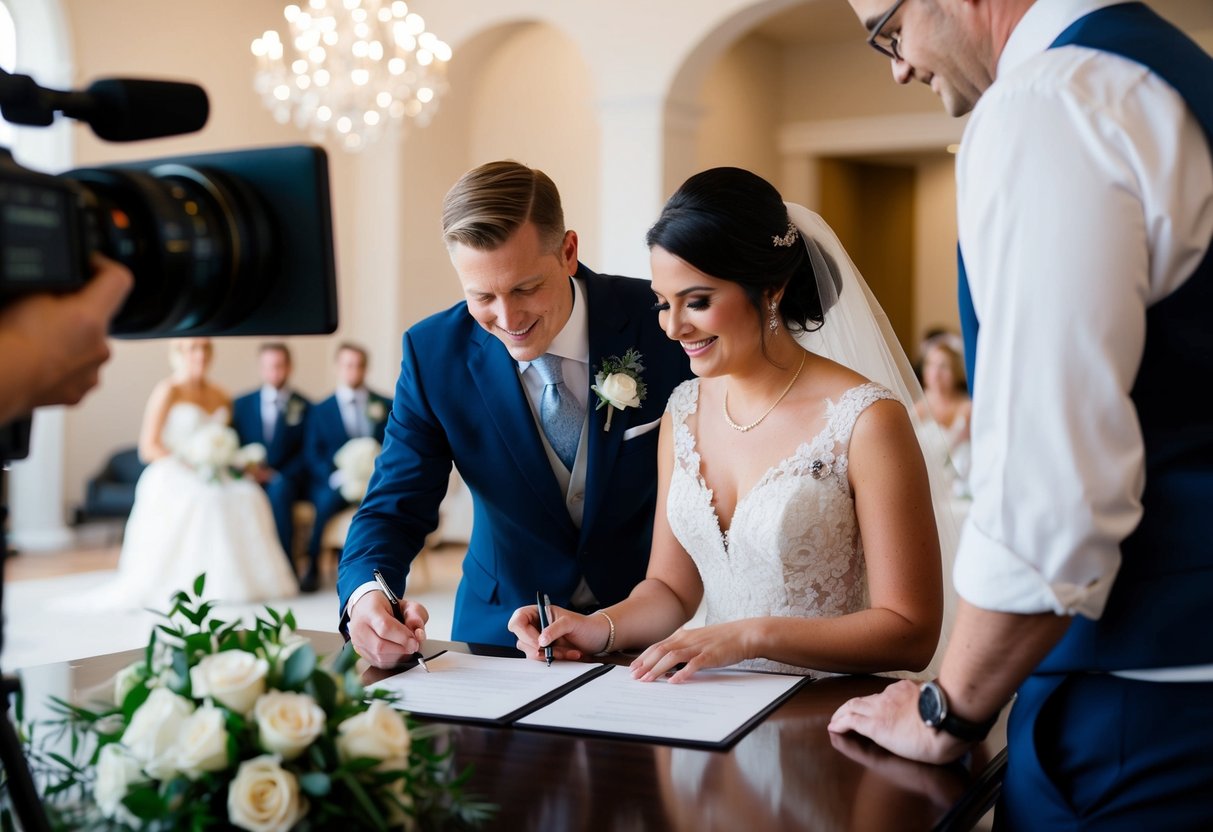
A client pays a $1,200 deposit, the videographer’s main drive fails three weeks before the wedding, and nobody wrote down what happens next. Who eats the cost of a backup shooter? Does the deposit roll over to a new date, or vanish? A solid videography contract answers all of that before anyone is panicking at 11pm. Whether you are hiring a shooter or holding the camera yourself, the document you both sign is the only version that counts. It is what governs once memory and goodwill run out.
Most disputes I have seen over the years did not come from bad actors. They came from two people who remembered the same verbal conversation differently, backed by a one-page “contract” that listed the price and nothing else. The fix is not legalese. It is specificity, and a good videography contract is specific to the point of being boring.
Scope of Work: What You Are Actually Buying
The single most argued-over line in any video project is what was actually promised. The scope section of a videography contract should read like a shot list crossed with a calendar. State the date, the exact start and end times of coverage, and the location or locations. “Full day coverage” means nothing on its own. “Coverage from 1:00pm getting-ready through 10:00pm first dance, single location, Hotel Casa Marina” means something you can hold someone to.
Name the crew size and the equipment class too. If the client is paying for two operators and a gimbal, write it down. If a second shooter is an add-on, the contract should say whether one is included or whether the price assumes a solo operator running a Sony FX3 with a backup body. Buyers should push hard here, because “a videographer” can mean a seasoned pro with redundant gear or one person with a single camera and no plan B. Most couples assume the former and quietly pay for the latter.
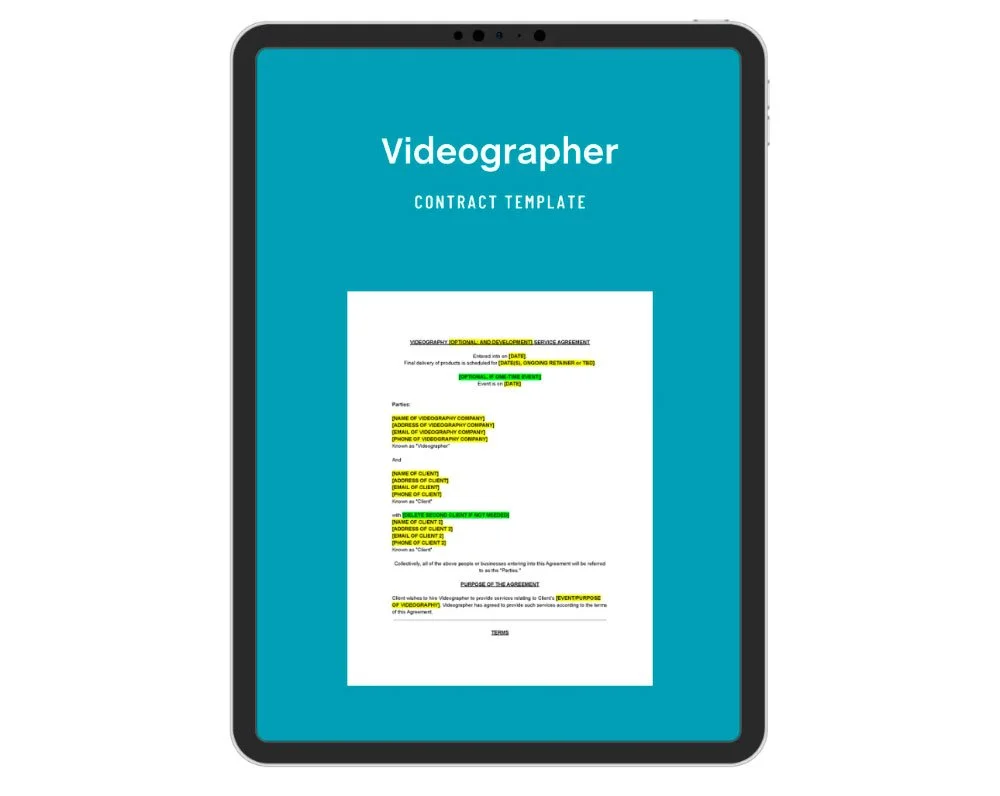
For a brand or corporate job, scope means deliverable count and format. One 90-second hero film plus three 15-second vertical cutdowns is a different job than “some social content,” and it should be priced and written differently. If you run the business side, vague scope is how you end up doing four extra edits for free. If you are the buyer, this is where you confirm the budget actually covers what you pictured. Spell out revision rounds in the videography contract at the scope stage too, because a deliverable count without a revision count is only half a number. The directory’s corporate videographers almost always work from a written scope for exactly this reason.
Payment, Deposits, and the Cancellation Clause
A retainer holds the date. The industry standard runs 25 to 50 percent up front, with the balance due before or on the shoot day. Your videography contract should state the exact dollar amount, the due dates, and the accepted payment methods. If late payment carries a fee, name it: a flat $50 or 1.5 percent per month is common and enforceable once it is in writing.
The word “deposit” causes more confusion than any other term in this business. In many jurisdictions a deposit is refundable and a retainer is not, so a contract that says “non-refundable deposit” is arguing with itself. Use “non-refundable retainer” if that is the intent, and spell out what the retainer actually pays for: holding the date and turning away other bookings for it.
Cancellation is where you find out whether a contract was written by someone who has actually been burned. A workable clause sets a tiered structure:
- Cancel more than 90 days out and you forfeit the retainer only.
- Cancel inside 30 days and a larger percentage is due, since the date can no longer be rebooked.
- If the videographer cancels, you get a full refund at minimum, plus a clause requiring them to help find a qualified replacement.
That last line is the one most templates leave out, and it is the one that protects the client when the shoe is on the other foot. For pricing context on what these numbers tend to look like across job types, the pricing overview is a useful baseline before you negotiate.
Deliverables, Timeline, and Revisions
This section heads off the most common slow-burn conflict: the client who expected the final film in two weeks and the editor who quoted twelve. Write the turnaround as a number of weeks from the shoot date or from final asset delivery, never “as soon as possible.” That phrase is where cheap quotes hide expensive delays. The realistic windows worth pinning down in the videography contract look roughly like this:
- Wedding feature film: eight to sixteen weeks.
- Corporate or brand video: two to four weeks.
- Real estate walkthrough: 24 to 72 hours, and that speed is part of what the client is buying.
Define every deliverable by length, resolution, and format. A wedding package might specify a 4-to-6 minute highlight film in 4K, a full ceremony edit in 1080p, and a 60-second social teaser. State the delivery method, whether that is a private gallery link, a download, or a physical drive, and how long the files stay available. Thirty to ninety days of hosting is typical, and plenty of clients have lost footage because nobody warned them the link would expire.
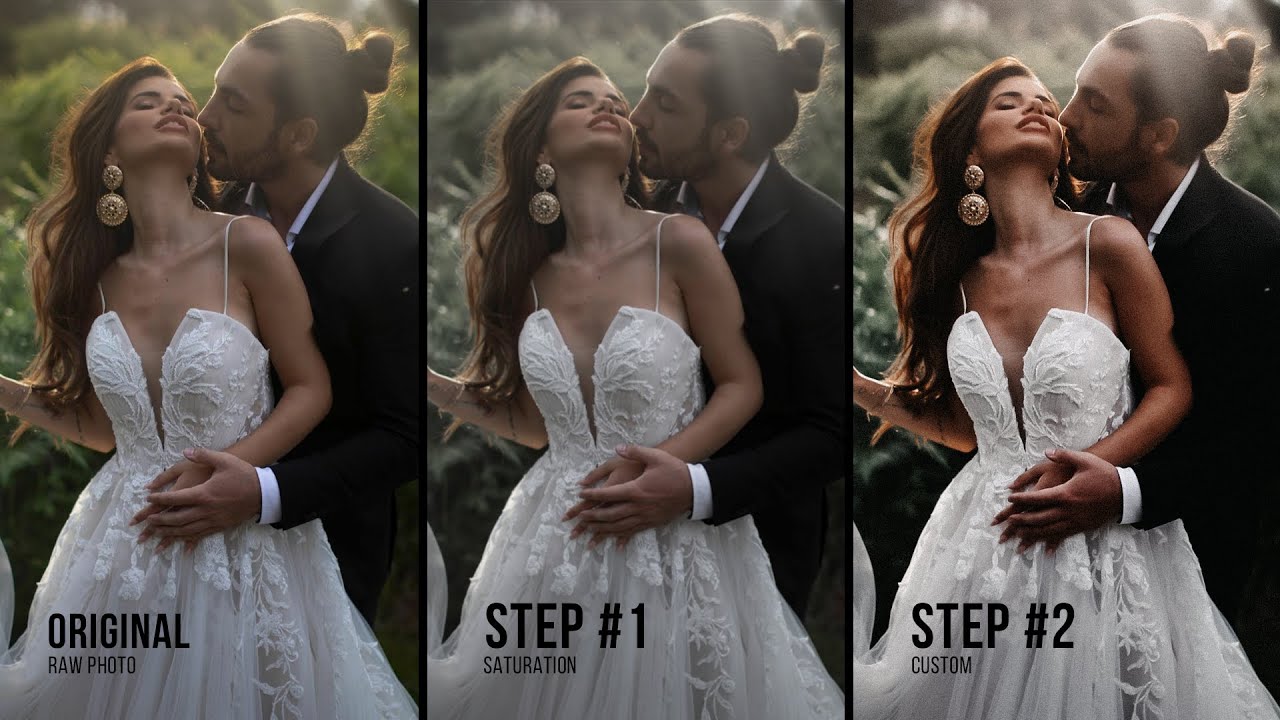
Revisions deserve their own line. Most professionals include one or two rounds of changes, then bill hourly past that, often $75 to $150 an hour. Without that cap, “can we just tweak one more thing” becomes infinite and unpaid, and the editor absorbs the cost. Put the revision window in writing as well, say fourteen days from delivery, so feedback does not trickle in six months later once the editor has moved on. To see how editing timelines actually break down, how the booking and delivery process works covers the stages most contracts compress into a single date.
Rights, Licensing, and Usage
Ownership of the footage confuses almost everyone, and it is the clause buyers skip most often. By default in most countries, the videographer owns the copyright to the footage they shoot, even though you paid for the shoot. What you receive is a license to use the final films, and the videography contract should define the limits of that license. The U.S. Copyright Office is clear that copyright belongs to the creator unless it is transferred in writing, so do not assume payment alone moves it.
For a wedding, the license usually means personal, non-commercial use: you can share the film, post it, and send it to family. It typically does not let you sell it or drop it into an advertisement. For commercial work the stakes climb. A brand paying for a product launch film needs to know whether usage covers organic social only, or paid ads and broadcast too, and how long that right lasts. A one-year usage term and a perpetual buyout are very different prices, and the gap can run into thousands of dollars. This is the line most clients underestimate.
Music licensing belongs in this section as well. Reputable videographers license tracks through services like Musicbed, Artlist, or Epidemic Sound, and the contract should confirm that delivered films use properly licensed music. That protects the client from platform takedowns and protects the videographer from a copyright claim landing on the client’s posted film. There is a separate question of whether you can request the raw, unedited footage, and it is worth raising during booking rather than after, since many wedding videographers treat raw files as a paid add-on or refuse to release them at all.
Liability, Insurance, and Force Majeure
Gear fails. People get sick. Venues flood. A videography contract that pretends none of that can happen is the one that ends up in a small-claims filing. The liability section sets the ceiling on what the videographer owes when something goes wrong, and most professional contracts cap liability at the total amount paid. So if a catastrophic failure wipes the footage, the maximum refund is what you paid, not a payout for the emotional value of the day. Buyers should read this clause slowly and decide whether they can live with that cap.
Professional and general liability insurance are close to non-negotiable now, especially for commercial and event work. Many venues require a certificate of insurance before a crew gets through the door. A good videographer carries general liability coverage in the $1 million to $2 million range, and the contract or an attached COI should show it. If you are hiring for a corporate event, ask for the document, not a verbal yes. Ask specifically whether the policy names the venue as an additional insured, since that exact wording is what most venue coordinators check for, and a generic certificate sometimes fails the test.
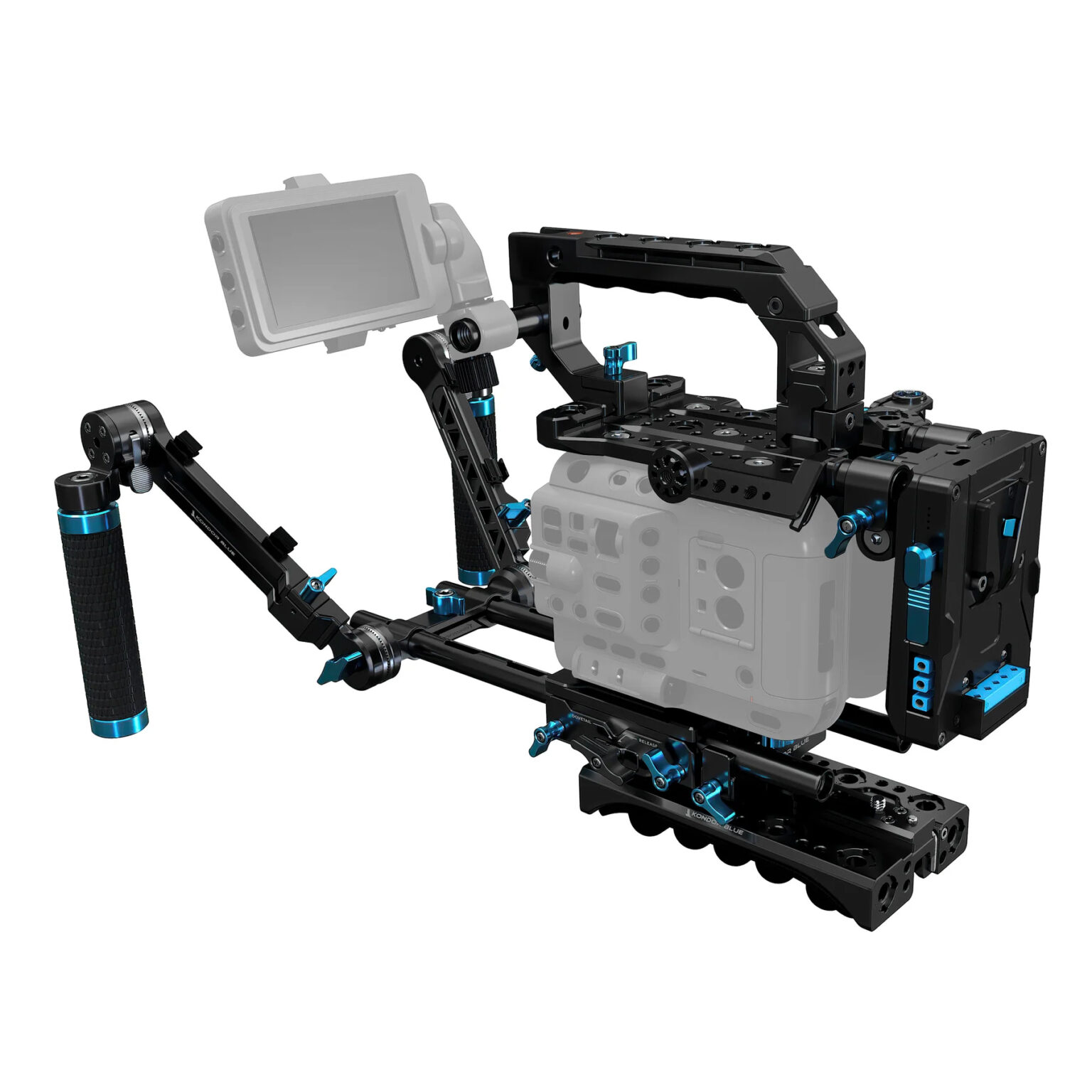
Force majeure covers the events neither side controls: a natural disaster, a government restriction, a serious illness. A fair clause does not let the videographer keep your full payment for a hurricane that cancelled the event, nor does it force them to refund a retainer they already spent holding the date. The usual compromise is that the retainer applies to a rescheduled date within a set window, often 12 to 18 months. Backup language pairs well here. A line stating the crew records to dual card slots and copies footage to two drives before deleting anything tells you they have thought about the failure mode that ends careers.
Model Releases, Conduct, and the Small Clauses That Matter
A cluster of shorter clauses separates an amateur agreement from a professional videography contract. A model or likeness release lets the videographer use clips from your event in their portfolio and marketing. Many couples are happy with this; some are not, and a privacy-conscious client can ask to opt out. Either way it should be a checkbox, not an assumption buried in the footer.
The conduct clauses matter more than they sound. A meal provision for shoots over five or six hours is standard and reasonable. A clause asking the client to designate a point person who can identify key people and moments saves the crew from missing the grandmother’s toast because nobody pointed her out. An “unsafe conditions” clause lets the team stop working if a situation turns genuinely dangerous, without breaching the agreement. I once watched a second shooter get turned away at the four-hour mark because the catering hall counted crew meals against the couple’s head count, and no clause covered it, so the cake-cutting footage simply does not exist. Small print, large hole.
For commercial and real-estate work, add a few specifics: who secures location permits, who handles drone authorization where it is required, and who is liable if a permit falls through. Drone work carries real regulatory weight, and any crew flying commercially needs an FAA Part 107 remote pilot certificate, so the contract should name which party holds it and the matching insurance. None of these clauses are long. Together they are the difference between a document that anticipates the job and one that only describes the invoice.
Reviewing Your Videography Contract Before You Sign
Read the videography contract as if the relationship has already gone sour, because that is exactly when you will need it. A few patterns should make you pause. Vague turnaround language like “delivery within a reasonable time” gives you no recourse, so ask for a hard date. A non-refundable clause that takes 100 percent of a large payment for an early cancellation is aggressive, and you can negotiate a tier. Silence on backups, insurance, or what happens if the primary shooter is hospitalized is a sign the contract was copied from a template and never tested against reality.
Videographers reading this should treat the contract as a sales tool, not a hurdle. A clear, fair videography contract signals that you have done this before and that the client’s day is safe in your hands. It closes deals more often than it kills them. If a single clause scares a client off, that usually means it was unbalanced, not that it existed at all. When you are unsure how to phrase something, a short call beats guessing. The contact page and a quick read of the FAQ clear up most recurring questions before they ever reach a signature.
Before you sign anything in 2026, print the contract, mark every place it says “reasonable,” “as needed,” or “to be determined,” and ask for a number or a date in each spot. The clauses you pin down on a calm afternoon are the ones that save the relationship on the day something goes wrong. A good videography contract is not built to win a fight later; it is built so you never have to have one.