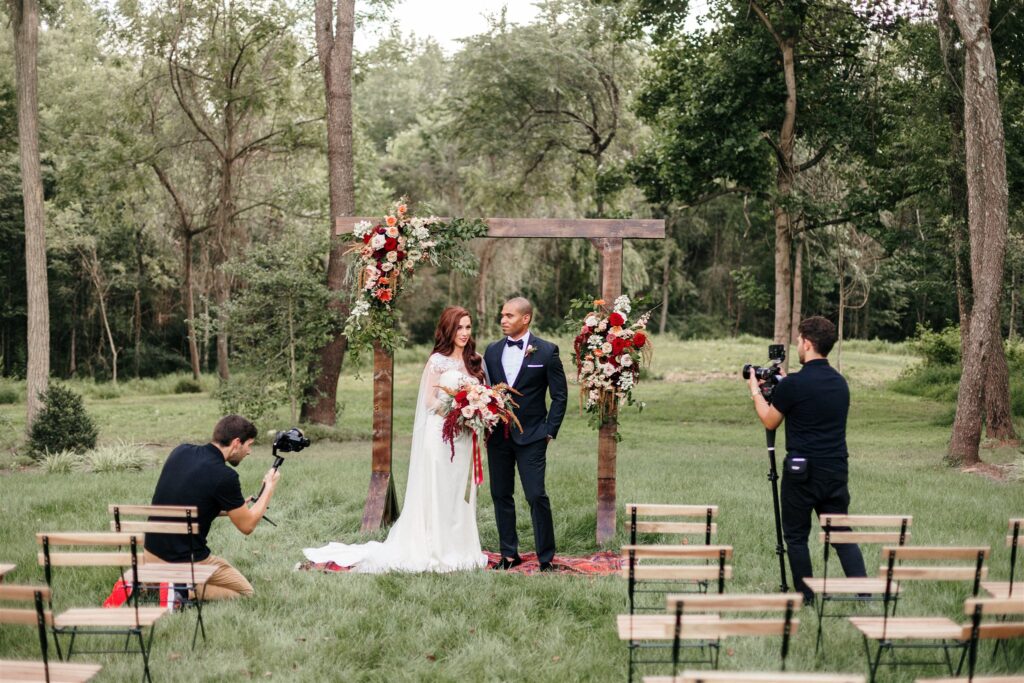
You shot a friend’s wedding, it looked great, and two referrals came in off the back of it. Then the calendar went quiet for six weeks. That gap, the one between a strong portfolio and a steady stream of paying work, is where most videographers stall. Learning how to get videography clients is less about raw talent and more about building three or four repeatable systems that feed you work while you are heads-down in an edit.
The good news: almost nobody you compete with does this consistently. Most shooters wait for the phone to ring. The ones who stay booked treat client acquisition like a second craft, with the same care they give to white balance and audio.
Why your referrals dried up
Referrals are the best leads you will ever get. They close faster, haggle less, and trust you before the first call. The problem is they are passive and finite. A happy couple refers you to maybe two or three friends getting married in the same eighteen-month window, and then that vein runs out. A corporate client who loved your recruitment video might not need another one for a year.
So referrals are a floor, not an engine. If your entire pipeline depends on someone else remembering your name at the right moment, your income will swing wildly between feast and famine. I have watched talented shooters quit during a slow quarter. Not because the work was bad, but because they had no second source of leads when the referrals went quiet.
The fix is to stack several lead sources so that no single one carries the business. Treat each tactic below as one leg of the table. You do not need all nine working at once. You need three or four running well enough that a dry month from one does not empty the calendar.
List where buyers are already searching
Most people hiring a videographer start with a search, not a referral. They type “wedding videographer near me” or “real estate video [city]” into Google and scan whatever comes up. If you are not in those results, you do not exist to them.
Start with a Google Business Profile. It is free, it puts you on the map pack, and it lets past clients leave reviews that show up the moment someone searches your name. Fill out every field, add real stills from your shoots, and ask each client for a review within a week of delivery while the experience is fresh.

Next, get listed on directories where buyers actively browse for someone like you. A profile on BookVideographer puts you in front of people who are already in hiring mode, which is a warmer lead than a cold social media follower. Pick the category that matches your strongest work, link your reel, and keep your starting price visible so you filter out tire-kickers before they ever message you. If you are not sure how the matching works, the how it works page walks through it. Directories will not replace your own marketing, but they catch demand you would otherwise never see. For most freelancers, that steady visibility is the quietest part of how to get videography clients.
Build a reel that books, not just one that impresses
There is a difference between a reel that wins applause from other videographers and one that makes a buyer reach for their phone. The first is a highlight montage of your best three seconds from forty shoots. The second tells the buyer, in under ninety seconds, exactly what they will get if they hire you.
Lead with your strongest five seconds. Attention drops off a cliff after the first ten, so a slow build with a logo animation is wasted runway. Show the kind of work you actually want to sell. If you want wedding bookings, do not bury the wedding footage behind a music video and a real estate walkthrough. Buyers hire for the thing they see most of.
Keep it tight. A 60 to 90 second reel converts better than a three-minute one almost every time. Cut to a clear story beat, let one or two emotional moments breathe, and end on a clean call to action with your contact details on screen. If you are pitching corporate clients, show that you can shoot clean interviews with a Sony FX3 and proper lav audio, not just drone sweeps. The reel is your sales pitch running on autopilot, so make every second earn its place.
Pick a niche before you try to scale
The instinct when you are hungry is to say yes to everything: weddings, real estate, music videos, a friend’s podcast. That makes you a generalist competing on price against everyone, and it makes your marketing mushy because you cannot speak directly to anyone.
Niching down does the opposite. When a venue coordinator meets a videographer who shoots only weddings and knows their floor plan, the timeline, and how to stay invisible during vows, that coordinator refers them again and again. Specialists charge more and close easier because expertise reads as lower risk to the buyer.
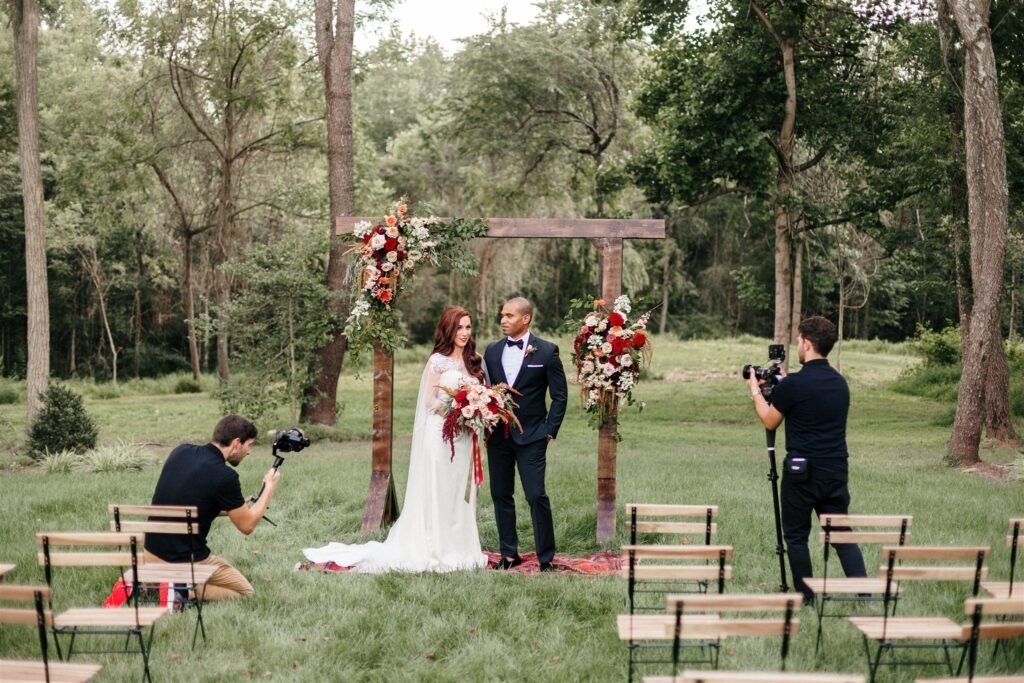
You do not have to guess which niche fits. Look at where buyer demand and your skill overlap. The categories on a directory tell you where people are searching: couples browse wedding videographers, agents look for real estate video specialists, and businesses hunt for corporate videographers who can turn a one-day shoot into a polished recruitment film. Pick one to be known for. You can shoot adjacent work to pay the bills, but build your reel, your reviews, and your outreach around a single lane. Depth beats breadth when someone is deciding whether to trust you with a day they cannot reshoot.
Turn one job into three
A referral system is just asking, on purpose, at the right moment. Most videographers never ask at all, then wonder why word of mouth is slow.
The timing matters more than the wording. The best window is right when you deliver the final film and the client is still emotional about it. That is when a wedding couple will happily forward your name to two engaged friends. Send the delivery email, then a follow-up a few days later: “If you know anyone planning a wedding this year, I would love an introduction, and I will take great care of them.” Simple, specific, and it works.
The higher-leverage move is building relationships with the people who book the same clients before you do. Wedding planners, venue managers, real estate agents, and event coordinators each touch dozens of buyers a year. One planner who trusts you can send four or five jobs your way annually. Take them to coffee, give them a clean reel they can forward, and make their life easy by being reliable and on time. Some videographers offer a referral fee, often 10 percent of the booking, to vendors who send paying clients. Others just trade referrals back. Either way, two or three solid vendor relationships will outproduce any amount of social media posting.
Price so the work is worth taking
Undercharging is a client-acquisition problem disguised as a pricing problem. When you quote $600 for a wedding because you are nervous, you attract the exact clients who will demand the most and value you the least. Cheap work also signals low quality to better buyers, so you lose the jobs you actually want. Most new shooters overprice their fear and underprice their time.
Price for the full cost of the job, not just the shoot day. A wedding film is rarely a one-day commitment. Figure six to ten hours on the day, then fifteen to thirty hours of editing, plus gear depreciation, insurance, software subscriptions, and the unpaid hours you spend on calls and emails. When you add it up, a $2,800 wedding package that felt steep starts to look like a working wage rather than a generous one.

Build tiered packages so buyers self-select instead of negotiating you down. A three-tier structure, say a $1,800 essentials package, a $2,800 standard, and a $4,200 premium with drone and a second shooter, anchors the middle option as the obvious choice. If you want a sense of where your numbers should sit relative to the market, the pricing guidance and broader rate guides are worth reading before you set your sheet. Raise prices as your calendar fills, not after it empties. The right rate filters your pipeline so the clients who reach you are already a fit.
Use cold outreach that does not feel gross
For corporate, real estate, and brand work, you cannot just wait to be found. The buyers are businesses, and they respond to direct, specific outreach far better than weddings ever would. The trick is to lead with value, not with a pitch about yourself.
Pick a narrow target list. Twenty real estate agents in your city who list homes above a price point that justifies video. Find the listings they posted with weak phone footage or no video at all, and that is your opening. Email them something like: “I noticed your listing on Oak Street does not have a walkthrough video. Homes in that range tend to sell faster with one. I shoot a full cinematic tour with drone exterior for $450 and a two-day turnaround. Want a sample?” Short, relevant, and it shows you did the work.
Volume matters here. A cold email list converts at maybe 2 to 5 percent, so a batch of forty thoughtful, personalized emails might land one or two paying jobs. Follow up once, politely, about five days later, because most replies come from the second touch, not the first. Do not blast a generic template to two hundred addresses. One specific email to a researched prospect beats fifty lazy ones, and it keeps you out of the spam folder.
How to Get Videography Clients Without Guessing
The reason most videographers feel like leads are random is that they never look at them as a system. You cannot improve what you do not measure, and a calendar full of half-remembered “I should follow up with that guy” notes is not a system.
You do not need expensive software. A single spreadsheet with five columns will do: lead name, source, date of first contact, stage (inquiry, quoted, booked, lost), and next action with a date. If a spreadsheet feels too loose, a free Trello board or the free tier of HubSpot CRM gives you the same view with reminders built in. Glance at it every Monday morning and act on anything that has gone quiet. Most lost deals are not lost on price. They are lost because nobody followed up, and the buyer simply booked whoever replied second.
Over a few months that sheet tells you which lead sources actually convert. Maybe your directory listing closes at 30 percent while Instagram closes at 4 percent. That data tells you where to spend your limited marketing hours. Knowing how to get videography clients eventually comes down to this: stop treating leads as luck, watch which sources pay, and double down on the two or three that do.
This week, pick one tactic from this list, the directory profile or the vendor coffee, and finish it before you touch your next edit. One completed system beats nine you only planned.