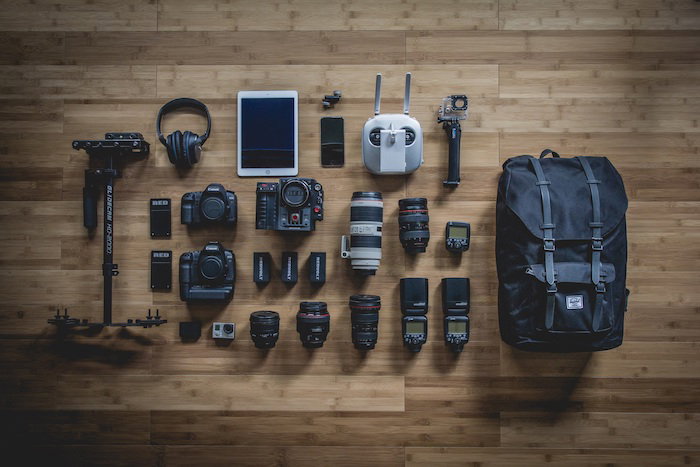
You have shot a few weddings for friends. Your reel looks decent. Now someone has offered to pay you $1,500 for a brand video. Before you say yes, you want the real number. What does it actually cost to start a videography business and do this for a living? The honest answer falls between $3,000 and $25,000. It depends on how much gear you already own and how patient you are. This guide walks the line items, so you can build a budget around the work you want to book, not a gear wishlist.
What it costs to start a videography business: the honest range
There are three ways to start a videography business, and they sit far apart on price. The lean version assumes you already own a usable camera and a laptop. You are really buying audio, a license, insurance, and a contract template. That can run under $3,000. The realistic version means one good hybrid camera, two lenses, sound, light, and a machine that edits 4K without stalling. It lands around $8,000 to $12,000. The cinema version adds an FX6, a full lens set, a gimbal, and a drone, and climbs past $25,000 fast.
Most people who succeed do not start at the top. They build from the middle and let paid jobs fund the upgrades. The expensive mistake is dropping $15,000 on gear before booking a single client, then learning the bottleneck was never the camera. It was lighting, audio, and knowing how to sell. Pick the budget that gets you shooting paid work this quarter, not the one that looks best in a kit photo.
One more framing point, because it trips up nearly everyone. Gear is a capital cost you pay once and then depreciate. Software, insurance, and storage are recurring costs you pay every month or year, whether or not a job comes in. New shooters who start a videography business obsess over the first bucket and ignore the second. Then they get blindsided when $200 a month leaves the account before any invoice arrives.
The camera and lens decision that eats most of your budget
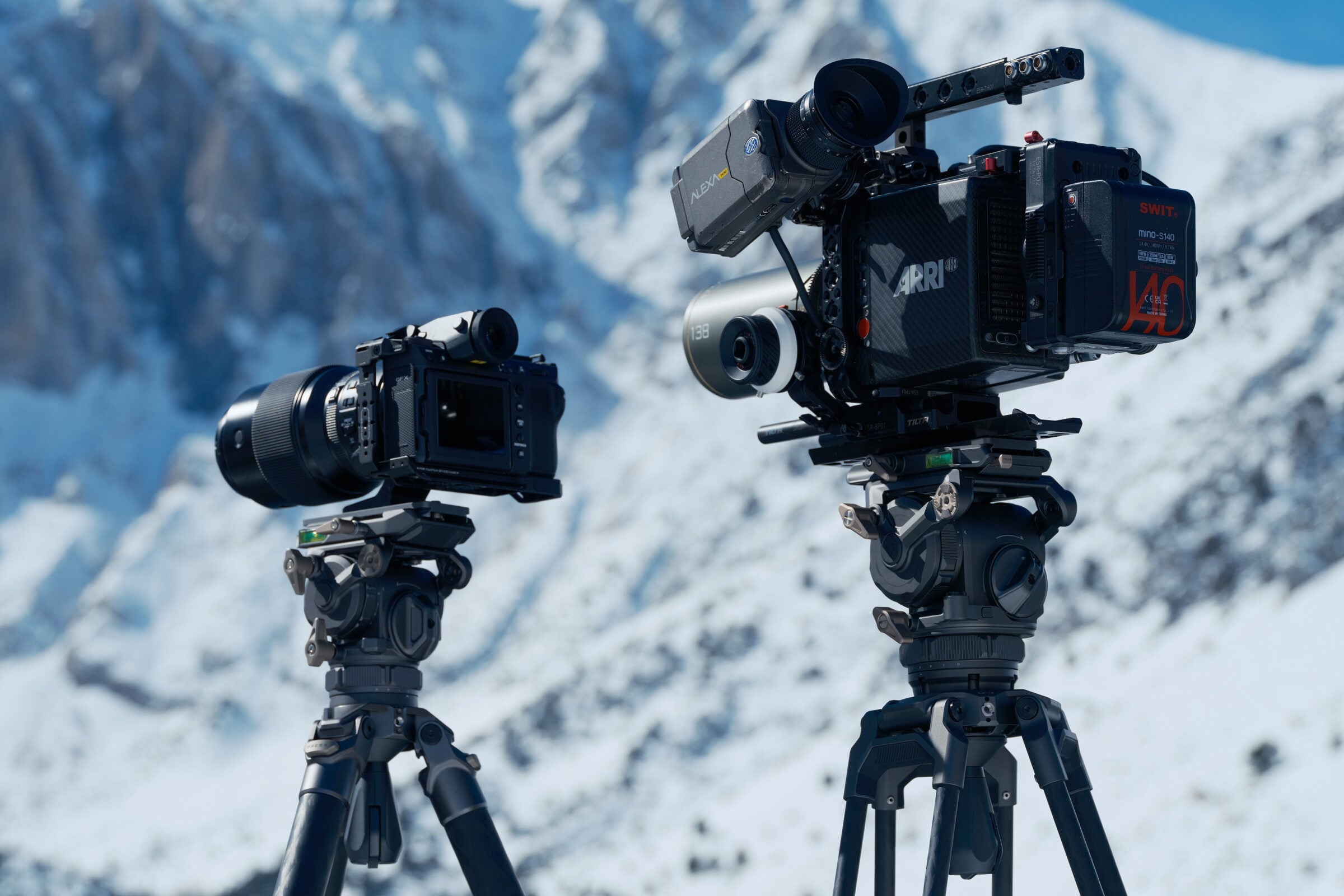
The camera is the most visible cost when you start a videography business, so this is where people fixate. In 2026 the workhorse for paid video is still a full-frame or APS-C hybrid from Sony, Canon, or Panasonic. A Sony a7 IV body runs about $2,500. A Sony FX30, APS-C and built for video, is near $1,000 for the body. The FX3 sits around $3,900. Canon shooters look at the R6 Mark II near $2,500. Once it is graded, any of these delivers footage a paying client cannot tell from a $6,000 camera.
Lenses matter more than the body, and they hold their value longer. A single fast zoom covers most jobs. A Sigma 24-70mm f/2.8 runs roughly $1,100. The Tamron 28-75mm f/2.8 is around $800 and gives you wide to portrait in one piece of glass. Add a 35mm or 50mm prime at f/1.4 for low light and interviews, maybe $400 to $900 used. Resist the urge to buy five lenses. Two good ones cover weddings, brand work, and corporate interviews with room to spare.
Here is my rule: buy used for bodies, buy carefully for lenses. A body loses value every release cycle, so a one-generation-old camera in good shape saves you 30 to 40 percent. Glass barely depreciates, so a used lens from a reputable seller like KEH or MPB is low risk. Budget a real camera kit at $3,500 to $5,500 if you start from nothing. This single category is usually half of what it costs to start a videography business.
Audio, light, and the gear people forget until the first job
Clients forgive soft footage. They will not forgive audio they cannot hear. The cheapest credibility upgrade you can make is sound. A DJI Mic 2 wireless kit runs about $350 and handles two speakers. That covers wedding vows, interviews, and run-and-gun brand work. For seated interviews, a shotgun like the Sennheiser MKE 600 at roughly $330 on a boom gives you cleaner room tone. Start with the wireless kit alone. Add the shotgun when an interview job pays for it.
Light is the other thing that separates amateur from paid work. A single bright LED panel changes what you can shoot indoors. An Aputure 600x sits around $1,100. Most people starting out do fine with an Amaran 200x or 300c in the $300 to $500 range, plus a softbox and a stand. One key light and a reflector will carry you through interviews, product work, and dim reception halls. You do not need a three-point cinema rig on day one.
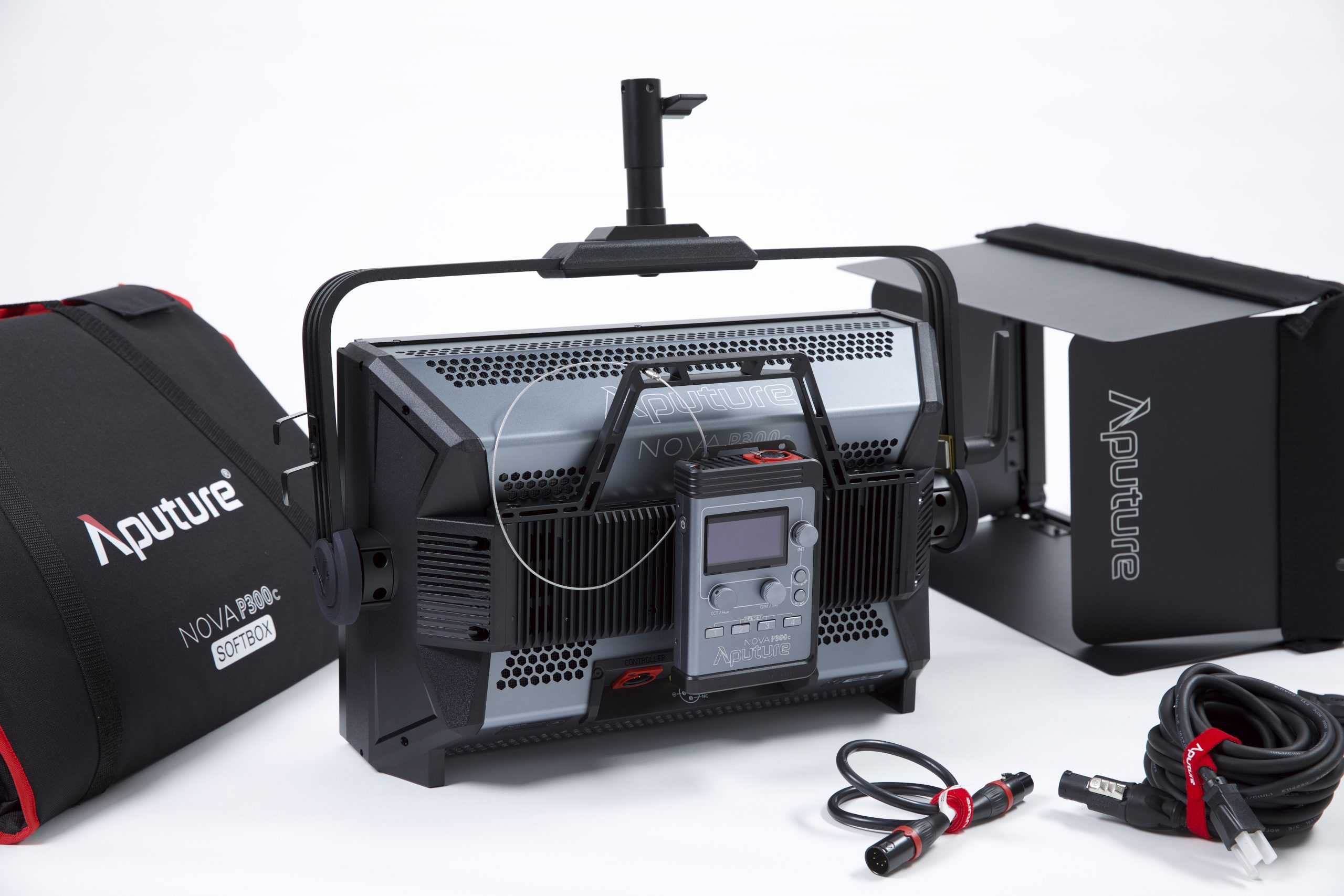
Then there is the gear you forget until the morning of the shoot:
- A fluid-head tripod that does not jerk on pans, $200 to $400.
- A gimbal like the DJI RS 3 for moving shots, about $550.
- CFexpress Type A cards, often $150 to $250 for 160GB, and you need at least two.
- Spare batteries, a stack of NP-FZ100s, plus a hard case.
Budget $1,000 to $1,500 for this category. Then you will not be the person apologizing on set because a card filled up mid-ceremony. None of this is glamorous, but it is what lets you start a videography business that survives its first booking.
Computer, storage, and software: the post-production bill
Post-production is where many people who start a videography business quietly bleed hours. A slow machine costs you billable time. In 2026 a Mac Mini M4 starts near $600. Configured with more RAM, it runs $1,000 to $1,400 and edits 4K from these cameras comfortably. If you need to cut on location, a MacBook Pro with an M4 Pro chip runs $2,000 and up. A Windows build with a recent Ryzen and an RTX card hits similar performance for less, if you are happy assembling one. Spend on RAM and a fast internal drive before raw core count.
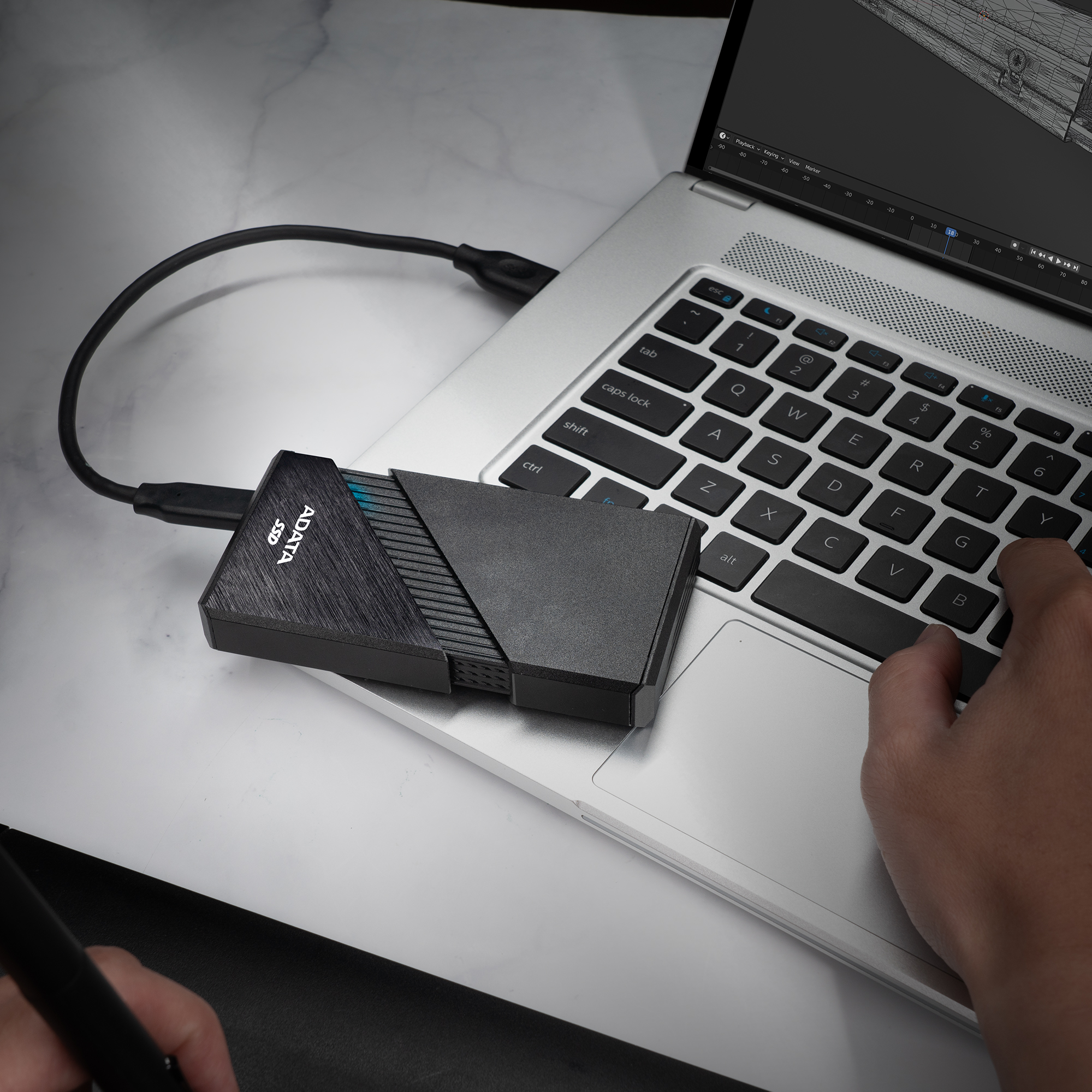
Storage is the recurring trap. Video eats space. A single wedding can generate 200GB to 500GB of footage. You need working drives and backup drives, because losing a client’s wedding is the one mistake that ends a business overnight. A practical setup looks like this: a fast external SSD for the project you are cutting, a large desktop drive for the archive, and a second copy offsite or in the cloud. Plan on $400 to $800 up front, plus a steady drip of new drives as your library grows.
Software is cheaper than it used to be. DaVinci Resolve is free and good enough to deliver paid work. The paid Studio version is a one-time $295, not a subscription. If you live in the Adobe ecosystem, Premiere Pro with the full Creative Cloud is around $60 a month, which adds up to $720 a year. Add a music license from Musicbed or Artlist at $200 to $300 a year, so you are not stealing tracks. For wedding work, read up on how to license music for your films legally before you deliver anything to a client.
The boring costs that make you a business, not a hobby
This is the part people skip when they start a videography business, and it protects everything else. Insurance comes first. General liability covers you if your light stand cracks a venue’s hardwood floor. Many wedding and corporate venues will not let you in without a certificate. Equipment insurance covers your gear against theft and damage. Together these run roughly $600 to $1,500 a year, depending on coverage and gear value. Compare that to replacing a stolen $5,000 kit out of pocket. It is the easiest yes in this whole budget.
Then the legal scaffolding. Forming an LLC costs $50 to $500 depending on your state, plus possible annual fees. Open a business bank account so April taxes are not a nightmare. And you need a written contract for every job: deposit terms, deliverables, timeline, cancellation, and usage rights. Start with a solid template and adapt it, but never shoot a paid job on a handshake. A clear agreement is the difference between a late client paying and you eating the loss.
Do not forget the cost of getting found. A simple website, a domain, and a place to host your reel might run $100 to $300 a year. A directory where buyers already search shortens the path to your first paid inquiry. You can add your profile to the BookVideographer directory and start showing up for the categories you actually shoot. If drone work is part of your plan, the FAA Part 107 exam in the US is $175, and that license is non-negotiable for paid aerial footage.
Two realistic starter budgets, line by line
Numbers in a vacuum are useless, so here are two builds. Both are realistic ways to start a videography business without maxing a credit card. The lean build assumes you want to shoot small brand videos, real estate, and the occasional event without going into debt:
- Sony FX30 body, used: $850
- Tamron 28-75mm f/2.8: $800
- DJI Mic 2 wireless kit: $350
- Amaran 200x light, stand, and softbox: $450
- Fluid-head tripod: $250
- Mac Mini M4 with upgraded RAM: $1,100
- Two SSDs plus an archive drive: $500
- Insurance, LLC, and website, first year: $1,200
That lands near $5,500, and every item earns its place. The mid build adds the pieces that open up weddings and higher-paying corporate work. You add a 35mm prime ($700), a DJI RS 3 gimbal ($550), the Sennheiser shotgun ($330), a second camera body for backup and a multicam angle ($2,500), and a Mavic-class drone with Part 107 ($935). That pushes you to roughly $11,000 to $12,000 all in. If you mostly shoot listings, study real estate video pricing and turnaround before you lock your kit, since fast delivery matters more there than cinema glass.
How fast can you make that money back?
The payback math is more encouraging than the sticker shock suggests. A wedding film in most markets books for $2,500 to $4,500. A brand video runs $1,500 to $6,000 depending on scope. A real estate listing video might be $300 to $700, but it takes half a day and turns around in 48 hours, so the volume adds up. Say your lean $5,500 build books three brand jobs at $2,000 each. The gear is paid off in your first busy month, and everything after is margin against your recurring costs.
The honest caveat: bookings are the hard part, not the gear. You can own a $20,000 kit and book nothing if no one knows you exist. Spend less on the camera than you want to. Put the savings into a reel that shows the exact work you want to be hired for. Then give more time than feels comfortable to getting in front of clients. Listing in the wedding category where couples are searching and answering inquiries within an hour will move your business faster than a new lens.
When you decide to start a videography business, set one hard rule: only buy the next piece of gear when a booked job requires it or pays for it. That single rule keeps you solvent through the first year, which is the year most people quit. Open a spreadsheet, copy the lean build above, and delete what you already own. The number left at the bottom is what it really costs you to start a videography business and go pro.