
A coffee brand asks three videographers to quote a month of Instagram and TikTok content. The first says $600. The second says $3,200. The third says $9,000. None of them are lying, and none is padding the number to rip you off. They are quoting three different products that happen to share the words “social media video.”
That spread is the whole problem with pinning down social media video cost. The format is loose, the deliverables are fuzzy, and the same client phrase (“a few reels”) can mean a half-day on someone’s iPhone or a full crew with a gimbal operator and a colorist. This guide breaks the pricing into the units people actually buy, so you can tell which quote you are really looking at, whether you are hiring or doing the quoting yourself.
What counts as a social media video in 2026
The phrase covers a lot of ground. On the cheap end, it is a 20-second vertical clip cut from footage someone else shot, with captions burned in and a trending audio track. On the expensive end, it is a scripted 60-second spot with talent, lighting, and a hook tested against two alternate edits. Both live on the same Reels tab, which is exactly why the quotes look so far apart.
Most paid social work in 2026 falls into three buckets. Short-form vertical for Reels, TikTok, and Shorts, running 9 to 90 seconds. Repurposed cutdowns, where one longer shoot gets sliced into eight or ten platform clips. And recurring content, where a social media videographer shoots a fresh batch every month so the brand never runs dry.
Knowing which bucket you are in changes the math more than any other factor. A one-off hero video is priced like a small commercial. A monthly batch is priced like a subscription, and the per-clip number drops hard once volume is in the deal. Before you compare two quotes, confirm they describe the same bucket. Most buyers skip that step, then wonder why two social media video cost quotes sit a mile apart.
What a social media video costs in 2026
Here are the ranges working videographers are actually charging in 2026, all in US dollars. Use them to sanity-check any social media video cost you get quoted. A single simple reel, edited from footage you provide, runs $150 to $400. A produced reel where the videographer shoots and edits runs $400 to $1,200, depending on location, talent, and how polished the cut needs to be. A scripted hero piece with a small crew, lighting, and a tested hook lands at $1,500 to $5,000 for one finished 30-to-60-second video.
The better value is almost always the batch. A half-day shoot that yields 6 to 10 clips typically costs $1,200 to $2,500, which works out to $150 to $300 per finished video. A full batch day producing 12 to 20 clips runs $2,000 to $4,500. Monthly retainers, where the videographer handles a shoot day plus edits and delivery on a schedule, sit at $2,000 to $8,000 a month. Most small-business deals cluster around $2,500 to $4,000.
Those numbers assume a solo operator or a two-person team in a mid-size US market. Add a third for a major metro like New York or Los Angeles. The line items hiding inside any social media video cost are shoot time, edit time, and revisions. A quote that does not name all three is a quote that will surprise you later.
What drives social media video cost up or down
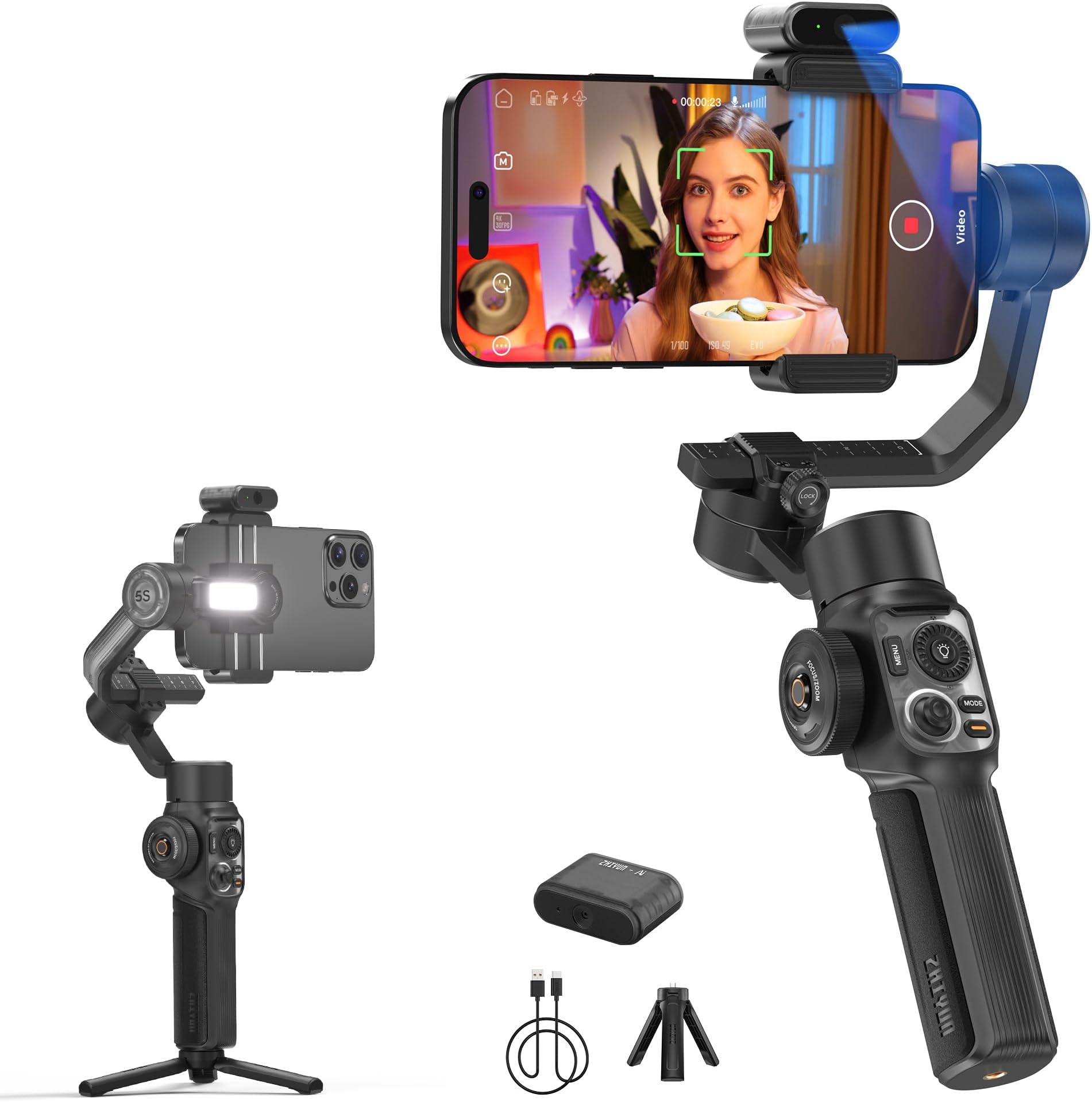
Shoot complexity is the biggest lever on any social media video cost. A videographer who shows up with a Sony FX30, a single light, and a Rode mic can move fast and price low. The moment you add a second camera, a gimbal operator running a DJI RS 4, paid talent, a location fee, or a hair and makeup artist, you are no longer buying social content. You are buying a small commercial that happens to be cut vertical, and the budget follows.
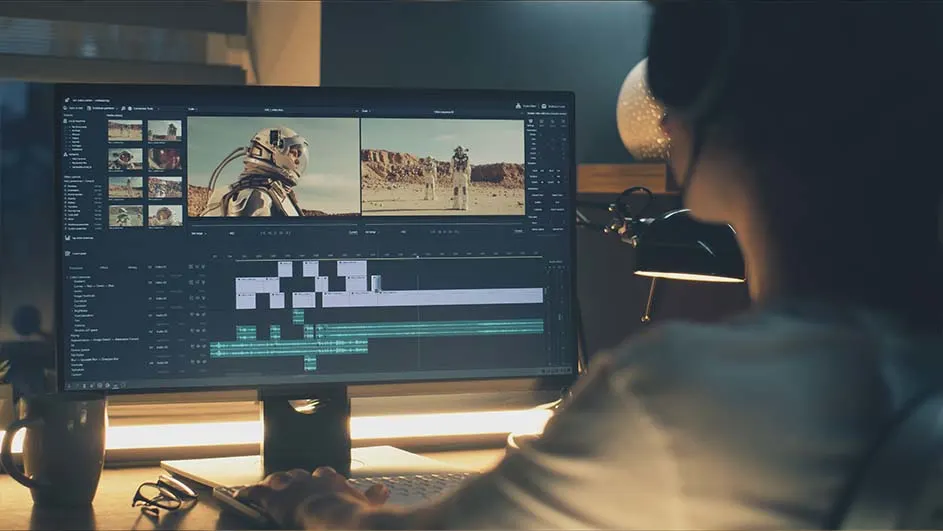
Edit intensity is the lever people underestimate. A straight cut with captions and a music bed might take an hour per clip. Add motion graphics, kinetic text synced to the beat, B-roll layering, and a proper color grade in DaVinci Resolve, and that same clip can eat three or four hours. When one videographer quotes $90 a reel and another quotes $350, the gap usually sits in the edit, not the shoot.
Three things reliably move a quote, and it pays to name them up front:
- Revision rounds. One included round is standard. Unlimited tweaks is a budget leak, and good contracts cap it at two.
- Usage and paid ads. Organic posting is one thing. Licensing the video for a paid ad campaign or a six-month run often carries a separate fee.
- Turnaround. A 48-hour rush on a product launch costs more than a comfortable two-week window.
If you are the one quoting, write those three into every estimate. If you are hiring, ask about all three before you compare numbers, because the cheapest headline price often hides the most expensive fine print.
Per-video pricing vs monthly content packages
Buying social video one clip at a time feels safe, but it is usually the most expensive way to manage your social media video cost. Every single booking carries the full cost of a setup: travel, gear haul, lighting, and the mental switching cost of a fresh concept. Spread that overhead across one deliverable and the per-video price stays high. This is why a standalone reel can cost $600 while a clip from a batch of twelve costs $200.
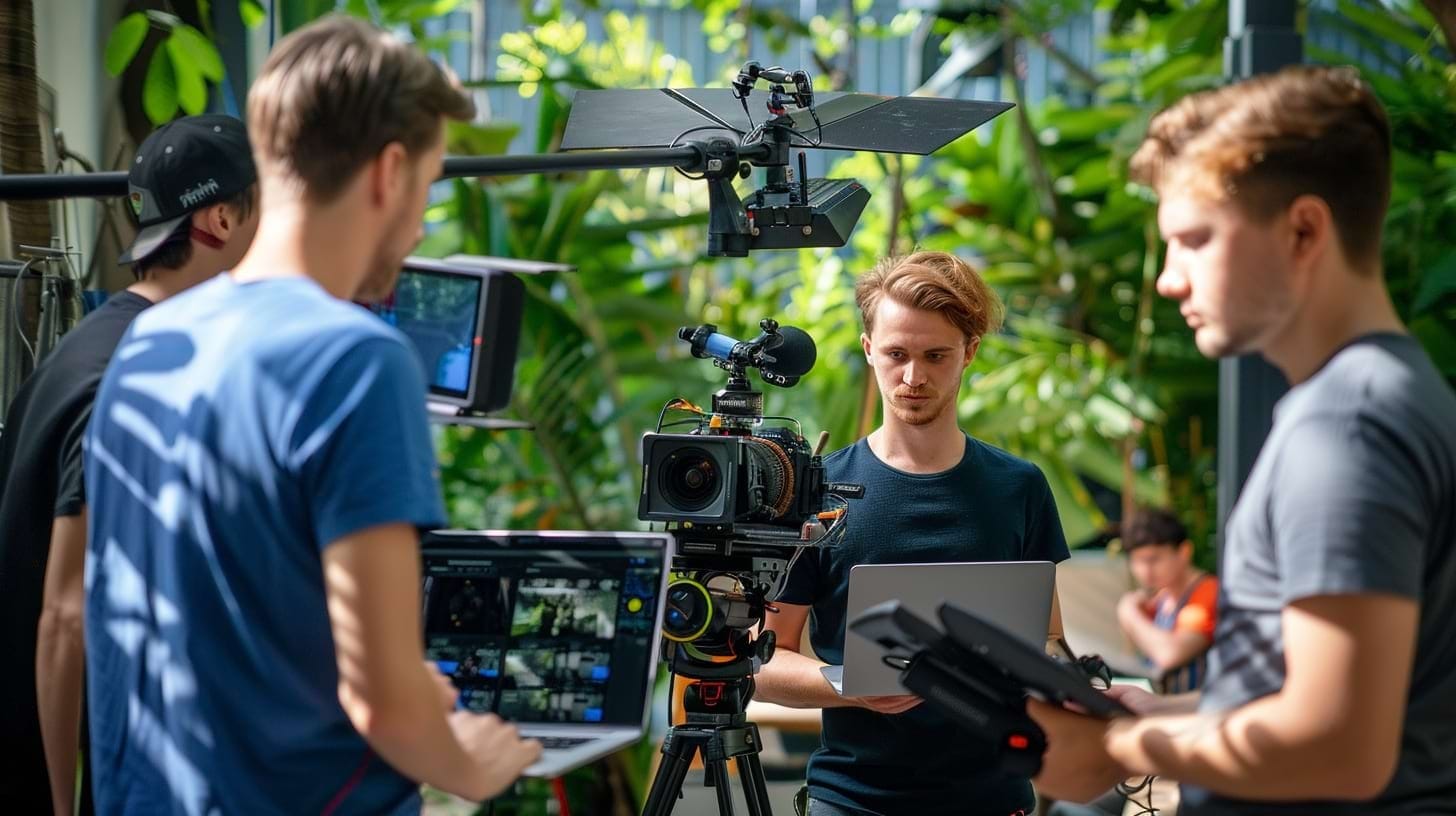
Monthly packages flip the economics. The videographer shoots a batch in one day, edits across the following week or two, and delivers on a calendar the brand can plan around. A typical 2026 package might be one shoot day, 12 finished vertical videos, two revision rounds per video, and delivery within ten business days, priced around $3,000 to $4,000 a month. For a business posting four or five times a week, that is the only model that keeps the budget sane.
The tradeoff is commitment. Retainers usually run on a three or six month minimum, because the videographer is holding shoot days on a calendar and building a content system around your brand. If you are not sure you will keep posting, start with a single batch day and see whether you actually use the footage before you lock into a package. Plenty of brands buy a retainer and then leave half the clips unposted, which is an expensive way to learn you were not ready.
The platform and aspect-ratio tax
Clients often assume one video covers every platform. It does not, and the gap costs real money. A clip framed for vertical 9:16 does not drop cleanly into a 16:9 YouTube slot or a 1:1 feed post. Reframing, re-exporting, and nudging caption placement for each platform all take edit time. Some videographers charge per aspect-ratio version, while others bundle two or three into the base price.
Safe-zone framing is the part buyers never see coming. On TikTok and Reels, the right third of the screen sits under the like, comment, and share buttons, and the bottom is covered by the caption and username. A videographer who knows the platform frames around those dead zones from the start. One who treats it like a horizontal edit cropped to vertical will hand you clips with text buried under the share button, and fixing that later is a re-edit, not a tweak.
When you brief the shoot, name the exact platforms and ratios up front. “Vertical for Reels and TikTok, plus a 1:1 version for the feed” is a clear scope a videographer can price in one line. “Just make it work everywhere” is the vague ask that either inflates the quote to cover the unknown or guarantees a change-order fight later. On social media video cost, specificity is the cheapest discount you will ever get.
What should be in the deliverables
A fair quote spells out what lands in your folder, which is the real driver of social media video cost, not just what happens on shoot day. At minimum, get the count of finished videos, the resolution and aspect ratios, the number of revision rounds, and the delivery timeline in writing. For social work, also confirm you receive the videos with captions burned in, plus a separate caption-free version so you can run paid ads or swap text later without going back to the editor.
Raw footage is its own conversation. Most social packages do not include the raw files, and the same logic applies here as it does anywhere else in the craft, which is why it is worth reading up on whether to ask your videographer for the raw footage before you assume it is yours. If you want the project files or the unused clips, negotiate that into the contract and expect to pay for it. Storage and archival are real costs, and “send me everything” is not a free request.
Music licensing matters more on social than people expect. A trending audio track from the TikTok library is fine for organic posting on that platform, but it is not cleared for a paid ad or for use on your own website. A professional delivers social clips with properly licensed music from a service like Epidemic Sound or Artlist when the use case calls for it. If your videographer cannot say where the audio came from and how it is licensed, that gap can get a paid campaign pulled.
How to brief the shoot so you don’t overpay
Most of what determines social media video cost is decided before the camera comes out. The brands that get good social video cheaply are the ones who show up with a plan. Before you ask for a quote, decide how many videos you need per month, which platforms they run on, whether any need paid talent or a specific location, and how fast you need them. Hand a videographer those four answers and you get a tight, accurate number. Hand them a vague “we want to do more on social” and you get a padded one, because they are pricing in the risk of your scope creep.
Batch your thinking the way the shoot gets batched. If you can give a videographer ten concepts at once, they can shoot all ten in a day and your per-video cost collapses. Feed them one idea a week and every clip carries full overhead, so you pay a premium for the privilege. The same holds on the production side: videographers who want to raise their effective rate should be selling batch days and retainers, not one-off reels, because the pricing math on recurring work rewards volume for both sides.
If you are a videographer setting your own rates, anchor on your day rate first, then work backward to a per-clip number that protects your edit time. A common mistake is quoting $150 a reel without counting the three hours of editing each one really takes, which quietly pays you below minimum wage. List your batch and retainer options clearly, the way the stronger profiles do, and let clients self-select into the volume that makes the economics work. If you want inbound leads for this kind of work, getting listed where buyers are already searching beats cold outreach, which is the point of how a directory connects brands with videographers.
Where to land on a number
The honest version of social media video cost is a range, not a number, and the range is set by how clearly you scope the work. Decide your monthly volume, your platforms, and your turnaround before you ask anyone to quote. Then compare on deliverables rather than headline price.
Run the quick gut check on any bid. A $3,000 batch day that yields twelve usable, platform-native clips beats a $600 hero video you post once and forget, almost every time. Look at the per-clip number, not the total, and ask what you will actually publish from it. A cheap quote that produces two postable clips is not cheap, no matter how good the social media video cost looks on paper.
If you are still unsure, buy small first. One batch day tells you more about a videographer than any portfolio, and it caps your risk while you learn how the footage performs. Get that first round right and the monthly package becomes an easy yes, because by then you are buying a known quantity instead of a guess.