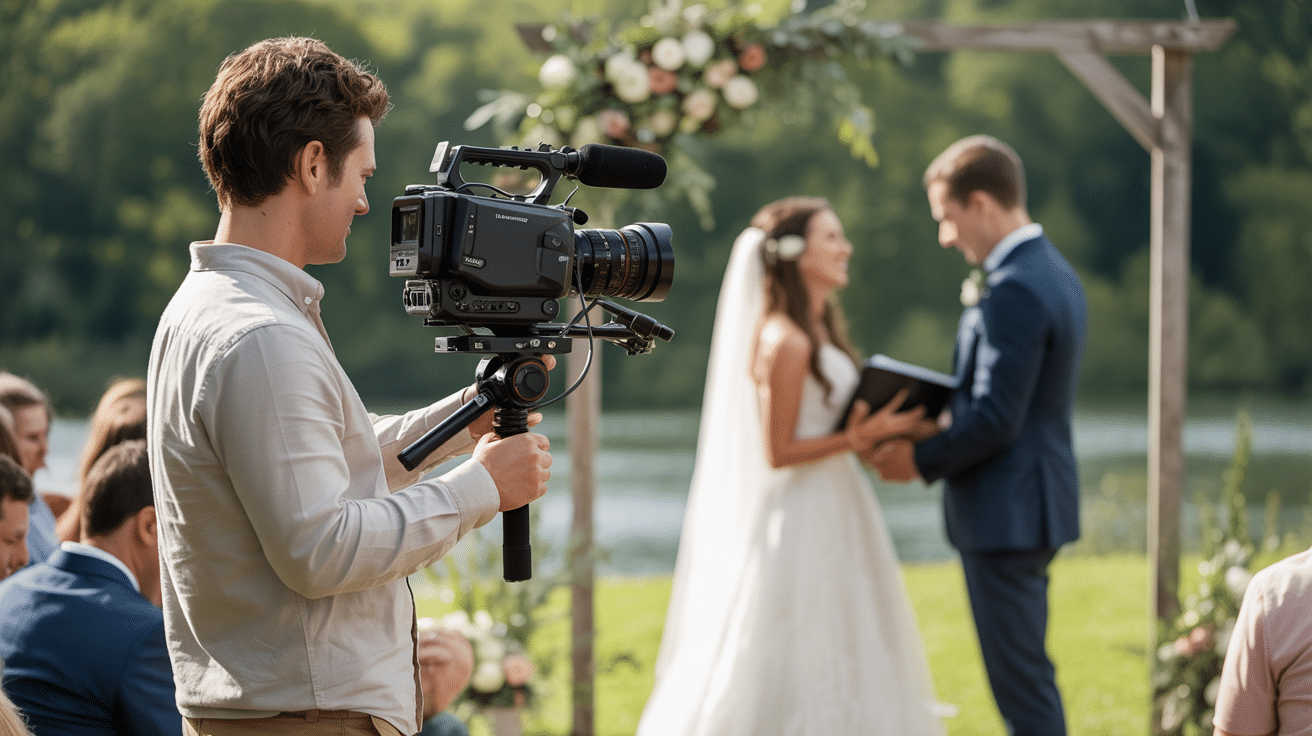
Your ceremony ends at 4 p.m. By 8:30, the dinner plates are cleared. A two-minute film of your morning, your vows, and your first kiss starts playing on a screen behind the head table. Your guests are still holding their drinks. That is a same-day edit wedding video, and couples either love the idea or have never heard of it. Here is what it actually costs to add, why the number looks high, and the cases where it is genuinely worth the money.
What a same-day edit actually is
A same-day edit, often shortened to SDE, is a short highlight film cut and screened during the same wedding it was shot at. The videographer captures the getting-ready footage, the ceremony, and a few portrait moments in the early afternoon. Then they edit on a laptop in the gap before the reception. The finished piece runs roughly 90 seconds to four minutes. It plays during dinner or right before the first dance.
This is a different deliverable from your full highlight film and your documentary edit, which both arrive weeks later. The SDE is fast and scrappy by necessity. It is built for a room full of people watching together for the first time. It leans on the strongest shots the team already has by 6 p.m. Nobody is color grading every clip or chasing a perfect audio sync. The goal is an emotional two minutes that lands in the room, not a festival cut.
A typical SDE follows a simple arc. It opens on the morning details, moves through the vows and the first kiss, and lands on a high from the portraits or the confetti exit. Most teams cut it to one song, around two and a half minutes, because a longer film loses a dinner crowd. Short and punchy beats long and complete every time here.
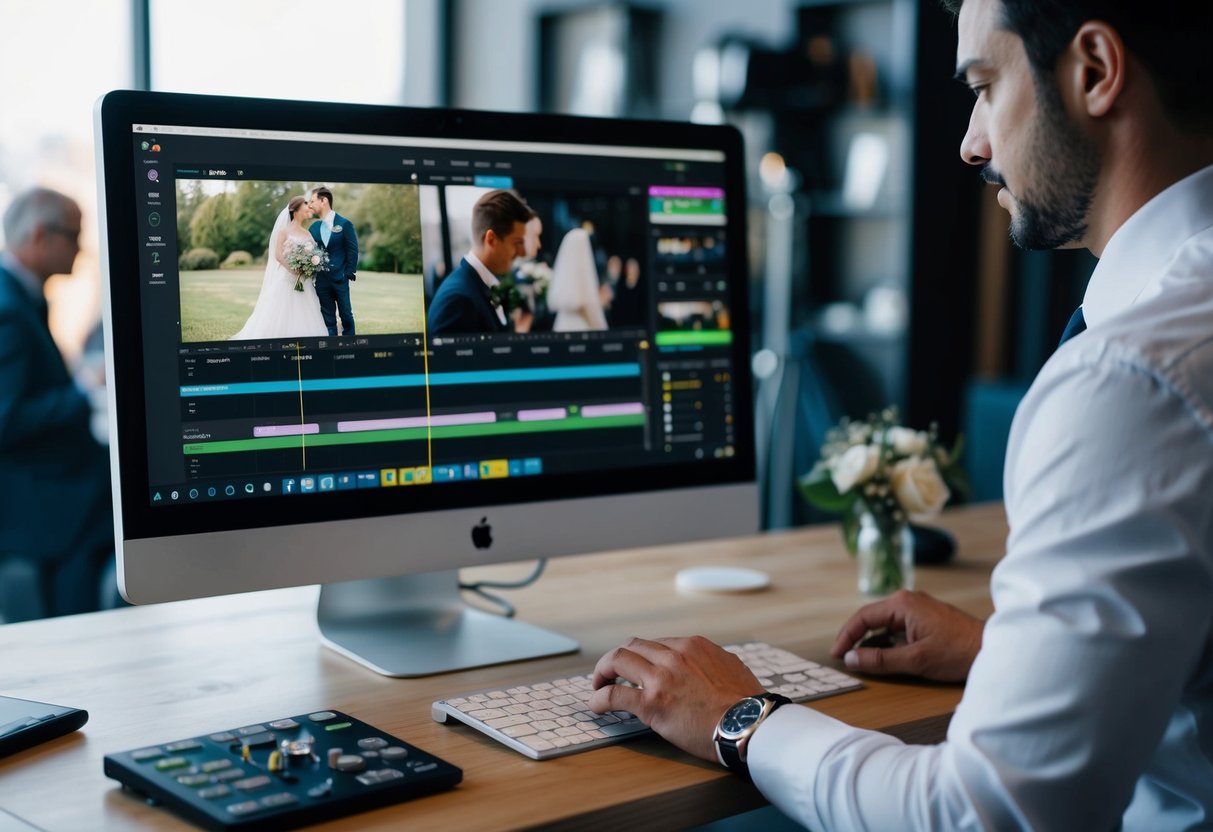
The format started in the Philippines in the early 2000s. It spread through Asia before catching on with cinematic wedding teams in the US, UK, and Australia. You will see it marketed most aggressively by studios that shoot large multicamera weddings. They already carry the crew to pull it off, so the add-on costs them less to staff. My honest take: a good SDE is one of the few wedding upsells that earns its price, but only when the night is built to show it.
What does a same-day edit wedding video cost to add?
A same-day edit wedding video typically adds $800 to $2,500 on top of your base wedding film package. The spread is wide because the work behind it varies a lot. Here is roughly where the tiers fall:
- Solo shooter cutting a 90-second piece from one camera: $800 to $1,200.
- Small studio sending a dedicated on-site editor: $1,500 to $2,500.
- Premium teams in major markets, with a vertical social cut: $3,000 and up.
The number reflects labor you cannot see on the invoice. Someone is either working a second job during your reception, or an extra person is on payroll for the day. In cities like New York, Los Angeles, or London, premium teams price the SDE at the top of that range. That usually buys a same-night social cut formatted for vertical video, so you can post it before the sparkler exit.
What pushes a quote toward $2,500 is rarely greed. It is travel distance, a second editor’s day rate, and a venue with no power or no dark corner to work in. Peak Saturday dates in summer carry their own premium before the SDE is even added. If a studio quotes you $900 for a same-day edit at a 300-guest wedding, read the fine print, because someone is cutting a corner you will feel in the room.
Few videographers list this as a flat line item. Most fold it into a higher package tier. Others quote it custom once they know your timeline. If your day has a tight turnaround between ceremony and reception, expect the price to climb. That compression is exactly what makes the edit hard. You can compare full wedding film packages and see where this add-on usually sits on our wedding videographer directory. The pricing overview gives you a sense of base rates before any extras land on the quote.
Why it costs that much
The price makes sense once you watch the back half of the day from the editor’s seat. You are cutting footage you shot hours ago. The venue is not yours to control. The laptop runs on battery. The deadline does not move. It is one of the most stressful jobs in wedding production.
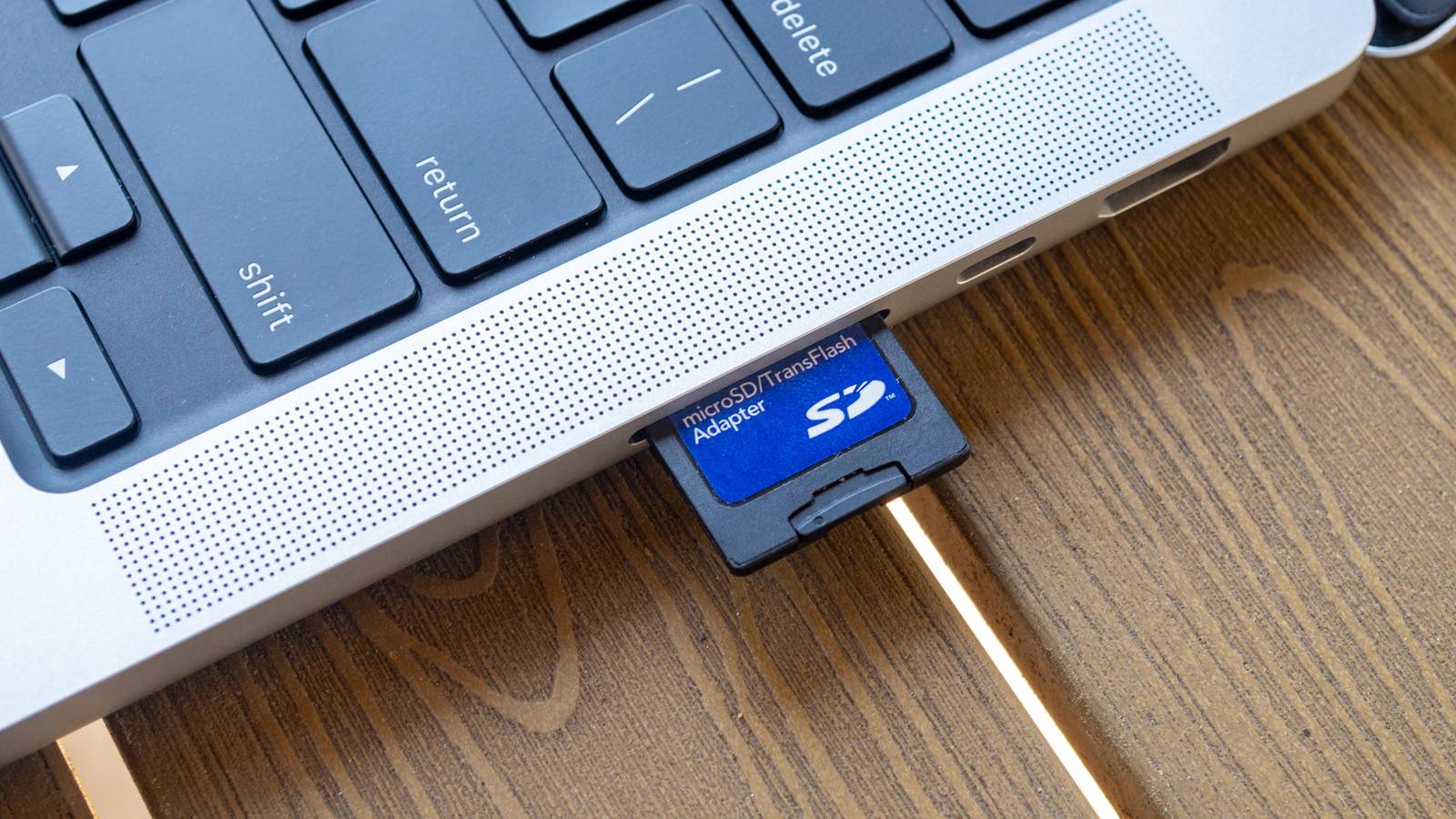
Start with the technical load. A morning of filming on a Sony FX3 or a pair of Canon R5 bodies generates 100 to 300 gigabytes of footage. In a few hours, the editor has to:
- Offload every card and back it up safely.
- Sort the usable takes from the throwaways.
- Sync external audio from the ceremony recorder.
- Assemble a story that actually holds together.
All of that happens in a three to five hour window while cocktail hour and dinner run. There is no time to fix a missed moment. If the first kiss was blocked by the officiant, that shot is simply gone.
Then there is the staffing math. A clean SDE needs the filming crew to keep shooting the reception while a separate editor builds the cut. That is one more skilled person for the full day. Add their gear, plus the risk that a venue has no quiet corner and no reliable power. Reception lighting changes. The DJ wants the screen for his own playlist. The timeline slips by 40 minutes. The videographer absorbs all of that uncertainty into a fixed price, which is why the quote carries a real premium over your standard delivery.
Run the real timeline in your head. The ceremony wraps at 4:30, the editor gets the cards by 5, and the screening is locked for 8:15 during the salad course. That is barely three hours to build something people will cry at. One corrupted card or a toast that runs 30 minutes long, and the buffer is gone. The good editors plan for exactly that and lock a rough cut an hour early.
Is a same-day edit worth it for your wedding?
This depends almost entirely on your reception format and your guest list. The SDE shines when you have a captive audience at a plated dinner. It works when your crowd is built around toasts and shared moments. It pays off when family traveled a long way to be there. Playing the film for grandparents who may not be around for the one-year anniversary is the kind of thing couples call the best $1,500 they spent. The reaction in the room is the product, not the file.
One scenario sells it better than any pitch. Think of a destination wedding in Tuscany, where half the guests flew in from three countries and scatter the next morning. The SDE is the only time the whole group sits together and relives the day before everyone heads home. That is the wedding where I would never skip it, budget allowing.
It is a weaker buy in a few specific cases. A loose cocktail-style reception, where guests mingle and nobody sits down, has no natural moment to dim the lights. A very short gap between ceremony and reception, say 90 minutes, can make a polished edit nearly impossible. A rushed cut undersells your whole day. If your budget is fixed, the money often goes further on a second shooter or drone coverage that improves every deliverable, not just the one that plays once.
There is also an opportunity cost most couples miss. The editor cutting your SDE is not filming your reception. Unless the team staffs both roles, you are trading some reception coverage for the dinner screening. Ask directly how they handle it. A good studio will tell you their crew count and exactly who is doing what at 7 p.m. Most couples overspend on the screening and underspend on the coverage, so weigh that trade honestly before you sign anything.
Questions to ask your videographer before booking one
A same-day edit is only as good as the plan behind it. The conversation before you book matters more than the marketing reel. Get specific. Vague answers here are the warning sign you want to catch early.
- How many people are on the crew, and does the SDE editor also film, or is that a separate person?
- What is the minimum gap you need between the ceremony and the reception screening to deliver well?
- What happens to my reception coverage while the edit is being built?
- Who supplies the screen, projector, and audio feed, you or the venue, and have you confirmed it works?
- Will I also get a separate, fully graded highlight film later, and how long does that take?
That last point trips couples up. The SDE is not your final film. Editing the full piece still takes the normal turnaround. You can read how that timeline works in our breakdown of wedding video delivery and editing. Treat the SDE as a live event inside your wedding, with its own technical requirements. Confirm the deliverables in writing. A solid wedding videography contract should name the SDE length, the screening time, and what the team is responsible for at the venue.
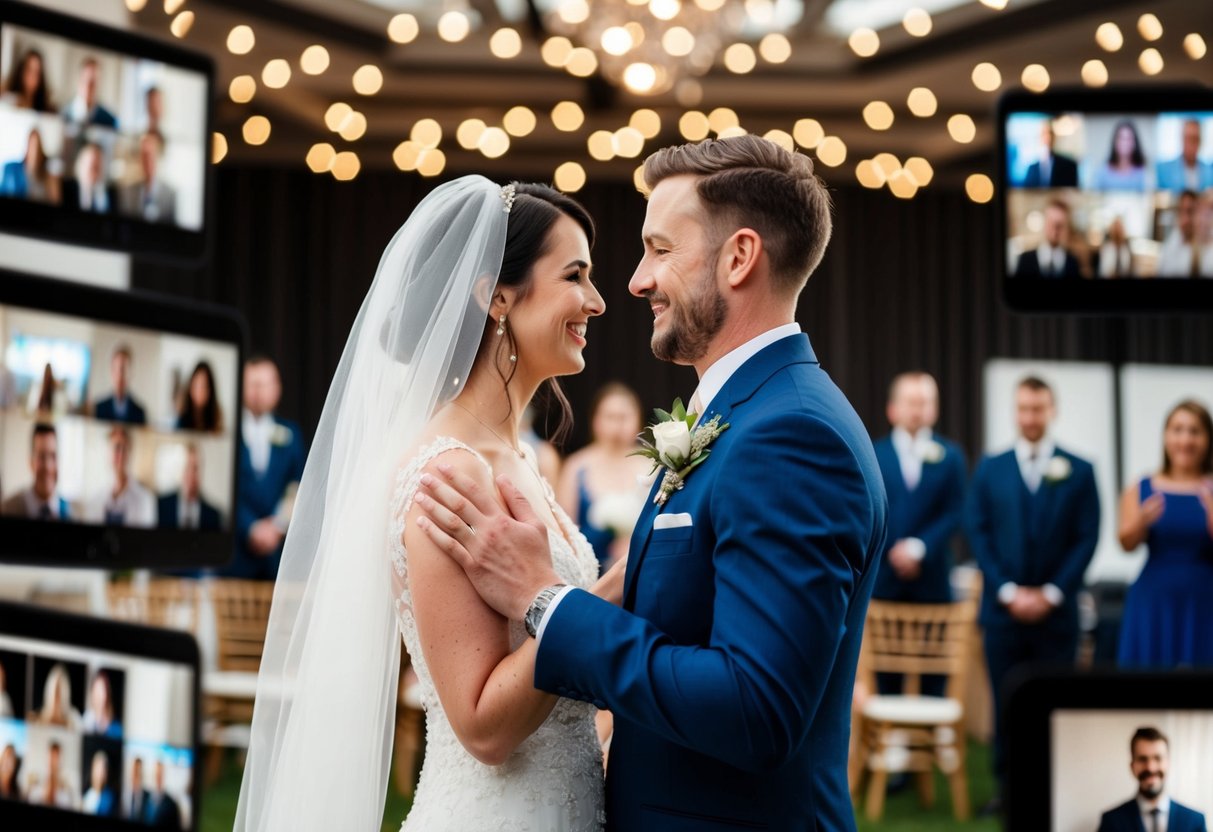
If the answers are confident and specific, you are probably dealing with a team that has done this many times. If they hedge on crew size or the gap they need, that hesitation tells you the SDE is not really part of their core offering. You may be paying for a stressful experiment on your wedding day. Push on the projection setup in particular, because a dead HDMI feed at 8 p.m. ruins the whole add-on no matter how good the edit is.
For videographers: how to price and survive the SDE
If you shoot weddings and clients keep asking for same-day edits, price the labor honestly and protect yourself in the contract. The mistake new shooters make is quoting the SDE as a small upsell. Then they realize they have committed to four hours of high-pressure editing during an event they are also supposed to be filming. Do not sell it as a solo if you cannot deliver it as a solo.
The cleaner model is to add a dedicated editor to the day. Price the SDE at $1,200 to $2,000 so it covers that person plus your overhead. Build your workflow around speed before you ever take the booking:
- Shoot with the edit in mind and log your best takes on the cards as you go.
- Carry a fast laptop with proxy-friendly software like DaVinci Resolve or Premiere.
- Bring your own power, a portable monitor, and an HDMI run you have already tested.
- Pre-build a project template with your music bed and title cards.
That template matters more than people expect. You want to drop clips into a structure, not start from a blank timeline at 6 p.m. with the cocktail hour ticking.
Write the constraints into your agreement. Specify the minimum ceremony-to-reception gap you need. Name who provides the projection setup. Add a clause that the SDE is a best-effort live deliverable, subject to the day’s timeline. If you want more couples to find you for this premium work, a complete profile on a wedding videographer directory and a clear listing through our join page both help. The real differentiator is a same-day edit wedding video you can deliver under pressure, without wrecking your reception coverage.
One more contract line saves you grief: a fallback. State in writing that if the timeline collapses or the venue cannot project, you deliver the SDE the next morning instead of live. Couples accept that readily when it is set in advance. They do not accept a no-show edit they were promised. Protect the relationship, not just the fee.
Before you book or sell one, get the reception timeline on paper. Confirm there is a real moment to screen the film. If there is no point in the night when the room sits down and the lights can drop, the most beautiful two-minute edit in the world has nowhere to play.