You are reading two quotes for the same wedding. One person calls themselves a videographer and asks for $2,800. The other goes by cinematographer and wants $7,500. Same date, same venue, the same eight hours of coverage. So what are you actually paying double for, and is the job title doing any real work here?
The videographer vs cinematographer debate gets treated like a clean line between amateur and artist. It is not that simple. The titles overlap. They get used loosely. Plenty of people who shoot beautiful footage will answer to either one, depending on who is asking. What matters for your booking decision is the work behind the word, not the word on the website. Let me break down what each term usually signals and where the real differences live. The goal is to read past the label so you neither overpay nor underbook.
The short answer, then the honest caveat
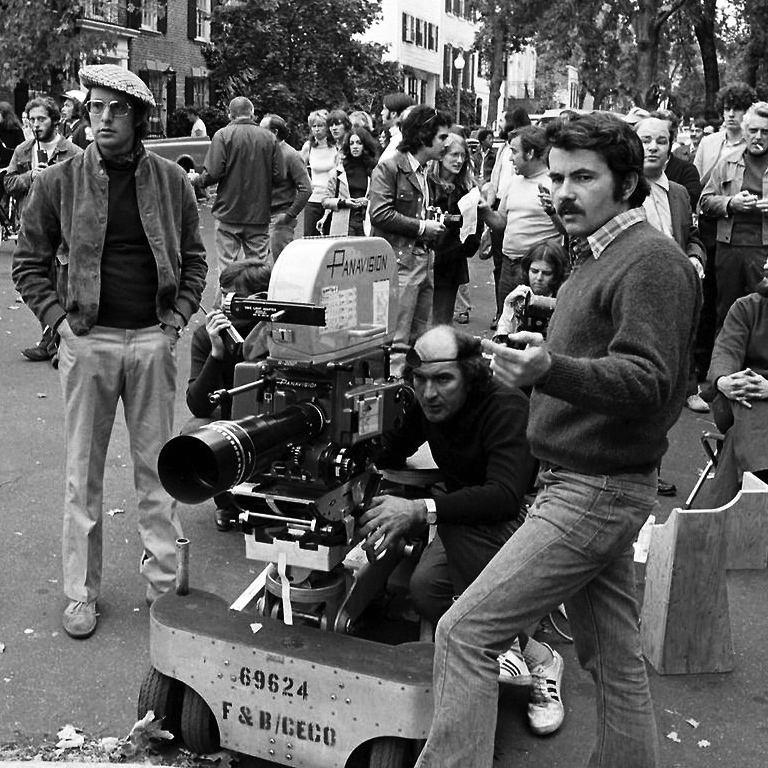
A videographer typically records events as they happen: weddings, conferences, real estate walkthroughs, interviews. Often a single operator, sometimes a two-person team, working with available light and a run-and-gun mindset. A cinematographer usually means someone who lights and composes a scene with intent. The work often happens on a larger crew, building images rather than just capturing them. The word carries a film-industry lineage: director of photography, camera department, the whole apparatus.
Here is the caveat nobody likes to say out loud: there is no certification that separates the two. No board hands out a cinematographer badge. Picture a wedding shooter who lights a reception, directs a portrait sequence, and grades the footage in DaVinci Resolve. That is cinematography, whatever the invoice says. And someone can put cinematographer on Instagram while shooting everything on a gimbal in auto mode. The title tells you how a person wants to be seen. The reel tells you what they can actually do.

So treat the distinction as a rough signal about approach and budget, not a guarantee of quality. When you line up those two wedding quotes side by side, the gap is rarely about raw talent. It comes down to crew, gear, hours of post, and how much creative control you are buying.
What a videographer actually does on a job
Think about a corporate conference. The videographer shows up with a Sony FX3 or a Canon C70, maybe a second body. Add a couple of lavalier mics, an LED panel for interviews, and a sturdy tripod. The job is coverage: capture the keynote cleanly, grab b-roll of attendees, record three testimonial interviews in a side room. Then deliver a tidy three-minute recap by the following week. Reliability beats artistry here. The client needs the moment documented without drama.
That skill set is real and badly underrated. A good event videographer pulls clean audio straight from the soundboard feed. Exposure stays locked when a speaker walks from a bright stage into shadow. The handshake and the award never get missed. They move fast, usually solo or with a single assistant, and they keep the timeline ticking. Most wedding work, most real estate work, and a lot of corporate and social content falls squarely in this lane. If you are hiring for an event, you are almost always hiring a videographer. The listing may say otherwise. You can scan the people who do this kind of coverage in the event videographer listings.
Pricing follows the model. A solo videographer charges for time and a deliverable: a day rate plus editing. Expect a turnaround of one to four weeks. A wedding usually means a highlight film plus a longer documentary edit. Ask up front and you can get vertical cutdowns for social, too. The overhead is one person and a camera bag, so the number stays accessible. That is exactly why most couples and small businesses land here without ever debating the title.
What a cinematographer actually does
Now picture a brand film for a watch company. The cinematographer is not just pressing record. They decide where the key light sits and what the contrast ratio should be. The lens choice matters too: it sets how much the background compresses the way the director wants. On that shoot they might reach for a macro lens to catch the second hand sweeping. Then a 50mm prime at T1.4 melts the workshop behind the talent into soft blur. They work alongside a gaffer who rigs the lighting and a focus puller who keeps a moving subject sharp. A grip builds the camera moves on a slider or a dolly. The cinematographer owns the look. That means composition, lighting, lens choice, camera movement, and the color intent finished in the grade.
This is a department, not a person. On a real set, the cinematographer (or director of photography) collaborates with a director. Together they turn a creative vision into actual images. The gear scales up to match: a cinema camera like the ARRI Alexa Mini or a RED body. Add a set of prime lenses and lighting that runs into the thousands per day to rent. The footage is shot to be pushed hard in post, often in log or raw. A colorist may spend a full day or more on the grade alone.
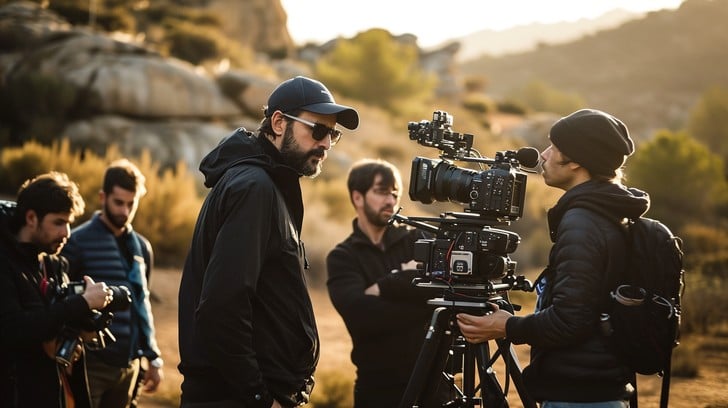
You hire a cinematographer when the image itself is the product: commercials, music videos, narrative shorts, high-end brand work. If your project lives or dies on how it looks rather than what it documents, this is your role. Browse commercial videographers and brand film specialists to see how that higher-craft work tends to present itself.
Videographer vs cinematographer pricing in 2026
Money is where the videographer vs cinematographer split gets concrete. A solo wedding or event videographer in most US markets runs $1,500 to $4,000. That covers a day of coverage plus an edited film. Real estate video sits lower, often $250 to $800 per listing. Corporate recap and interview work lands around $1,200 to $3,500 a day depending on crew and deliverables. One person, owned gear, a manageable post workflow.
Cinematography priced as a craft, with a crew, climbs fast. A director of photography day rate alone runs $800 to $2,500 in regional markets, and more in major cities. That is before the camera package, lighting, grip equipment, and the rest of the team. A produced brand film usually has a small crew, a half day of lighting setup, and a proper grade. That commonly lands between $8,000 and $25,000. A national commercial with a full crew can run six figures. The footage costs more because the inputs cost more: more people, more gear, more hours in post.
A few things push a quote out of videographer territory and into cinematographer territory:
- A dedicated lighting setup with a gaffer rather than available light
- Cinema cameras and prime lenses instead of a single hybrid mirrorless body
- A separate colorist doing a full grade, not a one-pass LUT
- A multi-person crew with defined roles
- Storyboarding and a shot list built before the shoot day
Watch the add-ons too, because they move the final invoice more than the headline rate does. A licensed pilot for aerial and drone coverage typically adds $400 to $1,500 a day. The FAA requires that pilot to hold a Part 107 certificate for any paid work. A second shooter on a wedding runs $500 to $1,200. Rush delivery, raw footage handoff, and extra revision rounds each carry their own line item. Read the quote line by line. Two numbers that look identical up top can diverge by thousands once the extras get added in.
If a quote includes none of the craft items above, you are paying for cinematography in name only. That is where cheap-sounding bookings hide expensive surprises. If it includes most of them, the higher number is buying real production value rather than a fancier title. Our pricing overview breaks down how these ranges shift by project type.
Which one does your project actually need?
Match the role to the stakes and the deliverable. For a wedding, the honest answer is that most couples want documentary coverage shot well. They want one talented operator or a two-person team who captures the day and cuts a moving highlight film. That is videography, and it is the right call for the vast majority of budgets. You only step up to a cinematographer-level wedding team when you genuinely want a stylized film. That means lighting and directed portrait sequences, and a budget of $7,000-plus. Both are valid. They are simply different products, and most couples overspend the moment they confuse the two.
As a rough rule of thumb:
- Weddings and events: a videographer, unless you specifically want a stylized film
- Real estate and social content: a videographer, every time
- Commercials, brand films, and music videos: a cinematographer
For real estate, you almost never need a cinematographer. A clean, well-exposed walkthrough that sells the space is the goal. A good real estate videographer delivers exactly that on a fast turnaround. Spend the leftover money on a second listing instead of a film crew for one. Compare options in the real estate video listings.

Corporate work sits in the middle and trips people up the most. A conference recap or a talking-head explainer is videography, full stop. Paying cinematographer rates there is money lit on fire. But a flagship recruiting film or a founder story that headlines the homepage is different. It can justify the lighting, the second camera, and the careful grade. The test is simple: will this video sell on its visual polish, or just inform? Inform leans videographer, sell leans cinematographer.
For a brand film, a commercial, or a music video, the calculus flips entirely. These pieces compete for attention against polished work, and the look carries the message. Here the craft of a cinematographer earns its cost. A flat, evenly lit product video reads as cheap no matter how sharp the script is. The same product, shot with intent, reads as a brand worth trusting. Shadow, shape, and a considered color palette do the work. When the image is the argument, pay for the image.
Job titles are slippery, so read the work instead
Because anyone can use either word, stop weighting the title and start interrogating the portfolio. Watch a full edited piece, not a sizzle reel cut to music. A sizzle reel hides weak coverage behind fast cuts. A complete wedding film or a finished brand piece tells you more. It shows whether the person can sustain a look, hold focus, and light a room. Can they tell a story across minutes rather than seconds?
Look specifically at the hard parts. How do they handle a dim reception or a backlit window? Are interviews lit or just recorded? Is the color consistent shot to shot, or does skin tone drift between cameras? Does the camera move with purpose, or does it wander? These tells reveal craft no matter what the person calls themselves. A videographer whose work shows real lighting and grading control may serve you better. A self-described cinematographer whose reel is all gimbal swoops has no substance to offer.
Also ask who actually shows up on the day. Some single operators subcontract the parts they cannot cover. That is fine when disclosed, and a real problem when it is not. Understanding how booking works on a directory helps you confirm exactly who will be on your job. You learn what they personally shot.
Questions to ask before you book either one
A short, pointed conversation settles the videographer vs cinematographer question faster than any label. Ask these and listen for specifics rather than vibes:
- Will you light my shoot or work with available light, and why?
- Who is on the crew, and what is each person responsible for?
- What camera and lenses will you use, and will you shoot log or raw?
- Who grades the footage, and how many revision rounds are included?
- Can I see one full project, start to finish, similar to mine?
The answers map directly to price and to what you will receive. Someone who lights, runs a crew, and grades with care is offering cinematography, and the higher quote follows the work. Someone who shoots fast and solo with available light is offering videography. The lower quote is appropriate, and often exactly what you need. Neither answer is wrong. The mismatch only shows up in two ways. You pay cinematographer rates for videographer output, or you expect a film-set look on a one-person coverage budget.
Before you sign anything, name the deliverable you actually care about and ask which role serves it best. Then read a few more hiring guides on the blog. Watch one full piece from anyone you are seriously considering. Whichever way your videographer vs cinematographer comparison lands, trust the finished work. It answers the question better than the title on the invoice ever could.