A SaaS founder asks five vendors for a two-minute product explainer and gets quotes of $850, $2,400, $6,000, $9,500, and $14,000. Same brief, same runtime, a 16x spread. That gap is not random, and it is not a scam. It maps to real differences in crew, gear, scripting, and editing hours behind the final cut. Understanding YouTube video production cost means understanding what each of those numbers is actually paying for.
This guide breaks down the ranges you will see in 2026. It covers what moves a quote up or down, and where you can cut without the result looking cheap. It is written for the person signing the invoice. Working videographers will find the pricing logic useful for their own packages too.
What you are actually paying for
A YouTube video is not one cost. It is three phases stacked on top of each other, and each one can be lean or expensive on its own.
Pre-production is the planning: scripting, storyboarding, casting, location scouting, shot lists, and scheduling. For a talking-head founder video this might be two hours of work. For a scripted brand piece with actors and three locations, it can be two full days before anyone picks up a camera.
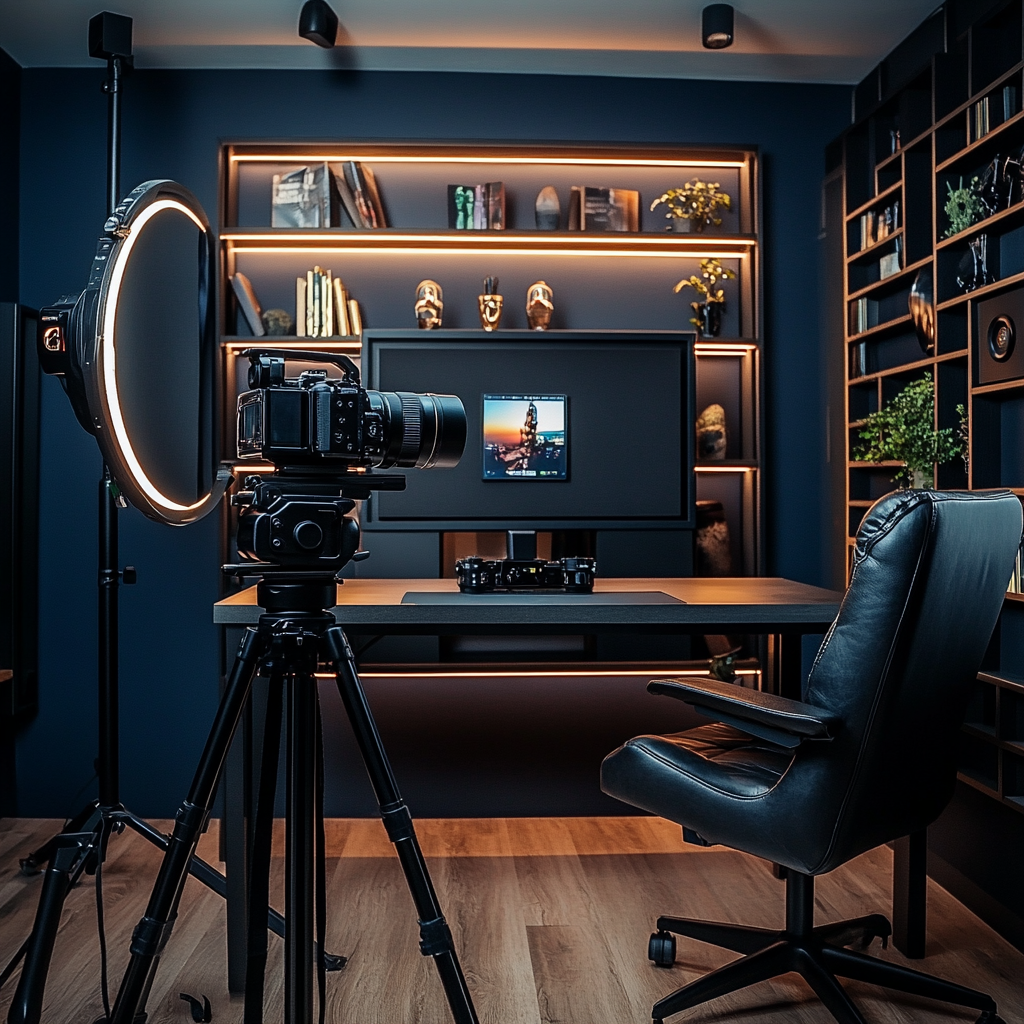
Production is the shoot day itself: the videographer, any additional crew, camera and lens packages, lighting, audio, and location or studio rental. This is the part clients picture when they imagine the cost, but it is rarely the biggest line item.
Post-production is where most YouTube budgets quietly balloon. Editing, color grading, sound mixing, motion graphics, captions, and licensed music can eat more hours than the shoot did. A single two-minute video with animated lower-thirds and a custom intro can take 15 to 25 editing hours. At a typical editor rate of $50 to $100 an hour, that alone is $750 to $2,500.

Here is what that looks like in practice. Take a three-minute customer testimonial. You spend an hour organizing and syncing footage, four assembling a rough cut, and three more on the fine cut and pacing. Color takes two hours, sound and music another two, captions and graphics two more. That is fourteen hours before a single revision. Add two rounds of client notes and you are past twenty.
When a quote looks suspiciously low, post-production is usually the corner being cut. You get the footage edited once, with no revisions, no grade, and stock music. That can be fine for a quick channel update. It is a problem if you expected the polish you saw in the vendor’s reel.
Typical YouTube video production cost in 2026
There is no single number, but the market sorts into recognizable tiers. These rates reflect the US and most of Western Europe in 2026. Metro areas like New York, London, and Los Angeles run 20 to 40 percent higher.
The budget tier runs roughly $500 to $1,500. That gets you a solo videographer or a confident freelancer. Expect a mirrorless camera, a basic light kit, and one location. Think a single talking-head setup, a half-day shoot, and a straightforward edit with one revision round. It is the right tier for founder updates, simple how-to content, and recurring uploads where consistency beats spectacle.
The mid tier sits around $2,000 to $6,000. This is where most professional YouTube content for businesses lands. You get a small crew and a proper camera package, say a Sony FX6 or a Canon C70 with cine lenses. Add dedicated audio, multiple setups, b-roll, color grading, motion graphics, and two or three revision rounds. A scripted two to four minute explainer or a customer story usually sits here.
The premium tier, $7,000 to $15,000 and up, brings a full crew. A director works separately from the camera operator. You might get actors, multiple locations or a studio build, and a post timeline measured in weeks. This is brand-level content meant to anchor a campaign, not feed a weekly upload schedule.

A useful gut check. If your channel needs four videos a month, you cannot afford premium production for each one. Do not try. Match the tier to the job. One budget-tier explainer a week plus one flagship piece a quarter beats blowing the year on two glossy videos nobody remembers to publish.
Why the same brief gets wildly different quotes
The spread comes down to a handful of variables that drive YouTube video production cost. Once you can name them, you can read a quote instead of guessing.
Crew size is the first. A solo shooter bills for one person. A mid-tier shoot might run a camera operator, a sound recordist, and a production assistant, tripling the daily labor before gear even enters the math. Each additional person on set adds $300 to $800 to the day.
Gear and insurance hide in the next line. A rented camera package with fast lenses, lights, and grip can run $400 to $1,200 a day. Any shoot on location or in a rented studio also needs liability coverage. A solo shooter who owns their kit folds all of this into a flat rate. A larger production itemizes it, which is why the breakdown can look scarier even when the value is real.
Scripting and creative direction is the second, and it is the one buyers underestimate most. A video that needs a tight 90-second script, a hook in the first five seconds, and a clear call to action requires a writer who understands retention. That work is invisible in the final cut, but it is the difference between a video that holds viewers and one they bounce from at the 20-second mark.
Revisions, licensing, and deliverables make up the rest. Two rounds of revisions is standard. Unlimited revisions either does not exist or is priced into a number that assumes you will use them. Music licensing for commercial use runs $15 to $200 per track through a service like Artlist or Musicbed. Using a track you found online without clearance is the fastest way to get a video demonetized or pulled under YouTube’s copyright rules. Ask up front how many versions you get, since a 16:9 YouTube cut, a vertical Shorts edit, and a square social cut are three separate exports and often three separate fees.
Should you hire a pro or shoot it yourself?
The honest answer depends on volume and what the video is for. If you are uploading twice a week and the content is you talking to a camera about your field, learning to shoot it yourself pays off fast. A capable setup costs less than two professional shoots. Think a used Sony a7 III or a Fujifilm X-S20, a Sigma 18-50mm, a $200 LED panel, a $150 lav or shotgun mic, and a tripod. Under $2,000 all in, and you control the schedule.
Where DIY falls down is anything that has to convert. A product launch, a paid ad, or a homepage video that represents the brand to first-time visitors: these justify a professional. The cost of looking amateur is measured in lost customers, not just awkward framing. A videographer who shoots corporate and brand content for a living brings lighting instincts, audio discipline, and editing judgment that take years to build.
There is a middle path many businesses miss. Hire a pro for one structured shoot day, capture six to ten short videos in that session, and self-edit the simpler ones. Batching this way drops your per-video cost because the expensive part, setting up crew and gear, gets amortized across a dozen deliverables instead of one. Plenty of social media videographers build packages specifically around this batch model.
The math is easy to feel. One mid-tier shoot day at $3,000 that yields eight short videos works out to about $375 each. Booking those same eight as separate $1,500 shoots would cost $12,000. That gap is the entire argument for batching. It is why busy channels move to a retainer with one videographer instead of rehiring for every clip.
What a single shoot day really gets you
Clients often assume a shoot day means a finished video by evening. It does not. A standard 8 to 10 hour production day covers setup, filming, and teardown. The edit happens over the following one to three weeks, depending on complexity.

A realistic day looks like this. The crew arrives at 8 and spends the first ninety minutes lighting and testing audio. You shoot the main interview before lunch, while everyone is fresh. The afternoon goes to b-roll, product close-ups, and a few pickup lines you missed. By 6 the gear is packed. Nobody filmed for ten straight hours, and that is normal. Setup and resets eat at least a third of any professional shoot.
What a day buys in raw terms is more useful to think about. A well-run day with a clear shot list can capture one polished hero video, plus enough b-roll and alternate angles for three to five short cutdowns. With no plan, the same day might yield a single usable video and a lot of footage nobody knows what to do with. The plan is the multiplier, which is why pre-production is worth paying for even when it feels like paying someone to make a spreadsheet.
Turnaround is its own negotiation. Standard delivery is two to three weeks for a mid-tier edit. Rush delivery in 48 to 72 hours typically adds 25 to 50 percent because the editor has to drop other work. If you have a launch date, lock the delivery timeline in the contract with a specific date, not a couple of weeks, and confirm how many revision rounds fit inside that window.
How to get more video for your money
You have more leverage on the final number than most buyers realize, and almost none of it involves haggling the day rate.
Start by batching, as covered above: one shoot, many deliverables. Then tighten the brief. A videographer can price accurately only if you can say what the video is for, who it targets, how long it runs, and where it will live. Vague briefs get padded quotes because the vendor is pricing in their own uncertainty.
A few specific moves lower cost without lowering quality:
- Shoot at your own location instead of renting a studio, which can save $500 to $2,000 a day.
- Provide your own on-camera talent, like a founder or staff member, rather than casting paid actors.
- Accept library music instead of a custom score, keeping licensing under $50 instead of four figures.
- Bundle several videos into one contract so the videographer can offer a volume rate.
What you should not cut is audio and lighting. Viewers forgive mediocre footage faster than they forgive bad sound, and a poorly lit video reads as cheap no matter how good the camera was. If something has to give, trim the number of locations or the runtime, not the fundamentals. For a sense of how packages and rates are structured before you ask for quotes, the pricing overview is a reasonable starting point. If you have never hired a videographer, how the booking process works is worth reading first.
Questions to ask before you sign
A good quote answers most of these without prompting. If it does not, ask, because the gaps are where disputes start.
Confirm what the number covers. How many shoot hours, how many crew, how many revision rounds, and how many final deliverables in which aspect ratios? Ask who owns the raw footage and whether you can buy it. Many videographers keep the originals by default and hand over only the finished edit. Pin down the music licensing so a copyright claim cannot surface later. Get the delivery date in writing. Finally, ask to see two or three full videos in the exact style and length you want, not a fast-cut reel. A sizzle reel hides whether someone can hold attention across two unbroken minutes.
One clause worth adding yourself covers weather and no-shows. If rain kills an outdoor shoot or a key person fails to appear, who eats the day? A fair contract splits it: the client covers crew already booked, and the videographer rebooks at no markup. Spell out the deposit too. Half up front and half on delivery is standard, and anyone asking for the full fee before the shoot is a flag.
One more thing buyers forget: ask what happens if you hate the first cut. A clear revision process protects both sides. A vendor who bristles at the question is telling you something useful.
Get your brief on paper, decide which tier the job actually needs, and ask three videographers to quote the same one-page spec. The numbers will still vary, but now you will know why. Your YouTube video production cost becomes a decision you control rather than a number you accept.