
You ask three studios to quote a 90-second explainer video. Back come three numbers: $1,800, $7,500, and $24,000. Same length, same general idea, wildly different prices. None of them is lying to you. The explainer video cost rides almost entirely on choices that never make the first email. Who writes the script. Whether a real human appears on camera. How custom the animation gets, and how many revision rounds you get before the meter starts again.
This guide breaks down what those numbers actually buy in 2026. It shows where the money goes. You will also learn to read a quote and tell whether $7,500 is fair or padded. First product video or a homepage refresh, the goal holds. Pay for the parts that matter. Stop overpaying for the parts that do not.
What actually goes into an explainer video budget
An explainer video is not one deliverable. It is a stack of smaller jobs, and each one carries its own cost. Strip a project down and you find six layers: scripting, storyboard, voiceover, the visuals, sound and music, then the edit with revisions. A cheap quote usually means one of those layers got skipped or handed to a junior.
Scripting is the layer buyers underrate most. A good 90-second script runs about 200 to 230 words. It can still take a writer two or three days, because every sentence has to earn its place. A tool like Descript or a clean Google Doc keeps the draft moving. The real time goes into deciding what to leave out. The visual layer is where the biggest swings happen. Stock footage with a logo animation is cheap. A custom-illustrated character system that moves frame by frame is not.

Here is the part that trips people up. Cost rarely scales with length the way you expect. A 30-second video is not half the price of a 60-second one. The fixed costs land about the same whether the final cut runs 45 seconds or 90. Scripting, voiceover sessions, and project management barely notice runtime. That is why most studios quote a band, not a per-second rate. Doubling the length might add 40 percent to the price, not 100.
Live-action vs animated explainers: the price split
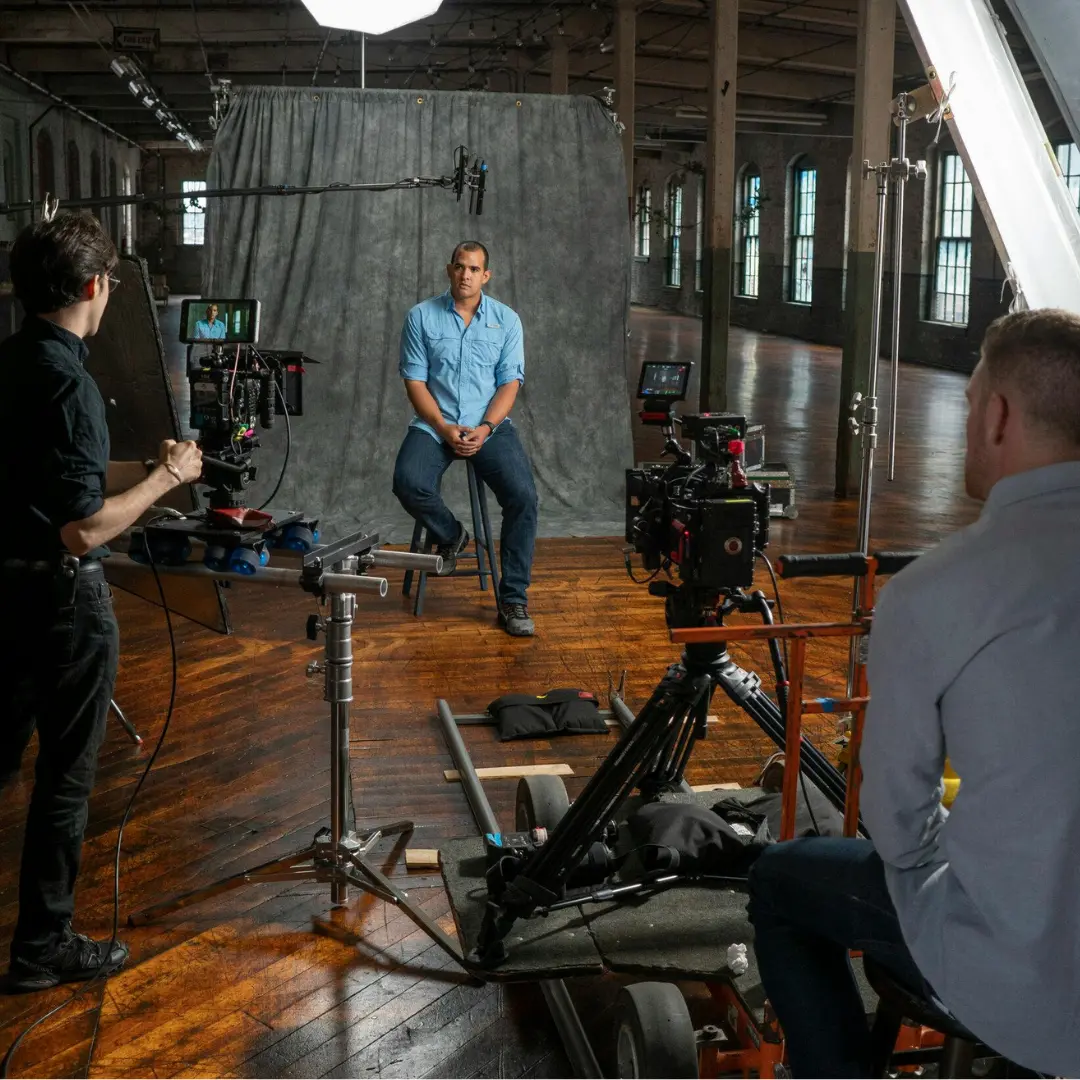
The biggest fork in your budget is whether real people and places appear on screen. Live-action explainers carry a shoot. That means a crew, a location, lighting, and often paid talent. Take a modest one-camera piece with a presenter, shot in a half day. With a Sony FX3 and one operator, it tends to start around $2,500 to $4,000 once you add the edit. Add a second camera, a sound recordist, a makeup artist, and a real location. Now you are quickly looking at $6,000 to $12,000 for a polished result.
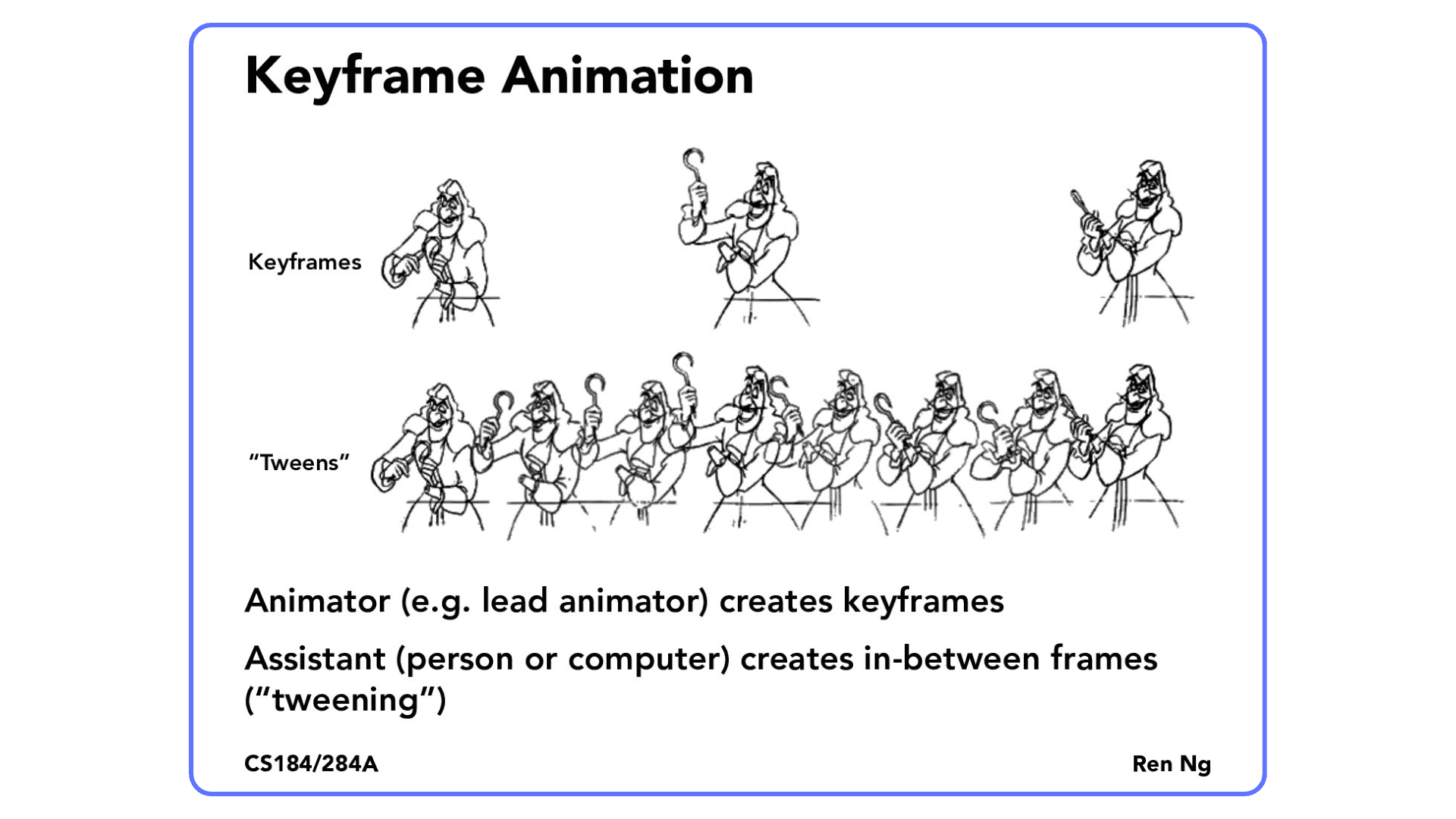
Animation drops the shoot but adds labor that is harder to see. Simple motion graphics get built from icons, text, and a few transitions in After Effects. That kind of work lands in the $1,500 to $4,000 range for 60 to 90 seconds. Character animation is a different animal. Illustrated people walk, gesture, and react. Every pose, every blink, every hand movement gets built by hand or rigged and keyframed. Studios often lean on Lottie exports or a rigged character built with the DUIK plugin in After Effects. That beats frame-by-frame for speed, but it still bills as skilled labor. That pushes custom 2D character work to $8,000 to $20,000 and beyond.
There is a middle path more buyers chose in 2026: hybrid pieces. A short live-action open pairs with animated screen recordings or kinetic typography for the explanatory middle. This works especially well for software demos. You want a human face for trust, but you need clean animated UI to show the product. Weighing the two routes, look at portfolios from both animation specialists and corporate video producers. The same brief produces very different reels depending on who you ask.
2026 explainer video cost ranges by tier
It helps to think in three tiers, because that is roughly how the market sorts itself. The numbers below assume a finished 60 to 90 second video. Fully scripted, licensed music, professional voiceover.
The budget tier runs $1,000 to $3,500. You get a freelancer or small shop: template-leaning motion graphics or a simple one-take live-action piece, stock or AI voice, and one or two revision rounds. An AI voice from ElevenLabs runs about $5 to $22 a month. It is fine for an internal clip, though listeners still catch the flat emotional beats. It is genuinely fine for an internal training clip or a social ad. A startup that needs something on the homepage this month can live here too. Do not expect a custom illustration style or a strategist on the call.
The mid tier runs $4,000 to $12,000. Here you get a dedicated writer, a real storyboard, and a hired voiceover artist. You also get custom visuals built for your brand, plus sound design that was actually mixed rather than dropped in. Most companies buying a flagship product explainer land in this band.
The top tier starts around $15,000 and climbs past $40,000. That buys fully custom character animation, original music, recognizable on-camera talent, or a multi-language rollout. Agencies pricing for enterprise clients sit here. A chunk of that premium is account management, not pixels.
One honest caveat: geography moves these numbers. A studio in New York or London quotes higher than an equally skilled freelancer in a smaller market. Offshore animation teams undercut both. Cheaper is not automatically worse, but it usually means slower communication and more revision friction.
Why the script and storyboard cost more than you expect
Most of an explainer video’s success is decided before a single frame is shot or drawn. A muddy script produces a muddy video, no matter how slick the animation. No amount of polish in the edit rescues a message that was never clear on the page. That is why experienced producers spend real money up front. A quote with a suspiciously cheap or missing scripting line should make you nervous.
A professional scriptwriter does more than write words. They find the one thing your video needs to say, then cut the four things you wanted to add. Their real skill is structure: the 200-odd words get arranged so the hook lands in the first five seconds. Then the storyboard turns that script into visual beats, frame by frame. Everyone agrees on the look before the expensive work starts. Skipping the storyboard feels like saving money. In fact it is the most common reason projects blow past budget. Changes that cost nothing at the sketch stage cost a fortune once animation is underway.
If a vendor wants to jump straight from a one-paragraph brief to production, treat it as a warning sign. That cheap upfront process is what produces the $1,800 video that gets redone six months later. The detailed process is part of what you pay for in the mid and top tiers. It is also the part that protects the rest of your spend. Get the revision count and the asset handoff written into the statement of work. That means the editable project files, the After Effects or Premiere source, not just the exported MP4.
What quietly drives the price up
The sticker number in a proposal is rarely what you pay. A handful of line items inflate the final invoice. Most of them stay within your control, as long as you ask about them in advance.
- Revision rounds: most quotes include two. A third or fourth, especially after voiceover is locked, gets billed hourly and adds up fast.
- Voiceover talent: a stock or AI voice is nearly free. A professional VO artist runs $150 to $600 for a short script. A recognizable or union voice costs several times that.
- Music licensing: a $50 stock track is fine for most uses, but original composition or a sync license for a known song can add thousands. Clearing a popular track means paying both the publisher and the master owner, a process the U.S. Copyright Office lays out plainly. Our guide to licensing music legally covers why this bites harder than people expect.
- Length and versions: cutting your 90-second master into a 30-second ad, a 15-second social bumper, and a square format each takes edit time. Each one bills as an extra deliverable.
- Rush timelines: a two-week turnaround instead of six often carries a 25 to 50 percent rush premium. The studio has to reshuffle other work to hit it.
The pattern is the same across all of them. The base price assumes a normal scope and a normal pace. Every step away from normal moves the number up: more changes, more versions, faster delivery, a fancier voice. None of it is a scam. It just means the honest way to compare two quotes is to weigh what is included, not the headline figure.
How to get a fair quote without gutting quality
You can lower an explainer video cost a lot without buying something cheap. The trick is to cut scope, not corners. Decide the one platform the video truly has to win on, and design for that first. Derive the other cuts from that master instead of commissioning them separately. A tight 60-second piece that does its job beats a sprawling two-minute one. The long version explains everything and holds no one’s attention.
Come to the conversation with a real budget number. Producers hate this request and buyers resist it. But naming a range lets a good studio design to it, instead of guessing high and padding. Bring your own script, or at least a clear outline if you can write. Scripting is often 15 to 25 percent of the total. Provide brand assets too: logos, fonts, color codes, and any existing footage. Every hour the team does not spend recreating your brand is an hour off the bill. Ask for the quote broken into line items: scripting, voiceover, animation, sound. Then you can see exactly which lever to pull.
The other lever is the vendor type. A solo freelancer or two-person team carries far less overhead than an agency. They often do comparable work for half the price, with the tradeoff that you manage more of the process yourself. Want to compare what different producers charge and how they package services? Our pricing overview and our breakdown of how booking works lay out the structure. For a recurring need, ask about a retainer or a bundle of several short videos. The per-video cost drops sharply once the brand setup gets reused.
Questions to ask before you sign
The proposal stage is where you protect your budget, so use it. Ask exactly how many revision rounds are included, and what a round actually means. One vendor’s round is the whole video; another’s is a single scene. Find out who writes the script, and whether you can see writing samples, not just finished videos. The edit can hide a weak script that you will feel later. Pin down what the voiceover and music line items assume. Settle whether you own the final files and project assets outright, or only a license to use them.
Two more questions separate the careful buyers from the ones who get surprised. First, what happens if you need changes after final delivery, and at what rate? Second, what is the realistic timeline, including your own review time? The calendar slips most often on the client side, waiting for sign-off. A producer who answers these clearly and in writing has run a hundred of these. They know where projects go wrong.
Get all of it on one page before money changes hands. A clear scope document is worth more than a low number. The low number with vague scope is how a $4,000 project becomes a $9,000 argument.
If you do one thing before requesting quotes, write the single sentence your explainer video must make a stranger understand. Bring that sentence to three producers. See who sharpens it and who just nods. You will learn more about the real explainer video cost than any rate card can tell you. You will also learn who deserves your budget.