A boutique owner emails three videographers about a spring lookbook. The quotes come back at $1,800, $6,500, and $22,000 for what sounds like the same job. None of them are lying. The gap between those numbers is the whole story of what a fashion video actually is. Once you understand it, you can tell which quote fits your brand and which one is padded or dangerously thin.
The short answer on fashion video cost in 2026 is simple. Most projects land between $2,500 and $15,000. Simple social clips start near $1,500, and full campaign films for established labels run past $40,000. The rest of this guide breaks down where your project sits on that scale and why.
What actually drives fashion video cost
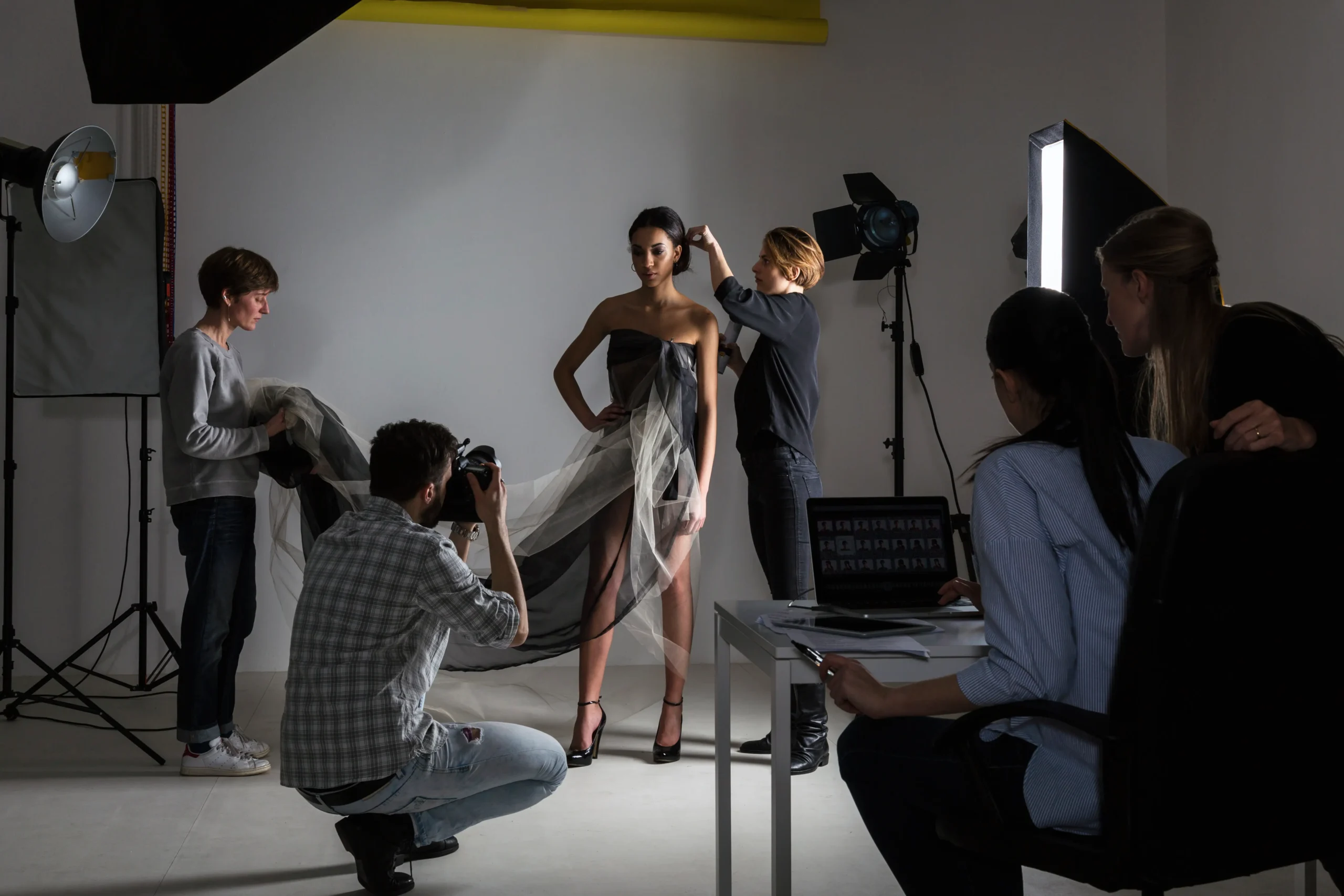
Three things move the number more than anything else: crew size, shoot days, and how the footage will be used. A single videographer with a Sony FX3 and an 85mm GM lens shooting a lookbook in a rented studio for six hours is one kind of job. A five-person crew running a RED Komodo, a gimbal operator, a gaffer, and a colorist across two location days is another entirely. The first might run $2,000. The second lands near $18,000 before anyone talks about models or wardrobe.
Usage rights are the quiet multiplier most first-time buyers miss. A clip you only post to Instagram is priced one way. A hero film that runs as a paid ad across YouTube, connected TV, and a billboard for a year is priced another. Videographers price against exposure, not just time on set. If the video is going to work hard, expect to pay for that reach. This is where cheap quotes hide expensive surprises.
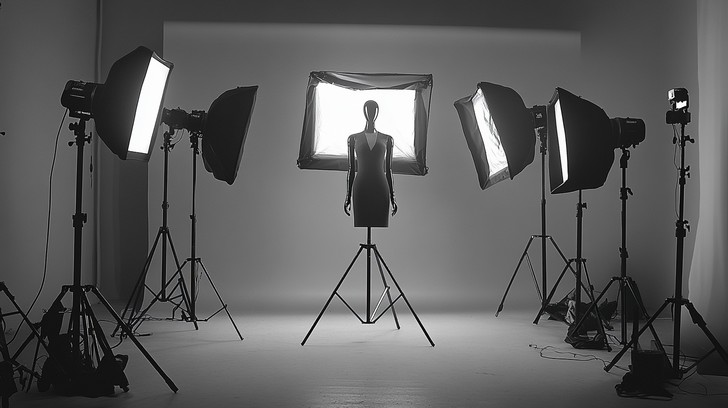
Editing depth matters just as much. Color grading a fashion film in DaVinci Resolve to a specific mood, cutting to a licensed track, retouching skin frame by frame: that post-production can equal or beat the cost of the shoot day. Reviews run through a tool like Frame.io, and each round of client notes adds hours. A rough guide is that finishing runs 30 to 50 percent of the total budget on anything above a basic social edit. Skimp here and the footage looks amateur no matter how good the camera was.
Real 2026 price ranges by project type
Here is where the money tends to sit for the most common fashion jobs this year. These are US-market fashion video cost figures for a working professional. Not a hobbyist with a kit lens, and not a top-tier agency with a producer on staff.
- Social lookbook or reel package: $1,500 to $4,000. One videographer, half a day, three to eight short vertical clips, a light color grade and a library track. Good for weekly content and small product drops.
- Ecommerce product-in-motion video: $2,500 to $6,000. Studio setup, clean even lighting, ghost-mannequin or model movement, delivered per style or in a bundle of ten to twenty clips.
- Brand or capsule collection film: $6,000 to $18,000. Small crew, one to two shoot days, a narrative or mood-driven 60 to 120 second piece plus vertical cutdowns for social.
- Campaign film for an established label: $20,000 to $40,000 and up. Full crew, a director, a location or set build, booked talent, and broad paid usage across channels.
Those bands overlap on purpose. The same 90-second video can be built three different ways. A designer who needs polished movement for a new drop, but not a director or a location build, can often get real quality in the $6,000 to $10,000 window. The jump to $20,000 usually buys a bigger creative team and the licensing to run the film as advertising, not just organic content. If a quote sits far outside these ranges in either direction, ask why before you sign or before you walk. For context, a mid-market denim brand shooting a lookbook plus three reels in one studio day typically pays around $4,500 to $7,000 all in, gear and a single edit round included.
Does location change fashion video cost?
Where you shoot moves the number as much as what you shoot. A fashion video cost in New York or Los Angeles carries a premium the same brief would not in Austin or Nashville. Crew day rates, studio rentals, and city permits all run higher in the big two markets. A studio that rents for $600 a day in the Midwest can list at $1,800 in Manhattan.
Travel is the other regional wildcard. If you bring a videographer to you, budget for flights, hotels, and a per-day travel fee that often matches half the shooting rate. Some brands fly a Los Angeles director to a cheaper city and still come out ahead, because the local crew and studio costs drop. Others find a strong regional shooter and skip the travel line entirely.
There is no single right answer here. A skincare brand in Miami shooting a summer campaign runs different math than a knitwear label in Portland. Match the market to the look you need. A sun-drenched rooftop reads very differently from a controlled studio, and the location you pick sets the crew and permit costs that follow.
What a day rate buys versus a project rate
Some videographers quote a flat project fee. Others quote a day rate and build the estimate from there. A working fashion videographer’s day rate in 2026 sits roughly between $1,200 and $3,500. A director of photography with a reel worth chasing can command $4,000 or more. If you want to understand how those numbers get set, the videographer day rate guide walks through what a single shooting day really includes.
The trap is thinking a day rate is the whole cost. A day rate covers the person and usually their core camera package. It does not automatically include a second shooter, lighting, a gimbal or slider, a data wrangler, travel, or the two to four editing days that follow. When a $1,500 quote and a $9,000 quote both say “one day,” the difference is almost always everything that surrounds the camera.
Project rates protect you from that ambiguity, because the videographer has already priced the full scope. Ask for a line-item breakdown either way. A quote that reads “fashion video: $7,500” with no detail is a quote you cannot compare against anything. A good breakdown names the shoot fee, the gear package, the edit days, and the usage window on separate lines. Most first-time brand buyers accept the vague number and only feel the gap when the invoice arrives.
The costs buyers forget to budget for
The production fee is rarely the final number. A handful of line items live outside the videographer’s core rate. They can add thousands if nobody plans for them ahead of the shoot.
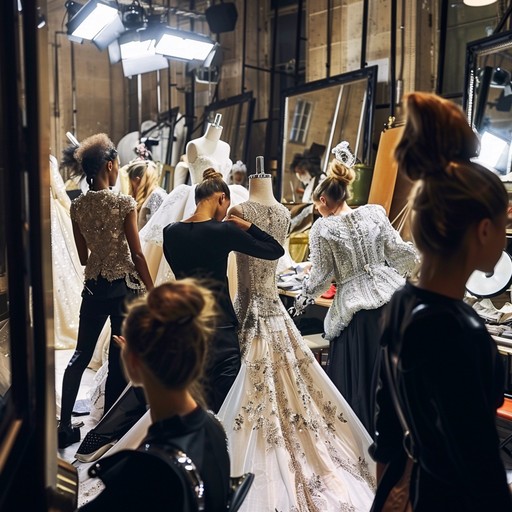
Talent is the big one. Model rates for a commercial fashion shoot run $150 to $800 a day for new faces. They climb fast for agency talent with usage attached. A stylist adds $500 to $1,500 a day. Hair and makeup runs another $400 to $1,200. A location fee for a studio or a permitted outdoor spot can be $500 to $5,000 depending on the city.
Music licensing trips up more brands than any other line. The rules here match the ones in the guide to licensing music legally. A subscription to Musicbed or Artlist covers most social work for a few hundred dollars a year. A recognizable master recording is a different world, often four or five figures per use. Skip the paperwork and you get muted videos on your own feed, courtesy of a copyright claim.
Insurance and rentals hide in the same blind spot. A certificate of insurance for a studio or a public location runs $150 to $600 for a short-term policy. Specialty gear like a probe lens or a motion-control rig can add $300 to $1,500 for a single day. None of it shows up in the headline quote, and all of it lands on your invoice.
Then there is usage renewal. If you licensed a campaign film for one year of paid media, running it a second year is a fresh negotiation. Expect 50 to 100 percent of the original usage fee. Build that into your thinking before you fall in love with a film you can only afford to run once.
How videographers should price fashion work
If you shoot fashion for a living, the mistake that keeps rates low is quoting your time instead of the value the footage generates. A boutique using your reel to sell a $90 dress and a label using your film to launch a $600 handbag line are not the same client. The shoot day may look identical. Price the outcome and the usage, not just the hours.
Build your quotes in tiers so the client self-selects. Offer a social package, a collection film, and a campaign option. Give each a clear deliverable count and usage window. This anchors the client against your top number. It also lets a smaller brand say yes to something real instead of walking because your only option priced them out. Listing your work under a specialized fashion videographer profile helps the right buyers find you already primed for those rates. Connecting it to your broader brand film portfolio shows the range that justifies a higher tier.
One more habit separates the pros: they quote fast and in writing. A same-day estimate with clear tiers wins work that a week-late PDF loses, even at a higher price. Speed signals that you run a business, not a hobby.
Protect your margin on revisions and usage. Two rounds of edits included, additional rounds billed hourly. Organic social usage in the base fee, paid media as an add-on. Put it in writing before the shoot. The contract essentials for videographers exist precisely so a “quick extra cut” does not quietly eat a day of unpaid labor.
How to keep the budget down without looking cheap
You can cut a fashion video budget in half without gutting the quality, as long as you cut the right things. Spend on what shows up on screen. Save on what does not.
The savings almost always come from the same short list:
- Shoot two collections back to back on one studio booking, so you pay the setup, lighting, and crew call once.
- Reuse a single location across multiple looks instead of moving the crew across town.
- Hire a solo shooter who can run camera and light a small set, which is realistic for lookbook and ecommerce work.
- Swap a licensed hit for a strong library track that nobody watching will clock, and save four figures.
- Book talent early through direct outreach rather than a last-minute agency scramble.
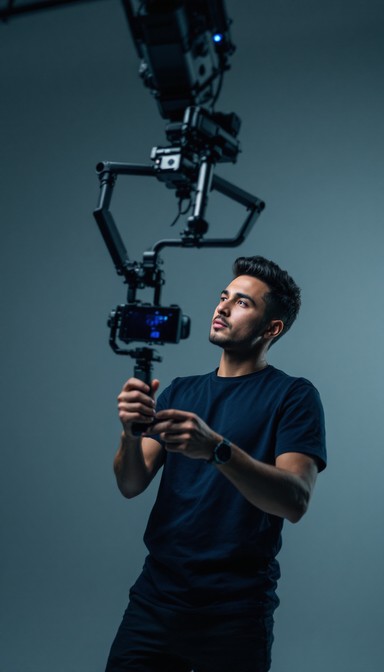
Be honest about deliverables too. If you truly need three vertical clips for Instagram, do not pay for a two-minute hero film you will cut down and never post in full. Matching the format to where the video will actually live is the cheapest edit you will ever make. If you are weighing a videographer against an in-house or agency route, the how it works overview lays out what a direct booking includes.
One real example: a swimwear label wanted a hero film and a full social kit for $6,000. Splitting the ask, they booked a solo shooter for a one-day studio session, filmed two suits back to back, and used a Musicbed track. The hero film got cut later from the same footage. Same content calendar, roughly $9,000 of value, for a $5,800 invoice.
Questions to ask before you book
A fifteen-minute conversation surfaces most of the surprises. Before you sign anything, get clear answers on these:
- What usage is included, and for how long? Organic only, or paid media? One year or perpetual?
- How many final deliverables, and in which formats and aspect ratios?
- How many revision rounds are in the price, and what does an extra round cost?
- Who covers talent, styling, location, and music, and are those in your quote or mine?
- What is the turnaround from shoot to final delivery?
The last one bites more brands than the price does. A fashion video that arrives three weeks after your product launch is worth a fraction of one delivered before the drop. Confirm the timeline in writing. Ask what a rush delivery costs, so you know the option exists before you need it. A two-week turnaround is standard for a collection film, while a same-week social edit is possible but usually carries a premium.
Getting a fair fashion video cost is less about finding the cheapest quote and more about matching the build to the job. Write down your deliverables, your usage, and your deadline before you email anyone. Then compare quotes against that list, line by line. The videographer whose breakdown matches your actual needs, not the one with the lowest bottom line, is the one who saves you money.