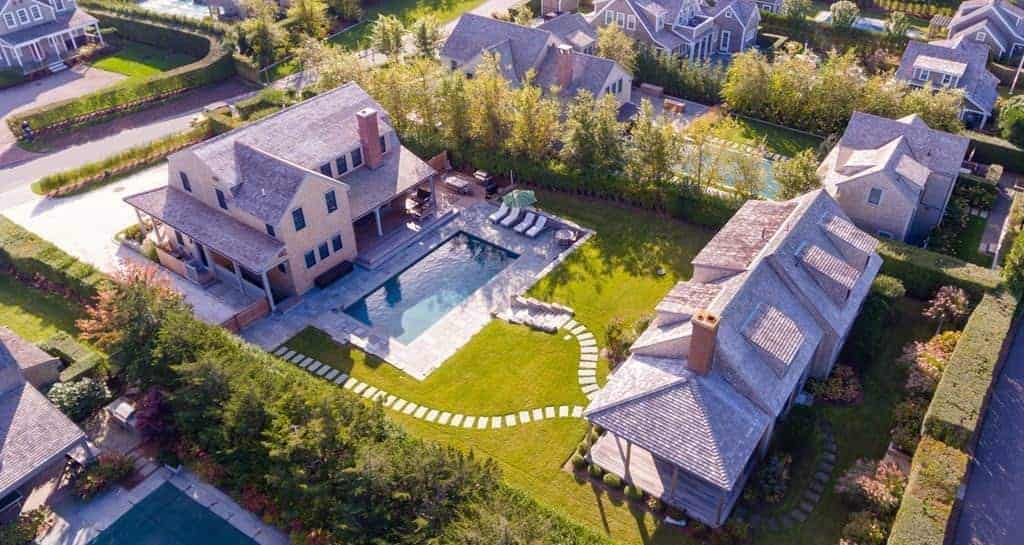
A listing agent called me last spring about a $1.4M lakefront property. She had professional photos and a Matterport tour, and the listing had still sat for 61 days. What she did not have was one shot showing the house on two full acres of shoreline. That is exactly the job aerial footage does. Almost every agent who calls me opens the same way: how much does a real estate drone video cost, and is it worth it on a listing that might not move?
The honest answer in 2026 is a range, not a number. A short aerial-only clip on a suburban tract home runs $150 to $350. A full cinematic listing film that pairs drone and ground footage on a luxury estate can hit $1,200 or more. Below I break down what actually moves the price, so you can tell a fair quote from a padded one.
Real estate drone video cost in 2026: the three tiers
Most markets settle into three tiers. The bottom tier, roughly $150 to $300, buys a licensed pilot on site for 15 to 20 minutes. You get a 30 to 60 second edited clip: a reveal push-in, an orbit, and a few overhead pull-backs. That is the standard add-on to a photo package, and it is what most agents book.
The middle tier runs $350 to $650. Here you get a longer edit of 60 to 90 seconds, color grading that matches the ground footage, licensed music, and a few extra passes so the editor has options. Expect this on homes in the $600K to $1.2M range. At that price point the agent wants the property to read like a lifestyle, not a spreadsheet.
The top tier is $700 to $1,200 and up. This is a produced piece. Think golden-hour scheduling, multiple flights across a day, drone footage cut against gimbal walk-throughs, and agent voiceover or on-camera hosting. A twilight exterior often gets added too. On a genuine luxury or commercial property, $1,500 is not unusual once you build in a second visit for weather.
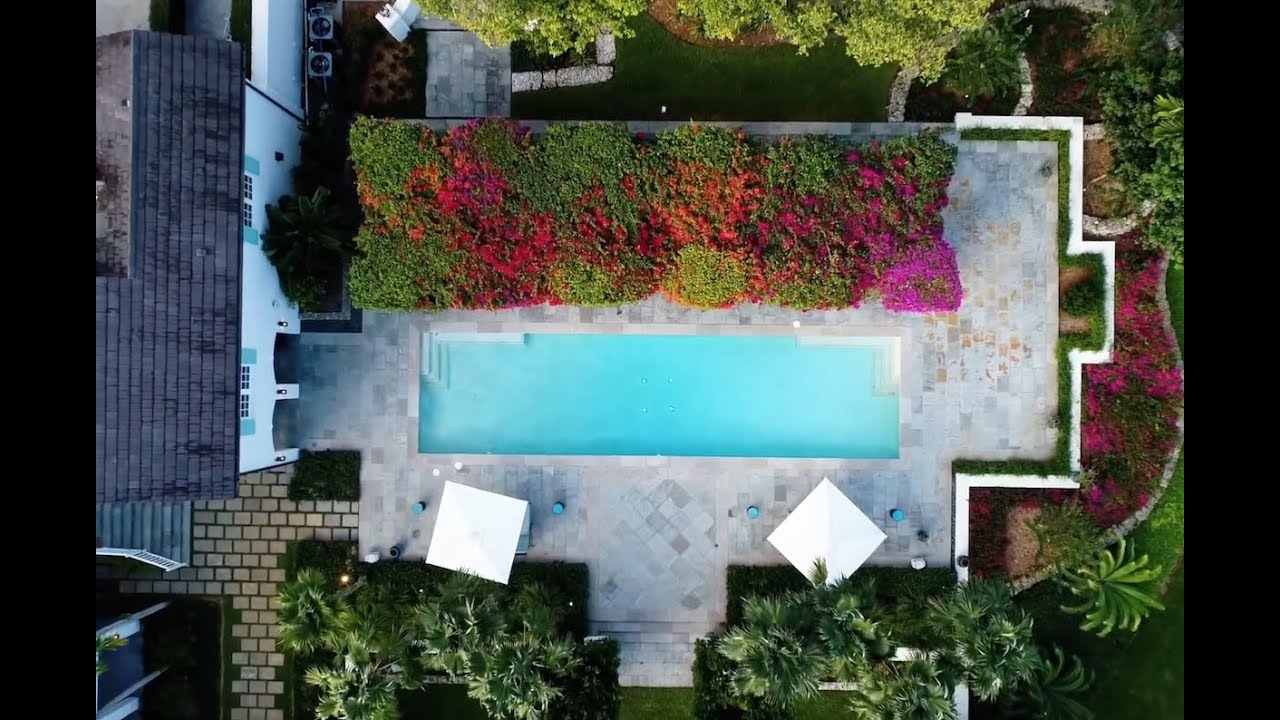
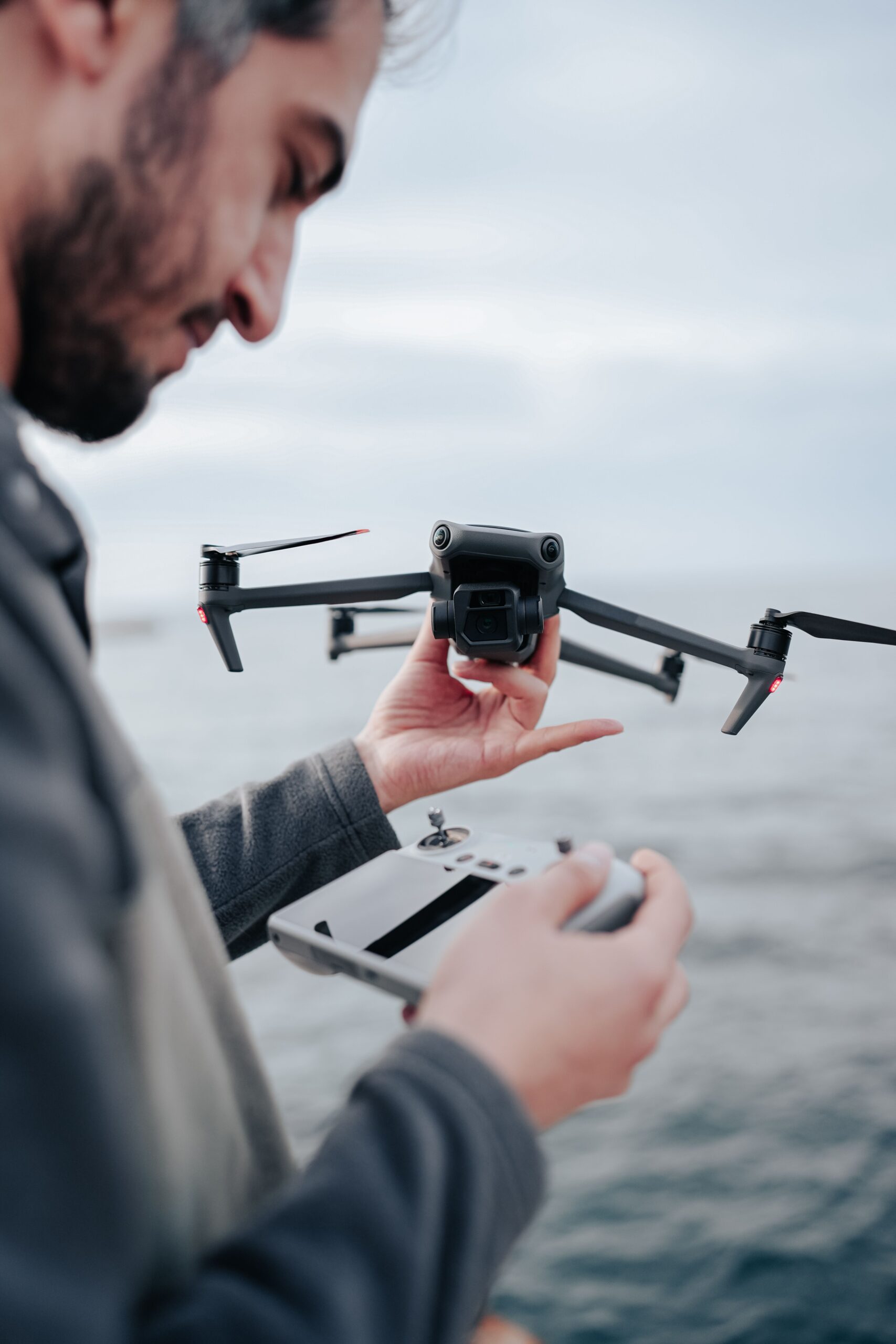
The drone itself rarely changes between tiers. A DJI Mavic 3 Pro or an Air 3 shoots all three jobs. What you actually pay for is flight skill, edit hours, and how many times the pilot is willing to drive back out.
A quick word on how pilots bill. Some charge a flat per-listing rate. Some charge a day rate of $500 to $900 and shoot two or three homes in one outing. Others quote drone as a $150 to $250 line item bolted onto a full real estate video shoot. When a quote lands, ask which model it is. A flat listing rate is the easiest to budget against, and my usual pick for a single home.
What actually drives the price up or down
The headline number hides four real cost drivers. Property size is the obvious one. Two acres with outbuildings, a dock, and a tree line needs more flight time and more setups than a 0.2-acre lot where three orbits tell the whole story.
Location matters more than most agents expect. A home under a Class B or Class C airspace shelf near an airport forces the pilot to file for LAANC authorization. If the ceiling is low, or the request gets denied outright, the shoot can stall before the props even spin.
Editing is where budgets quietly balloon. Raw clips off a DJI Mavic 3 look flat and slightly wide straight off the card. Turning that into listing-ready footage means color grading in something like DaVinci Resolve, stabilizing, speed ramps, and a music cut. A pilot charging $150 is handing you lightly trimmed clips. One charging $500 is handing you a finished film. The gap is three to five hours of an editor’s time, and it shows.
Season and weather are the last two drivers. Overcast flat light is fine for interiors and death for aerials, because a drone shot lives on shadows, texture, and the color of the sky. Good pilots build a weather reshoot into the price or the contract, and that buffer costs real money. Twilight and golden-hour shoots command a premium too. The usable window is about 20 minutes, so the pilot cannot batch other jobs around it.
Do you need a Part 107 licensed pilot?
Yes, and this is not a gray area. In the United States, any drone flight for a commercial purpose needs a certified pilot. Marketing a property you are paid to sell counts as commercial. It does not matter that the drone is small or that the flight lasts two minutes. The FAA requires the operator to hold a Part 107 Remote Pilot Certificate, full stop.
Hiring an unlicensed hobbyist to shoot your listing is a real liability, not a technicality. The FAA can levy fines against the operator. If something goes wrong, your brokerage name is the one attached to the marketing. Reputable pilots keep their Part 107 certificate number handy and will send it without being asked. They also carry drone liability insurance, usually a $1M policy. That coverage is not free. A pilot pays roughly $600 to $1,000 a year for it through a provider like SkyWatch.AI, and that overhead is baked into any honest quote. Most can also produce a certificate of insurance naming your brokerage as additional insured if the owner or HOA demands it.
There is a paperwork layer buyers rarely see. In controlled airspace, a pilot pulls near-instant LAANC authorization through an app for most flights. Some zones still require a manual FAA request that takes days. If your listing sits near an airport, a military installation, or a national park, ask about airspace before you lock a shoot date. A pilot who shrugs at that question is a pilot who has not checked. You can browse vetted operators by specialty in the aerial and drone videographer directory instead of gambling on a Craigslist quote.
Drone-only clip vs a full listing film
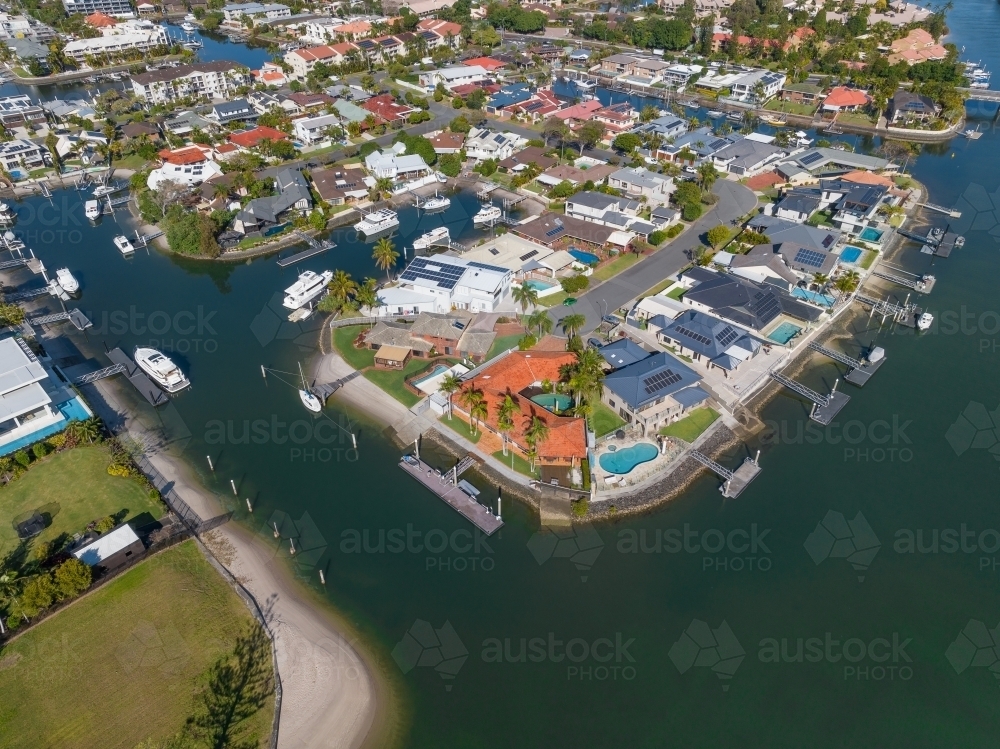
The choice that most affects your invoice is aerials alone versus a complete listing film. A drone-only clip is a supplement. It shows the lot, the roofline, the proximity to water or a golf course, and the neighborhood context that ground photos cannot capture. On a mid-market home, that clip plus your existing photos is often enough. It also keeps the total video spend under $300.
I shot a golf-course townhome last month where the drone was the entire sell. From the ground it looked like any other unit in the row. One 40-foot ascent revealed the ninth fairway wrapping right behind the patio, and the agent had three showings booked inside a week. That is a $250 clip doing the work of a price reduction.
A full film weaves the aerials into ground coverage. You get a gimbal walk from the street to the front door, interior glides through the main rooms, detail shots of the kitchen and primary bath, and an aerial pull-back to close. This is the format that performs on social platforms. A 45-second vertical cut can rack up views and reach buyers who never opened the MLS listing. It costs two to three times the drone-only rate, because it is genuinely two productions stitched together.
Here is the practical rule I give agents. Under $500K, a drone clip plus strong photos usually carries the listing. Between $500K and $1M, a full film starts to pay for itself, especially when the home has a view a static frame cannot sell. Above $1M, buyers expect a film, and skipping it makes the listing look under-marketed. If you are torn between the two, my breakdown of real estate video versus photos walks through which listings actually move faster with motion.
What to give the pilot before the shoot
A cheap shoot that produces useless footage is not cheap. You can prevent that with 15 minutes of prep. Send the pilot the full property address, the lot lines or a plat map, and a note on the features that must appear: the dock, the outbuilding, the view corridor, the acreage that justifies the price. Tell them what makes this listing special. A pilot who knows the story frames the shots around it.
Flag the constraints too. Nearby airports, an HOA with drone rules, gated-community access, privacy-minded neighbors, and any structure the owner does not want featured all belong in that email. If the seller is home during the shoot, warn them a drone will be overhead. Otherwise somebody calls the police mid-flight, which happens more than you would think.
These three items make the biggest difference to the final edit:
- The time of day you want the light: morning for east-facing homes, evening for west-facing, twilight for anything with dramatic exterior lighting.
- The delivery formats you need: a horizontal cut for the MLS and YouTube, a vertical cut for Instagram Reels and TikTok, and stills pulled from the footage if you want aerial photos.
- Your listing deadline: a Tuesday shoot with a Friday MLS go-live gives the editor no room, and rushed grading always shows.
Turnaround usually runs two to four business days for a standard clip and up to a week for a full film. If a pilot promises next-day delivery on a graded film, one of two things is true. Either they are not really grading it, or they are very good and priced to match.
How to vet a drone videographer and spot red flags
Start with the reel, not the price. A good real estate reel shows smooth, level horizons, clean orbits that hold the house centered, and reveals that build instead of spinning in place. Jittery footage, tilted horizons, and abrupt speed changes are tells. They mean the pilot is flying manually without the skill, or skipping stabilization in the edit. Ask specifically for real estate work. A pilot whose reel is all mountains and beaches may not know how to make a three-bedroom colonial look good.
Run through five questions before you book:
- Are you Part 107 certified, and can you send the certificate number?
- Do you carry drone liability insurance, and can you name my brokerage as additional insured?
- Are grading, music licensing, and a vertical social cut included, or billed separately?
- What is your weather policy if the sky is flat on shoot day?
- What is the delivery turnaround, and how many revisions are included?
The biggest red flag is a cheap quote with no license mentioned. A $75 aerial clip almost always means an uninsured hobbyist. The savings evaporate the first time a drone clips a gutter or a neighbor files a complaint. The second red flag is vagueness about deliverables. If nobody will tell you whether music is licensed or whether you get a vertical cut, you will learn the answer is no after you have paid. For how this platform screens the pros it lists, the how it works page lays out the vetting.
Is aerial video worth it for your listing?
The return is not uniform, so spend where it counts. Aerial video earns its keep when the land, the setting, or the context is part of the value. Waterfront, acreage, golf-course lots, homes with a view, and new construction that photographs poorly at ground level all qualify. So do commercial or land parcels where the buyer needs to grasp the whole footprint. On those, the $300 to $700 you spend is a rounding error against the commission, and it shortens days on market.
On a standard interior lot where the backyard is a fence and the neighbor roof, a full cinematic aerial is usually overkill. A single 30-second clip that establishes the neighborhood is plenty. The rest of the money is better spent on interior photography. That is the honest tradeoff a lot of drone sellers will not tell you, because they would rather sell the $600 package.
Run the math on your own average listing. If a $400 aerial film helps a $700K home sell two weeks faster, the carrying-cost savings alone cover it several times over. If it dresses up a $250K starter home that would have sold in a weekend anyway, you spent $400 to feel thorough. A real estate drone video cost only pays off when the footage shows a buyer something the photos genuinely cannot.
Before your next luxury or acreage listing goes live, get one flat-rate quote in writing. Make it spell out license, insurance, grading, and a vertical cut. Then compare it against the reel, not just the number. If you shoot listings and want to be the pilot agents call, list your services on the platform where buyers are already searching.