You booked a videographer at $2,400 for the day, then the quote came back at $3,150. The difference was not a bait-and-switch. It was travel: 220 miles round trip, a night in a hotel because the call time was 6 a.m., and a per diem you did not know to expect. Videographer travel fees are one of the most common surprises on a final invoice, and they are almost never explained up front unless you ask.
This guide breaks down what those fees actually cover, when they kick in, and what a fair number looks like in 2026. Hiring for a wedding two states away or a corporate shoot across town both raise the same question, and knowing how travel gets priced lets you compare quotes honestly and skip the awkward line-item conversation after the work is done.
What videographer travel fees actually cover
Videographer travel fees are not one charge. They are a bundle of separate costs that get grouped under a single line, and different shooters bundle them differently. The main components are mileage or fuel, drive time, flights and baggage, lodging, and a per diem for meals. A local wedding shooter driving 90 minutes each way might only charge mileage and drive time. A brand film crew flying to another state will hit every category on the list.
The confusion starts because some videographers fold travel into their day rate for anything nearby and itemize it only past a certain distance. Others quote a clean shooting rate and add every travel cost separately. Neither approach is wrong, but they produce very different-looking quotes for the exact same job. When you compare two bids and one is $600 higher, the gap is often travel that the cheaper quote simply has not surfaced yet.
The honest videographers put travel in writing before you sign. The ones who spring it on you at invoice time are either disorganized or hoping you will not push back. Either way, the fix is the same: ask for a full travel breakdown in the proposal, not a single lump number.
When travel is free and when the meter starts
Most working videographers set a local radius where travel is included in the base rate. That radius is usually 25 to 40 miles from their home base, or sometimes defined by drive time, like anything inside a 45-minute one-way trip. Inside that zone, you should not see a separate travel line at all. It is baked into what they already charge, the same way a plumber does not bill you for the drive across town.
Past that radius, the meter starts. A shooter based in Denver might cover the whole metro for free but charge for a job in Boulder or Colorado Springs. A pro listing a “Denver metro” service area might still meter Longmont or Castle Rock, so the map matters more than the city name. The exact cutoff varies, so it is worth asking directly: what is your local radius, and where does my shoot fall relative to it? That one question resolves most travel surprises before they happen.
Here is the part people miss. The radius is measured from the videographer’s base, not from the city center or from you. If you found a great shooter who lives 50 miles out, you are paying for travel even though the shoot is in your own neighborhood. This is a real reason to weigh a slightly pricier local pro against a cheaper one who lives far away. The cheaper day rate can evaporate once the mileage lands, and that gap is exactly where videographer travel fees tend to hide.
Driving jobs: mileage, drive time, and the gray area
For drive-to jobs, two things get billed, and they are not the same. Mileage covers the vehicle: fuel, wear, and the cost of running a car loaded with expensive gear. In 2026 most videographers peg this to the IRS standard mileage rate, which sits around $0.70 per mile, and apply it to the round trip. A 200-mile round trip lands near $140. Some shooters round to a flat number instead, like $100 for anything in the 60-to-120-mile band.
Drive time is the second charge, and this is where quotes diverge hard. Their time in the car is time they cannot bill to another client. Some videographers do not charge for it at all under two or three hours. Others bill it at a reduced rate, often half their hourly, so a two-hour drive each way might add $150 to $300. A few charge full rate for portal-to-portal time, which is aggressive but not unheard of for in-demand shooters with packed calendars.
Run a real example. A wedding 110 miles away is a 220-mile round trip. At $0.70 a mile that is about $154 in mileage. Add two hours of drive time each way billed at half of a $150 hourly rate, and you are at $154 plus $300, so $454 in travel before anyone mentions a hotel. Seeing it itemized like that is exactly what you want in a proposal.

The gray area is the shoot that is close enough to drive but far enough to require an overnight. A 6 a.m. call time three hours away means either leaving at 2:30 a.m. or getting a hotel the night before. Most professionals will not run a full shoot day on a 2:30 a.m. wake-up, and you do not want them to, because tired operators miss shots. Expect a hotel line on any job where the drive plus the call time makes a same-day arrival unsafe. Budget $120 to $220 for a mid-range room in most markets, more in major cities or peak season.
Fly-to jobs: flights, bags, lodging, and per diem
Once a shoot requires a plane, travel can rival the creative fee itself. Start with flights. A working videographer will book economy on your dime and pass through the actual cost, usually $250 to $600 domestic depending on route and how much lead time you gave them. Last-minute bookings cost more, which is one practical reason to lock dates early. Ask them to share the fare or book through your own travel desk if the budget is tight.
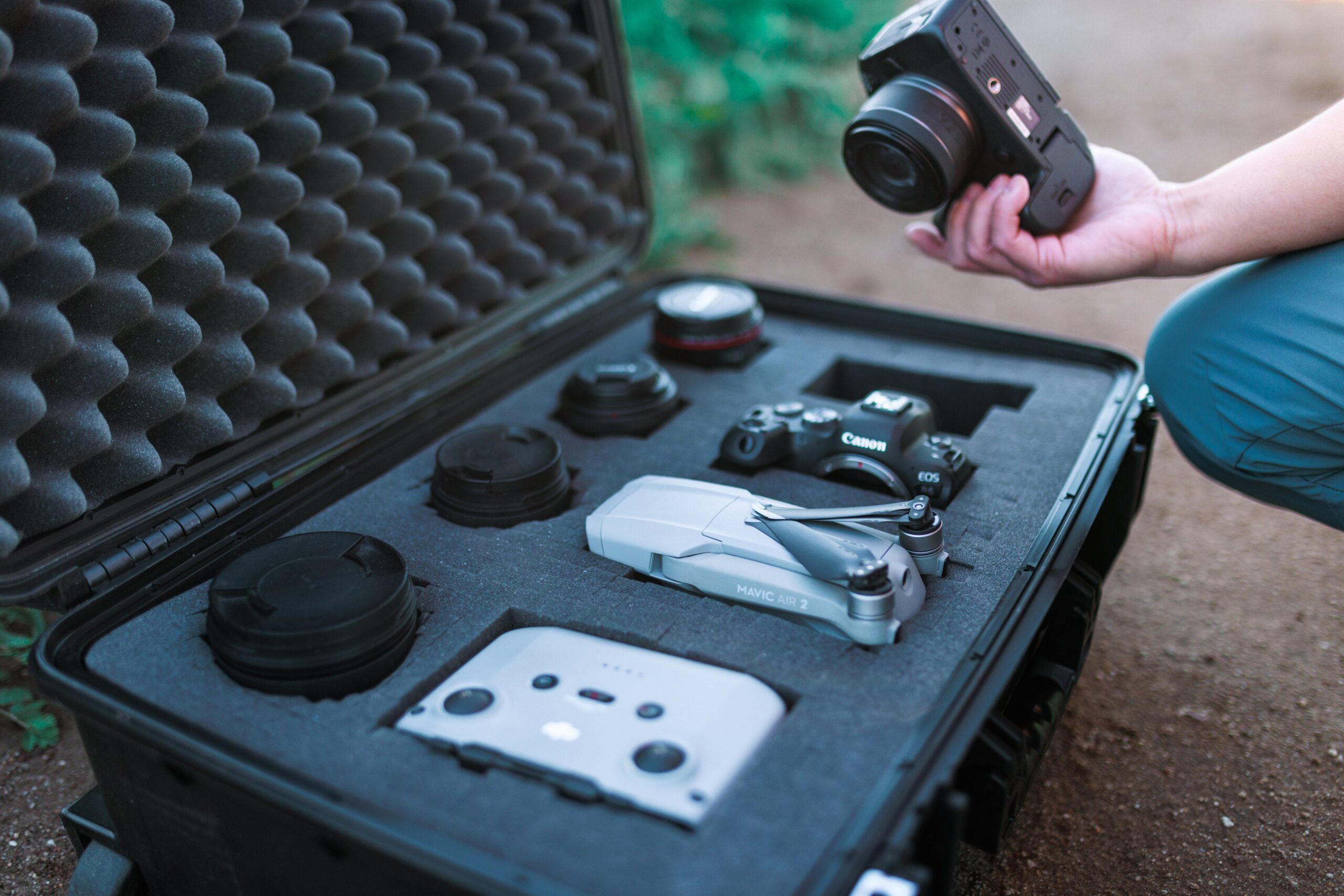
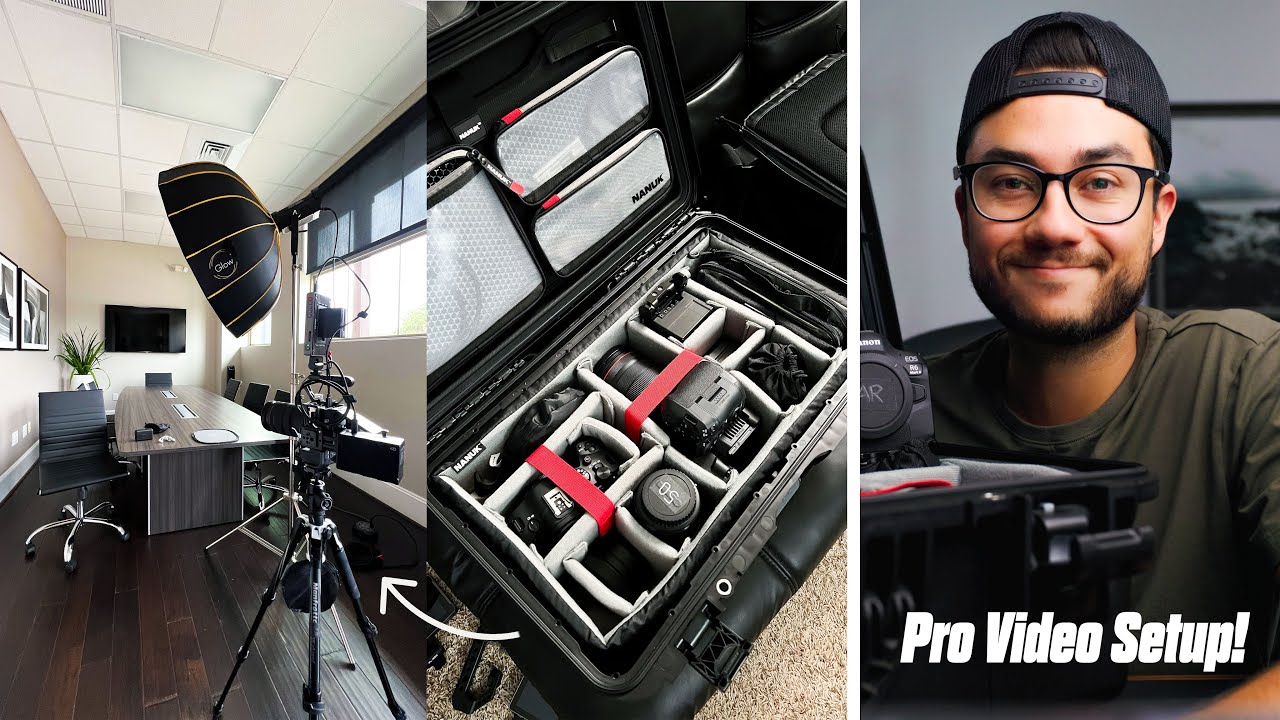
Baggage is the sticker shock. Camera gear travels in hard cases that blow past weight limits, so figure on multiple checked bags, oversize fees, and sometimes a fee to gate-check or hand-carry a tripod. A two-camera kit with lenses, audio, and lighting can run $150 to $400 in baggage charges each way. Some shooters ship gear ahead by freight for longer trips, which trades airline fees for shipping cost and adds a day on each end.
To make baggage concrete: a Pelican 1610 case with two mirrorless bodies and four lenses tips past 50 pounds, and most domestic carriers charge $100 to $150 for an overweight checked bag on top of the standard fee. Delta and United both stack oversize and overweight charges, so a single heavy case can hit $200 one way. That is why crews with a lot of glass often split gear across two lighter bags instead of one monster case.
Lodging and per diem round it out. Expect the room rate for every night the shoot requires, plus travel days on either side. Per diem covers meals and incidentals and typically runs $55 to $75 a day, sometimes billed against receipts instead of a flat figure. If you are hiring for that kind of work, the travel videographer directory is a good place to find people who already run these logistics regularly and price them cleanly.
How to keep travel costs from ballooning
The single best move is to hire local when the work allows it. For a real estate listing, a testimonial, or a standard event, a competent shooter within 30 miles of the site erases the entire travel category. Nothing shrinks videographer travel fees faster than a shooter who already lives near the venue. Browsing the wedding videographer listings or the corporate video listings for people near the site almost always beats bringing in a name from three cities over and paying to move them.
Here is how the math plays out. Say you are deciding between a local shooter at $2,800 and one two hours away at $2,300. Add drive time at half rate, round-trip mileage, and one overnight to the cheaper bid and you are looking at roughly $2,750 all in. The out-of-town discount is gone, and you have added risk: weather, traffic, and a pro who is less familiar with the venue.
When you do need to bring someone in, a few tactics genuinely cut the number:
- Give as much lead time as possible so flights and hotels book at normal rates instead of last-minute premiums.
- Cluster multiple deliverables into one trip so the travel cost spreads across more work rather than sitting on a single video.
- Offer to book and pay lodging directly instead of reimbursing, which removes any markup and gives you control of the room.
- Ask whether a local second shooter or assistant can be hired near the site rather than flown in with the lead.
One thing not to do is push the videographer to skip the overnight and drive through the night to save a hotel. You are trading $150 for a groggy operator running your only chance to capture a day that does not repeat. On a wedding especially, that is the worst possible place to economize. Pay for the room.
For videographers: pricing travel without losing the client
If you shoot for a living, travel is where you quietly lose money or quietly annoy clients, and often both. The fix is a written travel policy you apply the same way every time. State your local radius, your mileage rate, whether you bill drive time and at what rate, and how you handle flights, lodging, and per diem. Put it in the proposal, not the fine print. Clients rarely object to fees they were told about early. They object to fees that appear on the final invoice.
Decide in advance whether you absorb small travel or itemize everything. Absorbing the first 40 miles and charging only past that reads as generous and keeps small local jobs friction-free. For anything requiring a flight, itemize in detail and pass costs through at actual, not marked up, unless you are openly charging a logistics fee for the hours you spend booking and coordinating. That coordination is real work, and a flat $150 to $300 travel-management fee on complex trips is defensible when you name it honestly.
A simple spreadsheet or a tool like HoneyBook or Dubsado can auto-populate these lines from a saved template, so you are not re-deriving the mileage math on every quote. Build the travel block once, save it as a package, and the number stays consistent whether the client is a bride or a marketing director.
Protect yourself on the money side too. For fly-to jobs, collect travel costs as a non-refundable line at booking, because flights and deposits are money you spend before the shoot and cannot recover if the client cancels. Spell that out in the contract and cancellation FAQ alongside your cancellation policy. The goal is simple: never front airfare on a job that can evaporate without warning.
What to get in writing before you book
The contract should name every travel component that applies, not a vague travel to be determined. For a drive-to job, that means the mileage figure or rate, whether drive time is billed, and any overnight. For a fly-to job, it means flights, estimated baggage, lodging nights, per diem, and who books what. If a proposal says travel additional and stops there, send it back and ask for the breakdown. A professional will have one ready.
Watch for two red flags. The first is travel quoted as a suspiciously round flat fee with no detail, like a flat $800, which usually signals either padding or a shooter who has not actually priced the trip and may come back for more. The second is any travel cost that is refundable to nobody if the job cancels but is never disclosed as non-refundable up front. You want the cancellation and travel terms to line up so nobody is surprised. For drone and aerial work in particular, ask whether travel includes the time to scout and secure airspace, since aerial and drone jobs sometimes need an extra site visit that carries its own travel.
Get the estimate as a not-to-exceed number when you can. Actual flight and hotel costs move, so a good videographer will quote a ceiling and refund the difference if the real costs come in lower. That structure protects you from overruns while keeping the pass-through honest. If you are still comparing shooters, our pricing overview and how it works pages walk through where travel typically sits inside a full quote.
Before you sign anything, send one email: ask the videographer to itemize every travel fee that applies to your specific date and location. Getting videographer travel fees in writing before the deposit clears tells you two things at once. You learn the real all-in cost, and you learn whether this is someone who runs a tight, transparent business or someone who improvises the numbers. Both are worth knowing before the money moves.