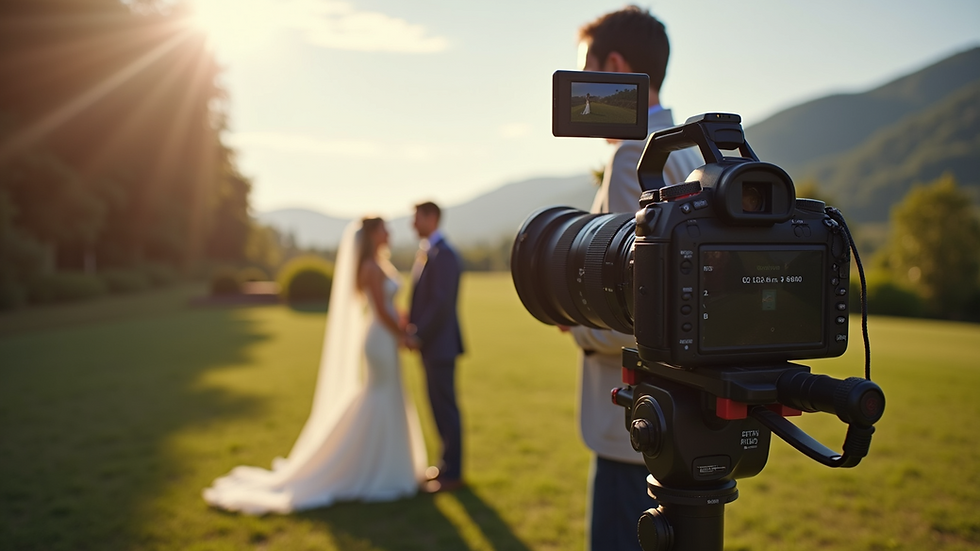
Your photographer just sent the engagement session gallery. Now you are wondering whether a short film of that same golden-hour afternoon is worth more of your budget. Maybe you saw a save-the-date clip on a friend’s feed and thought, we should have done that. So what does an engagement video actually run, and when is it money well spent?
Engagement video cost in 2026 runs from about $600 to over $4,000. The low end buys a solo shooter and a short highlight edit. The high end buys a cinematic production with two operators, drone coverage, and a scripted story. That is a wide gap. The number you land on has little to do with the calendar date. It tracks three things: how many hours you book, who holds the camera, and how the film gets cut. This guide breaks down the ranges and the add-ons that move the price. It also covers the questions worth asking before you put down a deposit.
What an Engagement Video Actually Includes
The term covers three different products, and mixing them up is the fastest way to get a quote that surprises you. Here is what each one actually means:
- Save-the-date film: short, usually 30 to 60 seconds, built to be posted or emailed with your wedding date on the last frame.
- Engagement session film: the video version of a photo shoot. Expect 60 to 90 minutes of filming at one or two spots, cut into a 90-second to three-minute piece.
- Proposal video: a different animal, often shot covertly by a hidden second shooter. It costs more because of the coordination and the single-take pressure.
Most couples asking about price mean the session film. You show up dressed. The videographer follows you around a park, a rooftop, or the street where you had your first date. A few weeks later, you get a polished short set to a licensed track. Some shooters run the session solo with a gimbal. Others bring a second operator for wide and tight angles at once. Clarify which of the three you want before you compare quotes. A $700 save-the-date and a $2,400 cinematic session are not the same product wearing different price tags.
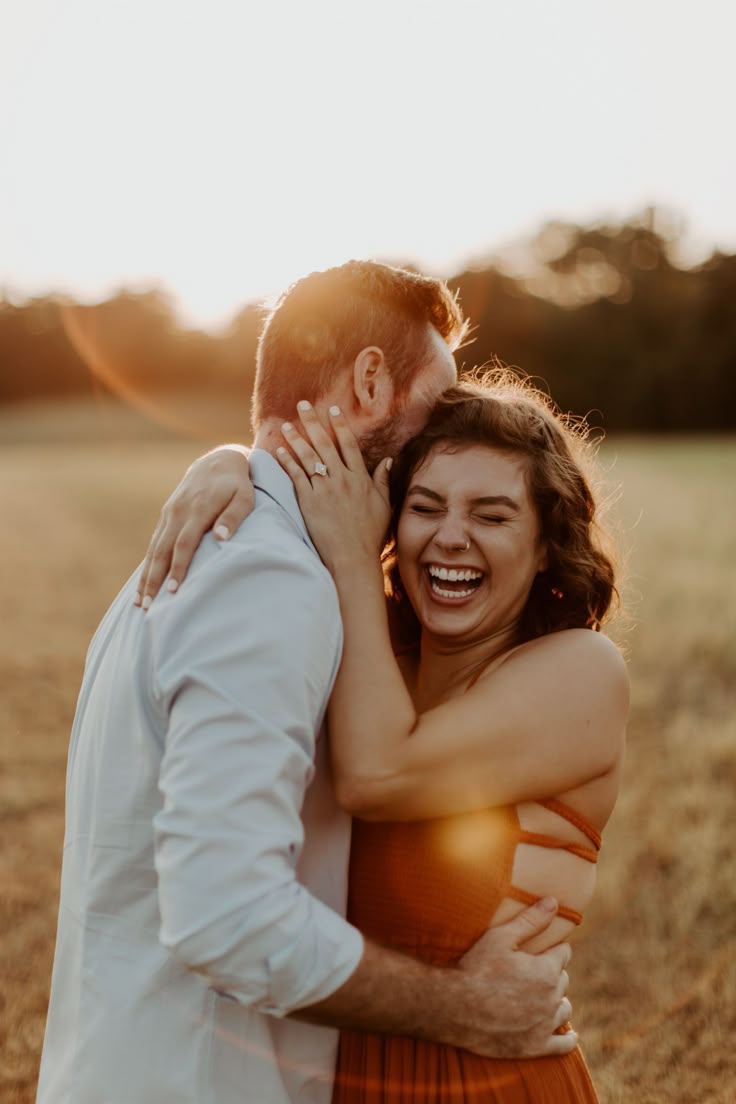
How Much Does an Engagement Video Cost in 2026?
Here is how the engagement video cost tends to break out by tier. These are US ranges pulled from what working videographers actually quote. They assume a single session, not a multi-day shoot.
- Budget, $600 to $1,200: one shooter, 60 to 90 minutes at a single location, a 60 to 90 second highlight edit, one round of revisions, delivery in three to four weeks.
- Mid, $1,200 to $2,500: one or two shooters, two locations, a two to three minute film with more setups, a licensed premium track, and often a short vertical cut for social.
- High end, $2,500 to $4,000-plus: two operators, drone coverage, an outfit change, a loose narrative or interview voiceover, color grading that matches your wedding film, and faster turnaround.
A lot of couples never buy the video as a standalone product. It shows up as a line item or a bundled perk inside a wedding package, which changes the math completely. A videographer already booked for your wedding might add a session for $500 to $900. There is no new client to chase and no separate contract to negotiate. The edit also reuses a style they have already built. Booked cold as a one-off, the same session might list at $1,400. A single short shoot has to carry its own overhead. Comparing full-day coverage too? Our breakdown of what goes into a wedding videography package shows where an engagement film usually sits in the tiers.
What Drives the Price Up or Down
The single biggest lever on engagement video cost is crew. A second shooter adds roughly $300 to $600 to a session, because it is another skilled person’s afternoon plus their gear. You get simultaneous angles. The edit can cut between a wide dolly move and a tight reaction. No one has to repeat the moment five times for the camera. For a short session film, one operator with a DJI RS 4 gimbal and a Sony FX3 is plenty. Two cameras earn their cost only on a cinematic piece meant to feel like a mini movie.
Drone footage is the next common add-on, usually $150 to $400. Price depends on the gear and the paperwork. Does the shooter own a DJI Mini 4 Pro? Do they hold a Part 107 remote pilot license from the FAA? That certificate is legally required for paid aerial work. Locations matter too. A public park is free. A rooftop bar, a botanical garden, or a historic venue is different. Each can carry a permit or filming fee of $50 to $500. That lands straight on your invoice. Then there is edit complexity. A straight highlight set to music is quick. Add an interview where you both talk about how you met, and the work multiplies. Now the editor is syncing audio, building a narrative, and pulling selects across a longer timeline. That is real labor.
Turnaround affects price the same way rush shipping does. Standard delivery is two to four weeks. Need it in five days to hit your save-the-date mailing? Expect a rush fee of 25 to 50 percent, because your project just jumped the queue ahead of everyone else’s. Season matters here too. A videographer buried in October weddings cannot edit your November session fast. In peak season a rush either costs more or is flatly unavailable. Book a spring or winter session and turnaround usually shrinks on its own.
Engagement Video vs Wedding Video: Should You Bundle?
Bundling almost always wins on price, and it wins on quality too, for a reason couples underestimate. The engagement session is a rehearsal. The videographer learns which of you freezes on camera and which side you each prefer. They see how you move together, and what makes you laugh instead of forcing the polite-photo smile. That intel makes your wedding-day coverage better. On the day itself, there is no time to figure any of it out.
On pure cost, adding a session to an existing wedding booking runs $500 to $900. Hiring it separately runs $1,200 to $2,500. The catch is that bundling ties you to one vendor for both. If you love a photographer’s engagement work but a different studio’s wedding films, the discount does not apply.
A quick example makes the gap concrete. A couple who books full wedding coverage at $4,500 might add the engagement session for $600. Their friends who only wanted the session paid $1,600 for the identical shoot from the same person.
There is also a scheduling reality. Engagement sessions usually happen four to eight months before the wedding. You have to book your videographer early enough to fit it in. Our wedding videographer booking timeline walks through when to lock things down so the session does not get squeezed.
One more angle worth weighing. If your budget is tight and you have to choose, choose the wedding. Most couples get more lasting value from strong wedding-day coverage than from an engagement film. The session is a nice-to-have. The wedding video is the record of the day itself. Spend accordingly.
What to Ask Before You Book
A quote without these answers is not really a quote. Before you sign, get clear answers on three things:
- Deliverables: how long is the final film, and how many separate cuts do you get? “An engagement video” might be one 90-second piece, or a main edit plus a vertical cut plus a 15-second teaser.
- Shooting hours: how many are included, and what happens if you run over? Overtime on a session can run $150 to $300 an hour.
- Revisions: how many rounds come with the price, and what does an extra change cost?
Music is the sleeper issue. A film scored to a popular song cannot legally be posted on most platforms without the rights. That is why professionals pull from licensed libraries like Musicbed or Artlist. Confirm the track is properly licensed. Otherwise your save-the-date can get muted or pulled off Instagram the day you post it. Want the specifics? The rules around licensing music for wedding and engagement films are stricter than most couples expect.
Finally, ask about raw footage and usage. Some shooters include the edited film only, and the unedited clips are either unavailable or a paid add-on. Get delivery format, resolution, and timeline in writing. A short, clear contract protects both sides, and any videographer worth hiring will have one ready. Watch for two clauses in particular: a weather and reschedule policy, and a cancellation refund schedule. An outdoor session that gets rained out should move to a new date without a second fee. Your contract should say so in plain language.
For Videographers: How to Price an Engagement Shoot
If you are on the shooting side, the mistake is pricing the session like a scaled-down wedding. It is really its own product with its own math. Start from your day rate and work down. A half-day shoot with a same-week highlight edit has to cover more than your two hours in the park. Price in your time on location, four to eight hours of editing, music licensing, and a margin. Undercharge here and you train couples to expect $500 films that eat a full day once you count the edit.
Bundle it deliberately. Offering the session at a discount to full-coverage couples is smart business. It locks in the larger job and gives you a rehearsal. It also produces content you can both post to win the next client. A reasonable structure is a standalone rate of $1,200 to $1,800 and a bundled add-on rate of $600 to $900. Keep the deliverable tightly scoped, one main film plus one vertical cut, with extra edits priced separately.
Getting found for this work is its own task. Couples search for engagement filmmakers the same way they search for wedding ones. A clear profile and a strong sample reel matter. Want more inbound bookings? Listing on a directory with transparent rates helps. See how BookVideographer works and the pricing and membership options. Both help you get your profile in front of couples who are actively hiring. Adding aerial work to your kit widens your range, and couples increasingly expect it. A spot in the drone videographer listings can send jobs your way.
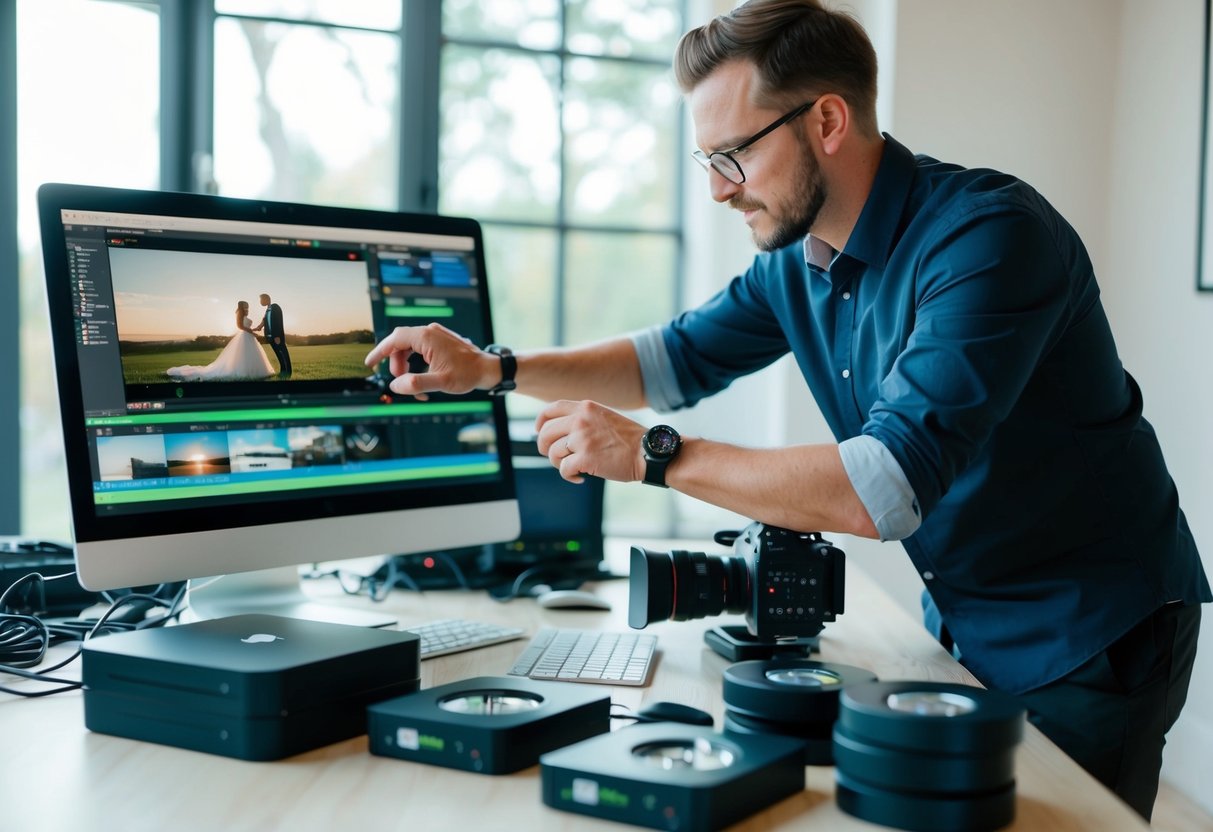
Ways to Keep the Cost Down Without Cheaping Out
You can trim the engagement video cost without ending up with something that looks like a phone clip. The cleanest cut is scope: book one location instead of three and skip the outfit change. Travel and setup time between spots is where the hours pile up. A single strong backdrop often beats three rushed ones. Timing helps as well. A weekday morning session usually costs less than a Saturday sunset slot. Weekend golden hour is the busiest, most requested window on any videographer’s calendar.
Go solo instead of two-camera if your videographer is skilled with a gimbal. For a 90-second highlight, one operator moving well gets you most of the way to a two-shooter look. That saves you a big chunk of the crew cost. Skip the drone if your location does not reward aerials. A rooftop or a forest trail does not need a bird’s-eye shot to work. And take standard delivery. Paying a rush fee to save two weeks rarely makes sense for a save-the-date you are mailing months out anyway.
The one place not to cut is the person. A $600 session from someone with a real reel beats a $1,500 session from someone still learning to hold focus. Watch full films start to finish, not just the polished three-second clips. Check that the audio, the color, and the pacing hold up across a whole piece. One practical test: ask to see a full film shot in conditions like yours. That means harsh midday sun or a dim indoor venue, not just their best-lit sunset reel. Not sure how to judge that? Our guide on reading a videographer’s portfolio covers what separates a strong reel from a lucky one.
Before you sign anything, get two numbers. Get one engagement video cost quote as a standalone, and one as a bundle with your wedding coverage. Put them side by side. Nine times out of ten, the bundle is the better deal. The couple who asks for both numbers is the one who does not overpay.