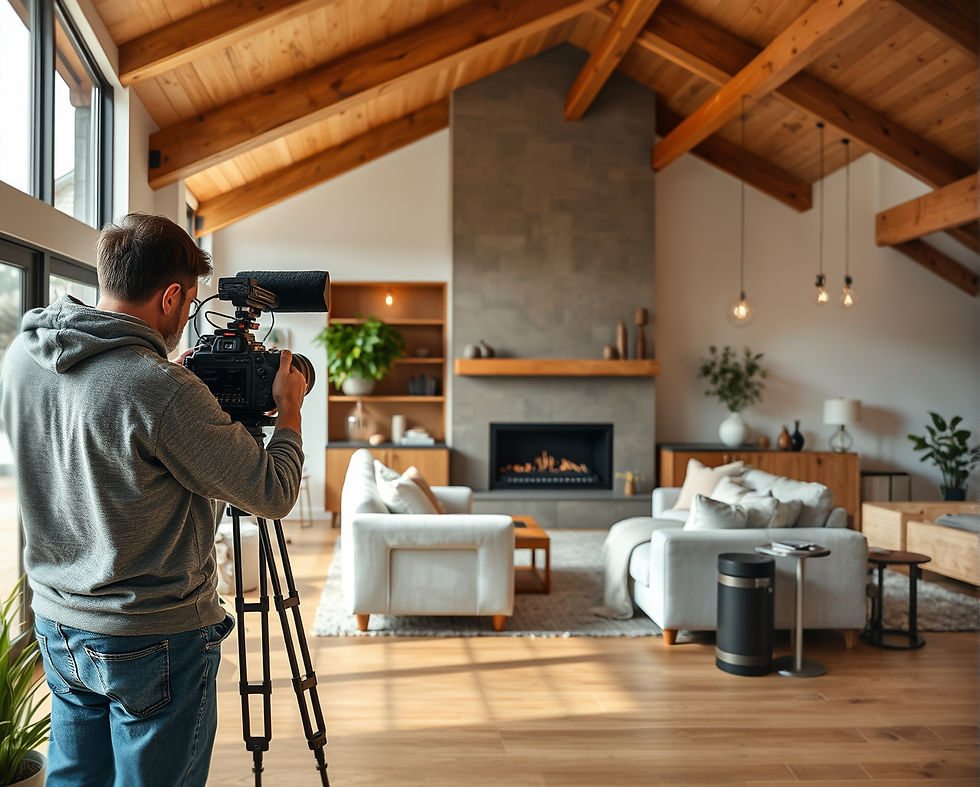
You shot a friend’s condo listing as a favor, the agent forwarded it to three colleagues, and now you are wondering if this could be an actual income stream instead of a one-off. It can. Real estate video is one of the few videography niches with repeat clients, short edit times, and agents who need new content every single week. Learning how to become a real estate videographer is less about buying a cinema camera and more about building a fast, repeatable system that a busy agent can trust with a $900,000 listing on a two-day deadline.
This is the business most videographers overlook because it looks unglamorous next to weddings and brand films. That is exactly why it works. The competition is thinner, the deliverables are standardized, and a good agent who closes 30 homes a year will call you for every one of them.
What it takes to become a real estate videographer
The job is not one product. A listing agent might want a 60-second cinematic walkthrough for social, a slower 2-to-3 minute MLS tour, a set of vertical clips for Instagram Reels, and drone exterior shots showing the lot and the neighborhood. Some want an on-camera agent introduction. Luxury listings sometimes want a full lifestyle film with talent, twilight exteriors, and a licensed music track.
Most of your work, though, will be bread-and-butter listings: three-bed suburban homes, downtown apartments, the occasional commercial space. The agent needs it shot, edited, and delivered before the open house that weekend. Speed and consistency matter more than any single hero shot. An agent will forgive a slightly soft frame. They will not forgive a Monday delivery when the listing goes live Saturday.
Understand the difference between what you are selling and what photographers sell. Photos still do the heavy lifting on the MLS. Video sells the feeling of moving through the space and the emotional pull of the neighborhood. If you want to see how buyers and agents weigh those two formats, the breakdown of real estate video versus photos is worth reading before you set your prices, because it tells you which deliverables actually change buyer behavior.
The gear that pays for itself
You do not need a $6,000 camera to start. You need stabilization, a wide lens, and clean coverage. A Sony a7 IV or a Canon R6 Mark II paired with a 16-35mm f/4 handles the vast majority of interior work. Wide is non-negotiable in real estate: kitchens and bathrooms are cramped, and a 24mm makes a nice bedroom look like a closet. Many pros shoot interiors between 16mm and 20mm on full frame.
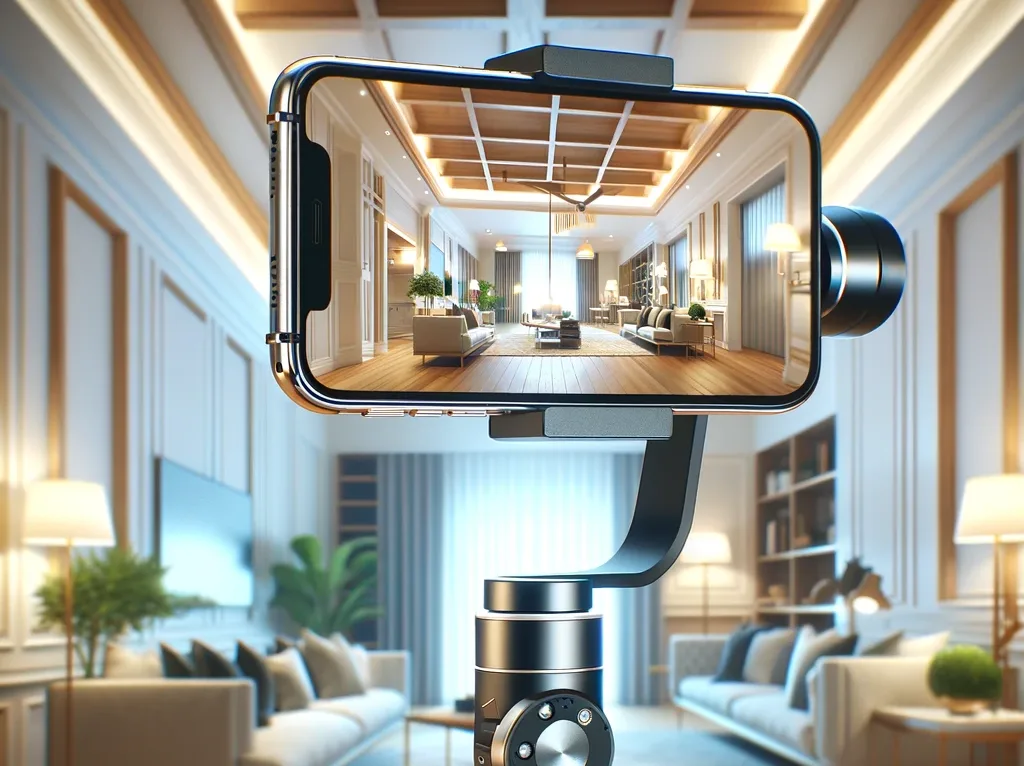
Stabilization is where the look is won or lost. A DJI RS 3 or RS 4 gimbal, running around $550 to $700, gives you the smooth glide that defines the genre. Handheld will read as amateur no matter how steady your hands are. Budget for a fast, wide prime or zoom, a set of ND filters so your shutter stays clean in bright rooms, and a solid tripod for any static or twilight shots.
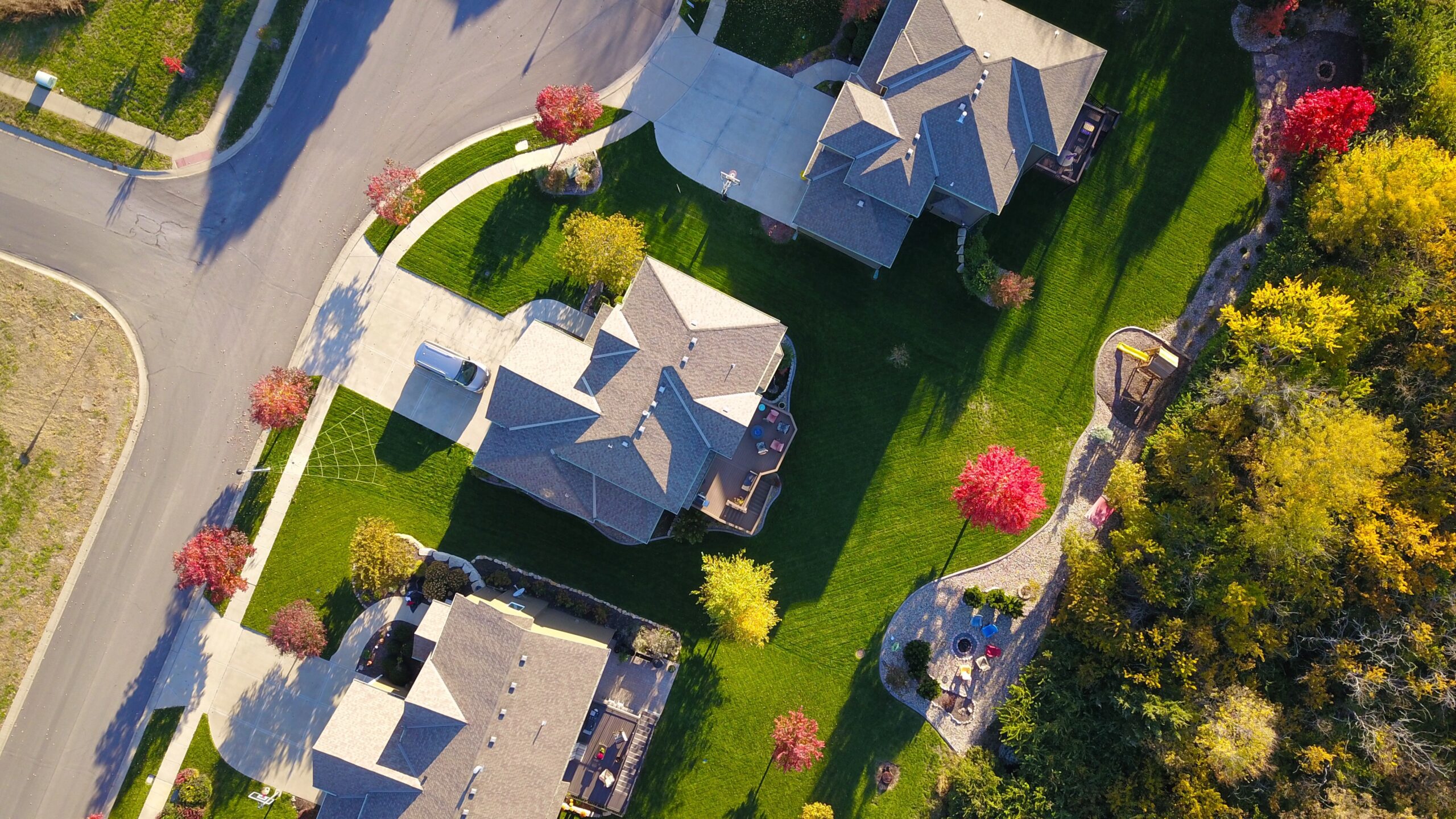
Then there is the drone. Aerial exteriors are a major selling point, and a DJI Mavic 3 or Air 3 covers most listings for $1,000 to $2,200. If you plan to charge for drone work, you need an FAA Part 107 certificate, because you are flying for compensation. That test costs $175 and a few weekends of study. Agents will ask whether you are licensed, and “sort of” is not an answer that protects you or them. For the aerial side of the business specifically, connecting with established drone videographers will teach you the airspace rules faster than any online course.
A realistic starter kit, camera, lens, gimbal, drone, filters, cards, and a laptop that can edit, runs $4,000 to $7,000. You can recover that in 15 to 25 listings.
What to charge per listing in 2026
Here is where most new real estate videographers undercharge and then burn out. Set your prices against the value of the property and the agent’s commission, not against your insecurity.
A standard single-listing video package in most US metros runs $250 to $600 in 2026. That typically covers a 1-to-2 minute edited walkthrough, delivery in horizontal and vertical, and same-week turnaround. Add drone exteriors and you are at $400 to $800. Luxury listings, twilight shoots, listings above $1.5 million, or anything requiring talent and a lifestyle narrative push you into $1,200 to $3,500 and beyond.
A few pricing structures actually work in this niche:
- Per-listing flat rate. Simplest for agents to approve. One price, one deliverable set, one deadline.
- Tiered packages. A basic walkthrough, a mid tier with drone, and a premium with twilight and social cutdowns. Agents self-select by listing value.
- Monthly retainer. For a high-volume agent doing three or more listings a month, a set fee for a set number of shoots. This is the holy grail because it smooths your income.
Mileage matters. Agents cover a territory, and a listing 40 minutes away eats your morning. Build a travel radius into your base price and charge beyond it. If you want a fuller picture of how videographers structure rates across niches, the pricing overview shows where real estate sits relative to weddings and corporate work. Do not anchor your rates to the cheapest person on a local Facebook group. Anchor them to the fact that a good video can help sell a home days faster.
Building a portfolio when you have no clients
The chicken-and-egg problem is real. Agents want to see real estate work, and you cannot show real estate work until an agent hires you. Break the loop by creating inventory on your own terms.
Start with your own home, a family member’s place, or a friend’s rental. Shoot it as if a top agent hired you. Then approach two or three agents with a specific offer: you will shoot their next listing free or at a steep discount in exchange for permission to use the footage in your portfolio and a testimonial if they like the result. Frame it as a trial, not charity. Most agents who list regularly will take that deal, because the downside for them is near zero.
Another route is the newly built spec home or a staged model unit. Builders and staging companies want content too, and an empty, styled house is far easier to shoot than an occupied home full of clutter and toys. Three strong listing videos, varied in property type, are enough to start charging. You do not need twenty.
When you present the work, keep the reel tight. An agent scanning your portfolio decides in the first ten seconds. Lead with your best walkthrough, cut anything soft or shaky, and label each piece with the property type and what you delivered. If you are unsure what separates a hire-worthy reel from a forgettable one, study how buyers read a videographer portfolio and build yours to survive that scan.
Finding agents who will hire you again
One loyal listing agent is worth more than fifty one-time clients. Your entire strategy should orient around repeat relationships. A single agent closing two dozen homes a year, calling you for each one, is a stable business by itself.
Start local and specific. Identify the ten most active listing agents in your area using recent sold data on Zillow or your local MLS activity. These are people who move volume and can justify a video budget. Cold outreach works better than you think if it is short and shows the work. Send a two-line message, a link to one video, and a clear price. No paragraphs about your passion for storytelling.

Brokerages are the other lever. Some offices have a preferred vendor list or an in-house marketing program. Getting on that list can mean a steady flow of listings from a dozen agents at once. Show up to a sales meeting, offer to shoot one listing at a trial rate, and let the results sell the room. Real estate is a referral culture. Agents talk, and one impressed agent will mention you at the next office huddle.
Do not ignore the low-effort inbound sources. A profile on a directory where agents already search for real estate videographers puts you in front of buyers who are actively looking, rather than hoping they stumble on your Instagram. Listing your services on BookVideographer is a straightforward way to catch that demand while you build direct relationships. Combine inbound and outbound and you stop depending on either one.
The workflow that keeps you profitable
Margins in real estate video come from speed. If a listing shoot takes you two hours on-site and eight hours to edit, the math does not work at $400. The goal is a repeatable pipeline where a standard listing is shot in 60 to 90 minutes and edited in two hours or less.
Shoot with editing in mind. Plan your moves: reveal shots pushing into each room, slow pans across key features, detail shots of the finishes an agent will brag about. Shoot in a consistent order every time so your footage lands in the timeline predictably. Lock your white balance per room. Nail exposure in camera so you are not fixing it later.
Build a template in your editor, whether that is Premiere Pro or DaVinci Resolve, with your intro card, transitions, and export presets already set. Keep a small library of licensed music you can drop in without hunting for a track every job. Consistency here is a feature, not laziness: agents come to recognize your style, and you shave hours off every edit.
Delivery should be frictionless. Agents want a link they can forward, files sized for MLS upload limits, and vertical cuts ready for social. Deliver in a clean shared folder with everything labeled. The agent who gets a tidy, on-time delivery becomes the agent who never shops around again.
The business side you cannot skip
Treat this like a business from job one. Get liability insurance before you set foot in someone’s home with a gimbal, because you will be moving fast around furniture, glass, and other people’s belongings. A basic general liability policy runs a few hundred dollars a year and is often required to shoot in occupied or luxury properties.
Use a simple contract for every job, even the friendly repeat ones. Spell out the deliverables, the number of revisions, the turnaround, the usage rights, and the payment terms. Real estate clients usually expect to pay on delivery, but for retainer relationships you may bill monthly. Decide up front whether the agent can use the footage forever or only while the listing is active. Most real estate licenses are broad, but write it down anyway.
One more thing: track your numbers. Know your cost per shoot, your average revenue per agent, and how many listings you need per month to hit your target income. When you can become a real estate videographer who thinks in retainers and repeat clients rather than one-off gigs, you have built something that pays through slow seasons. Pick three active listing agents this week, shoot one property on your own to prove you can, and send it to them with a flat price and a delivery date. The agents who hire you a second time are the whole business. Everything else is just the audition.