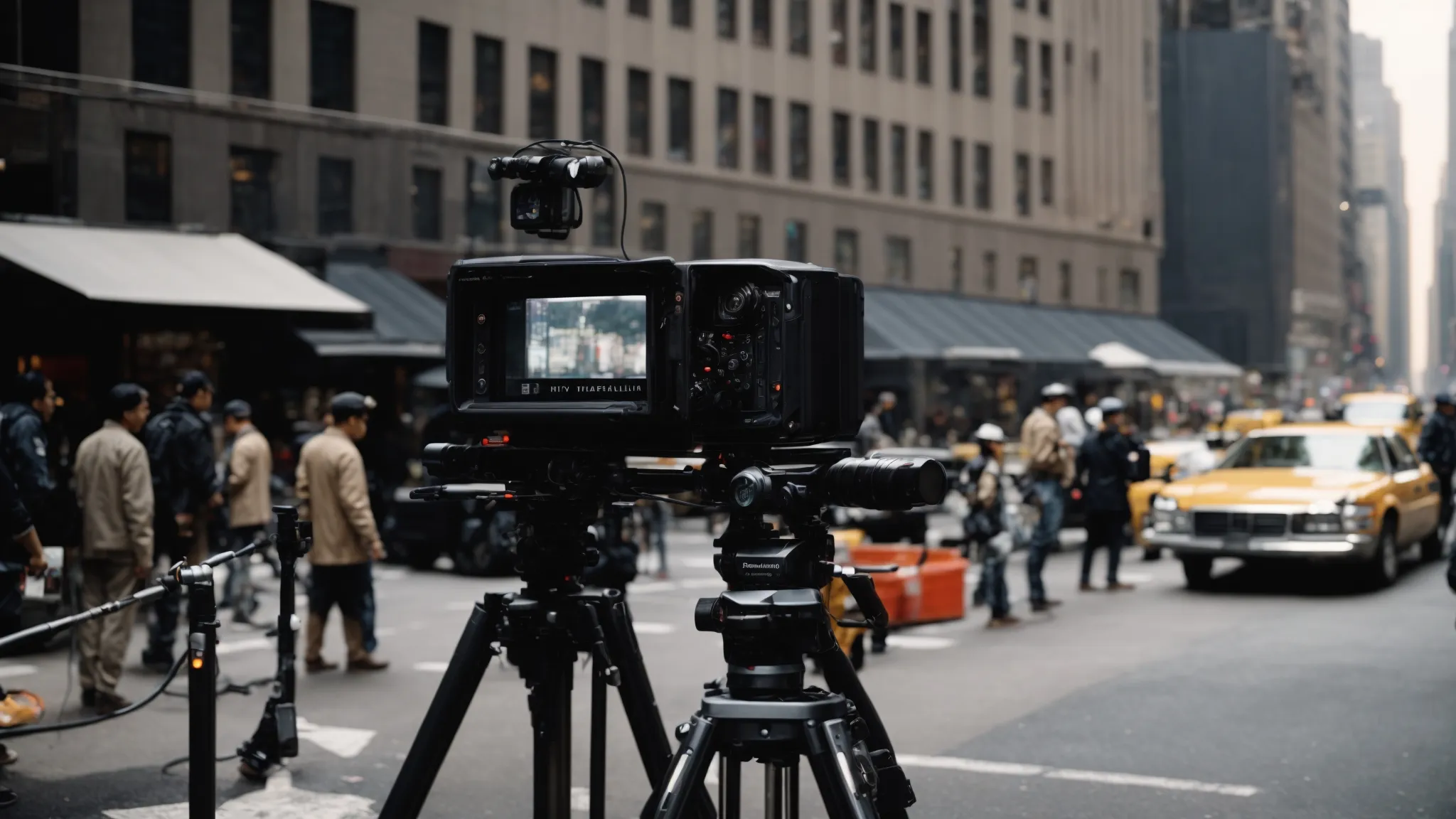
A brand client books you for a Tuesday morning on the sidewalk outside their new flagship store. You set the tripod down at 8:40. By 8:55, building security wants to know who authorized this. Film permit costs decide whether that conversation lasts ninety seconds. The alternative is your client losing a shoot day they already paid four figures for.
The fee itself is usually the cheap part. What hurts is everything stacked around it. Lead time nobody budgeted. A certificate of insurance your broker needs two business days to issue. A parks department that closed applications for that weekend three weeks ago. Here is how the system actually works in 2026, and what the numbers really look like. More useful still, here is how to put permits on a quote instead of eating them.
What Actually Triggers a Permit Requirement
Cities don’t regulate filming because you’re making money. They regulate it because of physical impact. Gear on the ground, crew standing in a pedestrian right of way, vehicles parked where the public expects to park. Once that clicks, most of the confusion clears up.
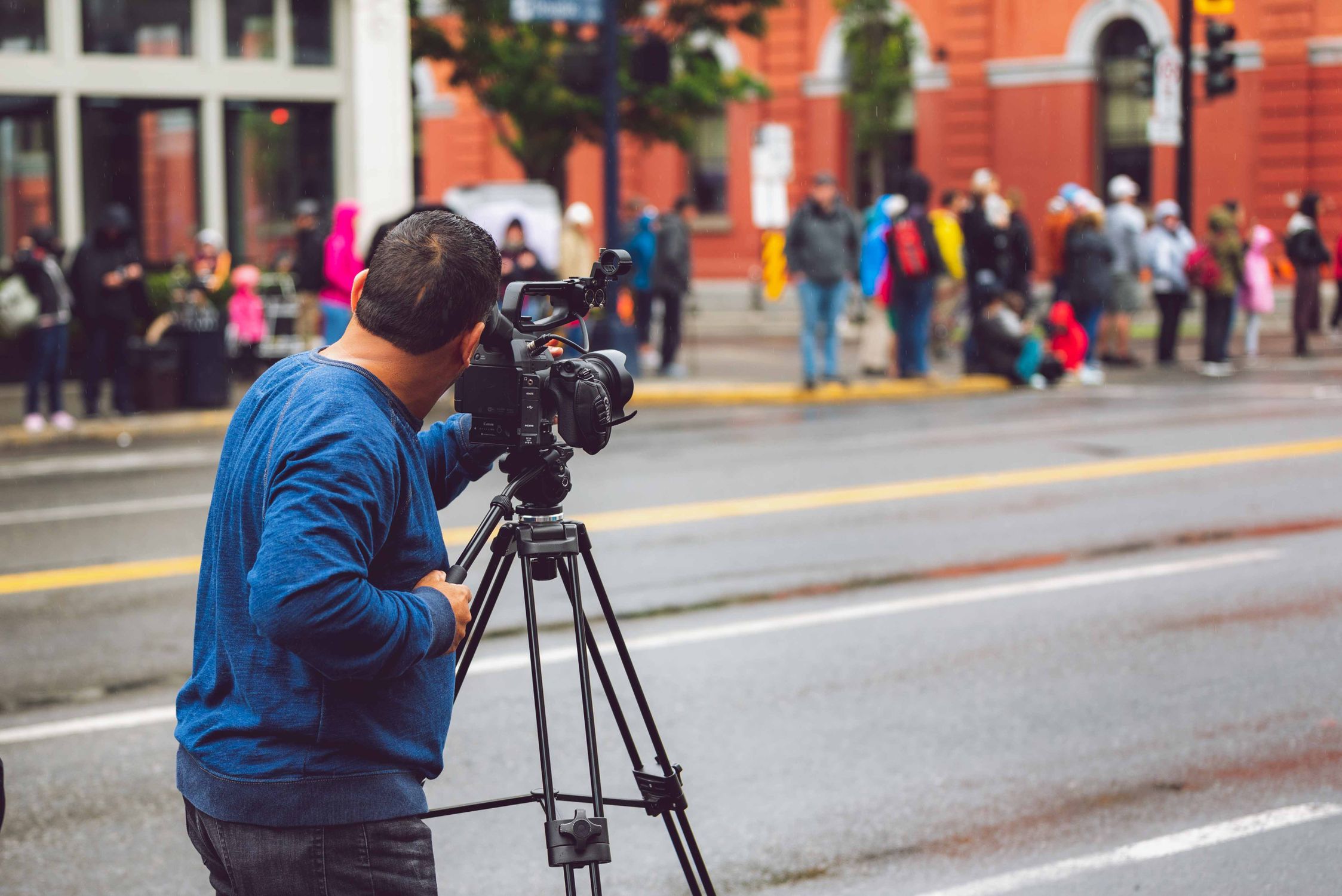
The triggers are fairly consistent across US jurisdictions:
- Equipment resting on public property: sticks, a light stand, a slider, a loaded Inovativ cart. A tripod converts you from a pedestrian into an obstruction, and that is the whole legal theory.
- Crew size past a threshold, usually somewhere between five and ten people including talent.
- Generators, exclusive use of metered parking, or any closure of a lane or sidewalk.
- Prop weapons, drones, and talent changing wardrobe inside a vehicle.
New York City shows the exemption logic most clearly. The Mayor’s Office of Media and Entertainment skips the permit if you shoot handheld. Keep the gear off the ground, never claim exclusive use of city property, and you are exempt. Put down sticks, or ask pedestrians to walk around you, and you’re in permit territory. Los Angeles is stricter in practice. Smaller cities are all over the map. One town has a one-page online form, the next routes you through the police department. A surprising number have no process at all, and a clerk tells you to call the parks supervisor.
My test before any exterior job is three questions. Am I placing anything on the ground? Will I hold the same spot longer than a few minutes? Would a stranger have to change their path because of me? Two yeses and I call the film office. Most solo shooters skip that call, assuming nobody enforces this. Enforcement is random right up until it isn’t. It is never random on the day your client brings their VP of marketing to set.
Film Permit Costs in 2026: What Cities, Parks, and Venues Charge
There is no national fee schedule. Film permit costs swing by an order of magnitude depending on who owns the ground under your tripod. Treat every number below as a starting point. Verify it against the current fee schedule before it goes into an estimate.
City film offices
New York City still issues its standard permit at no charge. You pay nothing for the paper itself. You do carry general liability of at least $1 million naming the City of New York as additional insured. Processing takes two to five business days. Los Angeles routes through FilmLA, where the application fee alone has sat in the four-figure range recently. Call it $1,000 to $1,400 for a standard permit, before jurisdiction fees, resident notification, and monitors.
Monitors are the sneaky part. Fire safety officers, police, and park staff bill separately, commonly $50 to $110 an hour. Four-hour minimums are standard, so a shoot that “only” needed one officer adds $400 before anyone rolls. A single-day exterior in Los Angeles realistically lands between $1,500 and $3,500. Mid-size markets are far gentler: $50 to $350 a day. Some waive the fee entirely if you provide a certificate of insurance and a shot location. Plenty of freelancers pad a quote as if every city were LA. They lose the job to someone who spent ten minutes reading the actual fee schedule.
Parks and public land
State parks usually charge a $50 to $250 application fee. On top of that sits a daily location fee scaled to crew size, often $100 to $500. National Park Service sites charge an application fee around $300 plus location fees that climb with headcount. Rules for small, low-impact crews have moved more than once since the 2021 litigation over commercial filming fees. The National Park Service commercial filming guidance is the only version that counts. Individual parks read it differently. Call that park’s film coordinator rather than trusting a blog post, this one included.
Private property, venues, and transit
Private property is a different animal. You aren’t buying a permit, you’re buying access. A house, warehouse, restaurant, or rooftop typically runs $500 to $2,500 a day in secondary markets. In Los Angeles or New York, the same locations run $1,500 to $6,000. Airports, transit systems, and stadiums keep their own media offices and their own numbers. Expect $500 to $2,500 a day there, plus a mandatory escort you also pay for. Rush processing, where it exists at all, tends to cost double.
The Certificate of Insurance Is the Real Gatekeeper
Permit applications get rejected over insurance far more often than over content. The standard ask is $1 million per occurrence and $2 million aggregate in commercial general liability. The permitting body has to appear as additional insured on the certificate. Some cities want $2 million per occurrence. Add workers’ compensation if anyone on set isn’t you, and auto liability if a production vehicle is involved.
Your equipment policy does nothing for this. Inland marine covers your FX3 and your glass. General liability covers the city against the person who trips over your C-stand. Annual GL for a solo videographer runs roughly $450 to $900, depending on state and payroll. Short-term production policies from on-demand carriers like Thimble or Athos run $60 to $150 a day. Shoot commercially more than four or five times a year and the annual policy wins on price. It also means producing a certificate the same afternoon instead of waiting on an underwriter.
Wording is what trips people up. Cities want an exact additional-insured phrase, something like “City of Austin, its officers, agents, and employees.” They want a certificate listing the shoot dates and the location address. One wrong word and it bounces, which costs you a day you didn’t have. Ask the permit office for their sample certificate before you email your broker. Forward it verbatim and a usable COI normally lands within twenty-four hours. Clients new to production ask about this on the first call more often than you’d expect. Explaining it plainly on your pricing page beats writing the same email in a panic the week of the shoot.
Weddings, Real Estate, and the Permission Gray Zone
Most wedding videographers never touch a city permit. The ceremony and reception sit on private property the couple already paid for. The exceptions are predictable: public parks, beaches, historic districts, courthouse steps, and photogenic bridges. Park ceremony permits usually run $50 to $300, and they belong to the couple, not to you. The catch is headcount. Permits often cap attendance in a way that counts vendors. Ask early whether you and a second shooter eat two of those slots. National park weddings are the strictest version: special use permits, hard caps, and rangers who enforce both.
Venues add a layer that has nothing to do with government. Approved vendor lists and mandatory COIs naming the venue are routine at hotels and country clubs. Vendor fees of $100 to $500 show up on the same paperwork. Some churches still ban anything past a single locked-off camera at the back of the room. Ask for the vendor packet during the booking call, not the week before. That week-before call is when you learn you need a certificate naming an LLC nobody has heard of.
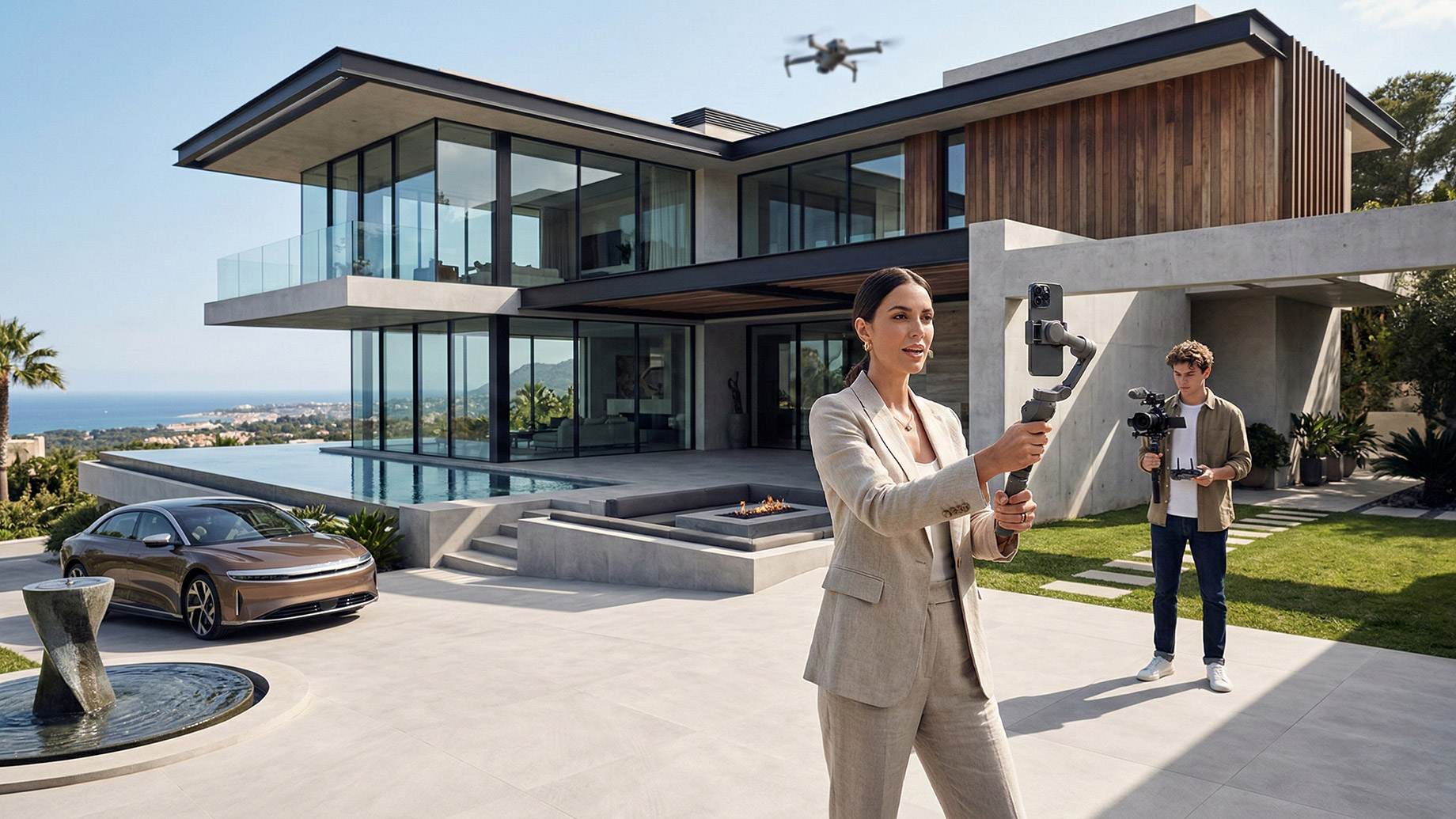
Real estate work has a quieter version of the same problem. A listing agent can authorize you inside the house. That authority stops at the property line. Blocking a private road or shooting into a neighbor’s yard is not theirs to approve. Neither is flying over a gated community with its own drone ordinance. HOA rules get enforced through the property owner even when they don’t apply to you directly. The agent will remember whose fault the complaint was. Get written confirmation from whoever hired you that access is cleared, then keep it in the job folder.
Drone Work Adds a Second Layer of Approval
Airspace and ground are governed by different authorities, and you need clearance from both. Federally, commercial flight requires a Part 107 remote pilot certificate, aircraft registration, and airspace authorization. That authorization applies any time you are inside controlled airspace. LAANC handles most of it in seconds, at no cost, through an approved app like Aloft or Autopilot. Ceilings usually run 0 to 400 feet depending on the grid square. Facilities outside LAANC take the manual FAA route, which can run 30 to 90 days. Check the map before promising a client aerials next Thursday.
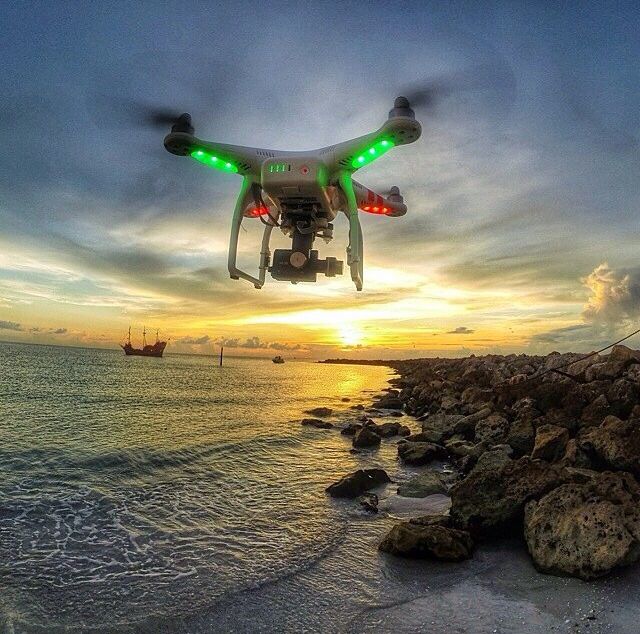
Ground permission is separate and often tighter. The National Park Service bans launching, landing, and operating from park lands, and no permit fixes that. Many state and city parks ban takeoff and landing on their property. Some operators launch from an adjacent public street instead: legal in some jurisdictions, a citation in others. Stadiums carry a standing restriction within three nautical miles of qualifying games. It runs from one hour before to one hour after. Temporary flight restrictions also appear around VIP movements with almost no warning.
Aerial insurance is usually a separate endorsement or policy, since most standard GL forms exclude aircraft. Annual drone liability at $1 million typically runs $500 to $1,200. Hourly on-demand coverage sits around $10 to $25 per flight hour. Quote aerial and drone work for a commercial client and expect a document request. They want the certificate, the Part 107 number, and sometimes a screenshot of the LAANC approval. Keep all three in one folder you can attach in under a minute.
How to Bill Permits Without Absorbing the Cost
Film permit costs belong on the estimate as their own line item, never folded into a day rate. Mine reads: “Permits, location fees, and required insurance certificates: estimated $1,200, billed at cost with receipts.” That word “estimated” is doing real work. Monitor hours and notification costs are frequently unknowable until the office processes the application.
A coordination fee on top is normal and defensible. Ten to fifteen percent of the permit total works, or a flat $150 to $350 for handling the application. It covers the hour on hold with a film office and the second hour spent fixing a certificate. Production companies bill this openly and nobody blinks. Solo operators forget, then wonder why a $2,400 shoot day felt like it paid $1,900.
Timing clauses matter as much as money. Put in writing that permit lead times are outside your control. The client owns permit and location fees. A denied or delayed permit triggers a reschedule, not a refund. Then build the calendar backward:
- Ten business days for a city permit in a major market, five in a small one.
- Three days for the certificate of insurance.
- One buffer day for the application that comes back wrong.
If someone calls Wednesday wanting a Saturday exterior in a permit-heavy city, be honest. The answer is to move to private property or a location they already control. Clients hiring for brand films can usually flex a marketing calendar by a week. Almost none of them carry a budget line for a shutdown.
What It Costs to Skip the Permit
The realistic worst case isn’t a fine. It’s a shutdown at 10:15 with talent booked until two and a client standing next to you. No legal way to finish the day. Citations, where they get written, tend to run $250 to $1,000 for a first offense. Some cities add the permit fee plus a penalty multiplier on top. The bigger cost is institutional memory. Film offices keep records, and an operator with a citation moves to the slow lane on every future application.
Insurance is the part people underestimate. Say someone gets hurt on a shoot you were running without required authorization. Your carrier now has a defensible reason to examine that claim closely. Your client’s counsel will ask in writing whether the production was permitted. Agencies and in-house marketing teams increasingly want a permit copy sitting in the deliverables folder. Drone violations sit in their own category. FAA civil penalties reach five figures per violation, with certificate suspension on the table for repeat offenders.
None of this argues for permitting everything. A handheld two-person interview on a quiet residential street is not a permit situation in most cities. Not when the subject lives there and the whole thing takes forty minutes. Treating it like one wastes your client’s money. The judgment call is about impact, visibility, and how much the client loses if the day dies. A $600 real estate shoot and a $12,000 national brand spot deserve different amounts of caution. Pricing film permit costs honestly is how you show a client you thought about the day past the shot list.
Before your next exterior job, spend fifteen minutes on one piece of homework. Find the film office page for the city you work in most. Save the application link and the sample insurance wording. Then email your broker to confirm how fast they can turn a COI around. That folder pays for itself the first time a client asks for something on four days’ notice.