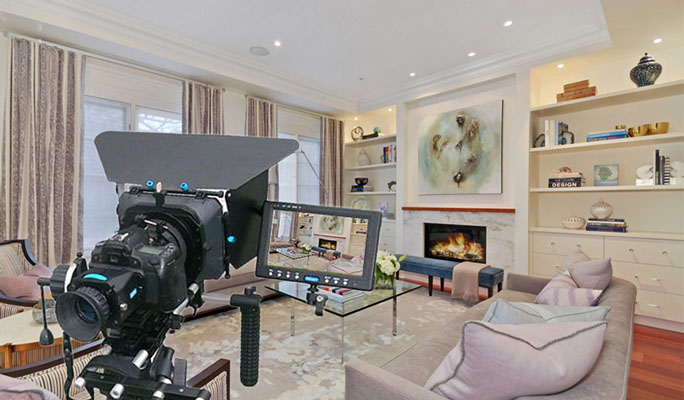
Homes with video get 403% more inquiries than homes without, according to the National Association of Realtors. That stat shows up in every marketing pitch, but it dodges the question agents actually care about: for a specific listing at a specific price point, will the $300 to $800 spent on real estate video vs photos change the outcome? The honest answer depends on the property, the local market, and what you’re measuring.
Real Estate Video vs Photos: What the Numbers Show
The NAR’s 2024 Profile of Home Buyers and Sellers reported that 73% of homeowners preferred listing with an agent who uses video. That preference shows up in platform metrics, too. Redfin found that video listings sold 20% faster on average in matched zip codes, and Zillow’s internal data shows video tours earning roughly twice as many saves as photo-only listings.
Every one of those numbers comes with a caveat. They lump together different types of video, different price points, and wildly different markets. A 90-second walkthrough shot on a gimbal-stabilized Sony FX30 is a very different product than a shaky phone pan uploaded to the MLS. A luxury listing at $2.5 million and a starter home at $275,000 have completely different marketing math.
Still, the aggregate data establishes a useful floor. Professional photos are non-negotiable for any listing over $200,000. Video adds measurable engagement for listings above roughly $400,000. Below that line, the ROI on video gets harder to pin down, and your local conditions matter more than national averages.
Agents in competitive markets like Austin, Raleigh, and Nashville who consistently pair listings with video report shorter days on market and more sight-unseen offers from relocating buyers. The reason is straightforward. Video captures flow, proportion, and the way rooms connect. Photos show individual spaces; video shows how a home actually lives.
Video performance also compounds. A listing with video that sits for 30 days keeps accumulating views and saves. A photo-only listing at 30 days? Buyers mentally file it as stale inventory, even when the photos are excellent. Video gives people a reason to revisit and share the link with their partner or agent.
What Professional Photos Still Do Best
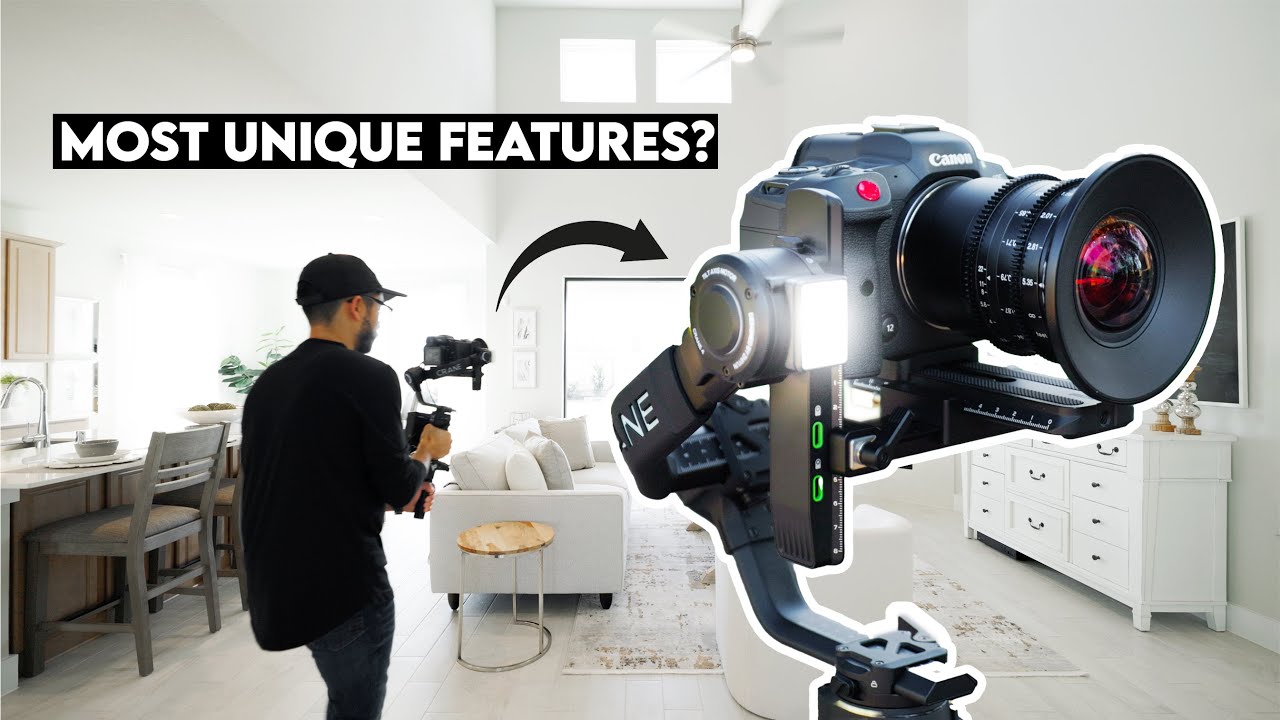
Professional real estate photography is the foundation every listing rests on. Even the best walkthrough video can’t replace a well-lit, wide-angle photo set when a buyer is scrolling Zillow at midnight on their phone.
MLS platforms display photos first. The lead image is what stops someone mid-scroll, and it’s almost always a sharp, properly exposed shot of the kitchen or front exterior. That single click is what everything else depends on. Video thumbnails, by contrast, are compressed still frames that nearly always look worse than a dedicated photograph.
Print materials still run on photos. Flyers, postcards, magazine ads, and social media carousels all need stills. A set of 25 to 40 professional photos costs $150 to $400 for a standard residential property, with most photographers delivering edited images in 24 to 48 hours.
Photos are faster to consume, and that matters during the browsing phase. A buyer scrolling through 30 listings on a Saturday morning flips through photos in seconds. They’ll only watch video for the two or three homes that made the short list. Photos do the filtering; video does the convincing.
For listings under $350,000 in most U.S. markets, professional photos alone get you where you need to go. The real quality gap at this price point isn’t between photos and video. It’s between a $200 professional photographer and an agent shooting on their iPhone 15. That $200 pays for itself every time.
Where Video Changes the Buyer’s Experience
Still photos struggle with three things, even when they’re excellent: spatial relationships, natural flow, and neighborhood context. Video handles all three.
A living room photo shows you the room and gives a rough sense of scale. A walkthrough shows the path from living room to kitchen, down the hallway, and into the bedrooms. Buyers consistently say video helps them feel the layout in a way no photo gallery matches. For properties with unusual or open floor plans, this gap only widens.
Light works differently on video. A still freezes one moment in one exposure. On video, you see morning sun filling the kitchen, golden-hour glow in the backyard, and how light shifts through rooms as the camera moves. A skilled videographer times the shoot to catch the property when it feels most alive. That intentionality is nearly impossible to replicate with stills.
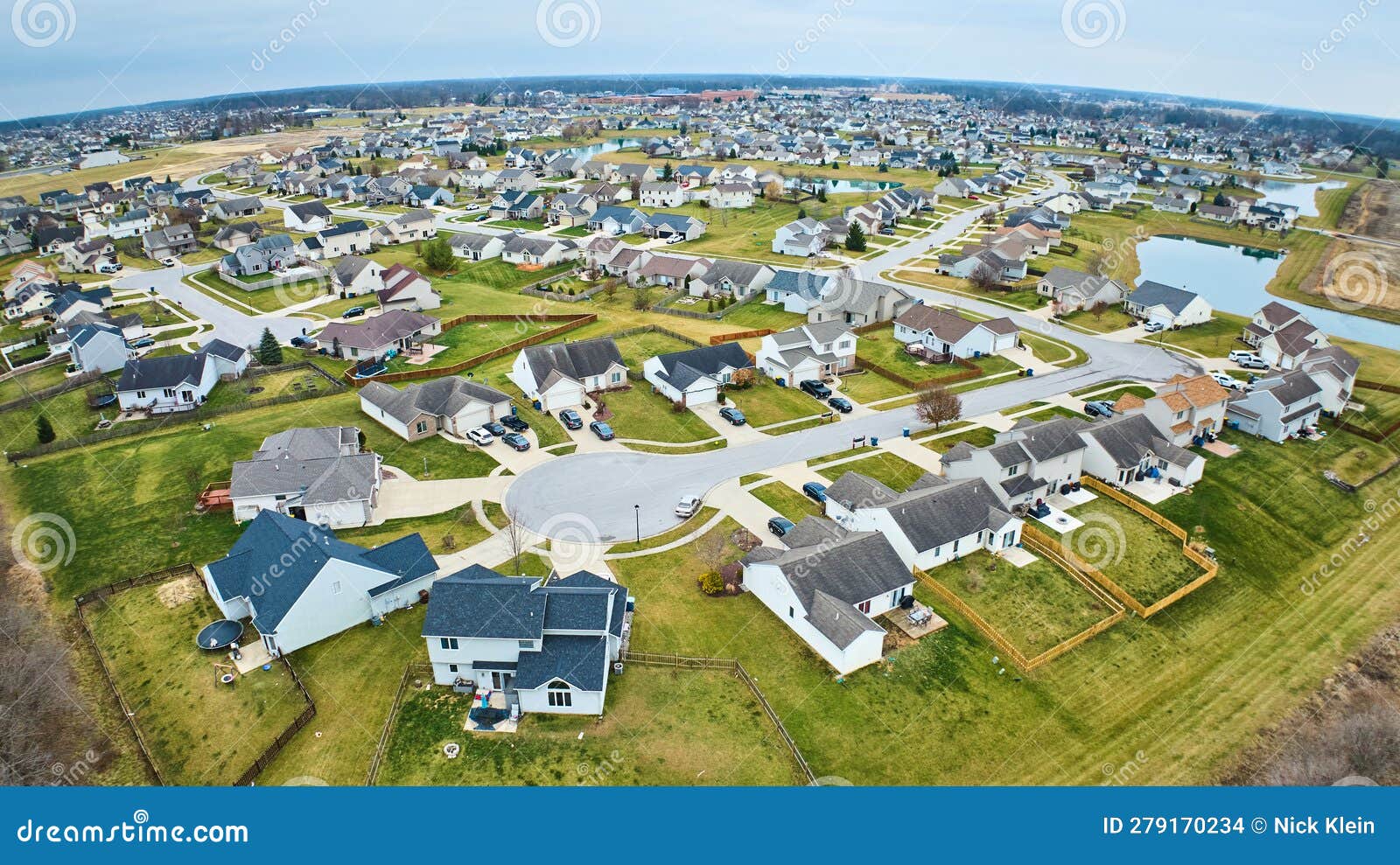
Context beyond the four walls is the third piece. Drone footage of the surrounding neighborhood, the lot size relative to neighbors, proximity to parks or downtown: a 15-second aerial clip communicates what ten photos and a paragraph of listing description cannot.
For relocating buyers who can’t visit in person, video is the deciding factor between making an offer and scrolling past. Markets near military bases, tech hubs, and university towns see this consistently. Agents in those areas call video their highest-return marketing spend, and the data backs them up.
3D virtual tours like Matterport serve a different purpose than listing video. A Matterport scan ($200 to $400) lets buyers click through rooms at their own pace, which helps with floor plan comprehension. But it lacks the emotional pull of a well-produced video. If you can only budget for one, video wins on engagement and social shareability by a wide margin.
Types of Real Estate Video Worth the Investment
Real estate video isn’t one-size-fits-all. The format should match the property, the price point, and the marketing plan.
Walkthrough tours are the workhorse. A 60-to-120-second video shot on a gimbal (DJI RS 4 or similar) with a full-frame camera walks through the home from front door to backyard. Cost runs $300 to $600 depending on square footage and market. This format delivers the strongest cost-to-impact ratio for mainstream residential listings, and it’s where most agents should start.
Drone aerials add property context, lot boundaries, and neighborhood character. A licensed Part 107 drone operator typically charges $200 to $500 as an add-on to a ground video package. For waterfront properties, large acreage, or homes with standout outdoor spaces, drone footage is close to essential. Browse real estate drone videographers to find FAA-certified operators in your area.
Lifestyle or cinematic videos sit at the high end, running 2 to 4 minutes with staged talent, scored music, and careful color grading. Budget $1,000 to $3,000. Reserve this for luxury listings above $1 million where the marketing spend pencils out and buyers expect that level of production. Spending this on a $400,000 ranch is burning money.
Agent-hosted tours put the listing agent on camera walking the property and narrating highlights. Popular on YouTube and Instagram Reels, they cost less ($200 to $400) because editing is simpler. The catch: they only work if the agent is genuinely comfortable on camera. A stiff, scripted walkthrough does more damage than no video at all.
The Cost Breakdown: Photography vs Video Packages
Here’s what the real estate video vs photos comparison looks like in actual dollars for mid-sized U.S. markets in 2026.
Photography only:
– 25 to 40 edited photos: $150 to $400
– Twilight or exterior specialty shots: $100 to $200 add-on
– Virtual staging per room: $25 to $75
Video only:
– Walkthrough (60 to 120 seconds): $300 to $600
– Drone aerial add-on: $200 to $500
– Lifestyle cinematic (2 to 4 minutes): $1,000 to $3,000
Combined packages:
– Photos plus walkthrough video: $400 to $900
– Photos, walkthrough, and drone: $600 to $1,200
– Full luxury package (photos, cinematic video, drone, twilight): $1,500 to $4,000
Most agents investing in video for listings above $500,000 land in the $600 to $1,200 range for a combined package. That typically includes 25 to 30 edited photos, a 90-second walkthrough, and a 30-to-60-second drone clip.
The math tends to justify the spend. If video shortens days on market by even one week, the seller avoids another mortgage payment. On a $600,000 home, one extra week on market costs roughly $2,800 in mortgage, taxes, and insurance. A $700 video package that prevents that week delivers a clear return.
That logic doesn’t apply everywhere. Spending $2,000 on cinematic video for a $325,000 listing in a market where homes sell in five days with photos alone is poor budgeting. Match the investment to the property.
Regional pricing varies. In high-cost metros like San Francisco, Los Angeles, or New York, expect 30% to 50% above these ranges. In smaller markets like Omaha or Knoxville, combined packages run 20% lower. The biggest variable isn’t geography but local competition: more videographers in your area means tighter pricing. Ask what other agents at your brokerage pay. That’s your real benchmark.
When Photos Alone Are the Right Call
Video isn’t always the smart spend. For certain listings, professional photos are all you need, and the video budget is better saved for a property where it’ll actually move the needle.
Lower price points. Homes under $350,000 in most markets attract buyers who browse high volumes and filter hard on price, location, and bedroom count. Good photos get the listing noticed. Video doesn’t shift the math at this tier.
Simple layouts. A two-bedroom condo or a standard ranch with a straightforward floor plan doesn’t gain much from the spatial storytelling video provides. The photo set already tells the full story.
Hot markets. If comparable homes go under contract in less than a week with photos only, the marginal return on video is minimal. That budget might do more good spent on staging or a pre-listing inspection.
Tight timelines. Video typically adds 2 to 5 business days to media turnaround. If the listing needs to go live on the MLS by Friday and it’s already Tuesday, photos can be delivered in 24 hours.
The real mistake isn’t choosing photos over video. It’s spending on video for every listing regardless of price and then cutting corners on photo quality to stay within budget. If you have to choose between better photos and mediocre video, pick the photos every time.
Combining Video and Photos for the Strongest Listing
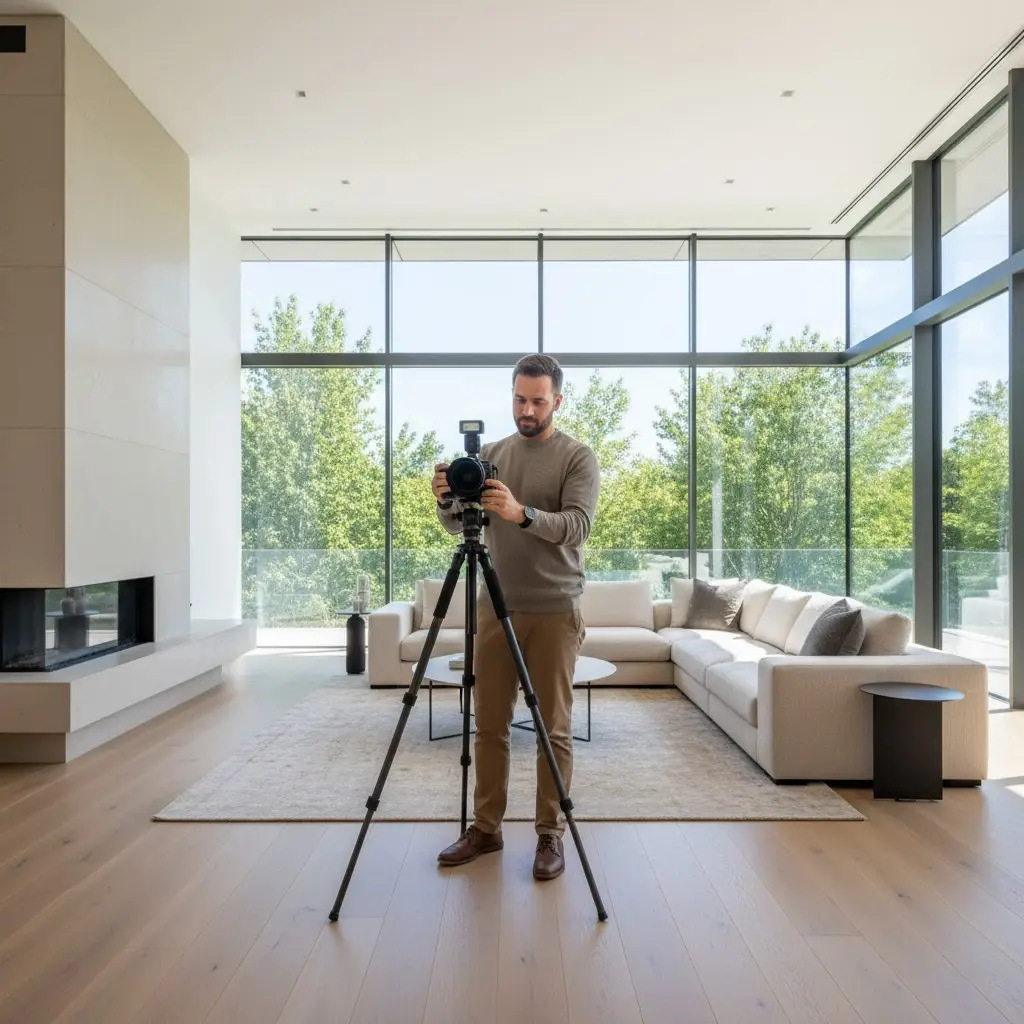
The most effective listing media plan isn’t either/or. It’s a planned combination where photos and video each serve a distinct job.
Start with a strong photo set of 25 to 40 images. These go on the MLS, Zillow, Realtor.com, and into print materials. They are your first impression and your widest reach.
Add a 60-to-120-second walkthrough video. Embed it on the listing page, post it across social channels, and send it directly to buyer agents in your network. This asset converts interest into showings, especially for out-of-town buyers who need to make decisions before they can visit.
If the property has notable outdoor space, acreage, or a location advantage, add drone footage. A 15-to-30-second aerial clip works spliced into the walkthrough or as a standalone social piece.
When comparing quotes from real estate videographers, ask about these specifics:
- Does the package include both photo and video editing, or is editing billed separately?
- Is drone coverage licensed and insured under Part 107?
- How many revision rounds are included in the price?
- What’s the turnaround time for the full package?
Hiring one videographer who also shoots photos, or coordinating both to shoot on the same day, avoids the most common waste: two separate sessions producing media with mismatched lighting and color tone.
Social media is where the combination pays off most. A 15-second vertical clip on Instagram Reels or TikTok drives traffic back to the full listing, where the photo gallery and walkthrough close the loop. Most videographers can cut a vertical social edit from the same shoot footage for $50 to $100.
For videographers reading this: bundled packages build recurring client relationships faster than any other format. Agents who find a reliable media partner come back listing after listing. List your services on BookVideographer to connect with agents searching for this kind of production.
How to Pick the Right Videographer for Your Market
Not every videographer fits real estate work. The skill set is specific: fast turnaround, consistent quality across property types, wide-angle lens proficiency, and the ability to make an empty house feel inviting.
Portfolio is where to start. Look for sample work featuring properties similar to yours in style and price range. If the reel is all weddings and brand films, the videographer may be talented but unfamiliar with listing media demands. Watch room-to-room transitions, check stabilization quality, and see whether color grading looks true to life rather than oversaturated.
Gear tells you a lot. You want a full-frame or APS-C camera (Sony a7 IV, Canon R6 II, or equivalent) with a wide-angle lens in the 16mm to 35mm range and a motorized gimbal. For drone work, a DJI Mavic 3 Pro or Air 3 with a valid Part 107 license is the current standard.
Turnaround matters more than most agents realize. The typical delivery window is 3 to 7 business days. If you regularly need faster results, set that expectation before booking and budget $100 to $200 for a rush fee.
Get licensing terms in writing before the shoot. You need full usage rights for MLS, social media, print, and paid advertising. Some videographers retain distribution restrictions that limit where you can post the final product. Clarify this upfront, not after delivery.
Local knowledge counts more than many agents expect. A videographer who knows your area understands which angles highlight the view, what time of day avoids harsh facade shadows, and which visual details resonate with buyers at your price point. That familiarity saves setup time and produces a noticeably stronger result.
Check reviews from other real estate agents, not wedding or event clients. The workflow is different. An agent review mentioning fast delivery, easy communication, and consistent output tells you more than a generic five-star rating.
The real estate video vs photos question has a clear answer, but only when you match the investment to the listing. Professional photos belong on every property. Video belongs where the price point, the buyer profile, and the property itself justify the spend. Skip it where great photos alone close the deal. The agents getting the best results aren’t spending the most on media. They’re spending the right amount on the right listings.