You need a two-minute explainer for the homepage, your CEO wants a recruitment film, and someone in marketing just asked what a “sizzle reel” runs. Three videos, three wildly different price tags, and no obvious way to tell whether $3,000 or $30,000 is the honest number. Corporate video cost in 2026 has less to do with a fixed rate card than with a stack of decisions: how many shoot days, how many people on set, how much editing, and who owns the footage when it is done.
This guide walks through the real ranges, what pushes a quote in either direction, and how to brief a videographer so the number you get back actually means something. I have priced hundreds of these jobs, and the same handful of choices explain almost every gap between two bids.
What you are actually paying for in a corporate video
The camera is the cheap part, and that surprises most first-time buyers. When a videographer quotes $8,000 for a brand story film, the body and lens might account for two percent of the bill. You are paying for time and judgment across three phases the client almost never sees.
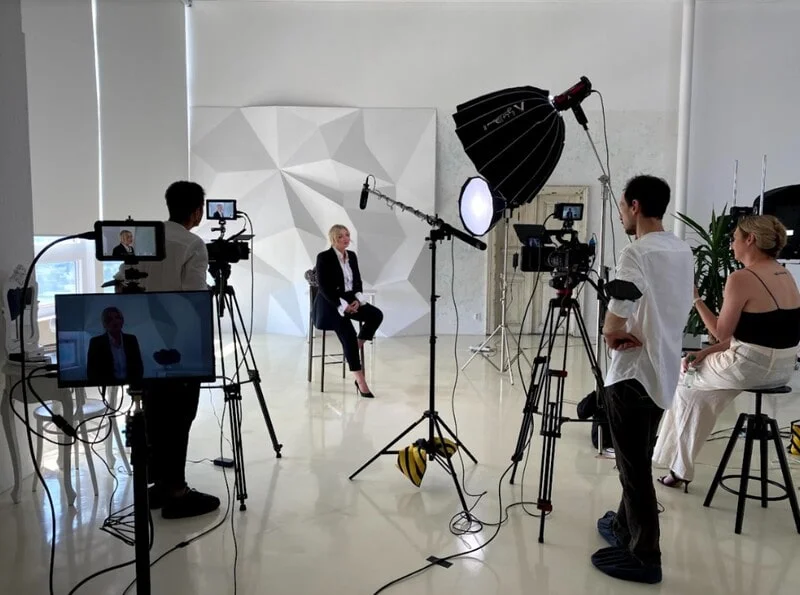
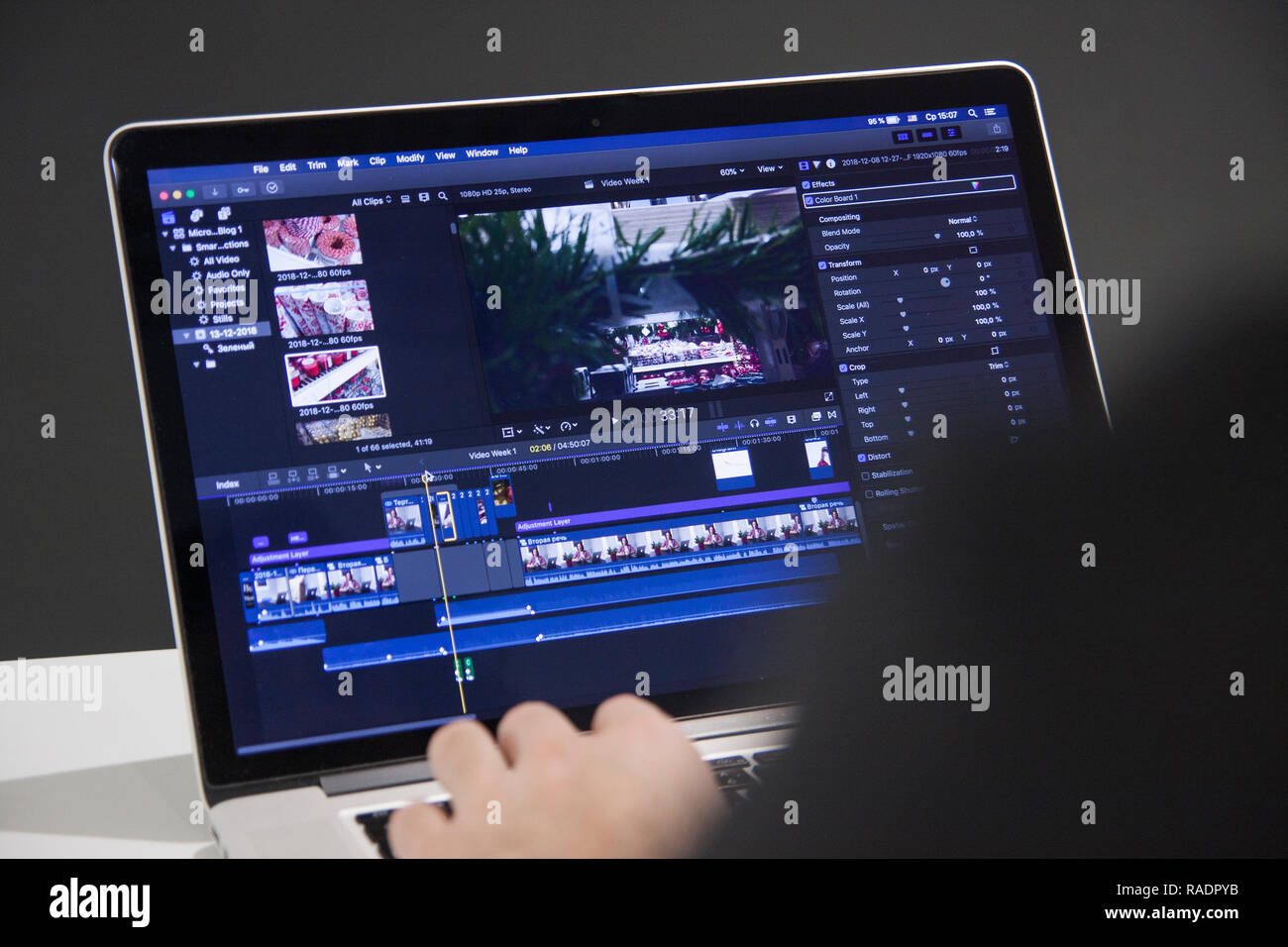
Pre-production is the planning: a creative brief, a script or a set of interview questions, a shot list, location scouting, talent scheduling, and sometimes a storyboard. A producer can burn two or three days here before anyone presses record. Production is the shoot day, the most visible cost and rarely the largest. Post-production is where the hours hide. A polished two-minute video can take 20 to 40 hours to edit once you add up the rough assembly, the color grade in DaVinci Resolve, the sound mix, music licensing, motion graphics, and two rounds of client notes.
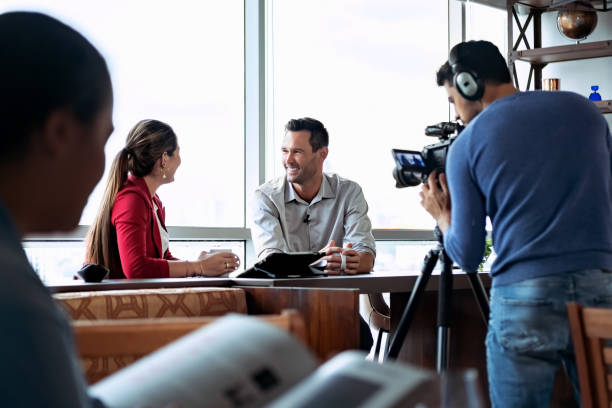
Here is how that $8,000 brand film usually splits: roughly $1,500 for a day of pre-production, $2,500 for the shoot day with a two-person crew, and the remaining $4,000 for the edit, grade, sound, and revisions. Move any one of those line items and the total moves with it.
A solo shooter with a Sony FX6, two lights, and a lav mic is one price. A crew with a director, a dedicated sound recordist, a gaffer, and a second camera for interview cutaways is a different animal. When two quotes look far apart, the gap almost always lives in crew size and edit hours, not the gear list. If a salesperson is talking up their camera to justify a high number, be skeptical: the body matters far less than the person holding it.
Typical corporate video cost ranges in 2026
Here is roughly where the market sits across North America and Western Europe, assuming a competent professional rather than the cheapest bidder on a marketplace.
A single-camera talking-head video, one location, light editing, lands between $1,500 and $4,000. Think a founder introduction, a customer testimonial, or a short training clip. A multi-camera interview piece with B-roll, a music bed, and lower-third graphics, the sort of “about us” film that lives on a homepage, usually runs $5,000 to $12,000. A full brand film with scripting, a small crew, a half day of B-roll, and motion graphics sits in the $12,000 to $30,000 band. Anything with hired actors, a built set, a director of photography, and an agency layer on top clears $50,000 without breaking a sweat.
Day rates give you a sanity check on any corporate video cost estimate. A solo videographer who both shoots and edits charges $800 to $1,800 a day in most mid-size markets. A specialist director of photography with their own cinema package runs $1,200 to $2,500 a day before the rest of the crew. Editors bill $400 to $1,000 a day, or $75 to $150 an hour on smaller jobs. When a quote works out to far below these numbers, the person is either early in their career or quietly planning to cut a corner you will notice on screen. Browse profiles in a directory of corporate video specialists before you collect bids, and you will calibrate fast.
What drives the price up or down
Four variables move a corporate video cost more than anything else, and you control three of them.
Shoot days are the big one. A second day does not simply double the camera time; it adds another crew payday, more travel, more catering, and a fresh batch of footage to wade through in the edit. Locations come next. One conference room is simple. Five departments spread across three floors, each needing its own lighting reset, eats hours fast. A spot that requires permits, say a downtown rooftop or a transit platform, piles on permit fees and the producer time to chase the paperwork.
Crew size is the third lever. A run-and-gun solo operator keeps the rate low but cannot record clean audio, shape the lighting, and coax a performance out of your nervous VP all at once. Add a sound recordist and a gaffer and you raise both the quality and the bill. The fourth variable is the one you cannot really negotiate: the editor’s skill. Hand a cheap editor and a brilliant editor the same footage and you get two videos that barely look related.
Things that pull a quote down: shooting everything in a single day, supplying your own talent and locations, accepting library music over a custom score, and being decisive in revisions. Things that push it up: a tight deadline that forces overtime, on-camera talent or a teleprompter operator, drone coverage, and broadcast-grade deliverables. Most clients overspend by booking a second shoot day they never needed, when tighter scheduling would have captured everything in one.
Day rate, project rate, or per-deliverable
Videographers price three ways, and the structure they reach for tells you something about the job.
A day rate is the clean choice when scope is fuzzy. You book the shooter for the day, they capture what they can, and the edit is quoted on its own. It protects the videographer if your schedule slips, and it protects you from paying for a fixed deliverable you have not defined yet. The catch is open-ended cost if the project sprawls past a day.
A project rate, one flat number for the whole video, is what most corporate clients actually want because it is predictable. A solid flat quote spells out the inclusions: number of shoot hours, number of finished videos, number of revision rounds, and the length of each cut. Be wary of the vague version. “One brand video, $9,000” with no detail on revisions or runtime is exactly how scope fights start.
Per-deliverable pricing has taken off for content packages. A company books one shoot day and walks away with, say, a single two-minute hero film plus six 30-second vertical cuts for social, each a separate line item. It is efficient when you need a lot of output from one production. If you are weighing a brand-led approach instead, the math shifts again, and our rundown of what to expect from a first brand film shoot covers how that scope gets built. Whatever structure you pick, get the inclusions in writing before you sign.
How scripting, animation, and motion graphics change the bill
The word “video” hides an enormous range of production methods, and the method drives cost harder than runtime does. If you only remember one thing about corporate video cost, make it this: format choice moves the bill more than length ever will.
A straight interview-and-B-roll piece is the most affordable format, because the structure writes itself out of what people actually say on camera. Add a scripted voiceover and you add a writer, a voice talent fee of $200 to $800 for a professional read, and a recording session. Add an actor and a scenario and you are suddenly paying for casting, talent day rates, wardrobe, and often a location rental on top.
Animation is where budgets quietly balloon. Simple animated lower thirds and a logo sting are usually baked into a mid-tier edit. A fully animated explainer, the kind with custom illustrated characters built in Adobe After Effects, gets priced by the second, often $1,000 to $3,000 per finished minute, because every frame is drawn rather than filmed. So a 90-second animated explainer at $2,000 a minute runs about $3,000 for the animation alone, before scripting and voiceover. My honest take: most companies ask for full animation when a clean interview cut would land harder for a third of the money.
Drone coverage is its own line item. Budget $500 to $1,500 for a licensed operator for a half day, more when the aerials need to cut cleanly against your ground footage. Any operator flying commercially in the US needs an FAA Part 107 certificate; you can confirm what that involves on the FAA’s commercial drone page. If aerials are central to your story rather than a garnish, the drone video specialists in our directory can quote that piece directly.
What to budget for revisions, licensing, and usage rights
Three contract clauses can lift your final corporate video cost well above the number you signed, and they tend to hide in plain sight.
Revisions come first. A fair contract includes two rounds: one structural pass where you can reorder sections or swap clips, and one polish pass for small tweaks. Past that, expect to pay hourly, $75 to $150, or a flat fee per extra round. That is reasonable, not a trap. Endless “just one more change” requests are the single fastest way a profitable job turns into a loss, so the good editors cap them up front.
Music licensing is the second. Library tracks from Artlist or Musicbed are typically folded into the edit fee, but a custom score from a composer runs $500 to several thousand. Never accept a video set to a popular song unless someone has cleared the sync rights; for a real chart track that clearance can cost more than the entire production.
Usage rights are the clause buyers overlook most, and the one I would read twice. Some videographers license the finished video for a specific use, web and social for a set term, and charge extra for paid advertising, broadcast, or perpetual rights. Others hand over a full buyout. I once watched a $6,000 testimonial balloon to $9,500 when the client decided, six months later, to run it as a paid LinkedIn and YouTube ad and had to buy advertising rights after the fact. Retroactive licensing always costs more than folding it into the original deal, so name your intentions early. If you are a videographer reading this and your contracts say nothing about usage, fix that first; pitching yourself and joining a directory like BookVideographer is far easier when your terms are already spelled out.
How to get an accurate quote
A videographer cannot price a project they cannot picture, so the quality of your brief sets the quality of your number. Vague requests get padded estimates, because the professional has to assume the worst case to protect themselves.
Send these details before you ask for a price: the purpose and where the video will live, the rough runtime, how many shoot days and locations you expect, whether you have a script or need one written, your hard deadline, and your usage intentions. One or two reference videos, “we love the pacing here, just not the cheesy music there,” save an hour of back-and-forth and lock in expectations early.
Then ask every candidate the same five questions so you are comparing like with like:
- How many shoot hours and how many crew are baked into this number?
- How many finished videos, and what runtime for each?
- How many revision rounds are included, and what does an extra one cost?
- Who owns the footage and the final video, and what usage does the fee cover?
- What is the realistic turnaround from shoot day to final delivery?
Get two or three quotes for any job north of a few thousand dollars, but do not reflexively grab the cheapest. A bid at half the others usually means fewer edit hours or one operator stretched across four roles, and you will hear it in muddy audio and see it in a flat grade. The lowest corporate video cost is not the goal; the clearest scope at a fair rate, from someone whose past work matches what you are picturing, is.
Before you contact anyone, write down the single sentence the finished video has to make a viewer think or do. If a videographer’s quote and questions aim straight at that sentence, you have found your person, almost regardless of where their number falls in the ranges above.