Six weeks after the wedding, the bride sends a short email: “Can we also get all the raw footage?” The videographer reads it and sighs. The reply will take longer to write than the edit did. It is one of the most common requests after delivery, and almost nobody on either side fully understands what they are asking for.
This post is about that request. If you are weighing whether to ask for the raw footage from your videographer, the honest answer is more complicated than yes or no. Shooters trying to figure out how to respond to that email face the same tangle. The files are big, the look is rough, and the thing you actually want is often not the thing you asked for.
What “raw footage” actually means
The phrase gets used loosely, so pin it down before you ask. “Raw” almost never means camera RAW in the technical sense, like uncompressed sensor data in Blackmagic BRAW or RED R3D. For a wedding, event, or brand shoot, it means the original clips straight off the cards. Every take, every false start, the 40 seconds of a tripod being repositioned, the audio test, all of it.
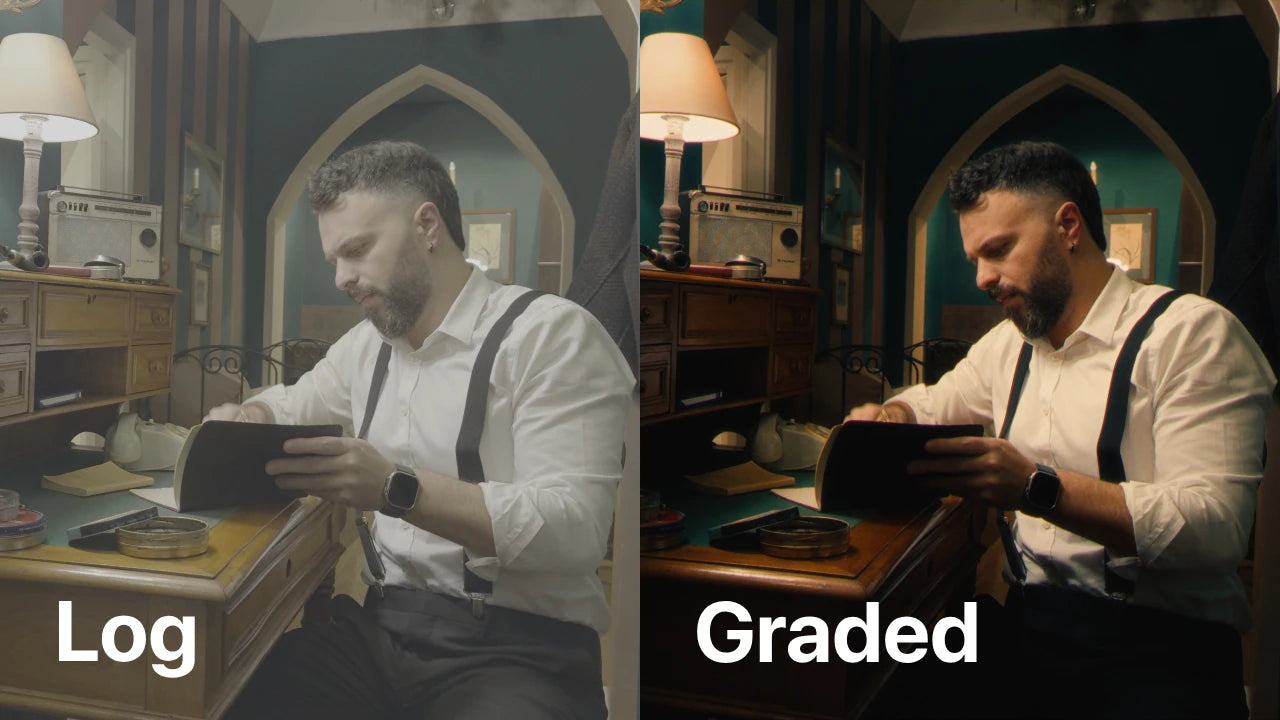
Most of that footage is also flat. A Sony FX3 or FX6 shooting in S-Log3 records a desaturated, low-contrast image on purpose. A Canon C70 in C-Log does the same thing. The point is to give the colorist room to grade the image later. Pulled straight off the card, it looks washed out and gray. People who expect the contrasty look of the final film are often shocked when they open the originals. It is not broken. It is unfinished.
Here is where expectations crack. A couple opens the drive on their living-room TV. They see gray, slightly soft footage, no music, just a wall of room tone. They panic that they were ripped off. Nothing went wrong. They are looking at flour and eggs, not the cake.
Then there is the volume. Take a single wedding day shot on two cameras at 4K, 10-bit 4:2:2. In a codec like XAVC-I, that runs roughly 200 to 600 Mbps. Add a third angle on the ceremony, a couple of audio recorders, and some drone clips. Now you are looking at 500GB to well over 1TB for one event. A corporate shoot day or a music video session lands in the same range. This is not a folder you email. It is a hard drive you ship.
Why your videographer hesitates
The pause you feel after asking is not greed. A few real things are happening at once.
First, reputation. The edited film is the work. The raw clips are just the lumber. A shooter spends years building a recognizable color and pacing style. The thought of ungraded, unedited clips circulating with their name loosely attached is a real worry. If a cousin recuts the footage into something choppy and posts it, that becomes the public sample of their work.
Second, the originals contain the misses. The angle that did not focus. The speech where the lav mic crackled. The take the videographer chose not to use, for a reason. Handing over everything means handing over the mistakes alongside the keepers, with no context.
Third, it is genuinely a chore. Offloading a terabyte to a client drive takes time. So does verifying the copy so nothing is corrupt. After that you either ship a physical disk or run a multi-hour upload to a service like Frame.io or a private Google Drive. That is hours of unbilled work if it was not agreed up front. None of it is in the original quote unless someone wrote it in.
Fourth, there is privacy. Raw footage captures guests who never expected to be on camera, off-the-cuff remarks, and a tearful moment the couple might not want circulating. The edit is the curated version everyone signed up for. The originals are not. A careful videographer thinks twice before letting that out of their control.
When asking for the raw footage from your videographer makes sense
There are good reasons to want the originals, and they are worth naming, because they change the conversation.
If you are a brand or a marketing team that will reuse the shoot for years, owning the source files is reasonable. You might cut a 60-second hero film now. Next quarter you might need fifteen vertical clips for social. Think of a hotel that books a shoot once and then needs fresh clips for Instagram, a booking site, and a winter campaign. Buying the source files once is cheaper than calling the crew back three times. Corporate clients should usually negotiate this before the camera ever rolls, not after.
For a wedding, the honest cases are narrower. Maybe you have an editor friend who genuinely will recut it. Some couples want a sentimental archive of every unscripted second, including the parts that missed the four-minute highlight. Others have an elderly or ill family member and want the full ceremony and toasts preserved no matter what. Those reasons are real. “Just in case” is the one I would push back on, because the drive usually goes in a closet and never gets opened.
For real estate and event work, raw footage requests are rare. They usually point to a trust gap with the editor, not a real production need. If you want the originals because you doubt the final cut will be good, fix that by hiring carefully. Review the questions worth asking before you book, rather than stockpiling clips you will never touch.
What it costs to get the raw files
Raw footage is almost always a paid add-on. The price reflects labor and media, not the clips themselves. Expect a range. Many wedding shooters charge between $200 and $800 to deliver organized originals on a drive. Commercial and corporate rates run higher, often $500 to $1,500, or folded into a larger licensing or buyout fee. The commercial value of reuse is part of what you are paying for.
Here is how that plays out. A restaurant group hires a crew for a one-day brand shoot at $3,500. They want the originals so their in-house team can cut social clips all year. The videographer quotes another $600. That is $200 for the drive, the rest for two evenings of offloading, verifying, and labeling 900GB. That $600 looks steep until you price a single re-edit at $400 a pop, four times a year. Bought once, the footage pays for itself by spring.
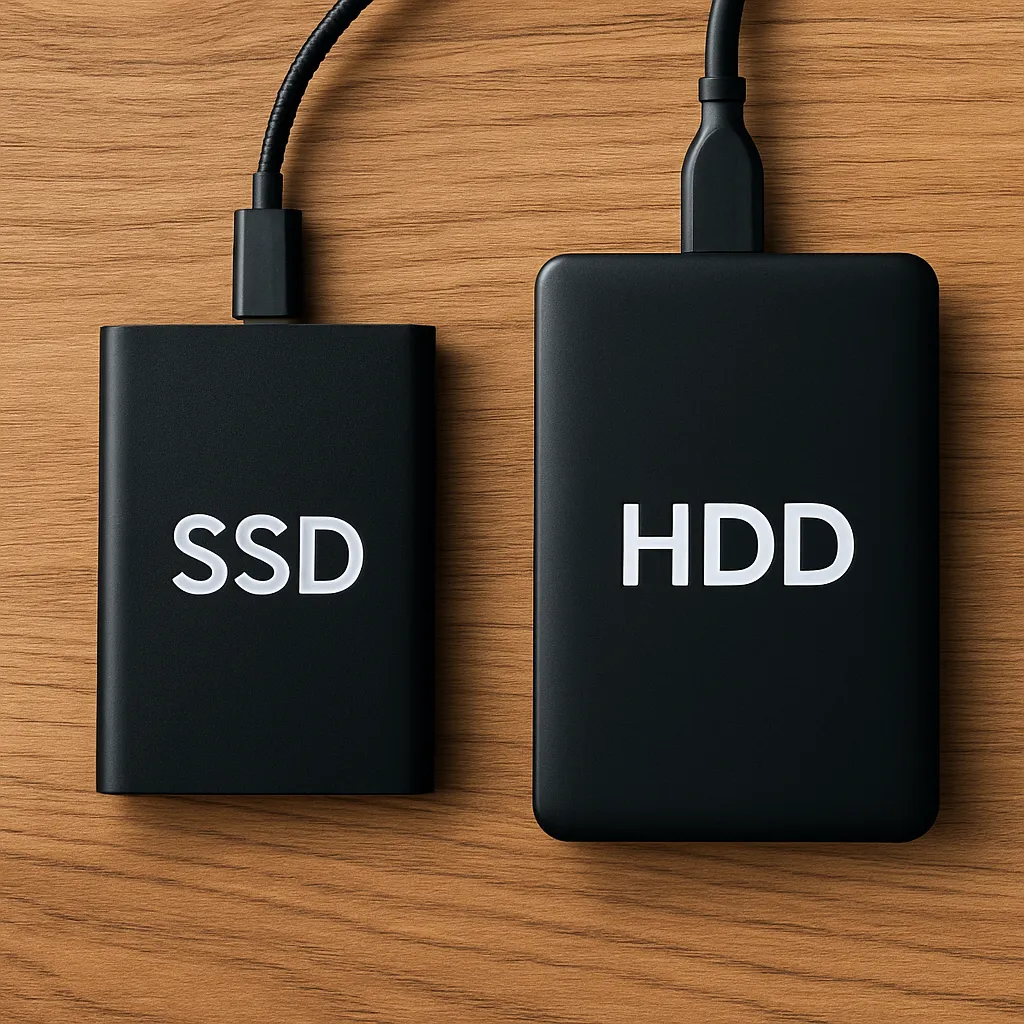
The drive itself is a real line item. A rugged 2TB SSD like a SanDisk Extreme or a Samsung T7 runs $120 to $200 right now. The videographer is not going to eat that cost. Some will deliver to a drive you mail them, which is fine and a little cheaper. Cloud delivery sounds easier, but the math is rough. A 1TB upload, and then your 1TB download, can each eat the better part of a day on home internet. Most file services also charge for storage at that scale.
Some packages include the originals by default. Higher-tier wedding collections do, and so do most full-buyout corporate contracts. Honestly, most couples who pay for raw never touch it again, so price it like the insurance policy it is. If raw footage matters to you, sort it into the package math before signing. You can see how add-ons like this affect a quote on the pricing page. It is worth comparing two or three wedding videographers on what they include versus what costs extra.
The storage problem nobody mentions
Say you get the drive. Now what? A terabyte of footage on a single SSD is a single point of failure. An SSD left unpowered in a drawer can slowly lose data over a span of years, and any drive can simply die. If this raw footage matters enough to request, it matters enough to back up. That means a second copy. Ideally a third lives off-site or in cold cloud storage like Backblaze B2 or Amazon S3 Glacier.
The shorthand pros use is the 3-2-1 rule. Keep three copies of anything you cannot lose, on two kinds of media, with one copy off-site. For a wedding archive that might be the delivered SSD, a copy on a desktop drive, and a cloud backup. Backblaze B2 runs about $6 per terabyte per month, so a 1TB archive costs under $80 a year to keep safe. That is cheaper than reshooting a day that can never happen again.
Then there is opening it. Editing 4K log footage is not a job for a five-year-old laptop. You will want proxies, which are smaller, easier-to-edit stand-in files. You will want a real editor too, like the free version of DaVinci Resolve or Premiere Pro. And you need patience to learn color grading. That flat footage needs a LUT and a grade before it looks like anything. To edit 4K log comfortably, you want a modern machine. Think an M-series MacBook Pro, or a PC with a recent GPU, 32GB of RAM, and fast local storage. Plenty of people request the originals, hit this wall, and quietly give up.
For archival-only purposes, that is fine. You are preserving, not editing. Just be honest with yourself about which one you are doing, because the demands are very different. Preserving needs redundancy. Editing needs hardware and time.
Put it in the contract before the shoot
The cleanest version of this whole conversation happens before the deposit, not after delivery. A good videography contract should already address raw footage. If yours does not, raise it now. A few things are worth settling in writing:
- Whether the originals are included, sold as a paid add-on, or not offered at all, and at what price.
- The delivery format and medium: a client-supplied drive, a videographer-supplied drive, or cloud, and who pays for the media.
- A retention window. Most shooters keep originals for only 30 to 90 days after final delivery, then wipe the cards to free up storage.
- Usage and credit terms if you plan to publish or recut, especially for brand and commercial work.
If you want a model sentence to paste into an email, try this: please confirm whether unedited original files are available, the cost, the delivery medium, and how long you keep footage after final delivery. One message like that, sent before the deposit, saves the awkward follow-up later.
That retention point catches people off guard constantly. The bride who emails eight months later is often told the footage no longer exists. She is right to be upset, and the videographer is right that it was never promised. Reading the deliverables clause closely prevents that exact heartbreak. So does asking about it through the FAQ before you sign.
What most people actually want instead
Here is the quiet truth after a hundred of these conversations: the client rarely wants a terabyte of gray, unsorted clips. They want a feeling. They want more of the day than the four-minute highlight gave them. The raw footage is just the only language they have for that.
Nine times out of ten, the better request is a specific one. Ask for a full, single-camera edit of the ceremony from start to finish. The complete, untrimmed toasts are another good one. So is a longer 15 or 20-minute documentary cut alongside the highlight film, or an extra batch of vertical clips for social. These are deliverables a videographer can produce in their own style, color-corrected and watchable. They cost less labor than sorting and offloading every original file. You get something you will actually rewatch, instead of a drive that lives in a drawer.
If you are a working videographer reading this, that reframe is your best tool. When a client asks for the originals, treat it as a signal that they wanted more of the day. Offer the extended cut or the full ceremony as a paid option instead. You protect your craft, they get something finished, and a request that used to feel like a fight becomes another line on the invoice.
Before you send that “can I get the raw footage” email, write down one thing. Name the moment you are most afraid the highlight film will leave out. Ask for a finished cut of exactly that instead. If you still want the raw footage from your videographer after that, get the price and the retention window in writing. And budget for a second drive.