
A dealership manager calls two videographers about the same job. One quotes $300 for a car walkaround. The other quotes $12,000. Both are telling the truth. The gap between those two numbers is the whole story of automotive video cost.
Automotive video cost in 2026 starts around $150 for a single inventory walkaround. It climbs past $60,000 for a national cinematic spot with a camera car and a closed course. Where your project lands comes down to four things: how the car moves on screen, how many vehicles you need covered, how polished the edit has to be, and who ends up watching it. A clip for a dealer’s Facebook page is one thing. A launch film that runs before a movie trailer is another. Get clear on which one you need, and the price stops feeling random.
What actually drives automotive video cost
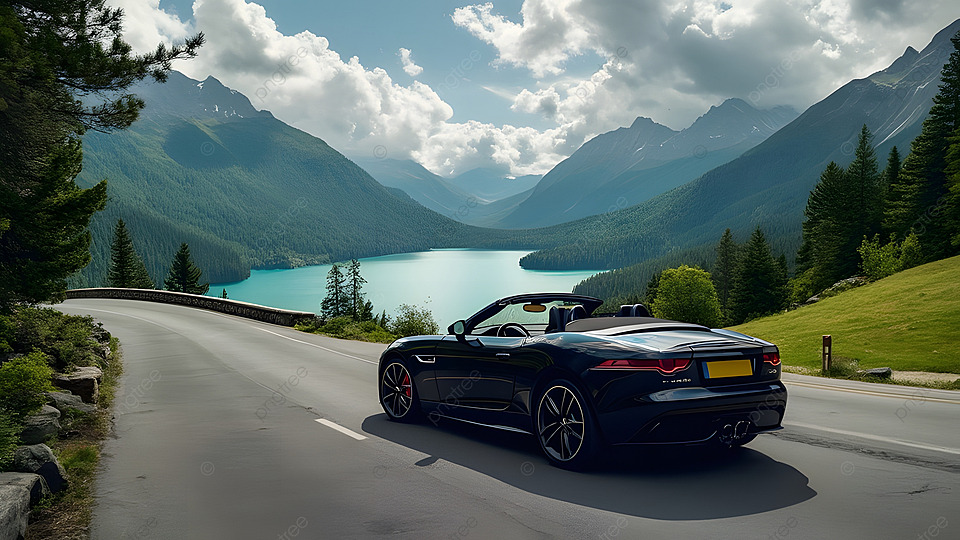
The single biggest cost lever is motion. A parked car shot with a gimbal is cheap. A car doing 45 mph on a canyon road, filmed from a tracking vehicle with a stabilized arm, is not. The moment you want the car moving and the camera moving with it, the crew grows. Now you are paying a driver, a camera operator on a rig, a safety plan, and often a road permit or private location fee. That one decision can triple a budget by itself.
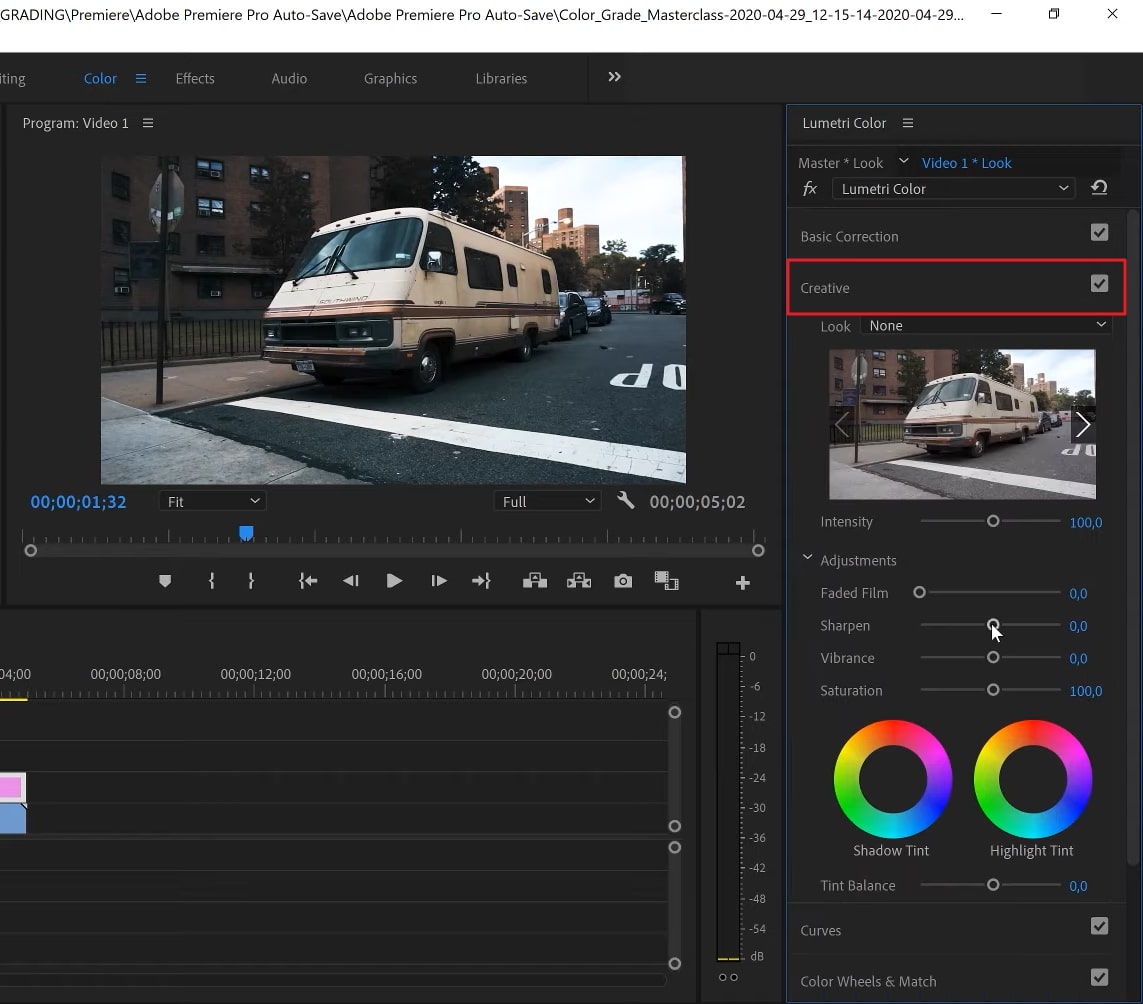
The second lever is finish. Color grading paint so it reads true takes time. So does cleaning reflections, building engine sound design, and cutting to music with real rhythm. That work fills an editor’s days, not hours. The third lever is volume. Ten dealership inventory clips priced per unit cost far less each than one hero brand film, because the workflow is templated and the crew is one person. The fourth is usage. If the video runs as a paid ad across TV and connected platforms, expect a licensing layer on top, the way it works for any commercial video production.
Gear matters less than people assume, but it still lands on the invoice. A one-person operator on a Sony FX3 with a 24-70 GM lens and a DJI RS 4 gimbal covers most social and dealership work. A brand film might put a RED Komodo or a Sony Burano on a Russian arm bolted to a camera car, plus a lighting package for night scenes. Each step up in kit brings a step up in crew size. Crew is where the real money lives.
Automotive video pricing in 2026: real ranges
Here is where actual projects tend to land this year. Treat these as starting points, not quotes, because location and local market shift them fast.
- Dealership inventory walkaround: $150 to $400 per vehicle, cheaper in volume packages of 20 or more cars a month.
- Social media short (30 to 60 seconds): $800 to $2,500 for a single car, one location, one operator.
- Enthusiast or YouTube build feature: $1,500 to $4,500 depending on shoot days and drone work.
- Car reveal or dealership event coverage: $3,000 to $8,000 for a half or full day with edited highlights.
- Cinematic brand or commercial spot: $12,000 to $60,000 and up, with a full crew, camera car, and licensed music.
The walkaround end of that list sits closer to real estate video pricing than to film production. It is a repeatable, per-unit service. The shooters who do it well run it like an assembly line: film ten cars in a morning, edit to a template that night, deliver the next day. The cinematic end is a genuine production with a director, a shot list, and a location scout. Most buyers overpay here. They ask for a production budget when a per-unit service would have done the job. Or they hire a cheap walkaround shooter, then wonder why the paint looks flat.
One more line item catches people off guard: talent and location. A closed racetrack rents for $2,000 to $6,000 a day. A professional stunt or precision driver adds $800 to $2,000. Even a permit to shoot on a public street in a major city can run a few hundred dollars plus proof of insurance. None of that touches the videographer’s own fee.
It helps to see what the people cost. A solo shooter-editor in a mid-size US market bills $800 to $1,500 a day. Add a director, a gaffer, and a grip, and a full production day runs $4,000 to $7,000 before gear rental. Those bodies on set are the line items that quietly turn a $2,000 quote into a $15,000 one. Labor, not gear, is where most of your automotive video cost actually goes.
Geography moves every number on that list. A walkaround shooter in rural Ohio may charge $150 a car. The same service in Los Angeles or Miami starts at $250, because studio time, parking, and permits all cost more there. Brand work follows the talent pool: markets with a working film-crew base, like Atlanta or Austin, price competitively. A small town may have to fly a crew in and bill you for the travel. Always ask whether a quote includes travel, or you will find it stapled to the invoice later.
Dealership inventory videos versus a brand film
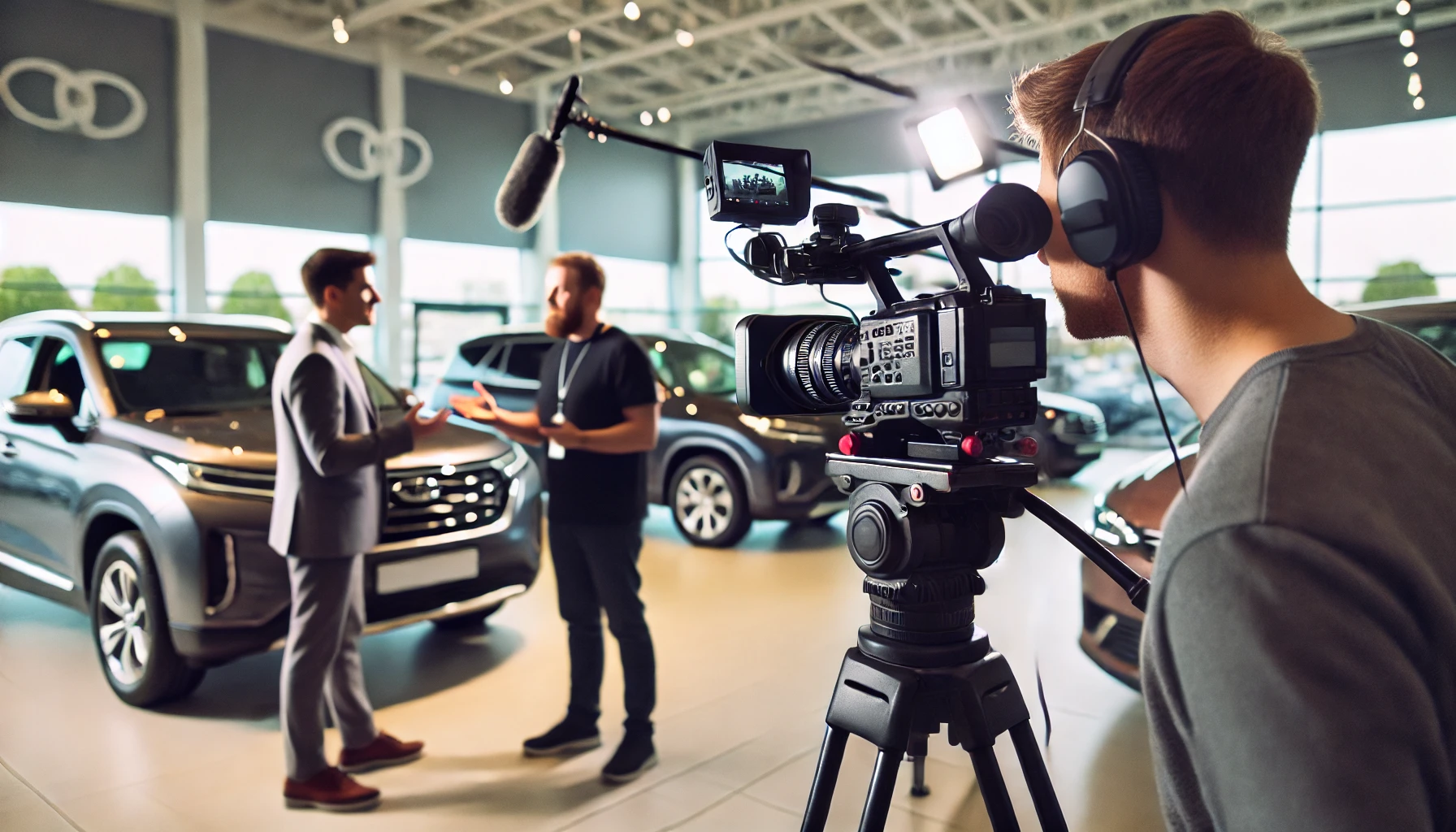
These two get lumped together as “car videos,” and they could not be more different to produce. An inventory video exists to move metal off a lot. It shows the car honestly, hits the key features, and gets posted fast. Buyers on a dealer site want to see the actual VIN they might purchase, so authenticity beats artistry. The best inventory shooters charge per car and deliver in 24 hours. They win the account by being reliable and cheap at scale, not by making tiny films.
A brand film sells a feeling about the marque, not a specific unit. It might never show a price or a phone number. Here the goal is emotion, and emotion justifies the camera car, the golden-hour scheduling, and the location fee for a desert road or an empty parking structure. If you are a manufacturer or a large dealer group building an identity, this is where the money goes. Route it to an automotive video specialist rather than a generalist. Someone who shoots cars weekly knows how to light chrome without catching the crew in the reflection. That one skill can save a full day on set.
The practical takeaway is simple. Decide whether you are selling a car or selling a brand before you ask for a quote, then tell the videographer which one it is. A good one prices it honestly. A great one may even talk you out of the expensive version when the cheap one gets you the result you actually need.
Drone, camera cars, and making metal look fast
Motion is what makes automotive footage feel expensive, and there are three main ways to buy it. A tracking vehicle, often a rigged SUV carrying a stabilized arm, follows the car and holds a steady frame at speed. A camera car day, crew and rig included, adds $3,000 to $10,000 depending on the arm and the operator. It is the classic look you see in car commercials. Nothing else replicates it exactly.
Drones now do a lot of that work for a fraction of the cost. An FPV drone can chase a car through a corner, dive past the hood, and pull up into a wide reveal in a single shot. That move used to need a helicopter. FPV chase work runs $2,000 to $6,000 a day with a skilled pilot, and it has become the default for enthusiast and mid-budget brand content. Cinematic drones like the DJI Inspire 3 handle the smooth aerial establishing shots. If aerials are central to your concept, hire someone who lists it as a core service. Check their reel for drone and aerial work that tracks moving subjects. Following a car at speed is a different skill than filming a static building.
If none of that fits your budget, a single-operator gimbal build still sells cars on social. A smooth orbit around a parked car, a slow push toward the badge, and a rolling shot from a car window will carry a dealership reel. It will not look like a national commercial, but for $1,000 it does not need to.
One honest caution: drone rules apply. In the US, a commercial pilot needs an FAA Part 107 certificate, and flying over moving vehicles or people carries real restrictions. A pilot who waves that off is a liability, not a bargain. Ask to see the certificate and the insurance before the shoot day, the way you would vet any subcontractor on set.
What you get for the money, and how long it takes
A quote is only useful when you know what it buys. For a mid-range automotive project, a clear deliverables list matters. It should spell out the number of final videos, their lengths, and the aspect ratios. It should also name whether you get social cutdowns, how many revision rounds are included, and who owns the footage. Vague quotes hide their gaps in exactly those spots. If a videographer will not put deliverables in writing, that is your answer.
Turnaround varies by tier. A dealership walkaround comes back in 24 to 48 hours. A social short with a light edit takes about a week. A cinematic spot with color grade, sound design, and licensed music runs three to six weeks from shoot to final. Rushing it usually means paying a rush fee or accepting a rougher grade. Music licensing is its own line. A track from a library like Musicbed or Artlist for commercial use might add $50 to $500. A custom score or a known song can dwarf the whole production budget.
Payment usually comes in stages, and the structure tells you a lot. Most videographers ask for a 50 percent deposit to hold the shoot date. The balance falls due when the final files land. On a larger production, expect a third up front, a third on the shoot day, and a third on approval. Watch for a kill fee too. Cancel inside 48 hours of a booked crew and camera-car day, and you are often on the hook for the full crew rate. Those people turned down other work to hold your slot.
Revisions are where relationships fray. Two rounds is standard. Endless tweaking is not, and a fair contract caps it, with extra rounds billed hourly. Clarify up front whether you receive the raw footage or only the finished edit. Most videographers keep raw files by default and charge extra to hand them over. If any of this feels opaque, the how it works breakdown covers what a normal project timeline and deliverables package looks like end to end.
How to hire an automotive videographer without overpaying
Start by writing down what the video is for in one sentence. “Sell aging inventory faster” and “launch our new EV to the region” lead to completely different hires and budgets. Then watch reels with a critical eye. Anyone can make a supercar look good in perfect light. Watch how they handle a normal sedan on an overcast day, because that is closer to what most jobs actually are. Clean reflections, true paint, and stable motion are the tells of someone who shoots cars often.
Ask five concrete questions before you sign anything. Do you price per car or per project? What crew and gear come on the shoot day? Are drone or camera-car shots included or extra? How many revision rounds do I get? Who owns the raw footage and the final files? The answers separate a real professional from someone who bought a gimbal last month. If you are a videographer reading this from the other side, that same clarity is your best sales tool. Publish transparent pricing tiers and show a reel that proves you can shoot cars specifically, and the inquiries that reach you arrive already qualified. You can also list your specialty and get found by these exact buyers through a directory profile.
Spread your budget where the eye goes. On a tight project, spend on one strong motion shot and clean audio rather than five mediocre angles. On a bigger one, protect the color grade and the sound design, because those two things are what make a car feel premium on screen. Cheap footage graded well beats expensive footage graded lazily, every time. The fastest way to control automotive video cost is to name the job precisely before you shop it. A per-unit walkaround, a social short, and a cinematic brand film are three separate purchases, and knowing which one you are buying beats any negotiating trick.