You found a videographer whose reel made you cry. Then you saw the line that reads “travel fees calculated separately,” and your stomach dropped. The wedding is in Tulum. The videographer is in Denver. You have no idea whether that means an extra $400 or an extra $4,000. That gap is the whole problem, so let’s close it. I have shot weddings on three continents. The travel line is where couples lose the most money to plain confusion.
Destination wedding videographer cost in 2026 usually lands between $4,500 and $12,000 once travel is folded in. The spread depends less on the flight price than on how many days the shooter is off their home turf. A two-hour drive to a vineyard is not a destination wedding. A Friday-to-Sunday job in Santorini, with a welcome dinner you want filmed, is a different animal. Knowing which tier you are buying is the first real decision, and most couples skip it.
What “destination” actually means on the invoice
Videographers use the word loosely, and that vagueness costs you clarity. To most working pros, a wedding becomes a destination job the moment it needs an overnight stay or a flight. That single threshold matters. It flips the pricing model from a flat package to a package plus a travel block, and the travel block is where the surprises live.

There are roughly three tiers, and they price very differently. A regional destination sits within driving distance, maybe three to six hours. The shooter sleeps in a hotel one night and bills you for mileage and the room. A domestic fly-to wedding means a plane ticket, a rental car, two or three hotel nights, and meals. An international job adds passport logistics, customs declarations for gear, foreign drone permits, and often a scout day.
Each tier roughly doubles the travel portion of the bill. Here is the rough shape of it:
- Regional drive-to: adds about $600 to the base package
- Domestic flight: commonly adds $1,500 to $3,000
- International: $3,000 to $6,000 before a single frame is shot
That international figure sits on top of the creative fee, not inside it. Cheap quotes hide their expensive surprises right here. A low day rate paired with a vague travel line often beats an honest all-in number on paper, then loses badly once the receipts arrive.
Quick gut-check before you read any quotes. If the venue needs a flight or an overnight, treat it as a destination job. Expect a travel block on the invoice. If it does not, you are looking at a local rate with mileage at most. Naming that line early keeps your destination wedding videographer cost from ballooning by surprise later.
The real 2026 cost ranges, travel included
Let’s put real numbers on it. A mid-tier videographer who charges $4,000 for a local eight-hour package will not charge that same $4,000 for Mexico. The creative fee usually holds steady. The all-in number climbs because of the days lost to travel. Here is what the total destination wedding videographer cost tends to look like in 2026:
- Regional drive-to, one night away: $4,500 to $6,500 total
- Domestic flight, two to three nights: $6,000 to $9,000 total
- International single shooter, three to five nights: $8,000 to $12,000 total
- International two-person team with drone coverage: $11,000 to $18,000 total
Those ranges assume a competent pro shooting on a Sony FX3 or a Canon R5 C with proper audio, not a hobbyist with a kit lens. The reason the international number gets steep is rarely greed. The videographer blocks four or five days for a job that pays for one. They have to recover that lost capacity somewhere.
Here is a real example. A Denver couple I know booked a Tulum wedding for 40 guests. Their videographer quoted a $4,200 creative fee. Travel added $3,400 on top: flights, four nights at $190, a rental car, and two travel days. The all-in destination wedding videographer cost came to $7,600. That felt steep until they added a beach session the next morning. Suddenly the trip bought two films, not one.
Think about it from the shooter’s side. A Saturday in peak season at home would have earned them $4,000 on its own. Flying to Italy means saying no to two or three of those Saturdays. The rate reflects the gap. Before you layer travel on top, get a baseline for what a standard non-travel package includes. Our breakdown of what’s included in a wedding videography package is a useful starting point.
How travel fees are actually structured
There is no industry standard here. That is exactly why two quotes for the same Cabo wedding can differ by $2,000. Some videographers itemize everything: flight, hotel, car, per diem, gear shipping. Others bundle it into one flat “travel fee” so you never see the receipts. The higher-end studios often quote a single all-in number and refuse to break it down at all.
The itemized approach is the most honest, and it is the one you should ask for. A clean travel addendum reads something like this:
- Round-trip airfare at actual cost, often capped, for example “up to $650”
- Lodging at $180 per night for three nights
- Rental car at $75 per day
- Per diem of $60 to $90 a day for meals
- A travel day fee, typically $500 to $1,000, for the day spent in transit
That travel day fee is legitimate, and you should not fight it. The person is working, just not with a camera in their hands. Watch two things, though. First, whether airfare is billed at actual cost or as a flat estimate, since a padded estimate quietly inflates your destination wedding videographer cost. Second, whether they book their own travel and bill you, or ask you to book it. The cleaner setup is to add the videographer to your room block and let them handle flights. Then you reimburse against receipts, and nobody is buying a plane ticket in someone else’s name.
A quick story on why itemizing matters. A friend got two quotes for the same Cabo weekend. One listed a flat $2,800 travel fee with no detail. The other broke it down and landed at $1,950. Same dates, same hotel, same flights. The flat fee was not malicious, just padded for safety. Ask for the line items and you claw that padding back, and your destination wedding videographer cost drops with it.
Flights, gear, and the math behind the day rate
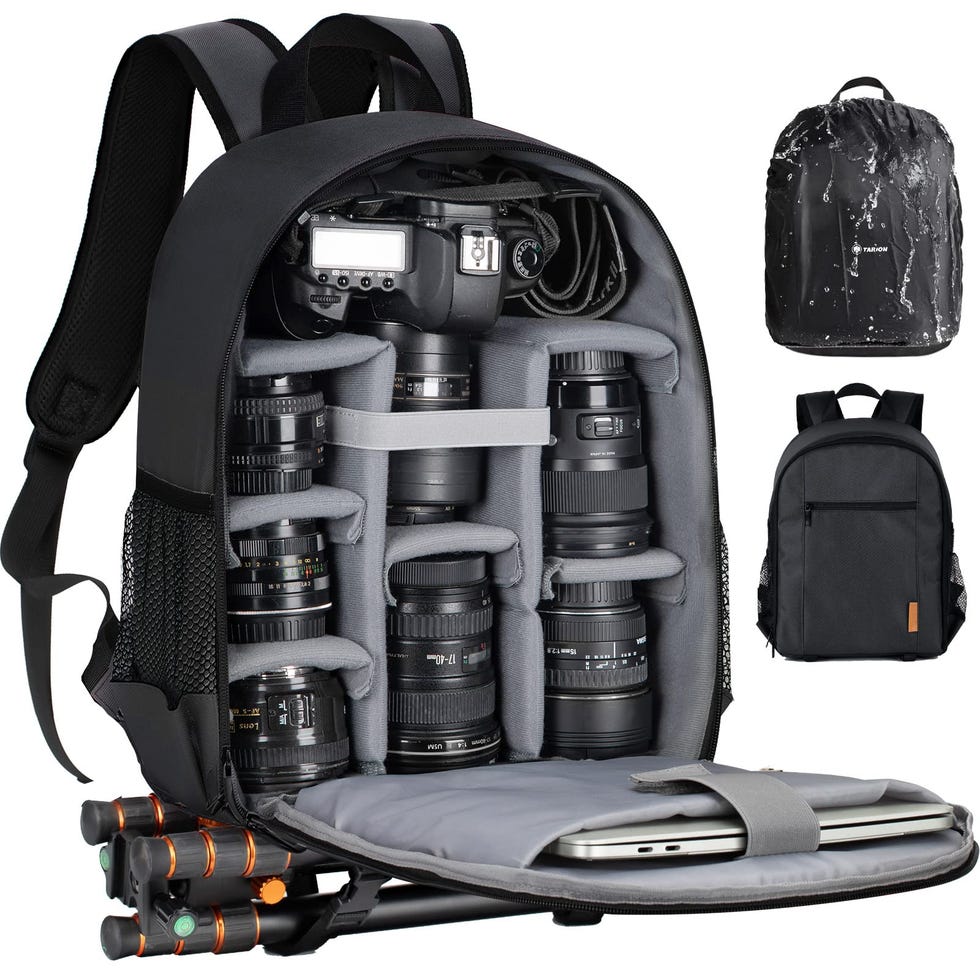
The flight is the cheapest part of getting a videographer somewhere. Gear is the expensive, invisible cost. A pro flies with two camera bodies, four or five lenses, a gimbal, an audio kit, batteries, and often a drone. Almost none of that can ride safely in checked baggage. That means carry-on Pelican cases, excess baggage fees, and sometimes a separate seat bought for a hard case. None of that shows up as a tidy line, but it is real money inside your destination wedding videographer cost.
Lithium batteries make it worse. They cannot be checked at all under current FAA rules on spare lithium batteries. So a shooter carrying eight V-mount batteries is doing real planning, not just tossing a bag in the overhead. Skip that planning and your aerials or audio can die mid-ceremony.
International travel adds a customs wrinkle most couples never picture:
- Carrying $30,000 of camera equipment across a border can trigger import questions
- Serious shooters use an ATA Carnet, a kind of passport for gear that proves it is coming back out
- A carnet costs a few hundred dollars plus a bond, and that lands on your invoice
- Drone permits in many countries must be filed weeks ahead
A few countries, Morocco and parts of the Caribbean among them, are extremely restrictive or ban civilian drones outright. If aerials matter to you, confirm legality before you assume them. Read how drone coverage gets priced and permitted so the bird does not stay in the case on the morning of the wedding.
The day-rate math is the quiet engine under all of this. A four-day trip for an eight-hour shoot earns one shooting day’s pay against four days of lost bookings. Smart couples ask the shooter to film more than the ceremony, so those extra days earn their keep. Think a welcome dinner, a morning-after brunch, or a couple’s session at golden hour somewhere only that spot offers. You are paying for the days anyway. Filling them is the best move I know for managing destination wedding videographer cost without cutting quality.
Questions to ask before you book a destination shooter
The booking conversation for a destination wedding is different from a local one, and skipping it is how people get burned. You are trusting someone to fly to another country and not miss the one day that cannot be reshot. A few pointed questions separate the pros from the optimists:
- Have you shot in this country or region before, and what surprised you?
- What is your contingency if a flight is cancelled or gear is lost in transit?
- Do you carry backup bodies, and are they on the plane or staying home?
- Who handles drone permits and customs paperwork, you or me?
- What does the schedule look like for the days you are on location but not shooting?
The contingency answer matters most. A seasoned destination shooter flies in at least a full day early, never the morning of. A delayed connection should never threaten the wedding. They carry two bodies as a rule, and they have a plan for renting a replacement lens locally if something breaks. If a videographer shrugs about arriving the night before on a connecting flight, walk away. That is not confidence. It is a gamble with your footage, and with the destination wedding videographer cost you already wired over.

Get the travel terms in writing as a contract addendum, never a verbal nod. It should name who books what, what happens to deposits if travel restrictions change, and whether unused budget is refunded. After 2020, every serious contract should spell out what happens if a border closes or the couple postpones. If yours stays silent on that, ask for the language before you pay anything. For a fuller list of vetting questions, the questions to ask before you sign are worth reading alongside these.
Keeping destination wedding videographer cost reasonable
There are honest ways to bring the number down without hiring someone who will fumble the only copy of your vows. Here are the three levers, in order of impact:
- Hire a videographer already based at your destination
- Shrink the crew to one experienced shooter where the day allows
- Trim the coverage window to what you will actually rewatch
Start with location, because it moves the most money. A videographer already based in Oaxaca or Lisbon carries no flights, no hotel, and no customs hassle. They usually know the light and the venues better than anyone you could fly in. You trade meeting them in person for a real saving, frequently $2,000 to $4,000, plus a portfolio that proves they know the terrain.
Then look at the crew. A two-person team with a dedicated drone operator produces a richer film, sure. But one experienced shooter with a gimbal and a compact drone covers a small destination wedding well. Under fifty guests and a relaxed day? One person is usually plenty. After that, trim the coverage window. You do not always need the welcome dinner and the brunch filmed. Decide what you will rewatch in ten years, and pay for that instead of completeness.
What you should never cut is the second camera body or the insurance. A destination film shot on a single camera is one dropped lens away from disaster, and there is no reshoot in Bali. A quote that comes in cheap because the shooter flies with one body and no contingency is not a saving on your destination wedding videographer cost. It is a bet against the one thing you cannot redo. To see how studios assemble and price these packages, our how it works overview walks through the structure. The pricing page gives current market context for what destination work runs.
The controllable part of destination wedding videographer cost is almost always the travel block, not the creative fee, so aim your negotiation there. Ask for the itemized travel addendum. Decide between a flown-in shooter and a trusted local. Lock the contingency terms in writing. Do it this week, because the best shooters in popular spots fill their peak-season Saturdays twelve to eighteen months out.