You watched a real estate listing where the camera flew through the front door, up the staircase, out a second-floor window, and looped around the pool in one unbroken shot. You want that for your $1.2M listing, so you call a drone operator, and the quote comes back at $2,800 for a single day. That is FPV drone video, and the FPV drone video cost sits well above what a standard aerial operator charges for the same amount of time on site.
The gap confuses buyers. A DJI Mavic pilot might shoot your whole property for $500. An FPV pilot flying a hand-built quad through the same house asks for three or four times that, sometimes for a single 45-second shot. This guide breaks down what you actually pay for, what the numbers look like in 2026, and how to tell a real FPV operator from someone who bought an Avata last month.
What FPV actually is, and why it costs more than a normal drone shot
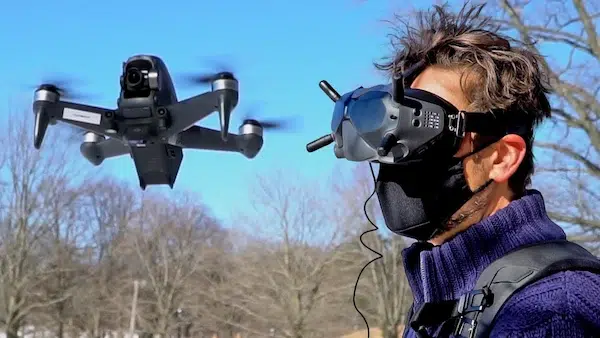
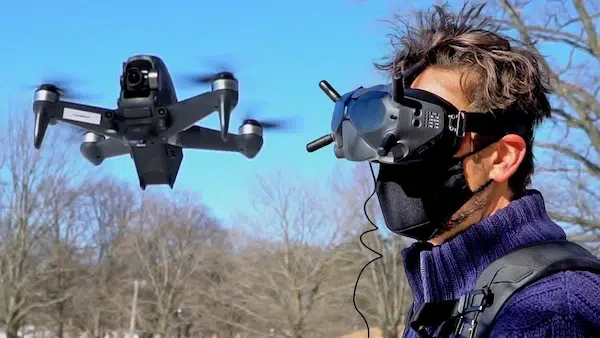
FPV stands for first person view. Instead of watching the drone from the ground and nudging it with gentle stick inputs, the pilot wears goggles that stream the camera feed in real time and flies the aircraft manually, often in acro mode where there is no automatic self-leveling. The drone does exactly what the sticks tell it and nothing else. That is how you get shots that dive, roll, thread a doorway, and chase a moving car at 60 mph without a single cut.
A standard camera drone like a DJI Mavic 3 or an Air 3 is built to hover, hold position in wind, and refuse to crash into things. It is forgiving. An FPV quad is the opposite: fast, twitchy, and unforgiving. One bad input near a wall and you are picking carbon fiber out of the drywall. The skill to fly one cleanly through an interior takes hundreds of hours of practice, and that scarcity is the first reason the FPV drone video cost runs high.
The second reason is the footage itself. A single continuous FPV move can replace six or seven separate cuts from a traditional shoot. Directors and agents pay for that because the shot sells motion and energy in a way a slow orbit never will. You are not buying a drone. You are buying a specific look that most operators cannot produce, and my honest take is that this is exactly where the premium is justified.
FPV drone video cost in 2026: the actual numbers
Here is where pricing lands across the working market in 2026. These are pilot fees for the flying and the edited deliverable, not full production budgets with crews and talent.
- Single hero shot, one location, delivered stabilized and graded: $800 to $2,500
- Half day on site, one to three shots: $900 to $1,800
- Full day, multiple setups: $1,800 to $4,000
- FPV added onto an existing video shoot you already booked: $500 to $1,200
- Multi-property or recurring real estate work on retainer: negotiated, often $400 to $700 per property
The wide spread inside each tier is real. A pilot in a small market shooting a straightforward exterior reveal charges near the floor. A pilot in Los Angeles or New York flying an interior liquid walkthrough that needs ten takes and post stabilization charges near the ceiling. Complexity and location drive it more than anything else.
Watch for what the number includes, because this is where cheap quotes hide expensive surprises. Some quotes are fly-only, meaning you get raw files and handle your own edit. Most FPV pilots deliver a finished shot because the footage needs specific post work: stabilization in Gyroflow or ReelSteady, warp and speed ramping, then a grade, before it looks like the reels that sold you on the idea. Ask which one you are buying. A $1,200 fly-only quote and a $1,900 finished quote are not the same product.
What pushes the price up or down
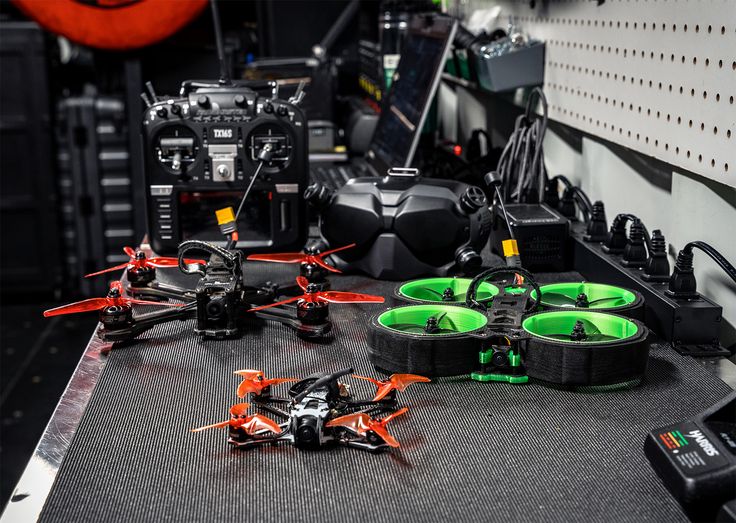
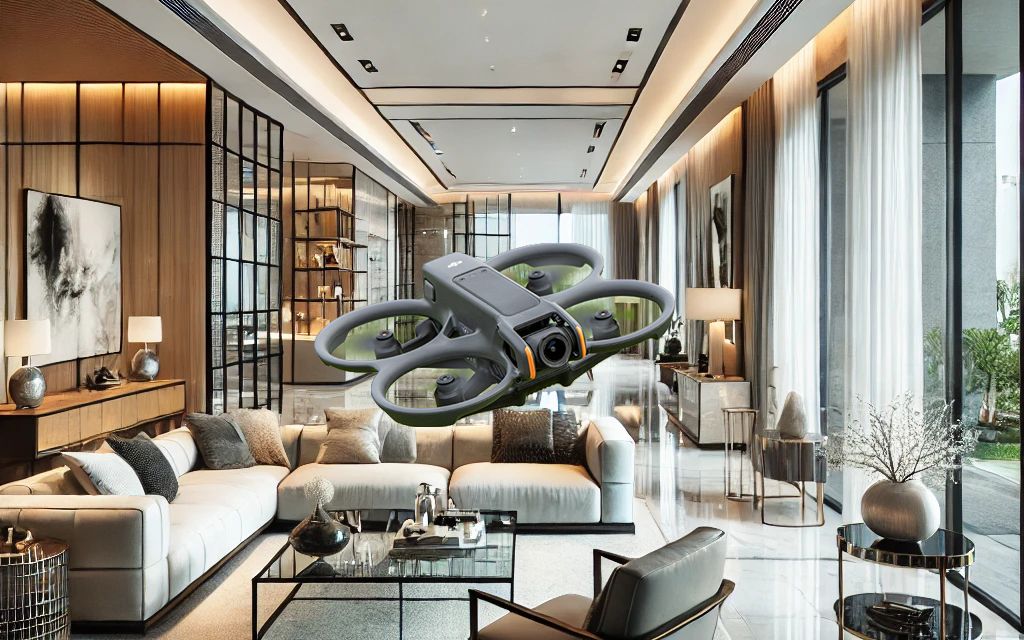
Interior work costs more than exterior, full stop. Flying an FPV quad through a house means threading a two-pound aircraft between a chandelier and a staircase with zero GPS assistance and zero margin. Most pilots fly a cinewhoop for this, a small quad with ducted prop guards, usually running a DJI O4 Air Unit or a GoPro Hero 13 on a naked mount. It is slower and safer than a 5-inch freestyle build, but the precision required is much higher. Interiors routinely add 40 to 60 percent to a quote.
Speed and environment matter too. Chasing a car, a mountain biker, or a skier means a 5-inch or 6-inch freestyle quad running at real speed, which raises both the difficulty and the crash risk. Shooting near people, over a crowd, or in controlled airspace near an airport adds licensing and waiver requirements that eat time. A venue that needs a Part 107 airspace authorization can push the timeline out by days before anyone flies.
The number of takes is the quiet cost driver nobody mentions upfront. A clean interior reveal might take eight or ten attempts, and a crash on take six means a swapped battery, a possible repair, and lost time. Good pilots build that into the day rate. If someone quotes you a full interior walkthrough for $600, they either have not done many, or they are planning to nail it on the first try, which almost never happens.
FPV for real estate, venues, and brand films
Real estate is where FPV earns its keep for buyers. A flowing shot that moves from the street, through the front door, across the great room, and out to the backyard pool tells a spatial story that photos and slow aerials cannot. For luxury listings above roughly $1M, that shot has become an expected part of the marketing, and agents who shoot it well close showings faster. If you are weighing this against a standard package, the tradeoffs are similar to the ones covered in the real estate video comparison most agents run before booking.
Brand films and product launches use FPV differently. Here the shot is about energy: a continuous move that connects a factory floor to a finished product, or a car reveal that orbits and dives in one breath. Automotive, action sports, and hospitality brands book FPV specifically because the motion reads as premium and modern. Expect these to sit at the higher end, often $2,500 to $4,000 for a shoot day, because they usually involve lighting, talent timing, and multiple resets.
Venues, hotels, and event spaces sit in between. A single continuous tour of a wedding venue or a restaurant interior runs $900 to $2,000 and gives the property a marketing asset that works across a website and social for years. The value is durability. One good FPV shot outlives a dozen ordinary clips, and most venues underspend on exactly this kind of evergreen footage.
FPV at weddings: the one-take reveal
Weddings have become one of the fastest growing uses for FPV, and it is worth understanding what you are and are not getting. An FPV pilot at a wedding is not your main wedding videographer. They are a specialist brought in for one or two signature moments: a shot that flies over the ceremony aisle and lifts to reveal the whole valley behind the couple, or a reception entrance that dives through the doors and circles the first dance.
Expect to pay $800 to $2,000 for FPV coverage at a wedding, usually structured as an add-on to your existing videography package rather than a full day. The pilot shows up for the specific windows when the hero shots happen, flies for maybe 20 minutes of actual flight time across the event, and delivers one to three finished clips that your main editor cuts into the film. Coordinating the two teams matters, so tell your primary videographer early if you are adding an FPV operator.
The honest caveat: FPV near guests carries real risk, and a responsible pilot will not fly a fast quad over a seated crowd. Reveal shots that involve people are flown with prop-guarded cinewhoops at a safe distance, and some venues or officiants will not allow flight during the ceremony itself. Ask about this before you assume the aisle shot is on the table.
What you are really paying the pilot for
The day rate covers more than flight time. FPV pilots build and maintain their own aircraft because nothing off the shelf does everything the work demands. A working operator carries three to six quads: a couple of cinewhoops for interiors, a 5-inch freestyle for exteriors and chase work, maybe a long-range build for big landscape moves. Each airframe runs $400 to $900 in parts, and they crash. Crashing is not a sign of a bad pilot; it is the cost of flying at the edge of what the aircraft can do. That risk is priced into the rate.
Licensing is part of it too. In the United States, any paid drone work requires an FAA Part 107 certificate, and flights over people, at night, or in controlled airspace need specific waivers or authorizations. A pilot who talks fluently about LAANC approvals and Part 107 is one who will not get your shoot shut down. One who has never heard of it is a liability. The licensing and legal side is not optional overhead, it is what keeps the job legal and insured.
Post production is the last piece. FPV footage almost always needs stabilization, because even smooth flying has micro-vibration that reads as jitter on a big screen. Pilots run the raw file through Gyroflow or ReelSteady, then handle speed ramping, warp transitions, and color. That work can take as long as the shoot day itself, which is why fly-only quotes come in lower. When you compare bids, make sure you are comparing the same finished deliverable.
Questions to ask before you book an FPV pilot
A few direct questions separate a working professional from someone with a new drone and a bold website. Ask these before you send a deposit.
- Can I see three recent shots that match what I want, interior or exterior, shot in the last year?
- Are you Part 107 certified, and do you carry liability insurance? Can you provide a certificate of insurance for my venue?
- Is the quote fly-only or does it include stabilization, editing, and a color grade?
- How many takes do you budget for a shot like this, and what happens if the weather turns?
- What is your plan for flying safely around people or in this airspace?
The portfolio question is the most important. FPV is a show-me discipline. Anyone can describe a liquid walkthrough; far fewer can show you one they actually flew. If a pilot dodges the request or shows work that looks like standard drone footage with faster music, keep looking. You want to see the exact kind of shot you are paying for, flown by the person who will fly yours.
Insurance is the second thing people skip and regret. A reputable operator carries a policy that covers property damage and injury, and can name your venue as additionally insured. If a $1,500 quad goes through a client’s window or clips a light fixture, you do not want to be sorting out liability afterward.
Booking the shot
The cleanest way to control FPV drone video cost is to be specific about the one shot you actually need, get a finished-deliverable quote in writing, and confirm the pilot’s Part 107 status and insurance before anything flies. Vague briefs invite padded quotes. A pilot who knows you want a single interior reveal can price it tightly, while a request for “some cool FPV stuff for the property” gets billed as a full day because nobody knows where the work ends.
If you are matching a pilot to a listing, a venue, or a wedding, start by browsing operators who post real FPV reels rather than generic aerials, and ask each one to show you the exact move you have in your head. Compare two or three quotes on the same deliverable, not on headline day rates, since a cheaper fly-only number often costs more once you pay an editor to stabilize and grade the raw files yourself.
The right shot is worth the premium, and the wrong pilot is worth nothing at any price. Book the person whose portfolio already contains the shot you want, lock the deliverable and the safety plan into the contract, and a fuzzy line item turns into a predictable one. When you are ready to compare operators, the pricing overview and a walk through how the booking process works are both good next stops.