
A development director at a mid-size food bank asks three videographers to quote one fundraising film for the annual gala. The bids come back at $3,200, $9,500, and $22,000. Same three-minute runtime. Same city. Same deadline. That gap is not a clerical error. Nonprofit video cost swings this wildly because the price hides a dozen decisions most quotes never spell out. By the end of this guide, you will know exactly what separates those three numbers.
What a nonprofit video cost looks like in 2026
Most nonprofit projects land in one of three tiers. A lean, single-shooter piece runs roughly $1,500 to $4,000. That buys a solo videographer with a Sony FX3 or Canon C70. You get a couple of interviews and some b-roll of your work. The edit is clean and set to licensed music. It is honest, watchable, and enough for a small campaign.
The mid tier, $5,000 to $12,000, buys a small crew. You get a proper interview setup, two cameras, and audio you can actually hear. A director shapes the story before anyone hits record. You also walk away with two or three deliverables instead of one.
Above $15,000, you are into brand-film territory. That means multiple shoot days and a producer coordinating subjects and travel. You get motion graphics for your data and color grading in DaVinci Resolve. Add a licensed drone operator flying under FAA Part 107 rules and the number climbs again. At this level, the film starts to feel like a real film.
Those ranges assume domestic work and beneficiaries you can film without special clearance. The moment you add travel, protected populations, or a hard broadcast deadline, the floor rises. A national organization producing a donor film with footage from three states should budget $25,000 to $60,000. That is not a splurge. It is what field production actually costs.
A quick gut check: if a quote comes in under $1,500 for a finished, story-driven film, ask what is missing. Usually it is real audio gear, licensed music, or a second set of eyes on the edit. Those corners are exactly the ones donors notice.
Why the same video costs $3,200 or $22,000
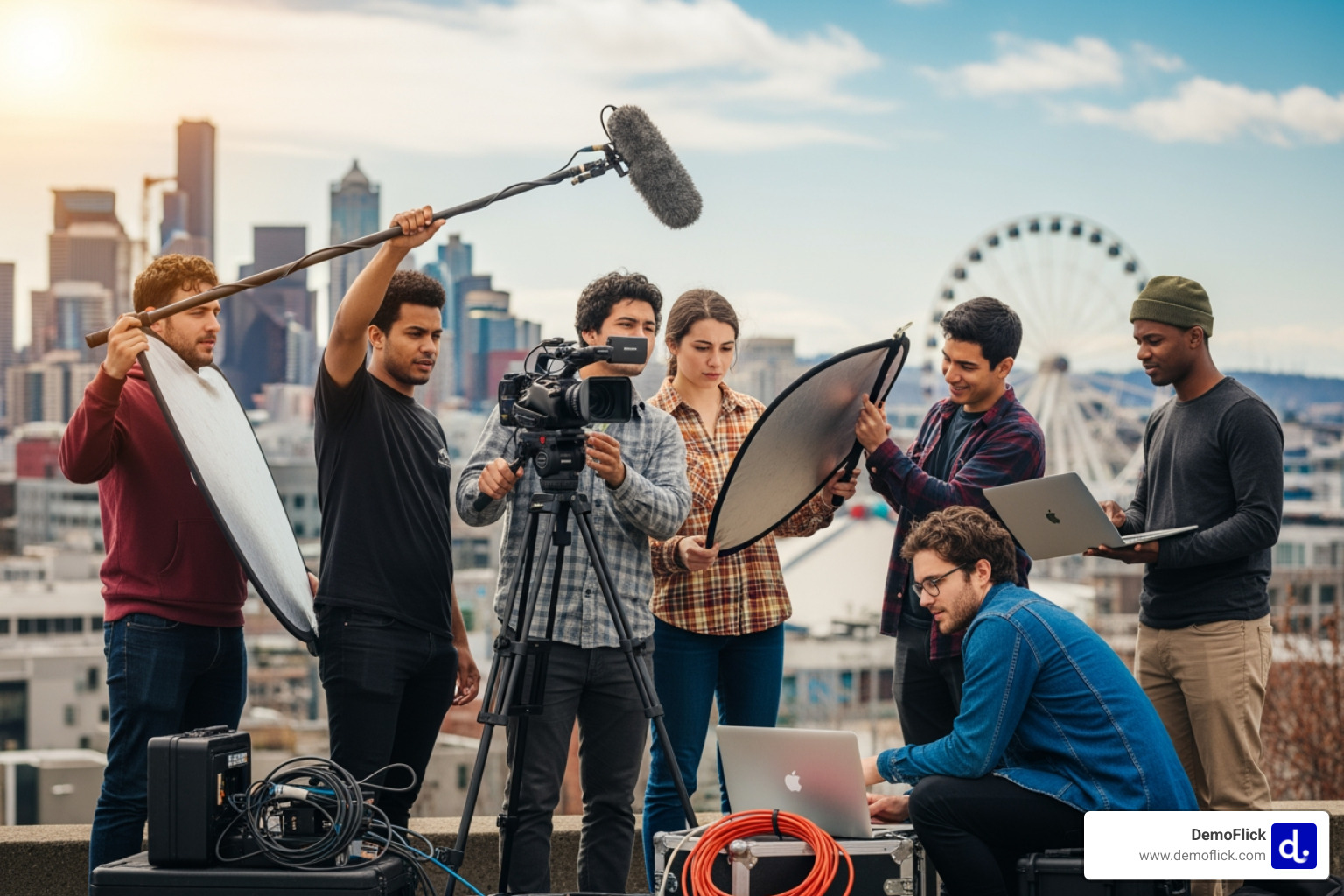
The single biggest driver of nonprofit video cost is crew size, and it compounds. One person shooting, directing, recording sound, and editing is cheap but slow. The audio or the lighting usually gives it away. Add a dedicated sound operator and a second camera and your interviews stop looking like a Zoom call. Each extra crew member runs roughly $400 to $800 per day in most markets. Gear packages, grip, and a location scout stack on top of that.
Here is what each add-on tends to cost per shoot day in a mid-size market:
- A dedicated sound operator: $400 to $700
- A second camera operator: $500 to $800
- A grip or gaffer for lighting: $400 to $650
- A location scout or producer on set: $500 to $900
Story development is the line item nonprofits forget to budget for. A videographer who spends a pre-production day with your program staff will deliver something donors remember. They read your impact report and build a script first. Someone who shows up cold and points a camera delivers footage, not a story. Pre-production has no visible output, so it is easy to cut. It often runs 20 to 30 percent of a good quote. Cut it, and you end up with a video nobody finishes.
Deliverables multiply cost faster than runtime does. A three-minute hero film is one edit. Repurpose that shoot into a 60-second social cut, a 15-second teaser, and three vertical clips. Now you have four more edits. Each one needs its own captions, aspect ratio, and music sync. Ask for the full social media cutdown package up front. It costs far less than commissioning the clips a month later. The footage is already logged, and the editor is already in the timeline.
Fundraising, impact, and annual report videos priced separately
Not every nonprofit video does the same job, and the type sets the budget more than length does. A fundraising or appeal video plays at the gala right before the ask. It lives or dies on one emotional story. Budget $4,000 to $10,000 here. The whole film rests on finding the right person and giving them room to be honest on camera. Cheap out, and you lose pledges in the room. Take a youth mentoring group filming its spring appeal. One student, one honest three-minute story, one well-lit interview, and the room opens its checkbooks.
An impact or program video is more forgiving. This is the annual “here is what your donation did” piece. It leans on documentary-style coverage of your actual work, so $2,500 to $7,000 covers a solid one. Annual report and stewardship videos translate numbers into motion graphics. Those sit around $6,000 to $15,000, because a designer has to animate your data cleanly. Recruitment and volunteer videos are the cheapest, often $1,500 to $5,000, since you already have willing subjects and access.
Public service announcements built for broadcast are their own animal. Once a video has to meet broadcast specs, the price jumps. It also has to clear music for paid media and often carry a professional voiceover. A professional voiceover artist alone can run $300 to $800 for a 30-second broadcast script. Expect $10,000 and up, even for 30 seconds. The usage rights alone can cost more than the shoot.

Where a nonprofit can cut cost without cheapening the film
Here is the good news: nonprofit video cost is one of the more controllable line items in a communications budget. Start by shooting more in a single day instead of spreading the work out. Travel and setup eat hours. A videographer who captures three interviews and a batch of b-roll in one visit costs far less. Three separate half-days will always cost more. Cluster the shoot around an event or a program day, when your people and beneficiaries are already in one place. Batching also protects your beneficiaries’ time. Asking someone to relive a hard story once is kinder than dragging it across three visits.
Provide your own assets and access. If your team pulls existing photos and gathers signed media release forms before the shoot, you save hours. Line up subjects who show up on time. Every one of those steps shaves a producer’s coordination hours off the invoice. A videographer charging for an afternoon spent chasing a no-show is money you could have kept. A single-location shoot with releases gathered in advance can easily save $1,500 to $2,000 versus three scattered half-days.
Be honest about the deliverables you will actually use. Nonprofits routinely order a five-minute film, a three-minute cut, and a highlight reel, then post only one. Order the versions your channels genuinely need and skip the rest. Most organizations really use just three cuts:
- One hero film of two to three minutes for your site and events
- A 60-second version for email and paid social
- A 15 to 30 second teaser to drive traffic to the full piece
What you should never cut is audio and licensed music. Bad sound reads as amateur faster than any camera choice. Unlicensed music can get your video pulled from YouTube or land your organization a takedown notice. Those are false economies, every time.
Paying for video with grants, sponsors, and in-kind help
Plenty of nonprofits cover the entire nonprofit video cost without touching the general operating budget. Program and communications grants increasingly allow media production as a line item. That is especially true when the video documents outcomes a funder wants to see. Federal pass-through grants and many community foundations treat outreach media like a printed annual report. It is a legitimate cost of showing funders what their money did. Write the production into the proposal as an evaluation or outreach cost. Get a real quote from a videographer to support the number. Do that, and you have covered the film before the fiscal year even starts.
Corporate sponsors are another route. A local business will often underwrite a video in exchange for a logo card and usage rights. They get to share it on their own channels, which is a fair trade. It costs you nothing but a credit. A $5,000 fundraising film split between two local sponsors costs each of them less than a table at your gala. Just put the sponsor recognition in the contract, so expectations are clear on both sides.
In-kind and pro bono work exists, but treat it carefully. A videographer donating a day is generous. Plenty of professionals do reduced-rate corporate video work for causes they believe in. What you should avoid is expecting a full production for free, then piling on revisions and extra deliverables. If someone gives you a discounted rate, protect the relationship. Pay the hard costs like music licenses, travel, and drives, and keep your scope tight. That is how a one-time favor becomes a videographer who comes back every year.
What to hand your videographer before the first shoot day
The cheapest way to control cost is to walk in prepared. Ambiguity is what turns a two-day project into a five-day one. Before anyone quotes you, write a one-page brief. Spell out the goal of the video, where it will run, who the audience is, the runtime, and the deadline. A videographer working from a clear brief quotes tighter and pads less. The unknowns that inflate estimates are already answered. If you want help shaping that document, the discipline behind a good video brief applies directly to nonprofit work.
Line up your subjects and get releases signed early. The most disruptive thing on a nonprofit shoot is a beneficiary who backs out the morning of. That hurts most when the whole appeal was built around their story. Keep a backup subject and confirm consent in writing. Be honest with your videographer about anyone who cannot be shown on camera. Minors, people in crisis, and other protected populations all carry filming constraints. A professional will plan around them if you say so in advance.
Sort out the logistics that cost billable time. Confirm building access, parking, a quiet room for interviews, and a power source. A locked interview room or a missing parking pass can burn the first hour of a paid crew’s day. Every one of those, left unsolved, becomes a crew standing around on your dime.
Questions to ask before you sign the contract
Ask what the quote actually includes, in writing, line by line. A number with no breakdown is impossible to compare. You want shoot days, crew, editing hours, deliverables, revision rounds, and music licensing spelled out. Two rounds of revisions is standard. Anything beyond that should list an hourly rate. Then you know the cost of a third pass before you ask.
Pin down usage rights and ownership. Nonprofits often assume they own the footage and the finished film, and that is not automatic. Confirm that you get the final video for unlimited use across all channels, in perpetuity. You almost always want that. Then clarify separately whether you receive the raw footage. Raw files are often a paid add-on. The raw footage matters more than nonprofits expect. It lets you cut new videos for years without paying for another shoot. Many videographers decline to hand them over at all, so settle it before the shoot.
Get the practical clauses into the agreement. A few worth confirming before you sign:
- Payment schedule, usually a 30 to 50 percent deposit with the balance on delivery
- A cancellation or kill fee if you pull the plug after booking
- Ownership and license terms for both the final cut and the raw footage
- Who covers music licensing, and whether it clears paid advertising use
One last question saves organizations real money. Ask whether the videographer has done nonprofit or event coverage before. Someone who understands consent, sensitive subjects, and the rhythm of a program day will move faster. They also put your beneficiaries at ease, and that shows up on screen.
Before you approve any quote, get three of them and compare the breakdowns, not just the totals. A clear nonprofit video cost is one you can read line by line and defend to your board. The videographer who itemizes honestly is usually the one worth hiring.