
A real estate agent offers you $300 to fly your DJI Mini 4 Pro over a $1.2 million listing. He wants 30 seconds of aerial footage. You already own the drone. You know how to fly it. The only real question is whether you can legally take the money. The answer runs straight through a Part 107 drone license. If any part of a flight supports a business, paid or unpaid, the FAA treats it as a commercial operation. That single fact decides what you must hold before you ever push the sticks forward.
Plenty of videographers skip this step, shoot a few aerial jobs, and never hear a word. That works right up until it doesn’t. A client asks for proof of certification. The insurer behind a claim starts asking questions. Or a neighbor films your drone over a crowded venue and reports it. This guide covers who actually needs a Part 107 drone license, what the test costs, and the rules attached to it. It also covers when you are better off hiring a certified pilot than earning your own rating.
What a Part 107 drone license actually covers
Part 107 is the slice of federal aviation rules covering small drones flown for anything but pure recreation. The full rule text lives on the FAA’s Part 107 page. It applies across the United States to any drone weighing between 0.55 and 55 pounds. That range covers basically everything a videographer flies. Think of a 249-gram DJI Mini on one end, a heavy cinema rig with a mirrorless body on the other.
The credential itself is officially the Remote Pilot Certificate with a small UAS rating. Passing the exam clears you to operate commercially inside a fixed rule set. You fly in daylight or civil twilight, and now at night with proper lighting. Altitude stays below 400 feet above ground level. The aircraft has to remain in visual line of sight, under 100 mph, and it yields to manned aircraft. One pilot in command runs each operation. A certified pilot can still supervise a non-certified person on the controls. Those limits are the practical envelope a Part 107 drone license buys you.

What the Part 107 drone license does not do is hand you a blanket pass. It sits on top of three separate obligations: aircraft registration, Remote ID compliance, and airspace authorization. Think of it like your driver’s license. It is necessary, but it is not the same as registering the car or obeying the speed limit.
Do you actually need it? The intent test that trips people up
The line between recreational and commercial flight comes down to purpose, not payment. Most videographers guess wrong right here. Fly your drone purely for fun, promote no business with it, and you fall under the recreational exception. That path only asks for the free TRUST test. The moment a flight furthers a commercial interest, the full certificate kicks in.
Here is the part that surprises people. You do not have to be paid for a flight to make it commercial. Shoot free footage for a friend’s restaurant to build your portfolio, and that counts. Post drone clips on your business Instagram to pull in clients, and you have crossed the line. Even filming a wedding venue for free to win the paid ground job puts you in commercial territory. Portfolio building is business, full stop.
A few concrete jobs that require a Part 107 drone license:
- Selling real estate aerials to an agent or brokerage
- Adding drone shots to a paid wedding or brand film
- Filming any event where you are hired, even if the drone work is a small add-on
- Producing content that markets your own videography services
If your aerial work touches any of that, the certificate is not optional. Buyers hiring for aerial and drone work now ask for a certificate number up front. Serious real estate clients treat it as a baseline, not a bonus.
What the test involves and what it costs
The exam behind a Part 107 drone license is the Unmanned Aircraft General, Small, knowledge test. It runs 60 multiple-choice questions, and you need 70 percent to pass. You sit it in person at an FAA-approved PSI testing center. The fee is $175, paid at the center. Bring a government photo ID, because the center will not seat you without one. You must be at least 16 and able to read, speak, and understand English.
Before you can schedule, you register in IACRA and pull an FAA Tracking Number. Pass the test, and you finish Form 8710-13 through IACRA. Then you clear a TSA security background check. You get a temporary certificate you can print and use right away. The permanent plastic card arrives a few weeks later. Most people clear the whole IACRA-to-card process in three to six weeks.
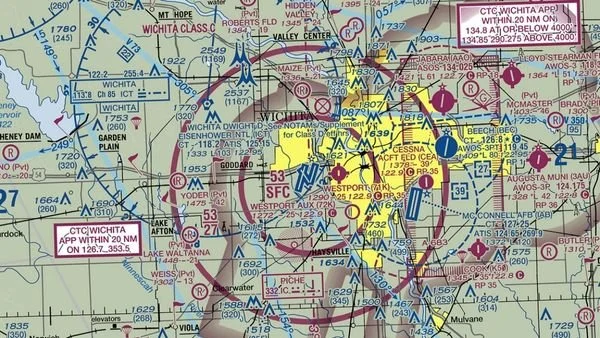
The material leans harder on aviation fundamentals than most people expect. Roughly a quarter of the questions cover reading sectional charts and sorting out airspace classes. The rest spreads across weather, loading and performance, radio phraseology, decision-making, and the Part 107 regulations. Never touched a sectional chart? Budget 15 to 20 hours of study. A structured course like Pilot Institute or the ASA test prep runs $150 to $300. Pair it with the FAA’s free study guide and most people pass comfortably.
The renewal side is refreshingly cheap. Since April 2021, you no longer pay to recertify. Every 24 calendar months you take a free online recurrent training course through the FAA. That keeps the rating current. Your recurring cost is zero dollars and about an hour of your time. That is rare in anything aviation touches.
Remote ID, registration, and the rules beyond the license
Holding a Part 107 drone license is only one piece of flying legally. Any drone at or above 0.55 pounds has to be registered with the FAA. That costs $5 per aircraft and lasts three years. Under Part 107 you register each drone individually and mark the airframe with its number. Recreational flyers register once and cover a whole fleet. Commercial operators do not get that shortcut.
Remote ID is the rule that blindsided a lot of pilots. The FAA started enforcing it in March 2024. Every drone that needs registration must broadcast its identity and location in flight. That happens through built-in Standard Remote ID or an add-on module on older airframes. Most current DJI and Autel models, like the Air 3 or Evo II, handle it in firmware. Flying a drone from 2020 or earlier? Check it first. You may need a broadcast module like the Dronetag Beacon, around $50, before a paid job. Flying without Remote ID is now a violation on its own.
Night operations went legal under Part 107 in 2021, no waiver required. The catch: your drone needs anti-collision lighting visible for three statute miles, and you have to finish the updated recurrent training. Flying over people falls into a four-category system, from Category 1 to Category 4. The tier depends on how much injury the drone could cause. Most videographers should treat crowds as off limits until they have done the homework. When a shot genuinely needs to break a standard rule, you file for a waiver. You do not just wing it.
Flying in controlled airspace: LAANC and waivers
A big share of the properties and venues you will film sit in controlled airspace near an airport. You cannot legally launch there without authorization. A Part 107 drone license alone will not get you cleared to fly. The tool that handles it is LAANC, the Low Altitude Authorization and Notification Capability. It pushes near-instant approvals through apps like Aloft or Airmap.
Here is how it plays out on a real job. You get booked for a listing that sits in Class D airspace under a 200-foot ceiling. You open the app, drop a pin on the property, and request authorization up to 200 feet. Often you are approved in seconds. If the spot needs altitude above the grid ceiling, or LAANC does not cover it, you file a manual request. That goes through the FAA DroneZone portal. That one can take up to 90 days. Plan accordingly.
Check the airspace before you quote the job, not the morning of the shoot. I have watched videographers promise a client sweeping 300-foot reveals over a property. It turned out to be capped at 100 feet by the airspace grid. That is an awkward conversation to have after the deposit clears. Building airspace checks into your pre-production is the same discipline as scouting a ground location. It separates the pilots who keep getting hired from the ones who get one shot. If drone coverage is central to a project, build these lead times into your quote. Your production timeline and pricing should reflect them from the start.
What happens if you skip the Part 107 drone license
The honest answer is that most illegal flights go unnoticed. The dishonest conclusion would be that the risk is zero. The FAA can assess civil penalties in the five figures per violation for flying commercially without certification. Published cases have topped $27,000 for a single unauthorized operation. Enforcement usually starts with a complaint. It comes from a competitor, a property manager, or a rattled bystander who films your drone and reports the number.
The bigger exposure is not the fine. It is everything downstream of an incident. If your drone hits a car, injures a guest, or clips a building, your liability policy asks one thing. Was the operation legal? Fly commercially without the certificate, and you have handed the insurer a clean reason to deny the claim. The damages then come straight out of your pocket. Most drone-specific policies, from carriers like SkyWatch or Thimble, run $50 to $75 a day. One accident at a wedding could dwarf every dollar you ever earned from aerial work.
There is a reputational cost too. Real estate brokerages, event planners, and larger production houses increasingly want a certificate number in the contract. They also want proof of drone-specific insurance before they let you fly. Getting caught without a Part 107 drone license does not just risk a fine. It gets you quietly dropped from the vendor list. To see how buyers vet aerial pros, the how it works page walks through the same credentials clients look for.
Should you get certified or hire a Part 107 pilot?
Not every videographer should rush to become a remote pilot. If aerial work is a rare add-on, maybe one or two jobs a year, the math often favors subcontracting. A certified drone pilot typically charges $250 to $600 for a half day of coverage. They hand over the raw or graded clips for you to cut into the main edit. Confirm the pilot carries their own liability coverage and lists you as additional insured. Otherwise their crash becomes your problem. You stay on the ground story, the client gets legal footage, and you carry none of the regulatory risk.
The case for your own certificate is volume and control. Shoot real estate video or brand films, where aerials show up on most projects, and the math flips. The $175 test plus a weekend of study pays for itself in a job or two. You stop splitting fees. You also buy scheduling freedom: no second vendor to coordinate, no waiting on someone else’s calendar, no explaining your vision secondhand.

A middle path fits a lot of people. Get certified so you can legally fly the routine, low-risk shots yourself. Bring in a specialist for the technical jobs. Think tight FPV work through a building, flights over crowds, or complex airspace. Whichever route you take, the requirement does not budge. Commercial aerial video in the United States runs through a Part 107 drone license. There is no version of a paid drone shoot where you skip it.
Before you accept your next aerial booking, pull up the airspace map for the location. Confirm your drone broadcasts Remote ID. Those two checks take five minutes. They catch the mistakes that turn a routine shoot into a legal and insurance mess.