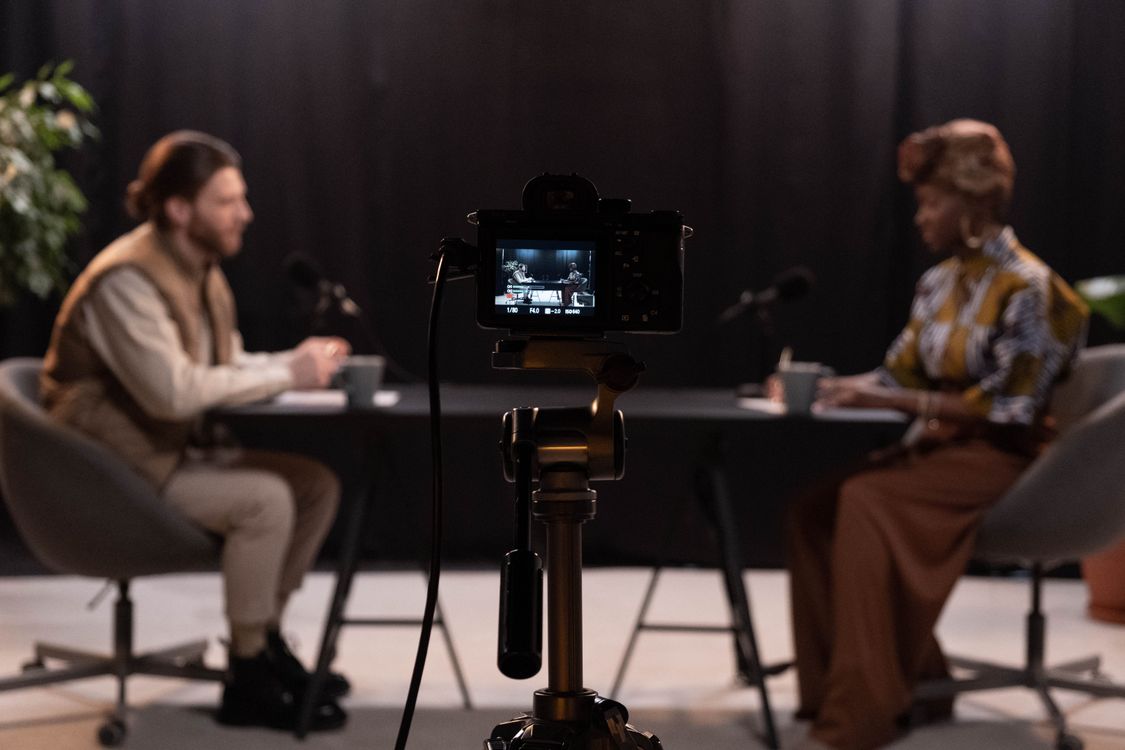
You booked a guest, you have a USB mic, and now a sponsor wants the show on YouTube and TikTok, not just Spotify. So what does it really cost to film a podcast and make it look like something people will actually watch? Podcast video production cost in 2026 runs from roughly $400 for a stripped-down single-camera session to $6,000 or more per episode for a full multi-camera studio shoot with same-week editing. Most of that spread comes down to three things: cameras, editing hours, and whether you own the room.
This guide walks through where the money actually goes, what each tier buys you, and how to avoid paying brand-film prices for a show that needs to ship every single week.
What you are actually paying for
The invoice for a video podcast is not one line item. It splits into three buckets, and knowing the split helps you push back when a quote feels high. First is capture: the shooter, the cameras, the audio gear, and the hours on site. Second is editing, which on a talking-head show is usually the largest single cost. Third is everything around the edges: studio rental, travel, graphics, and the short vertical clips your social team keeps asking for.
A two-host interview filmed for an hour can generate three to four hours of editing per episode. That counts syncing audio, color work, cleaning up dead air, and cutting clips. It is why a 60-minute recording rarely costs the same as a 60-minute solo sit-down. The talking is cheap. The polish is not.
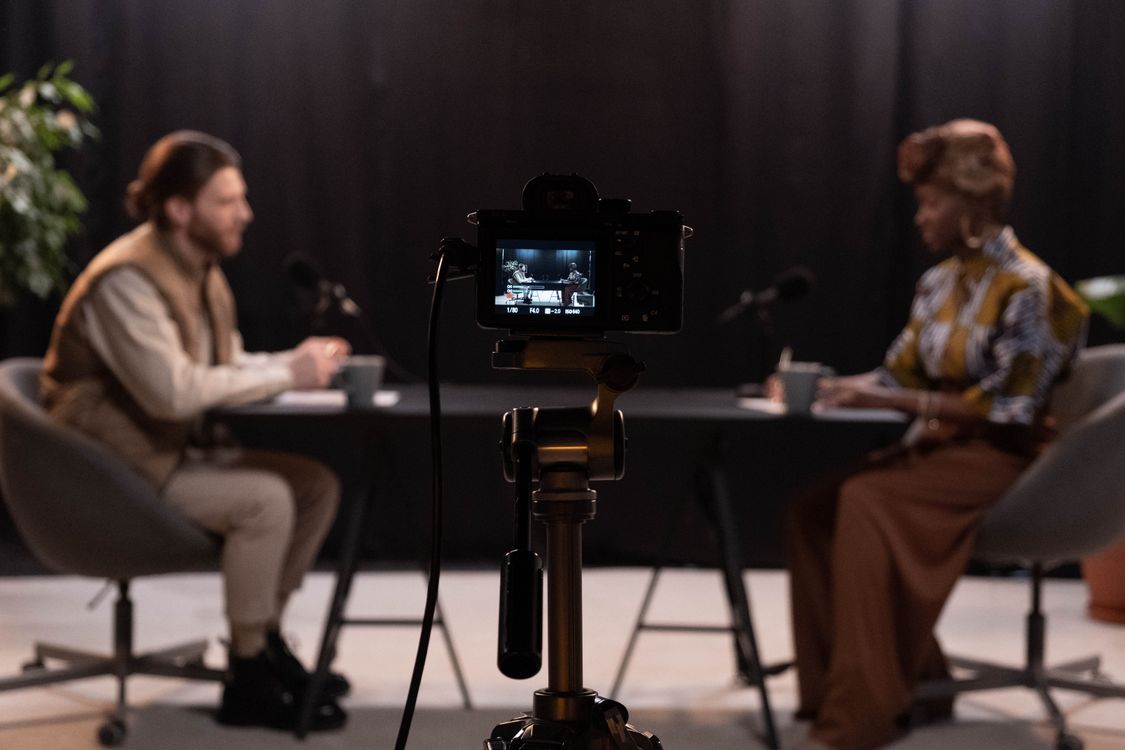
One more thing buyers miss: deliverables multiply the bill. One long-form horizontal episode is one price. That same episode plus eight vertical clips, captioned and reframed for Reels, is a different price, because someone is reframing every clip by hand or babysitting software that does it imperfectly.
Real podcast video production cost ranges for 2026
Here is what podcast video production cost looks like across the common tiers, based on rates working videographers are quoting this year. Treat these as per-episode figures for a recording of 60 to 90 minutes.
- DIY plus a cleanup editor: $150 to $400 per episode. You own the cameras, record yourself, and send the files to a freelance editor.
- Single shooter, one or two cameras, basic edit: $500 to $1,200 per episode.
- Two-person crew, three to four cameras, multi-cam edit with clips: $1,800 to $4,000 per episode.
- Full studio package with set, lighting design, switched live cuts, and same-week turnaround: $4,000 to $8,000 per episode.
Volume changes everything. A studio that charges $3,000 for a one-off will often drop to $1,600 per episode if you book ten in a single day, because the lights are already set and the crew is already paid for the day. If you publish weekly, never price a single episode. Price the season.
Geography matters too. A multi-cam crew in Austin or Nashville might quote $2,200 where the same setup in Los Angeles or New York runs $3,500 for identical gear. The camera does not cost more in Manhattan. The day rate and the room do.
Single camera versus multi-camera
A single locked-off camera on the host is the cheapest watchable option, and for a solo monologue it is genuinely fine. The problem starts the moment you add a guest. With one camera you either frame both people in a flat wide two-shot, or you try to cut between them in post from a single angle, which you cannot do, because there is only one angle.
Most interview shows want a minimum of three cameras: one on each person and one wide safety shot. That lets the editor cut to whoever is talking and drop to the wide when both laugh or talk over each other. A fourth camera adds a second angle on the host for variety. Every camera you add is not just rental. It is another file to sync, color match, and cut, so editing time climbs with the angle count.

Gear-wise, a typical mid-tier rig is a pair of Sony FX30 or Canon R6 bodies on prime lenses, lit with two or three LED panels like Aputure 300x units, with audio captured on Shure SM7B mics into a RodeCaster Pro. You do not need cinema cameras for a podcast. You need clean, consistent, well-lit angles and audio that does not hiss. If a videographer is pushing an ARRI rental for a talking-head show, ask why.
In-studio, on-location, or fully remote
Where you film moves the cost more than most people expect. A dedicated podcast studio rental runs $75 to $300 per hour in 2026, depending on the city and whether crew and cameras are included. Some studios bundle operators and editing into a flat per-episode rate. That simplifies budgeting, but it also hides what you are paying for each piece.
Filming at your own office saves the room fee, but it adds a load-in, a lighting setup, and a teardown that can eat two hours of paid crew time on each end. That tradeoff favors the studio once you record regularly, since the studio leaves everything rigged. A working corporate videographer will usually tell you to film a one-off at your office and a series at a studio. They are right.
Remote interviews are the wildcard. Recording a guest over a tool like Riverside or Zoom captures separate local tracks, but quality depends entirely on the guest’s webcam and lighting, which you do not control. You can budget zero for travel and still end up with one beautiful host angle next to a grainy laptop shot. If guests matter to your brand, budget for shipping them a small kit or filming them in person. No editor can fix a bad webcam in post.
Editing is the part of the bill that surprises people
Editing is where video podcasts quietly get expensive, and it is the line first-time buyers underestimate most. A clean multi-cam edit of a 75-minute episode is real work. You are syncing four tracks, picking cuts across the whole runtime, color correcting each angle to match, mixing audio, building intro and outro graphics, and exporting. Expect three to six editing hours per finished episode at $40 to $100 an hour for a competent freelancer, more for a studio carrying overhead.
Then come the clips. Cutting eight to twelve vertical shorts from one episode, each reframed to 9:16, captioned, and hooked in the first second, adds another three to five hours.

Some teams use Opus Clip or Descript to speed this up. Those tools are good at finding moments but mediocre at framing and pacing, so a human still cleans them up. If a quote for a video podcast looks low, check whether clips are included or quietly left out. They are usually left out.
Turnaround affects price too. A one-week delivery is the baseline. Same-day or next-morning delivery, which some news-adjacent shows need, can add 25 to 50 percent, because the editor is reordering their whole week around you. Decide how fast you truly need it before you pay for speed you will never use.
What a recurring podcast deal looks like
Most serious shows do not buy episodes one at a time. They sign a monthly retainer, and that is where the math gets friendly. A common 2026 structure is a flat monthly fee covering four recording days and four fully edited episodes plus a set number of clips. That tends to land between $3,000 and $9,000 a month, depending on camera count and clip volume.
For a videographer reading this, recurring podcast work is some of the most stable income in the field. It is predictable and repeatable, and once your lighting and audio are dialed in, you are not solving new problems every shoot. That stability is exactly why many shooters list themselves for videographers who shoot events and recurring content rather than chasing one-off weddings. If you want a sense of how studios package and price these deals, our pricing overview breaks down where flat rates beat hourly.
When you negotiate a retainer, nail down three numbers in writing: how many episodes per month, how many clips per episode, and the revision policy. Vague retainers turn into scope fights by month two. A clause as simple as “up to two rounds of revisions per episode, additional rounds billed at the hourly rate” heads off most of them.
How to spend less without looking cheap
The fastest way to cut podcast video production cost is to batch. Recording four episodes in one studio day instead of four separate days can roughly halve your per-episode crew and setup cost, because you pay for the room and the lighting once. Line up guests for a single long day and your budget stretches twice as far.
Be honest about clip volume. Plenty of shows order twelve clips per episode and post four. You just paid for eight clips nobody saw. Start with three or four strong clips and scale up only when a specific platform is actually working for you. Lock your set and lighting once, then leave it alone. Every time the look changes, the editor re-matches color, and you pay for it.
A few things are genuinely worth paying for, even on a tight budget:
- Good audio. Viewers forgive a soft image. They click away from bad sound in seconds.
- One extra camera angle, so the edit always has somewhere to cut.
- Consistent lighting, so episodes match and your channel reads like a real show.
If you are sourcing a shooter for this, look for someone who has actually delivered episodic content, not just brand films. Browsing profiles by specialty and reading how each person describes their social-media video work tells you fast who treats podcasts as a system versus a side gig.
The number that matters
For a weekly show that wants to look professional on YouTube and ship vertical clips, budget $1,800 to $3,500 per episode at typical multi-camera quality. That number drops if you batch your recordings and own your space. It climbs if you want same-week clips and a switched live cut.
Before you sign anything, get three quotes and ask each shooter to break capture, editing, and clips into separate line items. A vague all-in number hides where your money goes. A line-itemed one shows you exactly which part to trim first.
Three questions settle most of it before you commit:
- How many cameras, and who is operating them?
- Are vertical clips included, and how many per episode?
- What is the revision policy, and what does an extra round cost?
Answer those and you will see exactly where your podcast video production cost is going, and where you can cut it. Then book the season, not the episode.