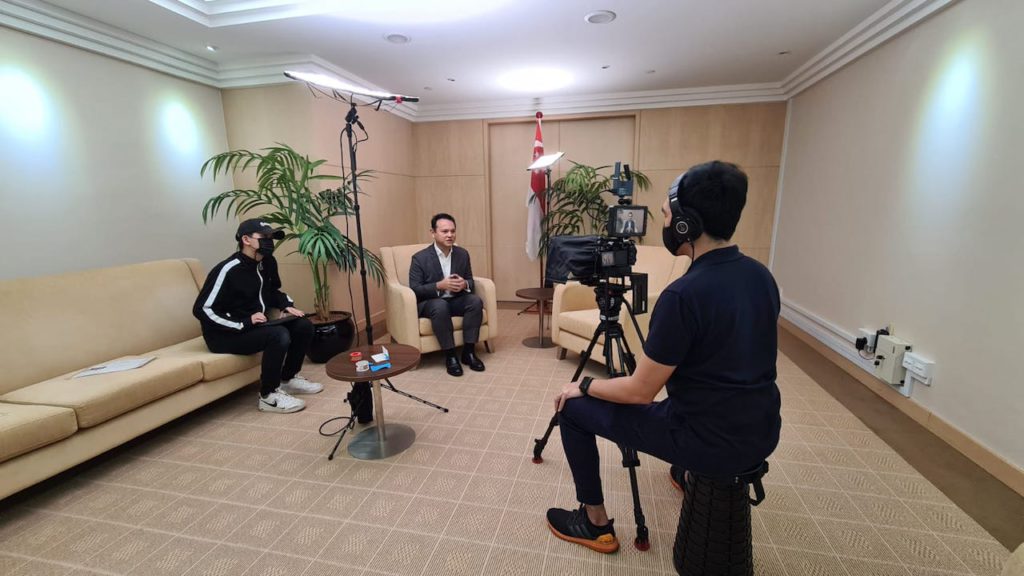
Your head of talent wants a video for the careers page by the end of Q3. The budget line just says “video: TBD.” Then three quotes land in your inbox. They range from $3,500 to $28,000 for what reads, on paper, like the same deliverable. Not one of them explains the gap. That gap is the whole game.
The honest answer on recruitment video cost in 2026 sits between roughly $3,000 and $30,000. Where you land has almost nothing to do with the videographer being greedy or cheap. It comes down to four things: how many shoot days you are buying, how many people get interviewed on camera, whether there is a script and a voiceover, and how many cuts of the final file you walk away with. Pin those four down before you compare a single quote. The price stops looking random.
What a recruitment video cost actually buys at each tier
Recruitment video cost falls into three bands. The low band runs $3,000 to $6,000. That buys a single shoot day with one operator, a couple of employee interviews shot against an available wall in your office, some cutaways of people working, and one edited cut around 90 seconds. It is real production, but it is lean. You will not get a second camera, a dedicated audio tech, or a separate creative who wrote a script the week before.
The middle band, $7,000 to $15,000, is where most serious company recruitment videos live. You are paying for a half day of pre-production planning and a full shoot day, sometimes two. A two-person crew handles audio and lighting properly. You get four to six interview subjects and B-roll that is staged rather than grabbed on the fly. Add licensed music, color grading, and two or three deliverables: a hero cut for the careers page plus vertical edits for social.
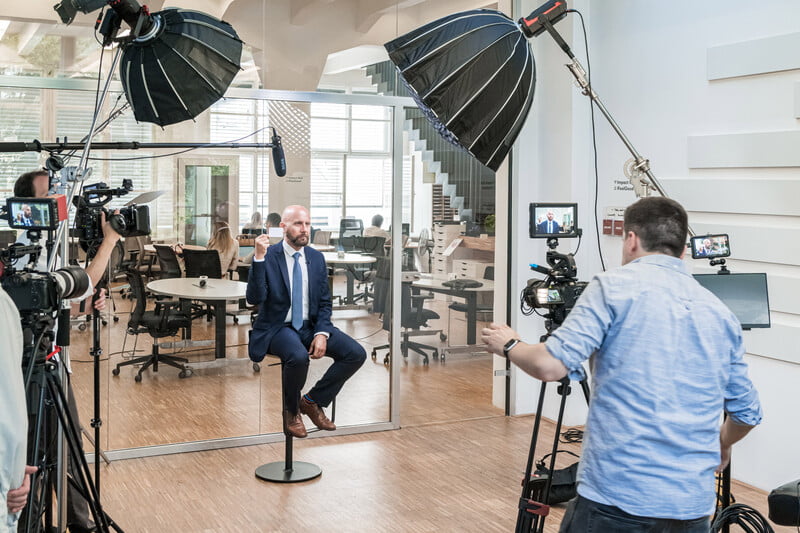
The top band starts at $16,000 and climbs past $30,000. Now you get a director who is separate from the camera operator, plus a written and approved script or interview guide. Lighting is built properly across multiple locations. There may be a day of travel between offices. You also get motion graphics for lower thirds and stats, and an edit cycle with two or three rounds of revisions written into the contract. If a quote lands far outside these bands in either direction, treat it as a prompt to ask what is and is not included. Do not assume someone made a mistake.
What pushes the price up or down
A handful of variables explain almost every swing in recruitment video cost. Shoot days are the single biggest lever. A videographer charges a corporate video day rate that typically runs $1,200 to $3,500, depending on market and experience. Every day on location pulls audio, lighting, and a second operator along with it. Two offices in two cities is not double the shoot cost. It is double plus travel, lodging, and a half day lost to moving gear.
The number of on-camera interviews matters more than buyers expect. Each subject needs a lighting and mic reset, a few minutes to settle, then eight to fifteen minutes of usable answers that someone has to log and cut. Six interviews is a real day of work before a single B-roll shot. Hand the videographer a list of twelve people who “all want to be in it” and the edit cost climbs, because someone is sorting through hours of footage to find the four good soundbites.
A few things genuinely move the needle:
- Scripting versus interview-led. A written, voiced-over piece needs a writer, a voice artist, and an approval loop. An interview-led piece skips all three but lives or dies on how well your people talk.
- Motion graphics. Animated stats, logo builds, and kinetic text add a specialist and a few thousand dollars.
- Revision rounds. Two rounds is standard. Open-ended “until legal is happy” is how budgets quietly double.
Turnaround is the lever people forget. A standard edit runs two to four weeks. Ask for it in five days and you are paying a rush premium, often 25 to 50 percent, because someone is rearranging their week for you.
Scripted, interview-led, or documentary style?
These three approaches are not interchangeable. The choice changes both the price and what the finished video can do. A scripted recruitment video uses a voiceover or an on-camera host to say exactly what you want, in the order you want it. It is the most controllable and the most expensive, because control costs money: a writer, an approval cycle, and a voice artist who runs $200 to $800 for a short read.
Interview-led is the workhorse of the category. You ask real employees real questions, pull the best fifteen seconds from each, and stitch those soundbites over B-roll of the actual workplace. It feels authentic because it is. Candidates can smell the difference between a real engineer talking about her team and an actor reading “we value innovation.” The risk is that your people might freeze on camera. That is exactly why the middle and top tiers include a director whose whole job that day is making nervous staff sound human.
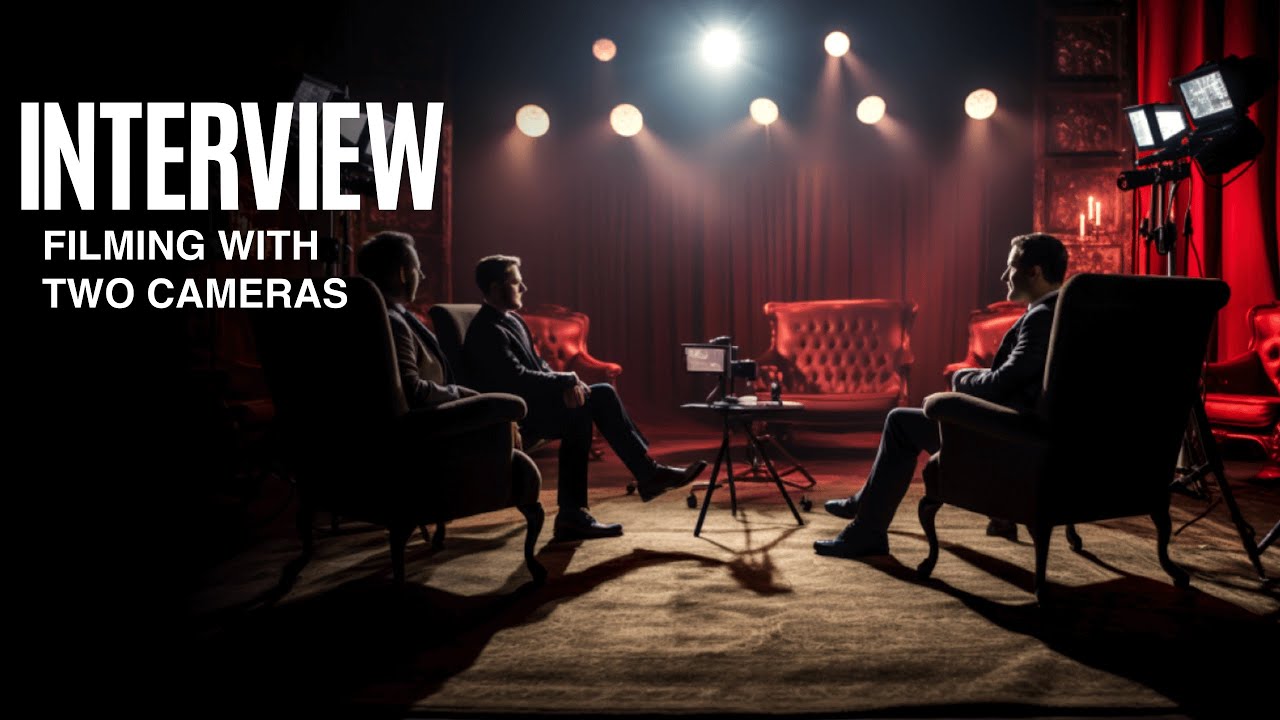
Documentary style goes further. It follows a few employees through an actual day with minimal staging. That produces the most genuine footage and demands the most shoot time, which is why it sits in the upper bands. For a careers page where trust is the entire point, interview-led is usually the right spend. Save the fully scripted treatment for a flagship brand film where message control outranks raw authenticity.
How long should a recruitment video be, and where does it run?
Length and placement are joined at the hip, and both affect the quote. The hero video on your careers page should run 90 seconds to two minutes. That is long enough to introduce the work, the people, and the culture. It is short enough that a candidate actually finishes it. Push past three minutes and your completion rate falls off a cliff, which means you paid for footage nobody watches.
The careers page is rarely the only home for the footage, though. Most companies in 2026 want the same shoot to feed LinkedIn, Instagram, and increasingly TikTok. There the format is vertical and the attention window is under fifteen seconds. A good videographer frames with this in mind from the start, capturing interviews so they can be cropped to vertical later. Ask for vertical cuts only after the edit is locked and you may be paying for a partial re-edit.
This is why deliverables belong in the contract as a numbered list. A typical package might read: one 90-second hero cut in 16:9, three 20-to-30-second vertical clips for social media, and one 6-second silent loop for the top of the careers page. Five files, all from one shoot.
Spell that out before signing. “We will give you the video” is not a spec. The difference between one file and five is real edit labor that someone is either charging for or quietly cutting.
A realistic line-item breakdown
Here is where a $12,000 mid-tier recruitment video cost tends to go, so you can read a quote and know whether it is honest or padded. Pre-production covers the planning call, the interview guide, the shot list, and scheduling. It runs $1,000 to $2,000. It is invisible in the final video and completely load-bearing; skip it and you get a chaotic shoot day.
The shoot itself is the biggest chunk. A two-person crew for a full day, plus gear, lands around $3,000 to $5,000. That number bundles in the cameras, proper lighting, lavalier and shotgun mics, and a gimbal for moving B-roll. A body like the Sony FX6 or a pair of FX3 cameras is a common rig at this tier. If the quote breaks out a $1,500 “equipment rental” line on top of the day rate, ask why. Most owner-operators include their own kit.
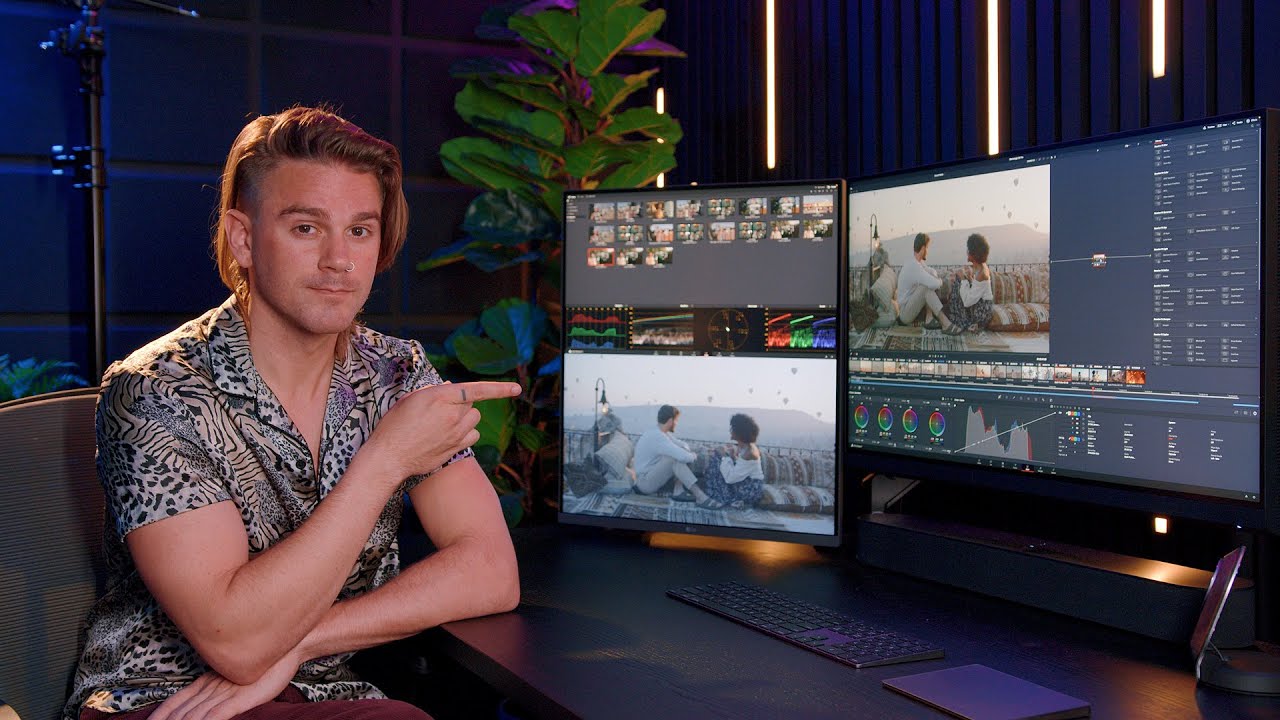
Post-production is where the rest lives. Logging footage, assembling a story from interviews, color grading, audio mixing, music licensing (figure $50 to $300 per track from a library like Musicbed or Artlist), and producing your multiple cuts runs $3,000 to $6,000. The range depends on how many deliverables and revision rounds are included. Voiceover, motion graphics, and captions are add-ons, not assumptions.
When you see a flat “video production: $12,000” with no breakdown, ask for the itemized version. A videographer who runs a real business can produce one in an hour, and the act of asking tells you a lot about who you are about to hire. To sanity-check a number before any calls, our video pricing guide is a fair starting reference.
What to ask before you sign the quote
The quote is a conversation starter, not a verdict. Five questions separate the videographers who will deliver from the ones who will surprise you in week three:
- How many shoot days and crew members does this include? This is the cost foundation. A one-day, one-person quote and a two-day, two-person quote should not carry the same price. If they do, something is being shaved.
- How many revision rounds are in the price, and what does a round cost after that? Two is standard. Get the overage rate in writing.
- Who owns the footage and the final files, and what are the usage rights? You want broad usage across your owned channels. Some contracts limit use to a term or a single platform.
- What do you need from us, and by when? A good answer names locations, interview subjects, brand assets, and a sign-off contact. A vague answer predicts a messy project.
- What is the turnaround from shoot to first cut? Two to four weeks is normal. Anything promised in days either costs more or is optimistic.
Music licensing deserves a second look. It is the most common place a cheap quote hides a future problem. If a videographer cannot tell you which library the music comes from, or hands you a file with a track they grabbed off YouTube, you have a copyright takedown risk sitting on your careers page. Reputable operators license everything and can show you the certificate. That single answer often tells you which band of professionalism you are actually buying.
Where most of the budget really decides the outcome
The gap between a $4,000 recruitment video and a $14,000 one is not resolution or camera brand. Both will look sharp on a phone. The gap is people and time. A second person keeps the audio clean. A director makes your shy best engineer sound like someone a candidate would want to sit beside. And an editor with enough hours finds the four soundbites that actually say something.
Cut those line items and you do save real money. You also lose the only thing the video was supposed to do. This is where cheap quotes hide their most expensive surprise, because the footage technically exists but none of it moves anyone to apply.
Before you approve any number, write your deliverable list and a two-line goal for the video, then send both to every videographer you are quoting. You will get comparable bids instead of three unmatched guesses. You will also spot the one who asks the sharpest follow-up question. That person is usually worth a slightly higher recruitment video cost, because they understood the job before they quoted it.