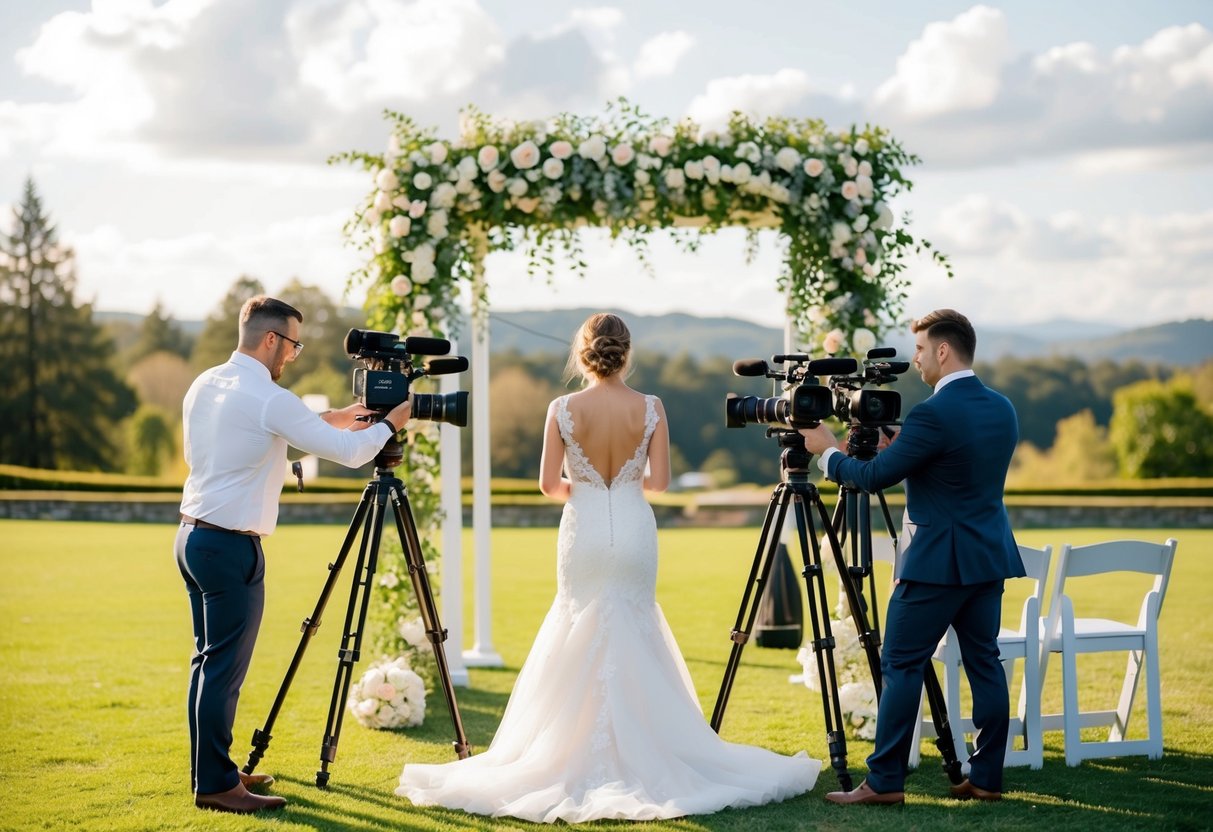
You booked a videographer for $3,200, and the proposal lists an optional second shooter for another $700. The studio says yes, of course, two is better. Your budget says maybe not. So the real question is whether a second shooter wedding video gives you footage you would actually miss, or whether you are paying for a second person to stand in the back of the same room.
The honest answer depends on your ceremony, your venue, and how your day is timed. Some weddings genuinely need two cameras rolling at once. Plenty of others get a beautiful film from one experienced shooter who knows where to stand. Below is what the second person actually does, what it costs, and how to tell which camp your wedding falls into.
What a second shooter wedding video adds on the day
A second shooter is a working videographer, not a helper carrying bags. They run their own camera, usually something matched to the lead’s kit so the footage cuts together cleanly: an FX3 paired with another FX3, or a pair of A7S III bodies on gimbals. During the ceremony they cover the angle the lead cannot. While the lead frames a wide of the couple at the altar, the second shooter is tight on the groom’s face as the bride walks in, or pulled back catching the parents in the front row.
The value shows up most in moments that happen once and never repeat. A first kiss lasts two seconds. If your only camera is locked wide for safety, you get a nice wide and nothing else. With a second operator, you get the wide and the close-up of the tears, cut together so the moment breathes. The same logic applies to the ring exchange, the first look, and the toasts, where a reaction shot of the crowd often beats the speech itself.

A second shooter also buys you redundancy, which is the part most couples underrate until something goes wrong. Cameras fail. Cards corrupt. Someone steps in front of the lead at the exact wrong second. When two operators cover the same key moment from different positions, a problem with one camera is an inconvenience instead of a hole in your film.
What it costs to add a second videographer in 2026
Most studios price a second shooter as a flat add-on, and in 2026 the common range runs $500 to $1,200 for a standard eight-hour wedding day. Higher-end studios in major metros charge $1,000 to $1,800, because their second shooters are experienced operators with their own insured gear, not students working for the credit. The number reflects a real cost: another professional’s day rate, their travel, and the extra hours of footage someone has to sort and edit afterward.
For context, The Knot’s annual wedding cost research puts the national average for a videographer near $2,000 before any add-ons, which means a second shooter can push your video line past $3,000 in a hurry. That is real money, so it deserves a clear-eyed look rather than a reflexive yes.
The editing cost is easy to forget. A second camera roughly doubles the raw footage. If a single shooter hands the editor 90 minutes of usable clips, two shooters might hand over close to three hours, and every minute gets watched, logged, and synced. The edit takes longer, which is part of why the add-on is not just the second person’s day rate split in half.
Watch how the studio frames it. A flat $700 add-on is honest. A package that bundles two shooters, a longer film, a second highlight reel, and an album into one number makes it hard to see what the second camera alone is worth. If you only want the extra coverage, ask for the second shooter as a standalone line item so you can compare it against everything else competing for the budget. Studios that publish clear pricing tend to itemize this without being pushed.
When one experienced videographer is genuinely enough
A lot of weddings do not need two cameras, and a good single shooter will tell you so. If your ceremony is short, your guest count is under 80, and everything happens in one or two rooms, a single operator who moves well can cover almost everything that matters. Intimate weddings, courthouse ceremonies, and elopements are the clearest cases. With ten guests in a garden, a second camera mostly films the back of the first videographer’s head.
The deciding factor is less about budget and more about how many important things happen at the same time. If your processional, your partner’s reaction, and your parents’ faces all land in a three-second window, one camera has to pick one. If your day is paced with room to breathe, a single shooter can reposition between moments and still catch them all.
Experience matters more than headcount here, and this is where cheap two-shooter quotes hide their weakest link. A seasoned solo videographer with a gimbal and a second body on a tripod will out-shoot two inexperienced operators who keep filming each other by accident. When you look at a portfolio, you are really judging whether this person can carry a day alone, not how many cameras they own. You can browse wedding videographers and watch full films, not just highlight reels, to see how a solo shooter handles a ceremony.
The moments you actually lose with a single shooter
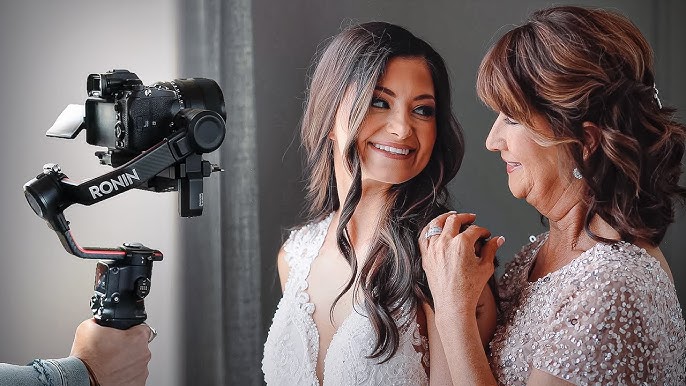
It helps to be specific about what falls away when you book one camera, because the loss is rarely the whole moment. It is the second angle. A single shooter at your ceremony will almost always prioritize the couple, which means they will catch your vows beautifully and may miss your mother crying in the second row. That trade is fine for some couples and painful for others.
Four moments tend to suffer most under single coverage:
- The first look, where the reactions on both faces happen at once and cannot both be framed by one lens
- The processional, when the person at the altar reacts while the camera is following the walk down the aisle
- The toasts, where the speaker and the couple’s laughing reaction live in two different frames
- The exit or send-off, often fast and chaotic, where a single camera can only pick one side
None of these moments disappear entirely with one shooter. You simply get one perspective instead of two cut together. Whether that matters is a personal call. Couples who care most about emotional reaction shots, the crying, the laughing, the parents, get the most out of a second camera. Couples who mostly want a clean record of the day they were too busy to watch are usually happy with one.
Second shooter versus a second camera on a tripod
Studios sometimes blur this line, so it is worth pinning down before you sign anything. A second shooter is a person operating a camera. A second camera on a tripod is an unmanned body locked off in a corner, recording a static wide while the lead works. They are not the same thing, and they should not cost the same.
The locked-off camera is genuinely useful. It gives the editor a safe, continuous wide of the whole ceremony, which is gold for cutting around mistakes and covering the gaps when the lead is moving. Most solo videographers already do this as standard, and they should not charge a second-shooter fee for setting up a tripod and pressing record. It is one camera with no operator, capturing one fixed angle that never changes.
When a studio quotes you a second shooter, ask plainly: is that a second operator moving around, or a second camera on a stand? Both have value. Only one justifies the higher price. If a quote lists two cameras but one is unmanned for the whole ceremony, you are paying operator rates for tripod work. A studio’s FAQ or proposal should make this distinction clear, and if it does not, ask before you sign.
Questions to ask before you pay for two
A short conversation usually settles the decision. The point is to find out whether the second shooter on this specific day will produce footage you will actually see in the final film, or whether it is insurance you may not need.
Start with these:
- Who is the second shooter, and can I see footage they captured on a past wedding?
- For my ceremony and venue, what specifically would the second camera cover that one would miss?
- Is the second person operating throughout, or just during the ceremony?
- How does adding them change my final film length and delivery timeline?
- If I skip it, where would I notice the difference?
The answers tell you a lot about the studio’s honesty. A good videographer will sometimes talk you out of the upsell because your day does not call for it. If every answer points toward yes regardless of what you describe, treat that as a sales reflex rather than a recommendation built around your wedding. The way a studio handles this question is a decent preview of how they will handle the rest of your booking, which is part of why understanding how the process works before you commit pays off.
How to decide for your specific wedding
Run your day through a simple filter. Count the moments where two important things happen simultaneously and cannot be re-staged. A large ceremony with a long processional, a first look, emotional family, and 150-plus guests stacks up several of those, and a second shooter earns its fee. A small ceremony in a single room with a tight guest list rarely does.
Then weigh it against everything else competing for the money. If $700 toward a second shooter means cutting your reception coverage short or dropping the longer feature film, think hard about which one you will rewatch. Many couples get more lasting value from longer total hours of single coverage, capturing getting-ready through the last dance, than from doubling up on the ceremony alone. Others would trade an hour of dance-floor footage for two angles on their vows without hesitation.
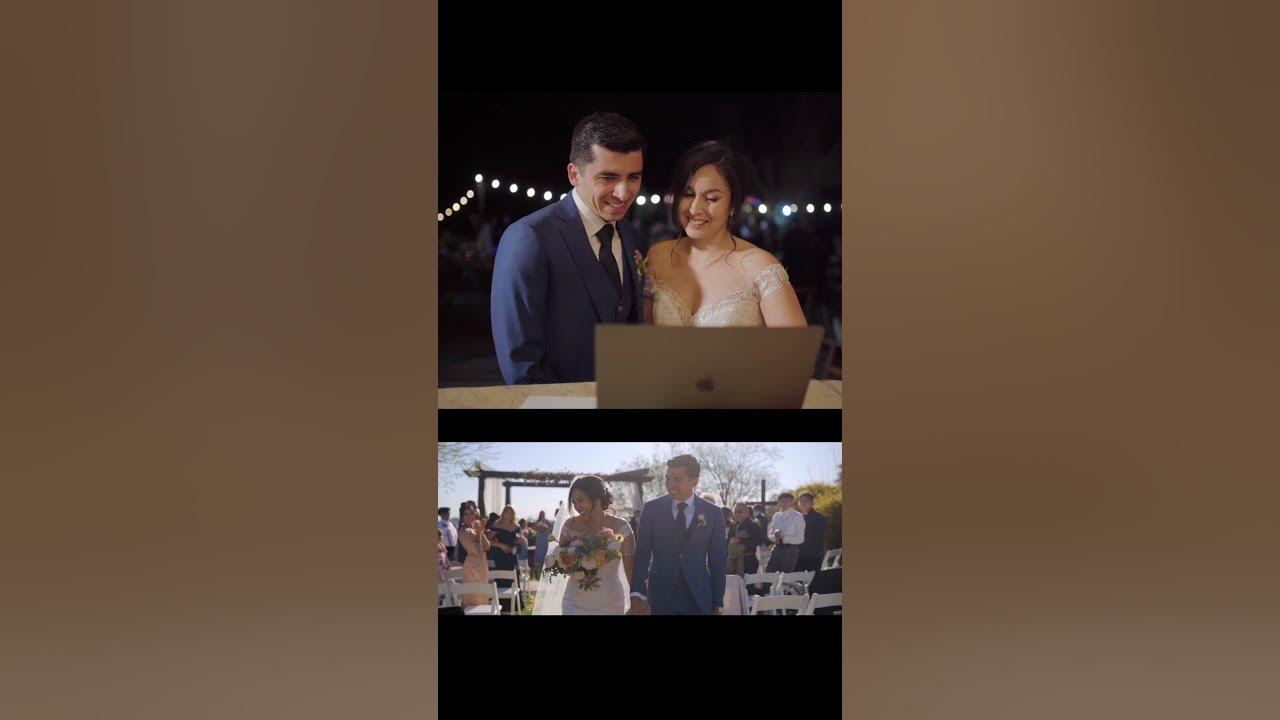
There is no universal right answer, which is exactly why the blanket “always book two” advice is unhelpful. A second shooter wedding video is the correct call for big, fast, emotionally dense days and an easy thing to skip for small, slow, intimate ones. Match the coverage to your actual wedding, not to a studio’s default package.
Before you decide, ask your shortlisted videographer to mark up your rough timeline and point to the exact moments a second camera would change. If they can name three specific shots you would otherwise lose, the add-on is probably worth it. If they cannot, save the $700 and put it toward a longer film.