A SaaS founder emails three of her happiest customers and gets two yeses. Now she wants polished videos for the homepage and a sales deck, and she has no idea what a fair testimonial video cost looks like: $1,500 or $12,000. Both numbers are real. The gap between them is not random. It comes down to a handful of decisions you make before anyone turns on a camera.
This guide breaks down the testimonial video cost in 2026 the way a working producer actually quotes it: by shoot day, by crew size, by how many locations you haul the gear to, and by how much editing the raw interview needs before a prospect sees it. Hiring someone? You will know what a fair number looks like. Shoot these for a living? You will spot where your quote leaves money on the table.
What does a testimonial video cost in 2026?
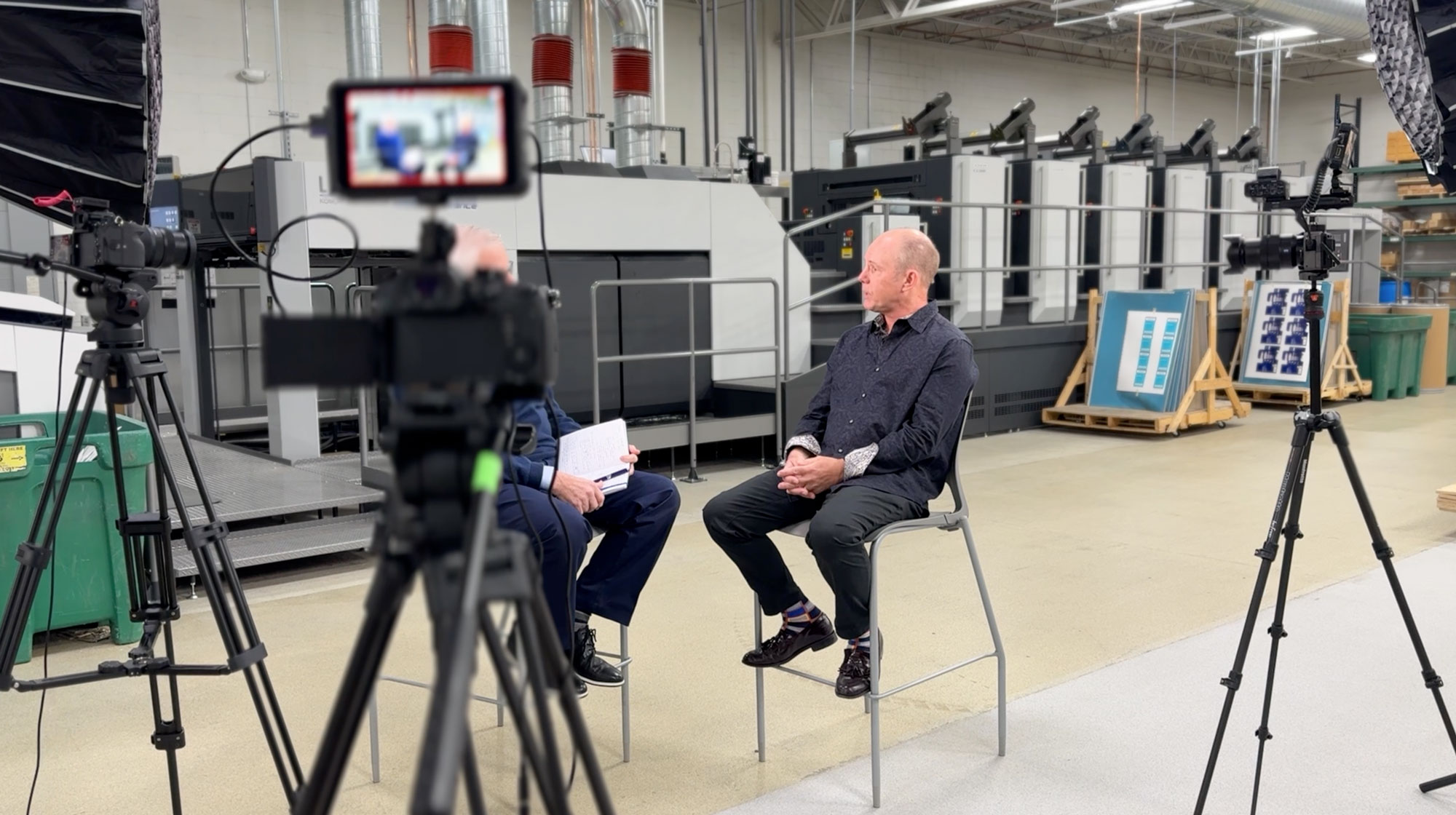
For a single, clean customer testimonial filmed at one location with one subject, most independent videographers in North America and the UK charge between $1,800 and $4,500. That covers a half to full shoot day, one operator who also runs sound and lighting, and a 60 to 90 second edited video delivered in two to three weeks. The low end assumes a solo shooter with a Sony FX3, two lights, and a lav mic. The high end buys a two-camera setup, a dedicated sound person, and a richer edit with b-roll of the product in use.
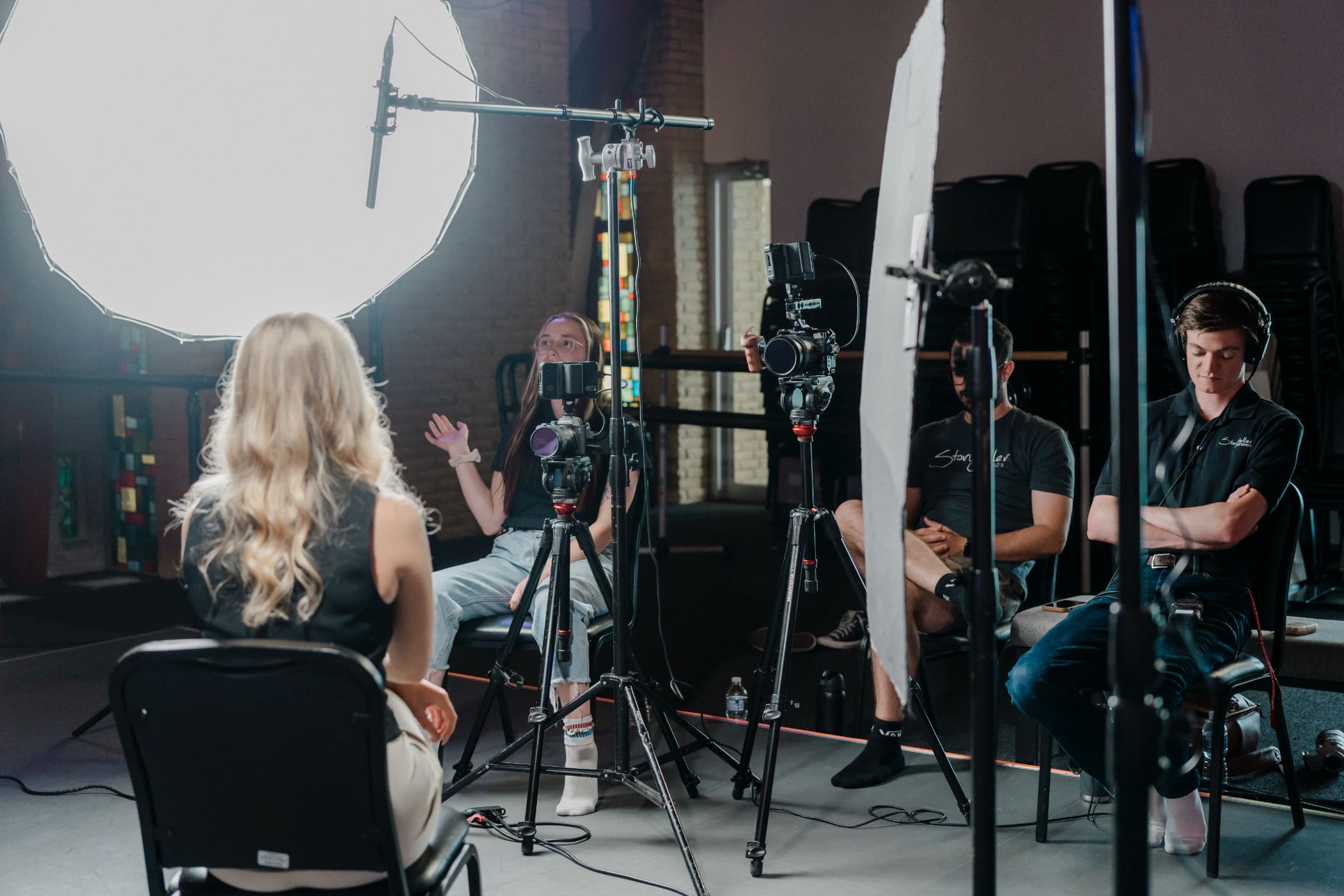
Production companies quote differently. A small studio rarely gets out of bed for a single testimonial under $5,000, and a full branded piece with a director, producer, two-person camera crew, and a colorist routinely lands between $8,000 and $20,000. The testimonial video cost climbs with every added camera, light, and crew member, but so does what you get back: a two minute hero film, three or four short social cutdowns, vertical versions for Reels and Shorts, and captions burned in for every platform. You are not paying for one video. You are paying for a content set.
The cheapest legitimate option is a remote testimonial, where the customer records themselves over a tool like Riverside and an editor cleans it up afterward. Those run $400 to $1,200 per video and look like what they are. Fine for a LinkedIn post, weak for a homepage above the fold. My honest take: skip remote for anything a prospect watches before they trust you, because the audio and framing rarely hold up at full size. A webcam recording betrays itself the instant it sits next to a properly lit interview on the same page.
Turnaround quietly shapes the price too. A standard two to three week delivery is baked into most quotes, but ask for a 72 hour rush and expect a 25 to 50 percent surcharge, since the editor is dropping other work to prioritize yours. If you have a launch date, name it early. Paying a rush fee you could have avoided with two more weeks of lead time is the most common way buyers waste money on an otherwise fair quote.
What pushes the price up or down
The single biggest lever is shoot days. A videographer’s day rate, usually $800 to $2,500 depending on market and experience, is the spine of every quote, and everything else hangs off how many days the job needs. Travel comes next. If your customer sits three hours away or in another city, you pay for drive time, maybe a hotel, plus a per diem, and a $2,200 local shoot turns into a $4,000 one fast.
Crew size matters more than buyers expect. A solo operator can light, frame, and mic a single talking head. The moment you want broadcast-grade audio plus two camera angles, though, you need a second pair of hands. A dedicated sound recordist running a proper shotgun mic and a field mixer adds $400 to $700 a day. It is usually worth it, because bad audio kills a testimonial faster than soft focus ever will.
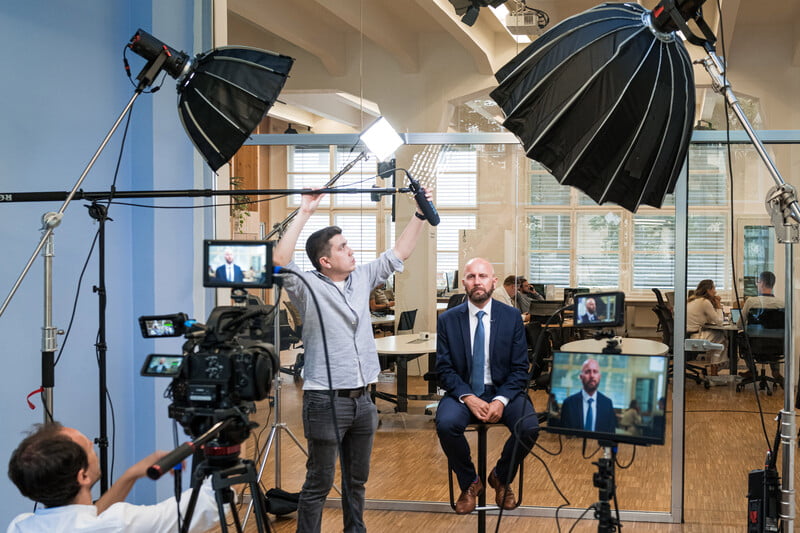
Then there is the edit, and clients consistently underprice it. A straight cut of one person talking, color corrected and captioned, is a few hours of work. A testimonial woven from three customers, scored with licensed music, layered with b-roll and motion graphics of your dashboard, and graded in a tool like DaVinci Resolve, is a multi-day job. Ask any editor and you hear the same line: the shoot is half the work, the edit is the other half. These are the factors that move a testimonial video cost the most.
Here is what that looks like in practice. A fintech client wanted two customers filmed in Chicago and one in Austin. The Chicago pair fit one shoot day; the Austin trip added a flight, a hotel night, and a travel day the camera never even rolled on. That single out-of-town subject cost nearly as much as the two local ones combined, which is why producers push to cluster subjects geographically whenever the schedule allows.
A real budget for a three-customer testimonial set
Here is how a typical mid-range project pencils out. Say you want three customer stories, each filmed at the customer’s office, cut into one 90 second hero video and three social cutdowns. A solo-plus-one crew shoots one customer per half day, so three customers span two shoot days.
The math is simple once you lay it out line by line:
- Two shoot days at a $1,400 day rate: $2,800
- A second shooter for both days at $600 a day: $1,200
- Travel and per diem across the two days: about $500
- Editing three hero videos plus nine cutdowns, roughly five days at $500: $2,500
- Music licensing through Musicbed or Artlist for commercial use: $200 to $400
- Color grading, if it is not already bundled: $300 to $600
The all-in number lands around $7,500 to $8,000, or about $2,500 per customer story with every cutdown included. Notice what happened. Filming three customers did not triple the single-video price, because the crew, the gear haul, and the project setup got shared across all three. That batching effect is the clearest way to see where the real testimonial video cost goes, and the easiest way for a videographer to make a quote feel like a bargain while protecting the margin.
Change one variable and the whole sheet moves. Swap the two-day local shoot for subjects in three different cities and you add two travel days, two hotel nights, and a second camera op’s airfare, easily another $3,000. Drop the social cutdowns and keep only the three hero videos and the edit bill falls by a third. The point is that the budget is a set of dials, not a fixed sticker, and a good videographer will walk you through which dial to turn when the testimonial video cost comes back higher than you hoped.
DIY, freelancer, or production company?
The right choice depends on where the video lives and who watches it. For an internal all-hands or a quick social proof clip, a remote-recorded testimonial or an in-house phone shoot is genuinely fine. Nobody expects cinema from a LinkedIn carousel, and spending $8,000 there is a waste.
For a homepage, a paid ad, or a sales deck that closes five-figure deals, hire a professional, and in most cases a strong freelancer covers it. A good independent corporate videographer brings the same Sony FX6 and lighting kit an agency would, charges a fraction of the overhead, and talks to your customer directly instead of through three layers of account management. The testimonial video cost gap between a freelancer and a company is mostly overhead, not craft. You can find one filtered by specialty in our directory of corporate videographers, and the same logic holds if your story leans more like a polished brand film than a straight interview.
Production companies earn their premium on complexity: multiple customers in multiple cities, tight brand guidelines, a named creative director, a hard deadline tied to a launch. Coordinating six shoots across four time zones for a Series C announcement? The producer who runs all of that is worth every dollar. Filming one happy customer down the road? That machinery is overkill, and you will feel it in the invoice. My rule of thumb: hire the company for logistics, hire the freelancer for craft.
One more honest factor: who you would rather spend a day with. You and your customer will sit with this person for hours under warm lights, and a freelancer who answers your texts and adjusts on the fly often produces a more relaxed, believable interview than a busy crew running a tight clock. Comfort on set shows up on screen, and a stiff customer is the one flaw no edit can fully fix.
What deliverables to demand before you sign
The quote means nothing until you know exactly what files land in your inbox. Always get the deliverables written into the agreement, because “a testimonial video” is not a spec. A few things to pin down before money changes hands:
- Final runtime and cutdown count: a 90 second hero plus three 20 second clips is typical
- Aspect ratios: 16:9 for the website, 9:16 vertical for Reels and Shorts, sometimes 1:1 for feed
- Captions, burned-in or as a separate SRT file, since most social video plays muted
- Resolution and codec: 4K H.264 for web is standard, ProRes masters if you will repurpose later
Ask who owns the footage and whether you get the raw clips. Most videographers keep the raw files by default and license you the finished edit, which is normal. Want the originals for future use? Expect to negotiate that separately, and expect to pay for it. We dig into that tradeoff across our blog, and it is a common point of friction worth settling early. Those deliverables are exactly what your testimonial video cost is buying.
One line people forget is the usage term. A finished testimonial licensed for organic web and social is one thing; the same clip running as a paid ad for two years is another, and some videographers price that usage separately. Ask whether the fee is a buyout or term-limited, so a renewal invoice does not surprise you eighteen months later.
Get the revision policy in writing too. Two rounds of changes included, with extra rounds billed hourly, is a fair and common structure. The version that bites people is “unlimited revisions” said out loud but missing from the contract, because unlimited rarely survives a real deadline.
How to spend less without looking cheap
Batching is the headline move, and it is worth repeating because it carries the most weight. If you know you will want customer testimonials all year, film four or five across two consecutive days rather than booking a separate shoot every quarter. You pay the setup cost once, your per-video price can drop by 40 percent, and you build a library to dip into for months.
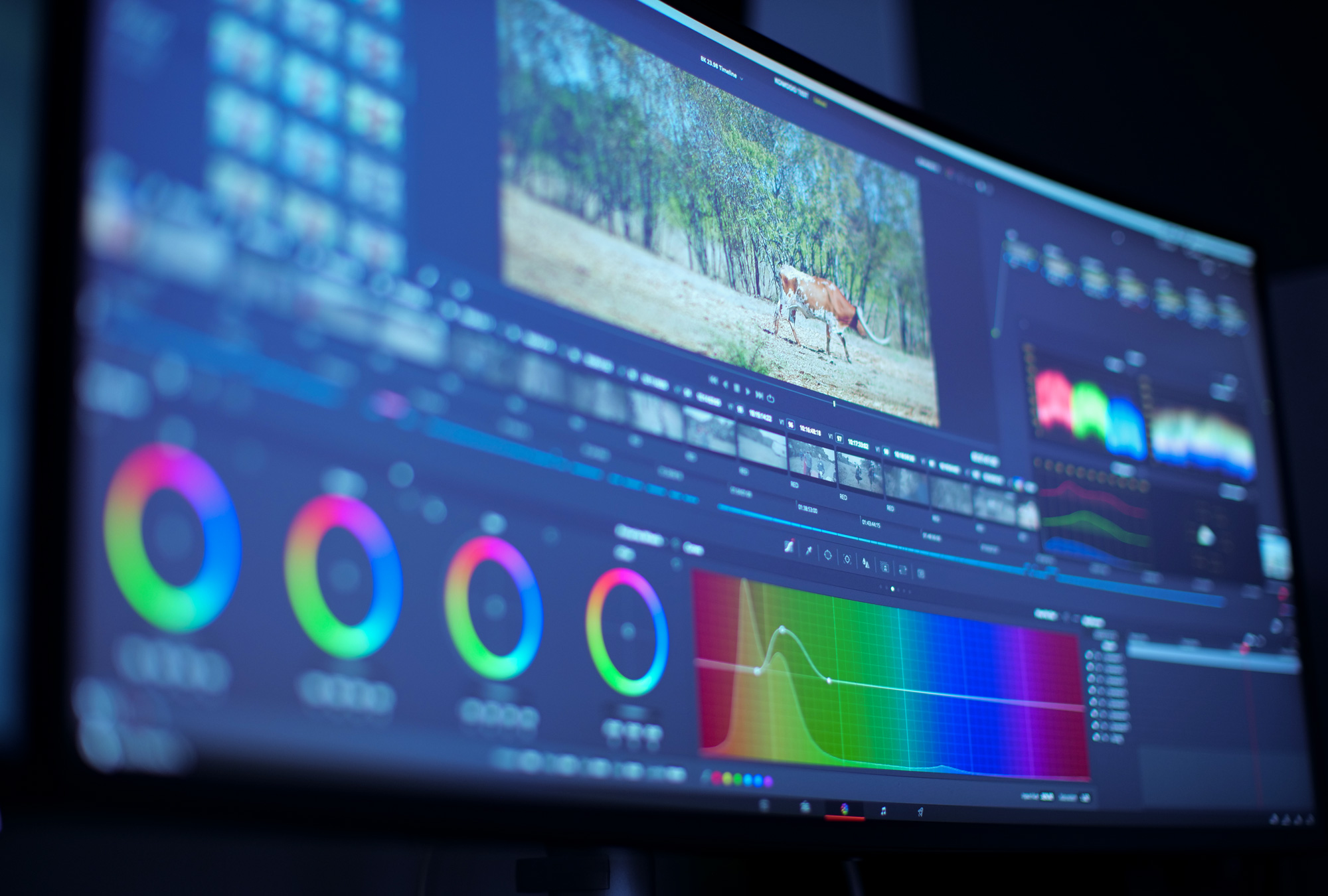
The second move is to bring the customer to the videographer when you can. A controlled studio or one rented space with good light beats sending a crew to three offices with three lighting headaches and three different HVAC hums on the audio track. One location, one setup, several subjects in a day, and a noticeably lower testimonial video cost.
Third, be honest about where the video will actually run. If it is headed for paid social, you do not need a four minute narrative film. You need a punchy 30 second clip with a clear before-and-after and a customer who sounds like a human. Tell the videographer the channel up front. The same raw interview can feed a polished website piece and a stack of social media cutdowns, but only if the shooter knows that going in and grabs the right b-roll and vertical framing on the day.
And reuse what you already shoot. The behind-the-scenes stills, the customer’s spoken numbers, a strong 10 second pull quote: those become LinkedIn posts, email headers, and case study art for free. The shoot you already paid for can feed a month of content if someone on your side is paying attention.
Red flags in a testimonial video quote
A vague one-line quote with a single number and no breakdown is the most common warning sign. A transparent testimonial video cost is itemized: shoot days, crew, edit time, and deliverables, each on its own line, because that is how a pro protects both sides. If you cannot tell what you are buying, you cannot tell whether you are overpaying.
Watch for quotes that skip sound entirely. If the proposal lists cameras and lights but never a lav or a boom, the audio plan is probably “the camera mic,” and a testimonial with hollow, roomy audio reads as cheap no matter how pretty the picture. Watch too for unlimited revisions promised in conversation but absent from the contract, and for a turnaround that sounds too good. A clean edit of multiple interviews in 48 hours usually means corners got cut somewhere. And ask to see a recent example shot in a real office, not a demo reel cut only from ideal studio conditions.
The last flag is a quote with no licensing line for music. Pulling a popular track off YouTube and dropping it under a commercial testimonial is a copyright claim waiting to happen, and on a paid ad it is a real liability. The fix is a properly licensed track, and its cost should sit right there on the invoice.
Before you approve any testimonial video cost, write down the three places the final cut will live and the one outcome you want it to drive. Hand that to your videographer and ask them to quote against it. A clear brief turns a fuzzy guess into a number you can judge, and it is the fastest way to stop comparing apples to oranges across competing bids.