
You are three weeks out from the wedding, building the vendor tip envelopes, and you hit the videographer. The planner mentioned the hair and makeup team and the DJ. Nobody said a word about the two people who will film your day for twelve hours on a pair of Sony FX3s. So do you tip a wedding videographer, and if you do, how much goes in that envelope?
The honest answer is that it depends almost entirely on who you hired, and most couples get the reasoning wrong. A tip is never required, and nobody filming your wedding will deliver a worse edit because the envelope was empty. Some situations genuinely call for gratuity. Others make no sense at all. And a few non-cash gestures mean more to a working videographer than a folded fifty.
Do You Have to Tip a Wedding Videographer?
No. There is no rule that obligates it, and no standard behind it. No videographer worth hiring will hold an empty envelope over you. Videography is a contracted service at a price you agree on in advance. That number usually runs between $2,500 and $8,000, depending on coverage, second shooters, and deliverables. Think of it like your florist’s invoice. The peonies and the labor are already in the number you signed. You already paid the rate that was quoted, and a tip sits on top of that as a thank-you, not as a balance owed.
Wedding culture still treats gratuity differently than, say, hiring a plumber. Most couples still tip at least part of their vendor team. The day is emotional, and the work is personal. Your videographer is in the room for the first look, the vows, the toast where your father cries. People want to acknowledge that. So the answer to whether you must tip is a flat no. The answer to whether couples commonly do is a soft yes. And there is a big asterisk on who actually receives it.
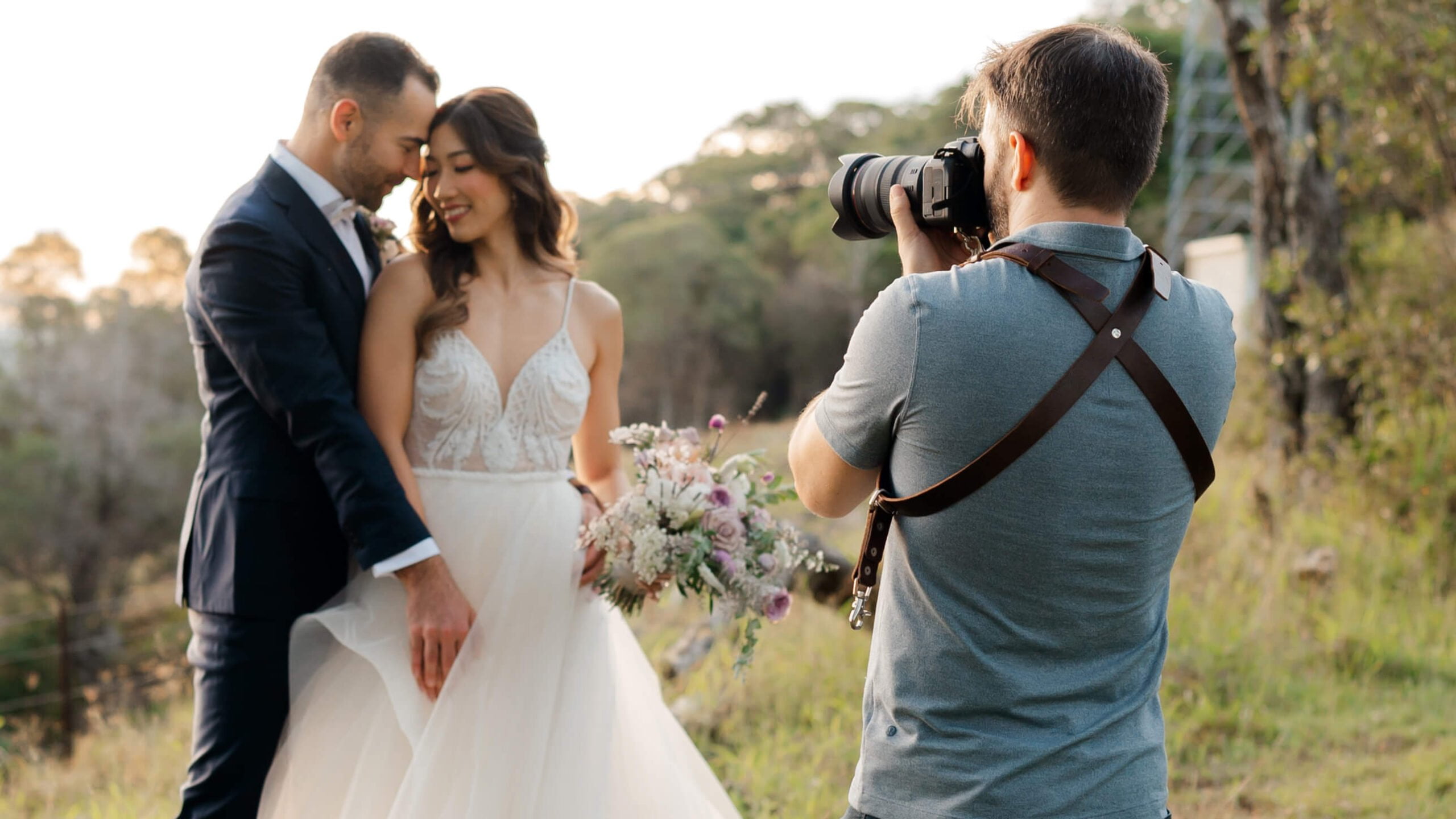
That asterisk is ownership, and it changes everything about whether your money is appropriate or slightly awkward.
Studio Owner vs Hired Shooter: Who Actually Expects a Tip
Here is the distinction the etiquette articles usually skip. Say you hired a solo videographer, or a boutique studio owner who is personally shooting your wedding. That person sets their own prices. They built the gratuity they want directly into the rate. Tipping the business owner is a little like tipping the chef who owns the restaurant. It is kind and never refused, but not expected. They already priced the work to the level they need.
The math flips when the person holding the camera does not own the company. Larger studios and full-service planning outfits often send out hired shooters and editors. These crews are paid a flat day rate, frequently $300 to $600 for a wedding. The studio keeps the rest of your $5,000 package. That second shooter grinding through a fourteen-hour day is the classic case where a tip lands well. They are an employee or a subcontractor, not the person who set your price.
So ask one question during booking, before you settle on a number. Am I hiring the owner, or will someone be assigned to shoot my day? If you forgot to ask, the contract usually tells you. A contract signed by “Jordan Reyes, Owner” who is also your listed lead shooter answers it one way. One Austin studio I know lists six shooters on its site and rotates them by date. With a roster like that, you will not know your shooter’s name until two weeks out.
How Much to Tip a Wedding Videographer
When a tip is warranted, couples generally land in one of two ranges. The flat-amount approach runs $50 to $200 per person on the video team. Scale it to how long they worked and how far past the contract they went. Take a solo shooter who pulled a twelve-hour day and saved the ceremony audio after the officiant’s lav mic died. That effort earns the top of the range. A second shooter who covered getting-ready footage and left at the reception start sits comfortably at $50 to $75.
The percentage approach mirrors catering: 10 to 15 percent of the total package. I would be careful with it. On a $6,000 film, 15 percent is $900. That is a generous tip by any standard, and more than most couples give. Percentage math makes sense for a $400 hair stylist. It distorts fast on a five-figure production budget. If you like the percentage logic, apply it to the labor, not the gear and editing baked into the quote.

When you do decide to tip a wedding videographer, keep the target real. Think $100 to $150 for a solo owner you adored. For assigned shooters from a studio, $75 to $100 each works. Adjust up for genuinely exceptional service, and feel no guilt adjusting to zero if the budget is stretched. The deposit, the balance, the music licensing, the travel fees, you paid all of it. A tip is the surplus, not the obligation. Still sorting out what your package even includes? Our questions to ask before booking a wedding videographer cover the line items that shape this decision.
A quick cheat sheet for when a tip is genuinely on the table:
- Solo owner who shot the whole day: $100 to $150, or nothing if money is tight.
- Lead shooter sent by a studio: $75 to $100.
- Second shooter or assistant: $50 to $75.
- An editor you never met who nailed the final film: a warm note and a public review.
When a Tip Makes Sense, and When It Doesn’t
Gratuity should track service, not ritual. Whether you tip a wedding videographer should hinge on one thing. Did they go past what the contract required? They stayed an extra forty minutes because the cake cutting ran late, and waved off the overtime clause. Maybe they drove ninety minutes each way and never mentioned a mileage charge. Or they re-shot the ring detail three times because the first lighting setup looked flat. That is the kind of effort a tip exists to recognize.
The case against tipping is just as real, and you should not let wedding-industry pressure override it. Say the videographer showed up late, missed the bouquet toss, or was rude to your grandmother. Maybe the final film looked nothing like the portfolio you booked from. You owe nothing beyond the contract. A tip is not a reflex. Withholding it when service was poor is not rude, it is accurate.
There is also the budget-honesty case. Plenty of couples spend to the last dollar on the wedding itself. If the choice is between tipping the video team and bouncing a check to the venue, pay the venue. I have told couples to keep their cash when the catering balance was due that same week. And I meant it. A good videographer would say the same. Which leads to the part most couples underestimate, the thing that matters far more than cash.
Non-Cash Thank-Yous That Beat a Cash Tip
Ask almost any working wedding filmmaker what beats a $100 tip. You will hear the same three things, in order. A detailed five-star review on Google and their booking platform. A referral to a recently engaged friend. Written permission to use your footage in their portfolio and on social media. Each of those is worth more to their business than cash, because each one brings the next client.
Reviews matter because wedding videographers live and die by social proof. A specific review helps most, one that names the drone coverage or how unobtrusive they were during the ceremony. That kind of detail books more couples over six months than any envelope. A referral works on a different level entirely. A warm introduction to an engaged couple is a near-guaranteed inquiry, and inquiries are the whole game. You can see how that discovery side works on our how it works page. The short version: reviews and referrals are the currency that moves a small video business forward.
The footage release matters in a way couples rarely consider. A videographer cannot post your wedding to attract the next client unless you allow it. Plenty of couples never get asked, or never get around to saying yes. Say they post a thirty-second Reel of your first dance, with your blessing. Overnight it can reach a few thousand newly engaged locals nearby. That kind of reach is marketing they cannot buy. If you loved the work, a clear written yes to portfolio use keeps paying them long after the day. None of these cost you a dollar, and any one of them outranks a modest tip.

How and When to Hand Over the Tip
Logistics trip people up more than the amount. Cash is still king for vendor tips, mostly because it is immediate and it splits cleanly between a two-person crew. Prepare individual envelopes, one per person on the video team. Label each one, so a second shooter is not left wondering whether the lead pocketed it all. If you only have one envelope for a crew, say out loud that it is meant to be shared.
Timing is where couples freeze. You will not be thinking about envelopes during your own reception, so delegate it. Hand the labeled envelopes to whoever is running point: the planner, the day-of coordinator, the best man, a parent. Tell them to deliver the video team’s envelope as the crew wraps for the night. That is right after the last formal moment they are contracted to cover. At one barn wedding, the coordinator passed our envelope over during the sparkler send-off. It landed well, because the night was visibly wrapping.
If cash is genuinely impossible, a tip sent afterward is completely acceptable, and arguably better timed. Once you have seen the final film, you actually know whether the work earned a bonus. A Venmo or Zelle with a short note, a week after delivery, closes it out cleanly. Pair it with that five-star review. Plenty of couples now skip the day-of envelope entirely and tip on delivery for exactly this reason.
If You Are the Videographer: Handling Gratuity From the Business Side
For the working filmmakers reading this, gratuity should never be something you depend on or hint at. Price your packages so the business is healthy with zero tips. Most clients will not tip, and that has to be fine. Build a wedding business on the assumption of a $150 envelope per event and you have built it on sand. Tips are upside, not revenue. The IRS still treats reported gratuities as taxable income, so log every envelope, even though you never bank on it.
Make the non-cash asks easy, because those are the ones that compound. Put a line in your delivery email with direct links to your Google and platform review pages. Include a one-paragraph portfolio-release clause in your contract, so the footage-use question is answered at signing, not chased down later. That clarity converts more inquiries than any tip ever will. It also pays to list your work where couples already search. A wedding videographer directory profile puts your reviews right next to your reel.
Studios that assign shooters should be transparent about whether tips pass through to the crew. Couples increasingly ask, and an honest answer builds trust. Run a studio and want to talk through how that gets presented to clients? Our contact page is open.
A last note for couples. If you are still deciding whether to tip a wedding videographer at all, write the review first. Do that, then add cash only if the budget has room. The review is the thank-you that actually changes their year. It takes four minutes from your phone the morning after.