A boutique hotel in Tulum asks for a 90-second property film and three vertical clips for Instagram. A regional tourism board wants a two-minute hero film plus a dozen social cutdowns shot across four towns. One job is $2,800. The other is $38,000. Both are “travel videos,” which is exactly why the travel video cost question confuses so many buyers.
The label stretches to cover almost anything. On one end, a single creator films a resort in exchange for a comped room and a photo credit. On the other, a full crew chases golden hour across a country for two weeks. This guide breaks the numbers down by who is buying and what the shoot really involves. It also covers the line items that quietly double a budget before anyone rolls a frame.
What a travel video costs in 2026
Here is the honest range. A solo videographer shooting a one-day property or destination piece, with light editing, runs $1,500 to $4,000. Step up to a branded travel film, with a small crew, a couple of shoot days, drone coverage, and a graded edit, and you are looking at $6,000 to $18,000. At the top, a tourism campaign with multiple locations, talent, and licensed music starts around $20,000 and climbs past $60,000.
Those brackets hold across most of the market, but the middle is where the real work sits. A hotel group, tour operator, or travel brand usually wants more than one reel and less than a national ad. So the honest travel video cost conversation for most buyers happens between $6,000 and $20,000.
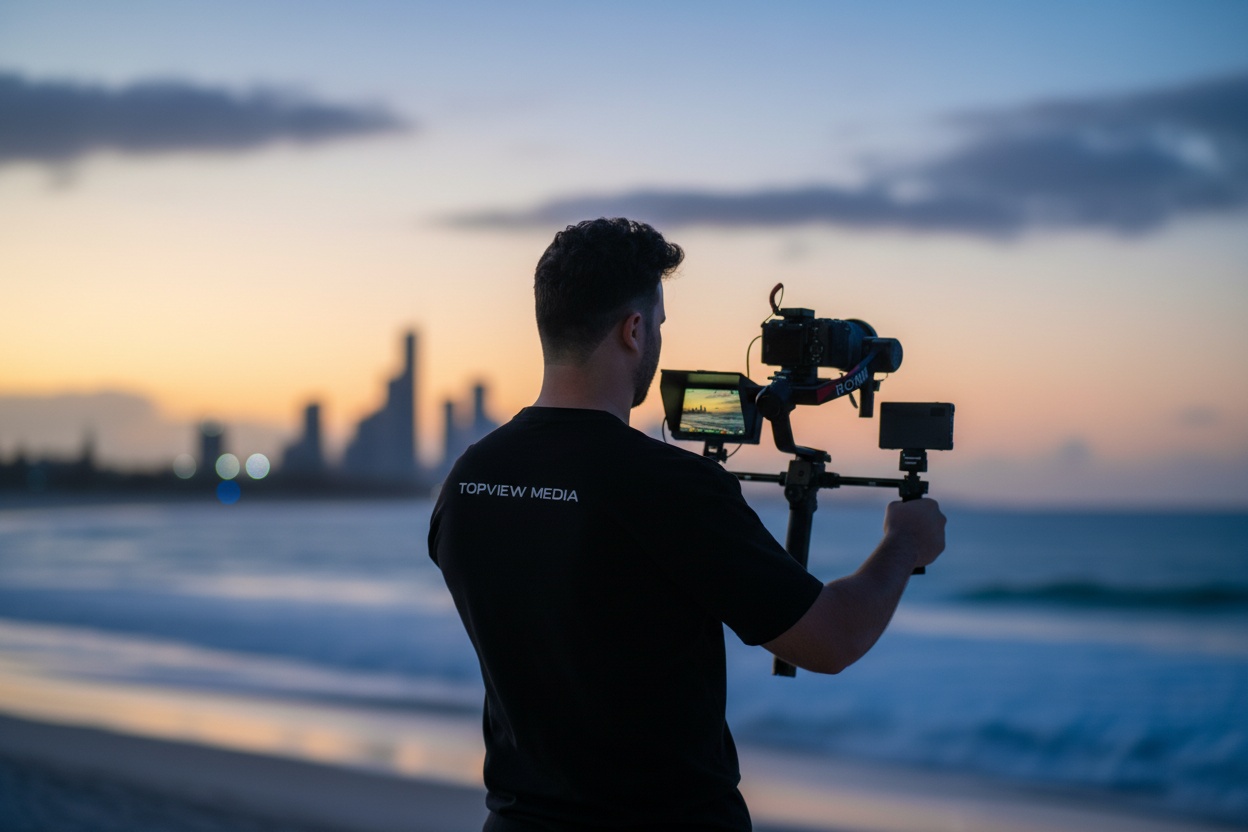
Day rate is the anchor. A working travel videographer in 2026 charges $650 to $1,500 per shoot day for their time and standard kit. That is before travel, editing, or extras get added. Editing is billed on its own, usually $500 to $1,200 per finished minute for polished, music-driven work. When you see a $12,000 quote for a three-day shoot, roughly half of it is often post-production, not the shooting. Most buyers underestimate that split. It is the biggest reason a “cheap” day rate still produces an expensive invoice.
Here is what a $12,000 three-day shoot often breaks into:
- Day rates: around $3,000
- Travel, flights, and lodging: about $1,500
- Editing for a hero film plus four social cuts: roughly $6,000
- Licensed music and drone permits: $1,000 to $1,500
Move any single line and the total shifts in ways a flat lump sum would never reveal.
What actually drives the price
Four things move a travel video budget more than anything else:
- How many shoot days the job needs
- How many locations you are covering
- Whether it is a solo shooter or a full crew
- How many finished deliverables come out the other end
Everything else is a rounding error next to those four. Get these right and your travel video cost is roughly 80 percent decided before anyone quotes the editing.
Shoot days compound fast. One day at one resort is clean. Add a second town two hours away. Now you have a travel half-day, a hotel night, and usually a second full shoot day. You cannot cover two locations well in one afternoon. A four-location tourism piece is not four times the work of one location. It is closer to six times once you count the driving, the scouting, and the resetting at every stop. A tourism board hopping between four Andalusian towns realistically needs five shoot days, not four. The drive time and a weather buffer eat the difference.
Locations carry costs that have nothing to do with the videographer. Drone permits, park entry, location fees, and sometimes a local fixer who knows the light and which official to ask. Commercial drone work abroad is the sneaky one. A filming permit can run $200 to $1,500 per location and take weeks to clear. In the US, that same flight legally requires an FAA Part 107 certified pilot. Confirm it before you book. A good travel shooter builds these into the quote instead of surprising you later. If you are hiring, ask straight out which permits are included.
Solo shooter versus a full crew
Most travel content in 2026 gets made by one person. A solo operator with a gimbal, a drone, and a sharp edit can punch far above the price. The hotel film they hand you can look like it cost five times the invoice. That is the whole appeal, and for social-first content it is usually the right call. Budget $1,500 to $5,000 for a solo travel job, depending on days and deliverables. A creator shoots a boutique hotel in Lisbon for two days. They cut one reel and four verticals, and land mid-band at around $3,500.
A crew changes both the math and the look. A second shooter buys you two angles at once, which matters for talent, interviews, or events that only happen once. A producer takes the permits, releases, call sheets, and the fifty logistics that otherwise eat into your videographer’s shooting time. Run a three-person crew on a branded travel film. The day-rate portion alone usually lands at $2,500 to $5,000 per day combined.

The tradeoff is worth saying plainly. Solo is cheaper, faster to book, and lighter on the ground, which plenty of boutique hotels and small towns prefer. A crew buys reliability and coverage you cannot recapture once you have flown home. When the footage feeds a paid ad campaign, the crew usually pays for itself. Same goes for any client who cannot fly you back for reshoots. Browse working travel videographers and you will see both models side by side, often from one person.
The travel and logistics costs that surprise clients
Logistics is where a travel video cost estimate blows up, and first-time buyers almost always forget it. The videographer’s fee is one line among many. Flights, lodging, ground transport, baggage fees for gear, meals, and billed-but-unshot travel days all stack on top of it.
Travel days matter more than people expect. A videographer flying from Lisbon to shoot two days in Morocco is often gone four. One day to fly and clear customs with gear, two to shoot, one to fly home. Many bill a reduced travel-day rate of $300 to $600 for the transit. That time is off the market for other work, even though no footage gets shot. Skip that line and you are asking someone to work for free. Experienced shooters simply will not do it.
Gear travel is its own headache. A serious kit runs to camera, lenses, drone, batteries, and a gimbal. That usually means checked cases and excess baggage fees of $100 to $300 per flight. Cross certain borders for commercial work and you also need a carnet. It is a customs document that lets professional gear travel without import duties. Carnets run $300 to $800 to arrange and are non-negotiable in some countries. Ask any shooter who has had a drone held at customs. They will tell you the carnet was the cheap option.
A rough rule for buyers, applied on top of the creative fee:
- International shoot: budget travel and logistics at 25 to 40 percent extra
- Domestic drive-to shoot: closer to 10 percent
- Any multi-country campaign with no separate logistics line: treat it as a red flag
If a four-country quote folds all of that into a single day rate, something is off. It is either hidden in the number or about to arrive as a change order. On a two-week, four-country tourism campaign, the logistics layer alone can add $8,000 to $15,000 before a single edit begins. At that scale, itemization is not optional.
What gear a travel shoot actually uses
The kit tells you a lot about a quote. A 2026 travel videographer usually shoots a compact full-frame body. Popular picks are the Sony FX3, the Sony A7S III, and the Canon R5 C. Pair one with a couple of fast zooms, say a 24-70mm f/2.8 and a 70-200mm. The compact bodies are not vanity. Everything has to fit in a carry-on and survive a week of hard movement. Round it out with variable ND filters for bright midday sun and a stack of fast CFexpress cards. Then add a couple of terabytes of backup drives. Footage you cannot re-shoot needs two copies before you leave the location.
Stabilization means a gimbal, usually a DJI RS 4 or an RS 3. Those smooth walking shots are the backbone of the genre. Aerial work comes off a DJI Mavic 3 Pro or an Air 3. More and more shoots add an FPV drone for the fast diving moves that make a coastline look cinematic. Any drone over 250 grams also needs FAA registration for US flights. It is a $5 formality, but customs and clients increasingly ask to see it. If your shoot needs aerial and drone coverage, that adds a licensed pilot, permit time, and often a separate rate. Confirm whether drone work is baked in or quoted on top.
Audio is lighter on travel jobs than on interviews. Even so, a decent shooter packs wireless lav mics like the DJI Mic 2 for any on-camera talking. A shotgun mic handles the ambient sound. None of this gear is what you are actually paying for, though. Hand two videographers identical FX3 kits and they will still deliver wildly different films. You are paying for the eye and the edit. And for the judgment to wait forty minutes for the right light instead of grabbing the obvious frame.
Deliverables: how many videos and how long
Pin down the deliverable list before you sign anything. It swings the edit cost more than any decision on the shoot side. “A travel video” might mean one 90-second hero film. It might mean that film plus fifteen vertical cutdowns, a 30-second ad, and a set of stills from the footage. Same raw footage, radically different edits.
Take a real case. A resort books a 90-second hero film for the homepage. Three weeks later it also wants twelve Reels and a YouTube cutdown. That second ask can add $2,000 to $3,000 in editing on footage that is already shot and paid for.
Here is a typical 2026 branded package and what each piece drives:
- One hero film, 60 to 120 seconds, graded with licensed music: the flagship, usually $2,000 to $6,000 in editing alone
- Three to six vertical social cuts, 15 to 45 seconds each, formatted for Reels and TikTok
- One or two horizontal cutdowns for YouTube or a website header
- A small library of stills or short loops for ongoing posts
Every vertical cut costs money. Reframing and re-cutting for a nine-by-sixteen crop is real editing time, often $150 to $400 per clip. If your content lives on Instagram and TikTok, say so upfront so the whole shoot gets framed for vertical. It is worth checking the reels of social media video specialists who build vertical-first from the first frame. Revisions add up too. Most travel packages include two rounds, and extra rounds run $75 to $150 per hour. Commercial music licensing tacks on $50 to $500 depending on the track and platform. Once the video runs as an ad, that line is not optional.
How to budget, or how to price yourself
If you are hiring, start from the deliverables and work backward. Decide what you actually need to publish, how many shoot days that takes, and where. Then ask for an itemized quote that separates creative fee, travel days, logistics, editing, and licensing. Avoid the vague lump sum. It hides the assumptions that later turn into disputes. A clear travel video cost breakdown lets you trim the right corner, maybe one shoot day instead of two. That beats gutting the edit that carries the whole piece.
If you are the videographer, price the full picture and never eat your own travel. Charge your day rate. Bill travel days at a reduced but real rate, and pass flights and lodging through at cost. Then quote editing as its own line, tied to a defined deliverable list. The classic mistake is quoting one flat number for “a video.” Then you absorb three surprise vertical cuts and a fourth revision because charging felt awkward. Write the deliverables into the contract and the awkwardness disappears. Our guide on how BookVideographer works walks through how listed shooters set up transparent quotes. The pricing page shows where market rates actually land.
The cleanest way to control travel video cost is to get specific before anyone books a flight. Name the locations. State the number of finished videos, their lengths, and where they will run. Nail those four and the quote stops being a mystery and starts being a plan.
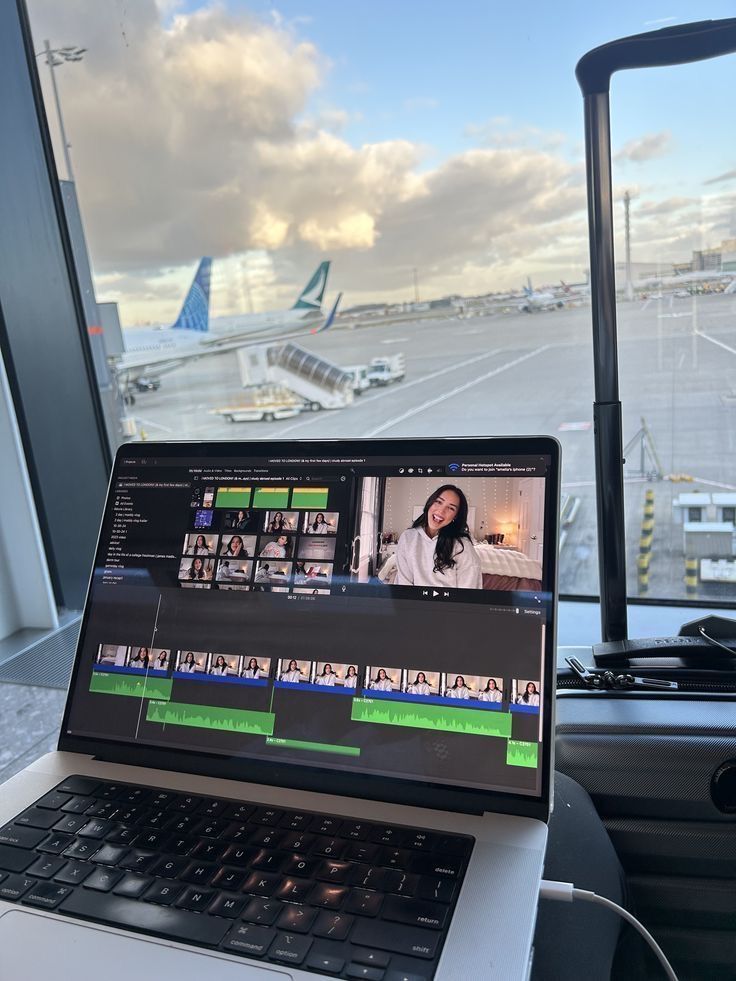
Before you approve any travel video quote, ask for it itemized. Confirm exactly which permits, travel days, and revision rounds are covered. That one email settles more budget arguments than any negotiation ever will.