
A three-bedroom cabin in the Smokies sits at 61% occupancy. The owner adds a 90-second video tour to the Airbnb and VRBO listings. Over the next quarter, the calendar tightens into the mid-70s. That is the pitch every videographer makes, and it is sometimes true. Before you decide whether a vacation rental video cost is worth it, get three things straight. What are you actually paying for? Where does the number come from? And when does the cheaper option beat the expensive one?
Most short-term rental owners land between $350 and $1,800 for a professional walkthrough video in 2026. A solo shooter with a gimbal covering a one-bedroom beach condo might charge $350 to $600. That buys two hours on site and a single edited clip. A larger property with drone coverage and platform-specific cuts pushes you toward $1,500 and up. The spread is wide for a reason. “Vacation rental video” covers everything from a phone-on-a-stabilizer walkthrough to a two-camera cinematic piece with a licensed track and a voiceover.
What a vacation rental video cost looks like in 2026
Break the vacation rental video cost into its parts and it stops feeling arbitrary. You are paying for shoot time, edit time, gear, licensing, and the videographer’s overhead. A typical mid-range job for a two or three-bedroom rental runs $700 to $1,100. That buys roughly two to three hours on location and a two-camera setup on a gimbal. You also get a licensed track, one polished 60 to 90-second video, and a couple of vertical cuts for social.
Regional pricing swings hard. In a saturated market like the Gulf Coast of Florida or the Tennessee mountains, plenty of shooters compete for the same rentals. You can find solid work there for $450 to $700. In a city with a thin bench of property videographers, the same job might run $1,200 because no one is around to undercut it. Turnaround affects the price too. A five to seven-day edit is standard, but a 48-hour rush usually adds 25% to 50%.
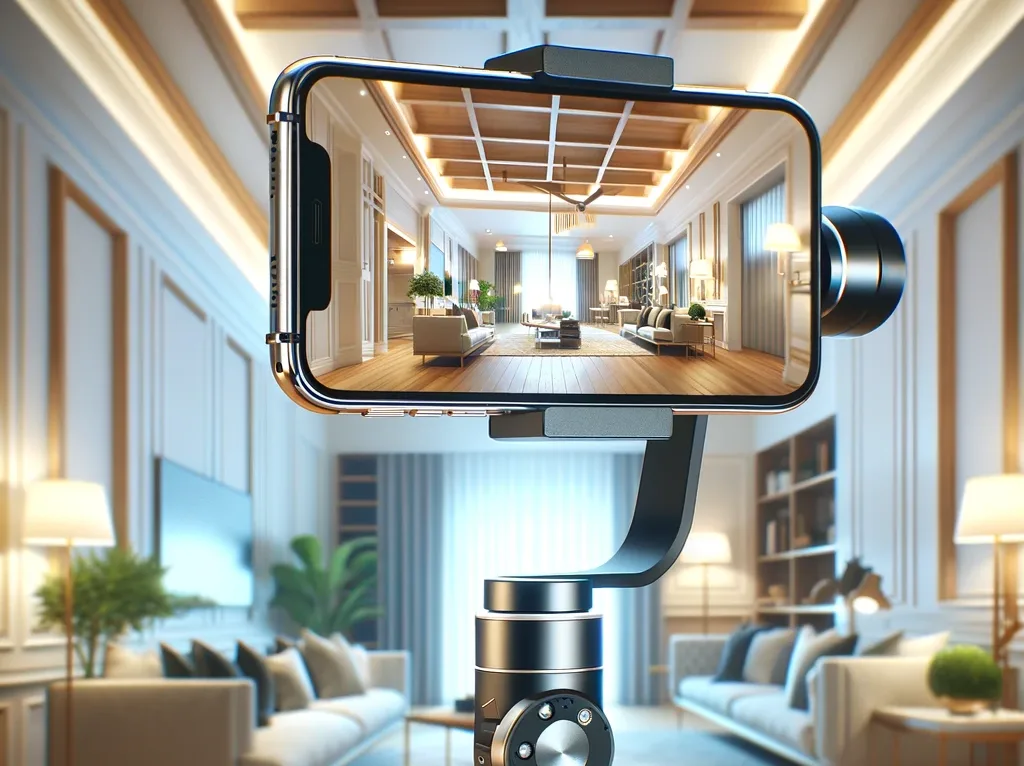
Watch for what is not in the quote. A $400 “video” often turns out to be a raw walkthrough: no color grade, no music, no vertical cut. That is not the same product as a $900 edited film, even though both get called the same thing. Most owners overpay here by comparing prices instead of deliverables. Ask what you are actually getting before you weigh two bids.
What actually drives the price up or down
The vacation rental video cost moves on a few clear factors, and square footage matters less than you would think. A studio and a four-bedroom house need the same core coverage. That means exterior, entry, every bedroom, the kitchen, and the bathrooms. Add whatever the property sells on, whether that is a hot tub, a dock, or a rooftop deck. The bigger driver is the number of distinct “hero” spaces and how much staging they need. A house with a killer view and a clean interior shoots fast. A cluttered rental eats billable time while the videographer spends 40 minutes moving laundry and hiding cables.
Crew size is the next lever. One person with a gimbal and a couple of small LED panels can cover most rentals. Bring a second shooter or a dedicated drone operator and you add a day rate, usually $300 to $600 per person. Motion adds cost too. A locked-off tripod tour is cheap. Smooth gimbal moves through doorways, slider shots across a counter, and a drone pull-back off a balcony each take setup time and skill. That craft is what separates a $500 clip from a $1,400 one.
Licensing is the quiet line item. A properly licensed track from Musicbed or Artlist costs the videographer $15 to $60 per song. But the right to use it in a commercial listing is not automatic. Planning to run the video as a paid ad on Meta or on your own website? Say so up front so the licensing covers it. Music rights are the same trap that catches couples with wedding films. The rules around licensing music legally are worth understanding before you post anything with a recognizable song.
When drone footage is worth the add-on
A drone shot earns its keep when the property has something worth seeing from above. Think waterfront, acreage, a pool, mountain or ocean context, or proximity to a landmark. For a downtown condo with no exterior story, a drone shot of the roof adds nothing and pads the invoice. Be honest about whether your rental photographs well from the air.
Expect drone coverage to add $200 to $500 when the same person flies and shoots the interior. Need a separate licensed drone pilot? Budget $400 to $800 for their time. Any drone work for a paid listing counts as commercial in the United States. That legally requires an FAA Part 107 certificate, so ask to see it. A hobbyist flying your listing for money is operating illegally. They also will not carry the right insurance if the aircraft clips a car or a guest.
Airspace is the other catch. A lakefront cabin near a small airport may sit in controlled airspace. That needs LAANC authorization before the drone leaves the ground, and approval is not always instant. A pro checks the airspace map for your address ahead of time. An amateur finds out on shoot day that the flight is grounded. Then you have paid for a drone add-on you cannot use.
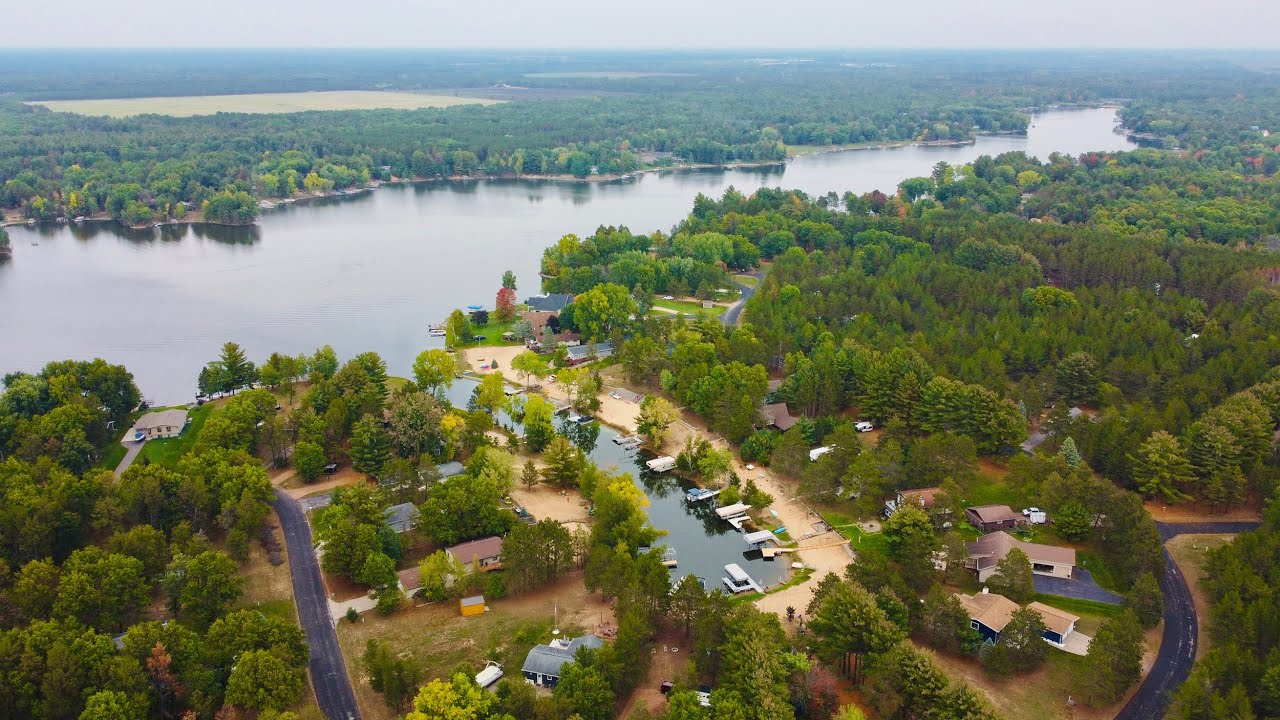
The payoff is context that photos cannot deliver. A guest scrolling Airbnb cannot tell from stills that your cabin sits 200 feet from a private lake. They cannot tell that the “mountain view” is real. Ten seconds of aerial pulling back from the deck answers the question the photos leave open. If your property’s whole appeal is location, that shot is the single most valuable clip in the edit. Want a specialist for it? Browse aerial and drone videographers rather than assuming the interior shooter also flies.
What you actually get: deliverables and formats
The old default was one horizontal video and nothing else. That is a bad deal in 2026. The platforms where guests find rentals want different shapes. A useful package gives you a 16:9 hero cut for the listing header and your website. Add a 9:16 vertical cut for Instagram Reels and TikTok. Then a 30-second version for paid ads, where watch time drops fast. Ask for all three. Re-cropping a horizontal edit into vertical after the fact looks amateur and cuts heads off.
Resolution and file delivery matter more than owners expect. Ask for final files at 4K where the platforms support it, plus 1080p versions for anything with upload limits. Airbnb, VRBO, and Booking.com each set their own length and format rules. A good videographer exports a version that clears each one, instead of handing you a single file that one platform rejects. Get the files through a download link, not a streaming-only gallery, so you own the actual media.
Ask about the extras that cost little but add up. Burned-in captions matter because most social video plays on mute, and a caption pass is often $50 to $100. Some owners also want the raw clips handed over, so a future editor can recut without a reshoot. Many videographers charge for that or decline it outright. Settle both questions before the invoice, not after.
Three things to confirm in writing before you book:
- Number of edited videos and their exact lengths and aspect ratios
- Number of revision rounds included, and the cost of extra rounds
- Whether you get a license for paid advertising or only organic posting
Revisions are where relationships sour. One or two rounds is standard. If you hand over vague feedback like “make it feel warmer” five times, expect to pay for the extra edit hours. Clear notes tied to timecodes get you a better result faster.
Should you hire a pro or shoot it yourself?
A modern phone shoots genuinely good video. For a budget rental doing $90 a night, a careful self-shot walkthrough on an iPhone 16 with a $120 gimbal is a reasonable call. The gap between a good phone video and a cheap pro video is smaller than it used to be. Where the pro earns the money is lighting a dim interior and moving the camera without making viewers seasick. A pro also knows which six shots sell a room, instead of filming all twenty.
Run the math on your nightly rate before the vacation rental video cost scares you off. Say an $800 video helps you book four extra nights a year at $250 each. It has paid for itself, and it compounds every year the listing stays up. For a property clearing $60,000 a year, $800 to $1,200 on your top marketing asset is not an extravagance. For a spare room renting at $55 a night, it probably is. Your phone plus good natural light will do the job.
Here is the honest middle path. Shoot your own quick vertical clips for social throughout the year. Hire a pro once for the anchor listing video and the exterior drone work you cannot do yourself. You are not choosing between the two forever. You are deciding what is worth paying for right now. If you do hire out, understanding how the booking process works saves you from surprises on delivery day.
How to prep your rental so the shoot goes fast
Every hour the videographer spends staging is an hour you pay for, so stage before they arrive. Deep clean the whole property, especially glass, mirrors, and stainless appliances that show every smudge on camera. Make the beds hotel-tight, set the dining table, and put fresh towels out. Then remove anything personal or generic: the wifi password sign, the trash cans, the random phone chargers, the “no smoking” placards. A camera sees clutter the human eye edits out.
Light is free, and it is your biggest lever. Schedule the shoot for when your best rooms get natural light. That usually means late morning for east-facing spaces and late afternoon for west-facing ones. Open every blind, turn on every lamp, and replace any burned-out or mismatched bulbs so the color temperature stays consistent. A room with one warm bulb and one cold LED looks broken on camera, even when it looks fine to you.

Think about the story the video tells. Walk the property and decide the order a guest would experience it: arrival, entry, main living space, kitchen, bedrooms, the special feature, then the outdoor area at golden hour. Share that flow with the videographer. Mention anything your reviews rave about, whether it is the coffee bar, the fire pit, or the view from the primary suite. They will build the edit around what actually books nights.
Does a rental video actually book more nights?
The data is softer than the sales pitch. Platforms do not publish clean before-and-after numbers. Occupancy depends on price, reviews, and season far more than on any single asset. What video reliably does is boost engagement. Listings with video hold attention longer, and time-on-listing correlates with booking intent. Video also filters guests, so the ones who book already understand the space and complain less on arrival.
Where video clearly wins is off the booking platforms entirely. Drive direct bookings through your own site or run paid social, and a strong 30-second cut is the difference between a scroll and a click. That is where the commercial licensing you paid for starts mattering, because organic-only music gets an ad flagged. A rental that lives or dies on Instagram traffic gets more from video than one leaning entirely on Airbnb search. Owners who market on their own channels treat this the way real estate video specialists treat a listing film: a reusable asset, not a one-time expense.
Set expectations honestly. A good video will not rescue a listing priced at $400 a night where comparable places charge $200. It will not fix bad reviews or a bad location. What it does is make a genuinely good property look as good as it is. It closes the gap between the photos and the reality. And it gives you an asset you can reuse for years across every channel you sell on. Weighed against a one-time vacation rental video cost of a few hundred to a couple thousand dollars, that is usually a bet worth making. Just make sure the underlying property is worth showing.
Get one quote for interior-only and one that includes drone, then decide which story your specific property needs to tell. The right answer is rarely the most expensive package. It is the one that shows the two or three things that make a guest stop scrolling and book.