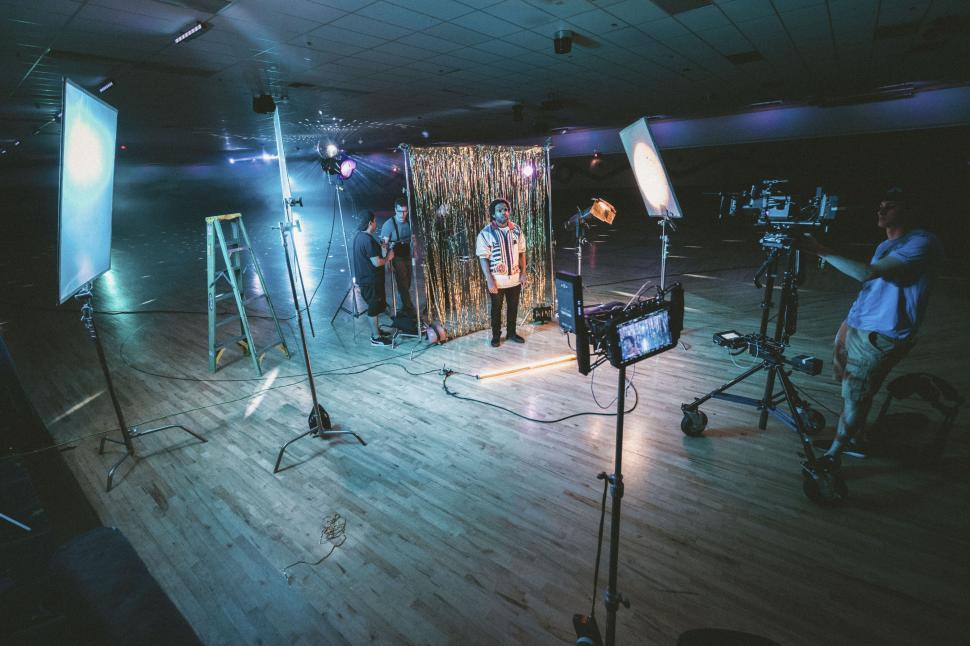
A production company quotes $9,800 for a one-day brand shoot. The client circles one line: $4,600 for five people. That is a fair thing to question, and most producers answer it badly. Video crew rates almost never get published anywhere, because every producer negotiates them one text message at a time. The numbers move by city, by season, and by how badly someone wants the job. Here is what each seat actually costs in 2026, and where a quote quietly hides money.
Why video crew rates jump the moment you leave the one-person band
A solo shooter charging $1,200 for a ten-hour day sells one pair of hands and one set of gear. That works for a two-hour interview, a real estate walkthrough, or a small social clip. Add a second camera angle, a subject who moves, controlled lighting, and audio that survives a warehouse floor, and the math changes shape.
Crew is not a luxury tax. It is a time compression tool. A gaffer and a grip build a three-point setup in twenty minutes. A solo operator needs ninety minutes for the same look, and nobody is blocking the next shot while they do it. Over ten hours, that gap is the difference between six setups and two. Clients who have only hired solo shooters assume crew means the same day with more people standing around. It means a day that yields roughly three times the usable footage. That is what video crew rates actually buy: setups, not headcount.
Most producers build video crew rates into a budget the same way. Crew lands between 35% and 55% of a single-day production budget once you pass two people. Gear rental takes another 15% to 25%. Post, insurance, permits, and margin absorb the rest. If a quote puts crew at 70% of the total, someone underbudgeted the edit. You will hear about it in week three of revisions.
Camera department: what a DP, operator, 1st AC, and DIT cost
The camera department is where video crew rates concentrate, and the director of photography is the seat clients try to cut first. In mid-size US markets like Denver, Nashville, Austin, and Charlotte, a DP with a real commercial reel charges $850 to $1,500 for a ten-hour day. Los Angeles and New York run $1,200 to $2,500. The top tier of narrative and national-spot DPs quote $3,500 and up with an agent attached. Smaller markets sit at $600 to $900. All of that is labor only. A DP who brings an ARRI Alexa 35 or a rigged Sony FX9 package adds a separate rental line. Figure $600 to $2,000 a day, depending on what is in the case.
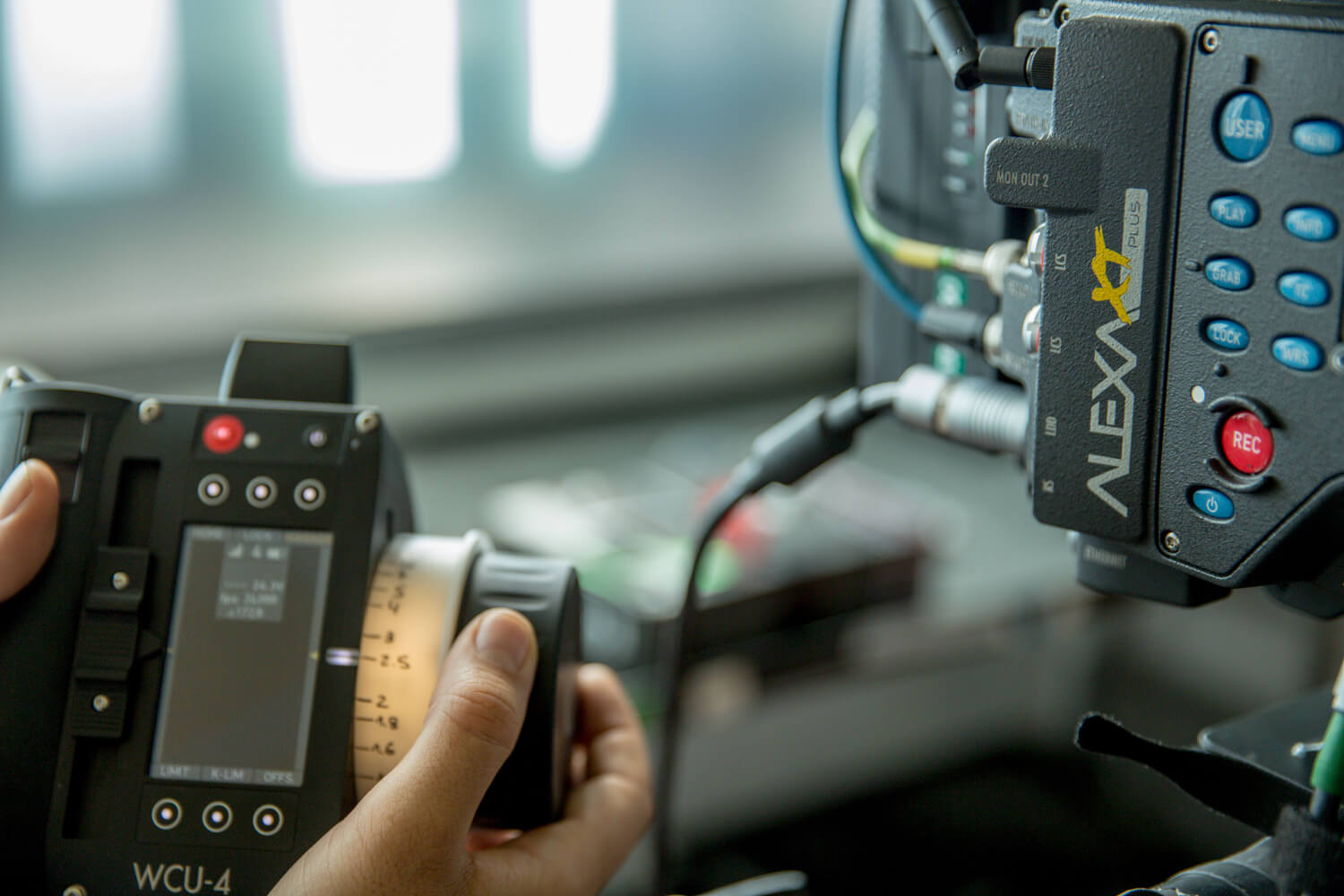
A camera operator who is not lighting the scene runs $600 to $950 in mid-markets. That is the seat for a second interview angle, a roaming camera at a conference, or B cam on a brand piece. The 1st AC pulls focus, builds the rig, and swaps glass for $500 to $800. Shoot a 35mm wide open at T1.5 with a subject who leans forward, and you will stop calling that seat optional. A 2nd AC or camera PA handles slates, batteries, and cards for $350 to $550.
DIT and data management gets cut constantly, then becomes a crisis at 11pm. On a shoot generating 800GB of ProRes or R3D, a data wrangler runs $450 to $700. That buys an offload station and dual-copy verification, which costs less than one lost card. On small jobs, the 2nd AC absorbs the role. With more than two cameras rolling all day, split it out. My honest take: a client who balks at $500 for verified backups is telling you exactly what the footage is worth to them.
Sound is the cheapest insurance on the call sheet
Sound is the one line where video crew rates pay for themselves fastest. Audio problems cannot be fixed in the grade, and clients hear bad sound long before they notice soft focus. A production sound mixer charges $700 to $1,100 per ten-hour day in most US markets. That number almost always arrives with a kit fee beside it rather than baked into the rate.
The kit is where the value sits. A working mixer package usually includes:
- A Sound Devices MixPre-10 II or a Scorpio recorder
- Three or four Lectrosonics DCHT wireless transmitters
- DPA 6060 lavs and a Sennheiser MKH 416 on a boom
- Timecode boxes for every camera and a comms feed so the director hears what the mixer hears
Kit fees run $250 to $500 a day on top of labor. A mixer quoting $750 with a $350 kit is an $1,100 line item. Read the quote that way on day one, not at invoice stage. Need a dedicated boom operator because subjects move or dialogue overlaps? Add $400 to $600.
The honest tradeoff runs like this. On a locked-off interview in a quiet room, a competent DP with a lav and a boom on a stand is fine. Skip the mixer and put the money into lighting. On a factory floor, during restaurant service, or at a live event with a house PA feed, the mixer earns their rate in the first hour. Same with any scene where four people talk over each other. Corporate clients who need clean audio for testimonial and interview work tend to learn this once, expensively, then never cut sound again.
Lighting and grip: gaffer, best boy, key grip, and swing
A gaffer designs and executes the electrical plan for $650 to $1,000 a day in mid-markets, or $900 to $1,600 in LA and New York. The best boy electric runs cable, distro, and the rest of the electric crew at $500 to $700. On the grip side, a key grip handling flags, frames, stands, dollies, and rigging charges $600 to $900. A swing, meaning a hybrid grip-electric on smaller jobs, comes in at $450 to $650.
Most commercial shoots under $25,000 do not carry a full lighting department, which keeps video crew rates in check. The usual shape is one gaffer plus one swing. That covers two or three Aputure 600x or 1200d units, a couple of Astera Titan tubes, and a 4×4 floppy. Add a 6×6 diffusion frame and enough C-stands and sandbags to be safe. Labor and gear combined, that two-person team with a truck package lands between $1,800 and $2,800 for the day.
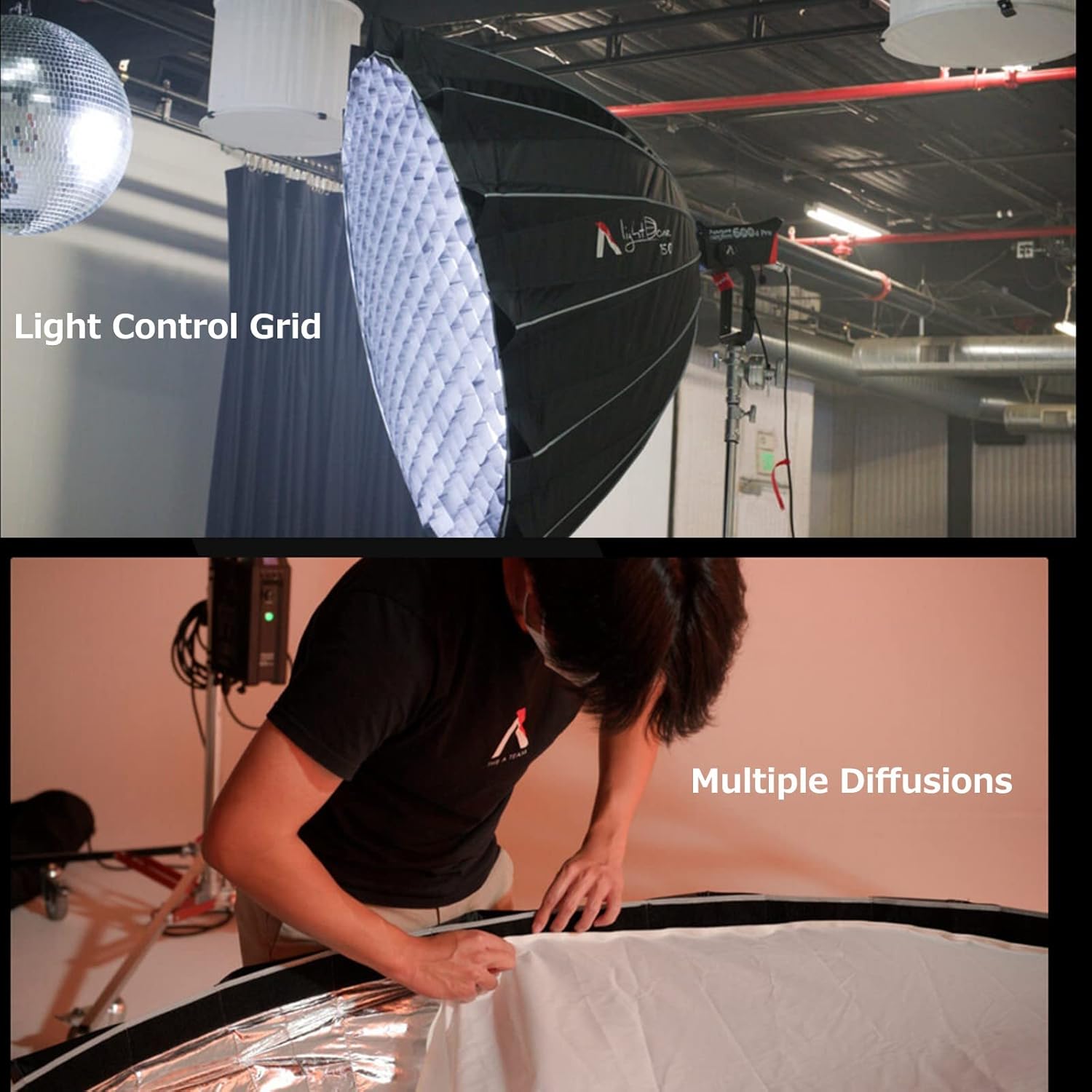
Power and location are where budgets get guessed wrong. A warehouse with no accessible circuits needs a generator, and a generator needs someone qualified to run it. Exterior work at magic hour needs more crew, not less: you get twelve minutes of usable light, so every setup has to be pre-rigged. If the scout report says no loading dock, fourth-floor walkup, or street parking only, add a PA or two and expect a long day. That is not padding. That is physics.
Producers, PAs, and the people who keep the day from collapsing
These are the seats a client cuts first when video crew rates come in high, and they are the wrong ones to cut. A line producer or production manager builds the schedule, books crew, chases permits and COIs, and handles the client on the day. Rate: $700 to $1,400 per shoot day, with prep days often billed at 50% to 75%. On a one-day shoot with six crew and two locations, that seat is not optional. Someone has to know where lunch is at hour five. If that someone is the DP, you are paying a DP rate to order sandwiches.
Production assistants run $250 to $400 for ten hours, sometimes with a mileage bump if they are running errands. Two PAs on a busy day is a normal ask, not a luxury. Hair and makeup for on-camera talent costs $500 to $900 including a kit. The rate climbs past three faces, and climbs again when the day runs long and touch-ups continue to wrap.
Then there is talent. Non-union on-camera talent for a corporate or brand piece runs $500 to $1,500 a day for a buyout covering one to two years of digital use. Broadcast or paid social in perpetuity costs more. Usage terms matter more than the day rate, and this is the single most common place a small production gets itself in trouble. A $600 talent day with unlimited worldwide use is a bad trade for the performer and real legal exposure for the client if nobody papered it properly.
Three real crewed days, priced line by line
Here is what those video crew rates add up to in practice. Mid-market US numbers, ten-hour days, labor and standard kit combined.
Small corporate interview day, three crew, roughly $3,400. DP-operator at $1,100, sound mixer with kit at $1,050, gaffer-swing at $800, PA at $300, plus a modest camera and lighting package. Two locations, four interviews, some B-roll. This is the most common shape of a paid video day in North America, and the shape most video production pricing is built around.
Brand film day, six crew, roughly $8,200. DP at $1,400, 1st AC at $650, B cam operator at $800, sound mixer with kit at $1,100, gaffer at $850, key grip at $750, two PAs at $600, producer at $1,000, plus a truck package and rentals. Add talent, HMU, and location fees, and the day lands near $12,000 all in.
Two-day commercial with clients on set, roughly $26,000 in crew and gear. Full camera department, two-person G&E, dedicated DIT, producer plus a coordinator, HMU, craft services, and a shot list that needs a slider, a jib, and a drone operator for two hours at $900. That drone rate assumes a current Part 107 certificate, which you should ask to see. The FAA requires a Part 107 certificate for commercial drone work, and your insurer will ask for the number. Clients at this level usually book through a producer or a directory of vetted commercial video specialists rather than a cold search.
Kit fees, overtime, and the fine print that inflates the invoice
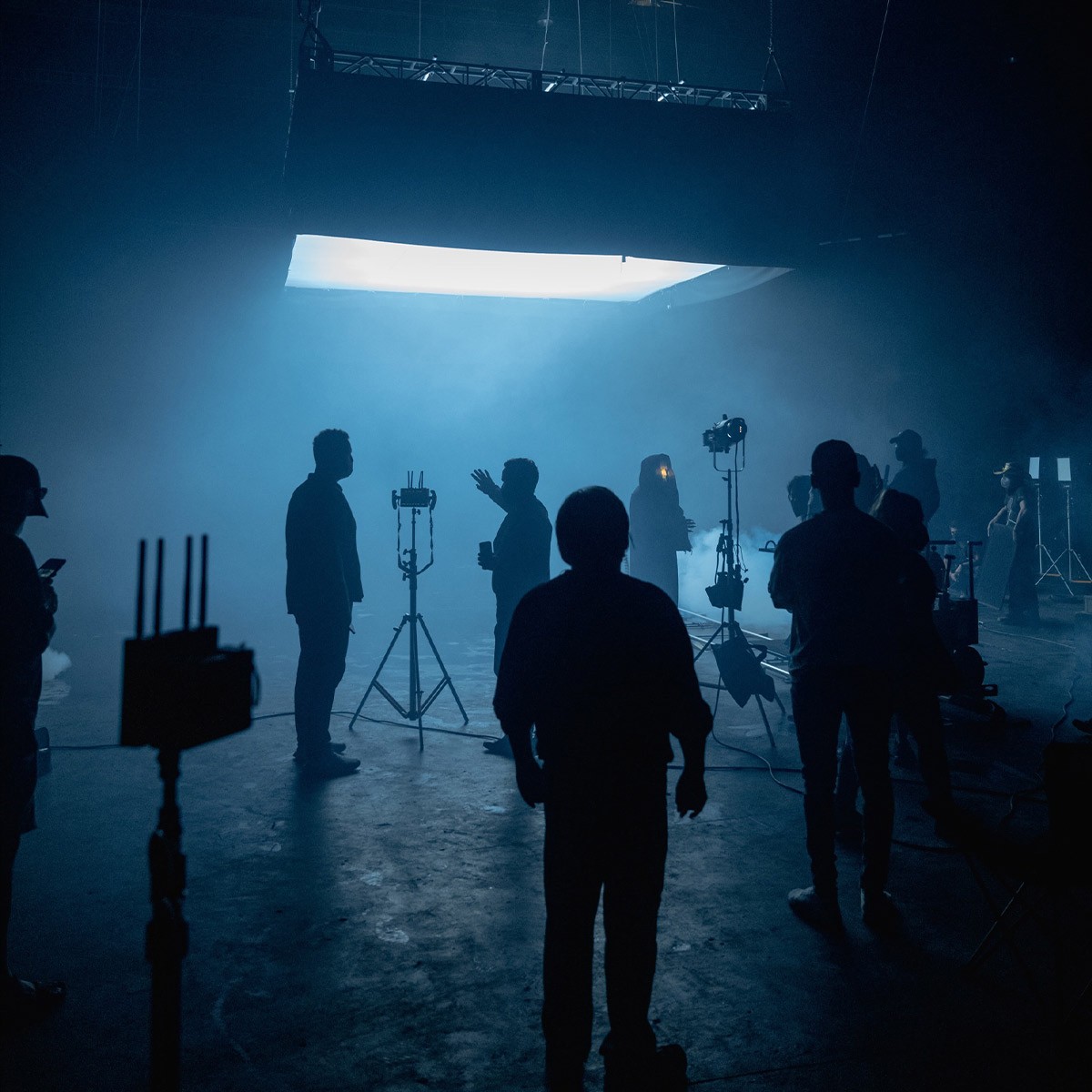
Kit fees and overtime are the part of video crew rates nobody quotes on the phone. The standard day in US non-union video is ten hours, portal to portal. The clock starts at call and stops at wrap, not when someone finishes packing the truck. Overtime after ten hours bills at 1.5x the hourly equivalent, meaning the day rate divided by ten. After twelve hours, most crew go to 2x. A gaffer at $850 who works fourteen hours invoices $850 plus two hours at $127.50 plus two hours at $170, so $1,445. That is a 70% jump on one line, and it happens on maybe a third of ambitious one-day shoots.
Meal penalties are real on organized sets. Crew expects a hot meal every six hours from call. Miss it and you owe $25 to $50 per person per half hour. You also get a slow crew for the rest of the day, which costs more than the penalty. Half days exist, but they are not half price. A five or six hour day bills at 65% to 75% of full, because that person cannot book anything else.
Other lines to read before you sign:
- Kit or box rentals listed separately from labor
- Mileage past a set radius, usually 30 miles from the crew member’s zone
- Per diem of $60 to $85 on travel jobs, plus hotel and flights
- Travel days billed at half rate
Ask one more question before booking: is crew paid as 1099 contractors, or run through a payroll service like Wrapbook? W-2 payroll adds roughly 20% to 25% in fringes and handling on top of every rate here. Getting the classification wrong is also what the IRS worker classification rules exist to punish. That surprise has blown up more budgets than any camera rental ever has.
How to hire crew without a production company, or get hired as one
If you are a client, the shortest path through video crew rates is one experienced DP or producer who assembles the team for you. They know who shows up on time, who owns the right lights, and who will not argue with your CMO. Pay that person an assembly fee of $500 to $1,200, or accept a 15% to 20% markup on crew. That markup is normal and honest as long as it is disclosed. Booking six freelancers yourself with no call sheet experience costs more in chaos than it saves in markup.
If you are a videographer moving up, crew for other people first. Take the 2nd AC and swing jobs, learn how a real set runs, and build relationships with three or four people who call you first. Keep your number in a one-line rate card you can send from your phone. Producers book whoever answers a text with a clear figure in under ten minutes. Undercutting on video crew rates wins you the first job and none of the good ones. Production managers read a very low rate as inexperience, not a bargain.
Three things that actually keep a freelance calendar full:
- A reel cut to one seat, not a highlight of everything you have ever shot
- A rate card you can paste into a text in under a minute
- Two or three producers who think of you before they post the job publicly
Then get listed where buyers already look. Keep your reel focused on the seat you want to fill, and be specific about kit. A listing that reads “Sony FX6, Sigma Art primes, MixPre-6 II, available for corporate and brand film work in the Southeast” beats a page of adjectives. If you have never worked a directory before, how the matching process works is worth ten minutes of reading.
Before your next quote goes out, price the day both ways: solo with a compressed shot list, and crewed with the full one. Show the client both numbers and what each one buys. Once they see the setup count difference, most pick the crewed version, and the ones who do not were never going to be happy either way. Video crew rates only look shocking until you price them against the footage they actually produce.