A client emails asking “what’s your day rate?” and you freeze for a second. Quote too high and the thread goes quiet. Quote too low and you spend ten hours on set resenting the job. Most videographers I know guessed at this number for their first two years. They only fixed it after they ran the math and realized they were undercharging by 40 percent.
Your videographer day rate is the single most important number in your business. It is also the one people copy from a Reddit thread without understanding what sits underneath it. This guide breaks down what a day rate actually buys, what the real ranges look like in 2026, and how to build your own number from the ground up instead of borrowing someone else’s.
What a day rate actually covers (and what it doesn’t)
The phrase “day rate” hides a lot of ambiguity, and that ambiguity is where disputes start. A day to most clients means “the hours my event runs.” A day to a videographer usually means a 10-hour block on location. Sometimes there is a hard out at 12 hours, with overtime after that. Spell this out in writing before anyone signs anything.
A standard shoot day rate typically includes your time on set, your core camera package, basic lighting, and travel inside a defined radius, often 25 or 30 miles. It usually does not include editing, color grading, music licensing, additional crew, drone work, or a second camera body unless you said so. Editing is the part beginners forget. A wedding film can take 30 to 50 hours to cut. If your day rate quietly absorbed that, you just worked for a third of what you thought.
The cleanest structure separates the shoot fee from the post-production fee from the deliverables. When a client asks for “just the raw footage,” you hand them the shoot-day number alone. When they want a finished three-minute film, you add editing as a line item. Keeping these uncoupled protects you and makes your quote easier to defend. The client can see exactly what each dollar pays for.
Real day rate ranges by market and experience in 2026
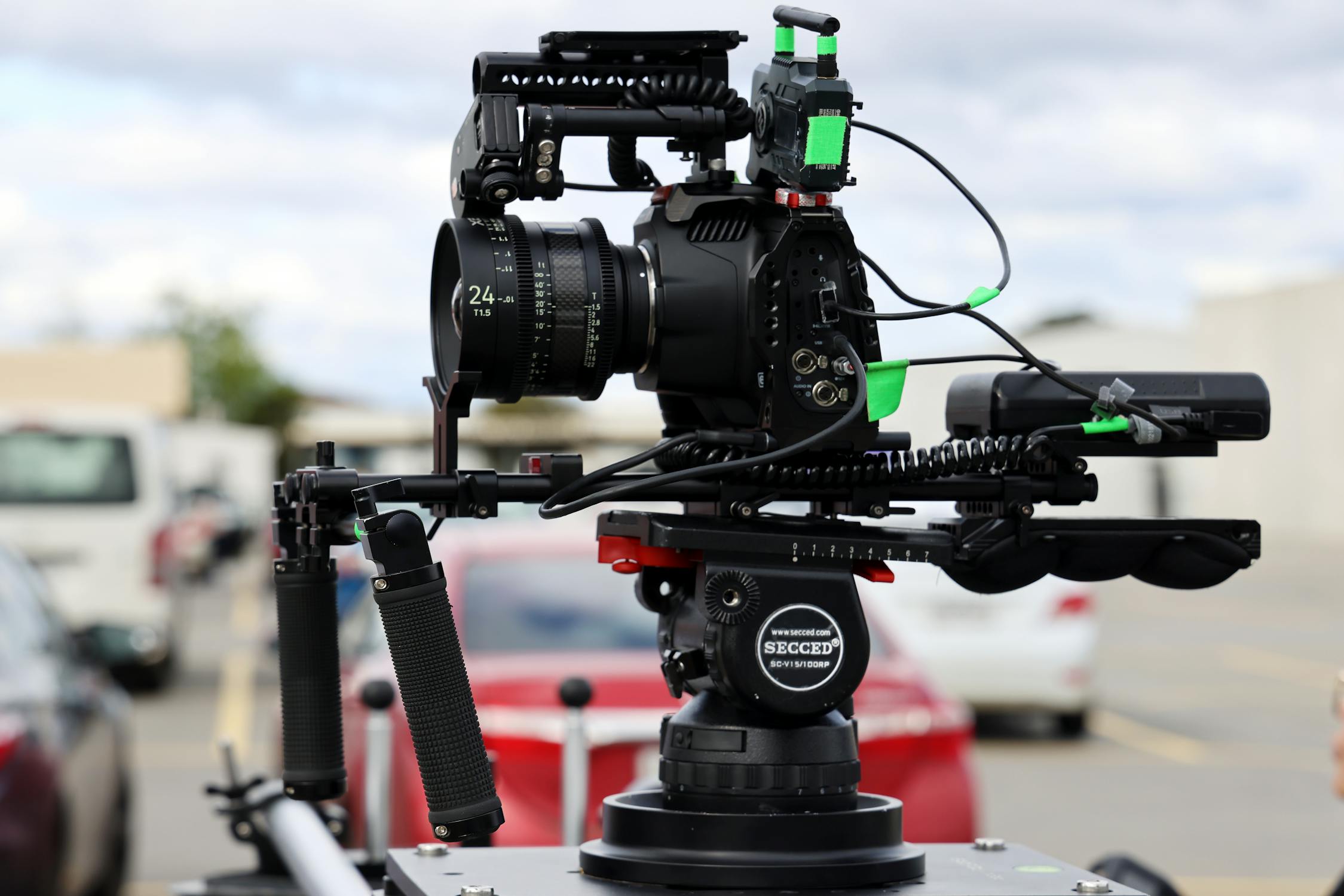
Numbers vary wildly by city, niche, and reputation, but here is roughly where things land in the United States right now. A videographer one to two years in, shooting solo with a single mirrorless body like a Sony A7 IV, usually charges 500 to 900 dollars for a shoot day. Mid-level operators with three to six years of work and a real reel sit around 1,000 to 1,800 dollars. Established shooters with a recognizable style and referral demand command 2,000 to 4,000 dollars a day. The top of corporate and commercial work runs well past that.
Niche matters as much as experience. Corporate and commercial clients have real budgets. They expect to pay 1,500 to 3,500 dollars for a director-operator who shows up with insurance and a backup camera. You can see what that market expects on the corporate videographers directory. Wedding day rates often look higher as packages, because they bundle 8 to 10 hours of coverage plus a finished film. Those frequently land between 2,500 and 6,000 dollars all in. Real estate and listing work runs lower per job, often 200 to 600 dollars, because the shoots are short and the turnaround is fast.
Geography swings these figures by 30 to 50 percent. The same skill set bills differently in Los Angeles than in Tulsa. Do not anchor your rate to a YouTuber in a market with triple your cost of living. And do not undercut your local market to win a race nobody should want to win.
Day rate vs half-day vs project pricing
Not every job deserves a full-day quote, and pretending otherwise costs you bookings. A half-day rate, usually four to five hours, should land around 60 to 65 percent of your full day, not half. The reason is simple. You still travel, set up, tear down, and burn a calendar slot you cannot easily fill with a second job. Charging exactly half of your day rate for a half day is a quiet way to lose money on every short shoot you take. A real estate agent who wants three listings shot in one morning is a classic example. Two hours of actual shooting, but a whole morning gone.
Project pricing works better than day rates once you understand a job deeply. Say a brand film needs two shoot days, a day of editing, and three rounds of revisions. Quote one number for the whole thing. The client gets predictability, and you get paid for outcomes instead of hours. The risk is scope creep. Define exactly how many revision rounds, how many deliverable versions, and how many shoot hours the price covers. Brand work especially rewards this approach, and you can study how those engagements are scoped on the brand film listings.
Use day rates when the scope is uncertain or the client controls the schedule. Use project pricing when you can predict the work. Many experienced videographers run both: day rates for production companies who book crew by the day, and project quotes for direct clients who only care about the finished piece.
How to calculate your own videographer day rate floor
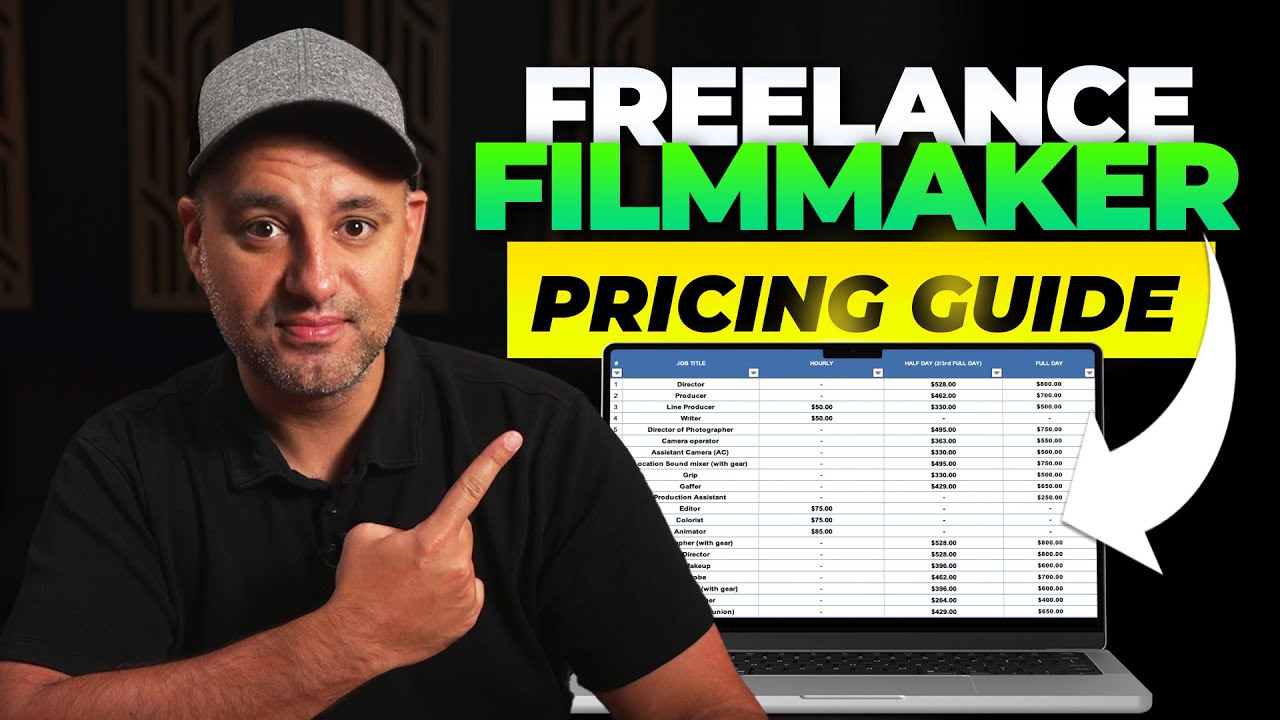
Stop copying numbers and build your videographer day rate from your actual costs. Start with the income you need per year after taxes, then work backward. Say you want 60,000 dollars in your pocket. Add self-employment tax, which can run 25 to 30 percent for a freelancer. Then add health insurance, software subscriptions, gear depreciation, and an emergency buffer. Your real revenue target is closer to 95,000 to 100,000 dollars. The IRS self-employment tax rules spell out what you owe, and it is more than most new freelancers expect.
Now the part most people get wrong: you do not bill 250 days a year. A working solo videographer is lucky to bill 100 to 130 actual shoot days. The rest of the calendar goes to editing, sales, admin, marketing, and equipment maintenance. It also goes to the gaps between gigs that no freelancer escapes. Divide a 100,000 dollar target by 110 billable days and you get a floor of roughly 900 dollars per day before profit. That is the number under which you are slowly going broke while staying busy.
Layer gear depreciation in honestly. A 6,000 dollar camera body shooting 100 days a year over a four-year life costs you 15 dollars a day just to own. That is before lenses, cards, batteries, and the laptop that renders your edits. Add a profit margin on top of your floor, because covering costs is survival, not a business. If your calculated floor is 900 dollars, your published rate should sit at 1,200 to 1,400. That leaves room for the cheap months.
Run these numbers in a real spreadsheet, not your head. A simple Google Sheet works: rows for taxes, insurance, software like Adobe Creative Cloud at 60 dollars a month, and gear payments. It shows your true floor in an afternoon. Most videographers who do this once are shocked, then they raise their rate within the month.
What to charge on top of the base day rate
The base shoot fee is the start, not the finish. Several line items legitimately stack on top, and clients who book professionals expect to see them.
- Additional crew: a second shooter is 400 to 800 a day, an audio op similar, a gaffer 350 to 600.
- Drone coverage: 300 to 800 dollars, depending on flight time. A Part 107 certificate from the FAA is legally required for paid work in the US.
- Music and stock licensing: pass it through, never eat it. A premium Musicbed or Artlist track is a real line cost.
- Overtime: define it in the contract, usually 150 to 250 dollars per hour past the agreed day length.
- Rush turnaround: a 48-hour edit instead of three weeks justifies a 25 to 50 percent premium.
Here is how that stacks in practice. A two-day corporate shoot might start at a 1,400 dollar base. Add a second shooter for one day at 600, a drone package at 500, and a one-year social usage license at 1,200. That lands at a 5,100 dollar quote before editing. Break those lines out on the estimate so the client approves each one. They rarely argue with a drone line they understand. They argue with a vague total they cannot decode.
Licensing deserves its own line, because it protects you legally and reframes your value. When a brand wants to run your video as a paid ad for two years across social, that is a usage license. It can be worth more than the shoot itself. A commercial that airs nationally is priced on reach, not on how long you held the camera. Drone add-ons are common enough now that buyers comparing quotes already expect the line item. You can see how aerial work is presented on the drone videographers page.
How to raise your day rate without losing clients
Raising your rate feels terrifying and is almost always overdue. The signal that you are ready is simple. You are booked solid, turning work away, or quoting jobs you secretly hope you lose. When demand outruns your calendar, the price is too low. Most videographers wait two years too long to move.
Raise in 15 to 20 percent steps, not 5 percent nudges that barely cover inflation. Apply the new rate to new inquiries first. Grandfather your existing repeat clients for one more cycle, then bring them up with notice. A short, unapologetic email works: “Starting in September my day rate moves to 1,500. I’d love to keep working with you at the new rate.” No long justification, no apology.
The clients who value your work stay. The ones who only ever cared about price were going to leave for someone cheaper anyway. Losing them frees the calendar for better-paying jobs.
Back a raise with something visible. A stronger reel, a new camera package, a recognizable style, or testimonials from known clients all justify a higher number. Say you have a polished portfolio and steady referrals. Putting yourself in front of higher-budget buyers through a directory like BookVideographer’s join page beats shaving your price to win a bidding war. Price is a signal. A rate that is too low quietly tells serious clients you are not the professional they need.
Common day rate mistakes that cost you money
The expensive errors are predictable. The first is quoting a number before understanding the job. Someone says “it’s just a quick shoot” and you blurt out 600 dollars. Then you discover it is three locations, a 6 a.m. call time, and a same-week edit. Ask what the deliverable is, how many hours, how many locations, and what the usage will be before any number leaves your mouth.
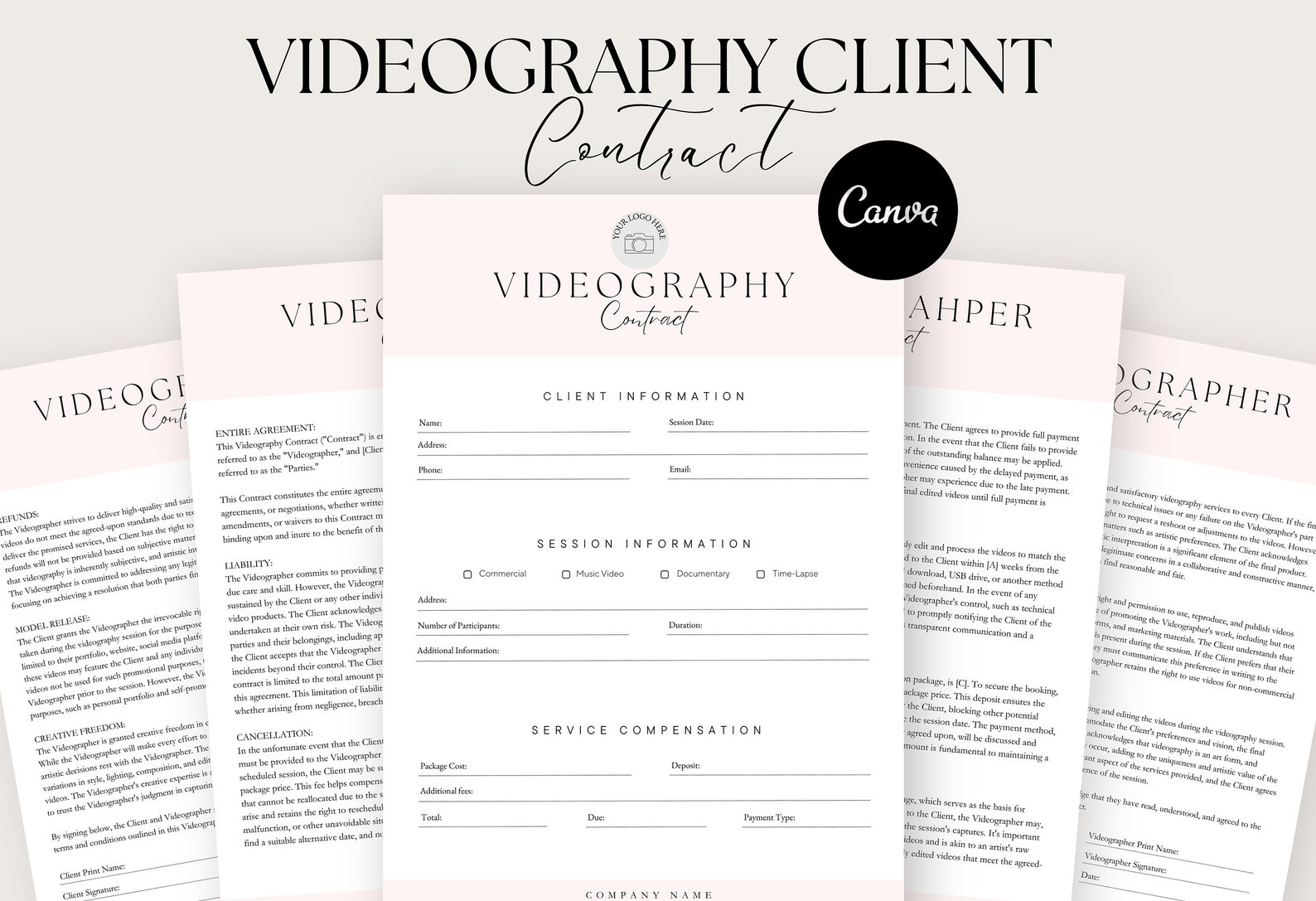
The second mistake is forgetting editing exists. If your day rate silently includes post, you are working for a fraction of your stated price. Quote editing separately, every time, even if you bundle it into a package at the end. The third is ignoring kill fees and deposits. Take a 30 to 50 percent non-refundable deposit and put a written cancellation policy in the contract. That protects you when a client reschedules a week out and you have already turned down other work for that date.
The fourth is racing to the bottom on price to compete. There is always someone cheaper. Chasing them trains you to attract clients who leave the moment a cheaper option appears. Compete on reliability, communication, and a body of work that speaks for itself. The fifth is never tracking your actual hours per project. Log your shoot, edit, and admin time for three months. You will find the jobs that look profitable but quietly drain your calendar.
Adjust your videographer day rate based on that data, not on a feeling. Plenty of buyers comparing options start on category pages like wedding videographers. A clear, confident rate that reflects your real costs reads as professional, not expensive.
Pick one number this week: your true billable-day floor. Run the math from your annual target, divide by 110 days, and add your margin. Then quote that videographer day rate to your next inquiry without flinching. The first time you hold the line on a rate you calculated instead of guessed, you’ll wonder why you spent so long charging less.