
You have a 90-second explainer locked. The client signs off on the cut, then asks who is reading the script. Two quotes come back for the same 220 words. One is $180 from a marketplace. The other is $2,400 from agent-represented talent in Los Angeles. Both prices are legitimate.
Voiceover for video cost splits into three things buyers mash together. There is the talent’s time in the booth. There is the license to use the recording. Then there is your labor: casting, directing, cleanup, and dropping the file into the timeline. Separate those on the estimate and the gap between $180 and $2,400 stops looking irrational. Blend them and you either underbid the job or spend twenty minutes defending a number the client thinks you invented.
What Actually Drives Voiceover for Video Cost
Talent quote in three shapes. Which shape you are looking at tells you more than the dollar figure does.
Per finished minute is the default for narration. You pay for the length of the final audio, not the hours behind it. A 90-second read at $250 per finished minute lands around $375, whether it took four takes or forty. Mid-market non-broadcast narration sits between $150 and $400 per finished minute in 2026.
Per word turns up in e-learning and long-form corporate work, roughly $0.15 to $0.50 per word. A 40-module compliance course prices more cleanly on volume than on runtime. The third shape is a session fee plus usage. Recording runs $350 to $600. The license fee attaches separately, tied to where the audio runs and for how long. Agencies default to that structure. Small business clients find it baffling until you walk them through the math once.
Script length is the input people get wrong most often. Conversational read pace is about 150 words per minute. Corporate narration loaded with product names slows to 125 or 130. A brand film with pauses and music underneath can drop to 110. So a 220-word script is roughly 90 seconds of finished audio. When a client hands you 400 words for a 60-second cut, the problem is the copy, not the voice. Trim it before you book anyone. Paying for a re-record because the script never fit costs far more than a fifteen-minute pass on the Google Doc.
2026 Rate Ranges by Project Type
These are the numbers behind voiceover for video cost in 2026. They assume a working professional with a treated home booth, delivering edited audio in 24 to 48 hours. Broadcast usage is excluded unless stated.
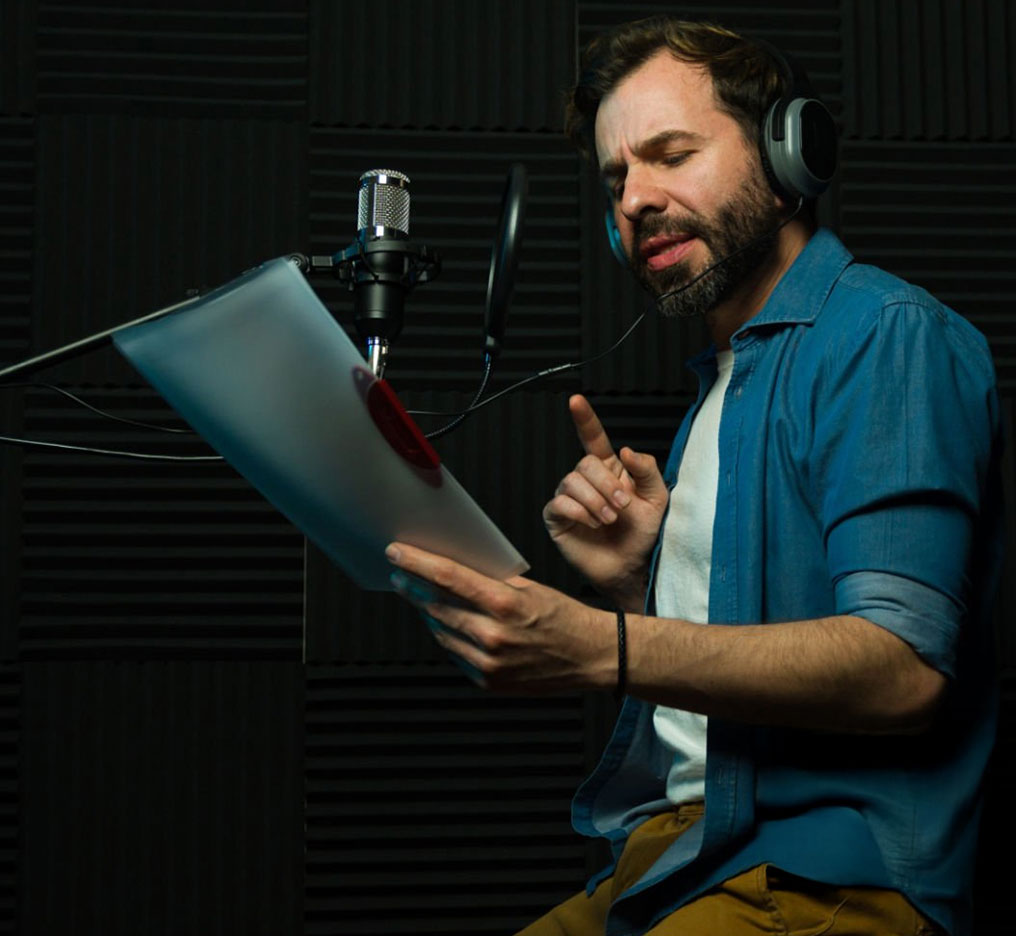
Typical ranges by project type:
- Internal narration, safety, and training: $150 to $300 per finished minute, or $300 to $700 flat for a five-to-eight-minute piece
- Explainer and product video, 60 to 120 seconds: $250 to $600 for a solid mid-tier voice, $1,000 to $2,500 for a recognizable read with representation behind it
- E-learning: $600 to $1,500 per finished hour of audio, revisions billed against a $100 to $150 session minimum
- Property tour narration: $75 to $200 for a two-minute walkthrough
- Phone systems and IVR prompts: $200 to $500 for a set of ten, then $25 to $50 per prompt for later additions
Most corporate video budgets land in that first bracket and stay there. That is fine. No client ever renewed a contract because the forklift safety video had a gorgeous voice. Watch the education and training buyers instead. They revise constantly. A session minimum is what keeps a two-line fix from eating your margin.
Broadcast is a different animal. A non-union national TV spot with a one-year buyout starts near $2,500. Book a voice viewers would recognize and it climbs past $8,000. Regional cable in a single market, one-year term, runs closer to $800 to $2,000.
Marketplaces undercut all of it. Fiverr reads at $50 to $150 for 500 words are real. So are the tradeoffs: usage terms that mean nothing, no revision guarantee, no recourse. Plenty of those files arrive as 128 kbps MP3s with room reflections baked in. Voices.com and Voice123 sit closer to standard rates. Platform fees of roughly 10 to 20 percent get folded into the number you see. My rule is simple. Marketplace for scratch and internal, vetted bench for anything a customer watches.
Usage Rights: The Line Item That Doubles a Quote
Usage is the biggest single swing factor in voiceover for video cost. It is also the part that confuses clients most. The same voice, reading the same 220 words, in the same session, can cost $400 or $3,500. The recording is identical. The license is not.
Four variables set the fee. Media is where it runs: internal only, owned web and social, paid social, OTT, broadcast, cinema. Territory is geography, from one US market to worldwide. Term is duration, usually 12 months, 24 months, or perpetuity. Exclusivity decides whether the talent can voice a competitor while your term runs. That clause alone can add 50 to 100 percent.
A worked example helps. Take a 60-second read for a manufacturer’s website and YouTube channel, one year, no paid media. That runs about $400 to $600. Add paid social and pre-roll for twelve months and you are at $1,200 to $1,800. Push the same file to national broadcast and you are past $3,500 before residuals enter the picture. Perpetuity usually prices at 1.5 to 2 times the equivalent two-year fee. Some talent will not grant it at any price.
Write the usage terms into your contract in plain language, then repeat them on the estimate. “Voiceover license: owned web and social, United States, 24 months from delivery. Extensions quoted separately.” That one line has saved me two arguments and one demand letter. Say a commercial video gets repurposed into a paid campaign eighteen months later. You want a document showing exactly what was bought. Cheap quotes hide expensive surprises right here. The $180 marketplace read almost never comes with a term you can point to.
Union or Non-Union: What SAG-AFTRA Actually Costs
Most corporate and web work runs non-union and nobody blinks. Once a project touches national broadcast, a large agency, or a brand with signatory history, the math changes fast.
For non-broadcast work, the SAG-AFTRA Corporate/Educational contract splits into two categories. Category I covers restricted, in-house distribution and runs roughly $500 to $600 for a day of narration. Category II covers unrestricted use, including sale to the public, and lands closer to $650 to $800. Broadcast commercial VO carries its own session fee, generally north of $1,000. Use fees and residuals keep accruing while the spot airs. Rates move with each contract cycle. Pull the current numbers from the SAG-AFTRA rate and contract library before you quote. Do not trust a figure from a blog post, this one included.
The fees stacked on top are what surprise people. Pension and health contributions add roughly 19 to 21 percent of gross scale. If you are not a signatory yourself, payment routes through a payroll house. Wrapbook, Cast and Crew, and Extreme Reach all handle this, and their fee runs about 3 to 6 percent. Budget a union narrator at 1.25 times the session fee and you will be close enough to quote.
You can become a signatory for a single project through a one-production agreement. It is more paperwork than a small shop wants. If the client insists on union talent, let their agency or an existing signatory hold the paper. Your job is delivering audio, not administering a benefits plan.
AI Voice Versus a Human Read in 2026
Synthetic voice got good enough to matter, and pretending otherwise costs you money. ElevenLabs runs about $22 a month at the Creator tier and $99 at Pro. WellSaid and Descript sit in similar territory. For a shop producing forty training modules a quarter, the subscription is a rounding error. Human narration at $600 per finished hour is not.
It works in specific places. Internal training and SOP videos, where nobody expects warmth. Scratch tracks for timing an edit before the real read arrives. IVR prompts. Localization into eight languages, when hiring native talent for each would blow the budget. It fails in others. Emotional brand reads. Anything with sarcasm or a comic beat. Scripts thick with proper nouns, which a model will mispronounce three different ways in one paragraph.
Contract issues deserve a look before you press generate. Check whether your subscription tier actually grants commercial rights, because the cheap tiers often do not. Some enterprise clients now carry policy language banning synthetic voice in customer-facing assets. Learning that at delivery makes for a bad afternoon. Disclose it in writing. My scope of work carries one clause: narration will be human unless otherwise specified. Any synthetic voice gets identified before delivery. That costs nothing, and it prevents the conversation where a client feels deceived. Animation and motion work is where AI voice has landed hardest, mostly because those projects run script-heavy and revision-heavy.
Should You Record It Yourself?
If your own voice is decent and the project is internal, recording it yourself is defensible. A working chain costs less than one mid-tier booking.
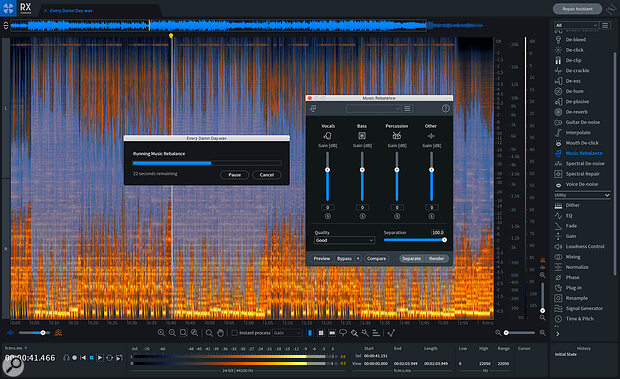
A Rode NT1 5th Generation runs $249 and forgives an untreated room. The Shure SM7B at $399 is the podcast standard. It needs a Cloudlifter or FetHead, another $99 to $149, plus an interface with real gain. A Universal Audio Volt 2 is $189. A Focusrite Scarlett Solo is about $139. Total damage: $600 to $900. Cleanup software matters as much as the mic does. iZotope RX Standard lists at $399 and drops near $149 on sale. It pulls mouth clicks and HVAC hum faster than any amount of careful tracking.
The room is the actual problem. A closet packed with hanging clothes beats an empty spare bedroom every time. Moving blankets on a PVC frame get you 80 percent of the way there for under $200. A real isolation booth from Whisper Room or StudioBricks starts around $4,500. Installed, the good ones climb past $12,000. That only pencils out if you are recording weekly.
The honest constraint is not gear. Reading a script well is a separate skill from shooting one. Clients hear the difference on brand-facing work, even when they cannot name it. Record your own scratch tracks and internal pieces. Hire out anything a customer will see. I have watched more than one shop talk itself into a $900 mic chain to avoid a $400 booking. They booked the $400 read anyway.
Directing, Pickups, and Delivery Specs
A directed session costs more and usually earns it back. Talent typically add $75 to $150 for live direction. The connection runs over Source-Connect, Riverside, or a plain Zoom call with the local recording rolling on their end. Thirty minutes of you saying “push the second half harder” beats two rounds of email and a pickup fee.

Set a pickup policy before the session, not after. Standard practice is one round included when the changes are performance-related and requested within 14 days. Script changes are a new job. Bill them at a $100 to $150 session minimum, plus the per-word or per-minute rate on the new copy. Put that in the estimate. Clients rewrite copy after they hear it read aloud, every single time. The ones who know the cost rewrite less.
Spell out deliverables in the booking email:
- 48 kHz, 24-bit mono WAV, one processed pass and one raw pass
- Peaks no hotter than -3 dBTP
- Mouth clicks and breaths cleaned, not surgically removed
- Files named to match your script sections
Loudness targets belong at your mix stage, not on the talent. Web sits around -16 LUFS integrated. Broadcast runs -24 LKFS under the ATSC A/85 loudness recommendation. YouTube turns down anything hotter than roughly -14 LUFS anyway. Getting an MP3 when you needed a WAV is a recoverable annoyance. A 44.1 kHz file dropped into a 48 kHz timeline is worse. That means a resample, and a subtle pitch problem nobody enjoys chasing.
How to Build Narration Into Your Quote
Two ways of pricing voiceover for video cost into a client estimate work. The wrong one is letting the client hire talent directly.
Pass-through with a coordination fee is the transparent option. Show the talent’s actual cost, then add 15 to 25 percent for casting, directing, and managing pickups. Clients used to agency billing accept this without comment. The packaged option reads better to smaller buyers. Quote a flat narration package at $650. It covers a vetted voice, a directed session, cleanup, and one round of pickups, against a talent cost of $400. One number, one point of contact, and no line item for a procurement team to negotiate down.
Keep a bench of three or four voices you have actually worked with. A warm mid-range female read, an authoritative male read, one younger conversational option. Add a bilingual voice if your market calls for it. Send two or three custom auditions instead of a marketplace link with 8,000 profiles. Choice paralysis alone will cost you a week.
The scenario to avoid is familiar. The client knows someone who does voices. Eleven days later a 3-minute file arrives, recorded on AirPods in a kitchen. Now you are the one saying it is unusable, and the delay somehow becomes yours. If they insist, send your spec sheet up front and reserve the right to bill a re-record. Managing voiceover for video cost is mostly about knowing which decisions are yours to make. Price them before they happen.
Before your next quote goes out, run your last three scripts through a word count and divide by 140. If the runtime you promised does not match the copy you were handed, fix that first. Everything downstream gets cheaper. If you want to see how other producers frame their estimates, start with the production pricing guide. Then list your services on BookVideographer and let the projects find you.