You found a videographer whose work made you tear up a little, the quote is $3,800, and the booking email ends with one line: a $1,200 deposit holds your date. Is that normal? And if the venue falls through in March, does the money just vanish? The wedding videographer deposit is one of the most misunderstood numbers in the whole booking process. Couples treat it as a mystery fee, and plenty of vendors do a poor job explaining it. Here is how it actually works in 2026, from both sides of the contract, with real numbers and the contract language that decides who keeps the money.
How much is a typical wedding videographer deposit?
Most wedding videographers ask for 25 to 50 percent of the total package upfront. On a $2,500 documentary-style package, that is roughly $625 to $1,250. On a $6,000 cinematic package with a second shooter, a highlight film, and a full ceremony edit, expect $1,500 to $3,000 due at signing. Some shooters skip percentages and charge a flat booking fee, often $500 or $1,000, regardless of package size.
Market matters more than couples expect. In New York, Los Angeles, and destination markets where strong shooters book out 12 to 18 months ahead, 50 percent is common and nobody blinks. A solo videographer in a mid-size metro charging $2,800 might ask for only 30 percent, because the calendar has more give and a smaller deposit lowers the friction of saying yes. Here is my honest take: most couples fixate on the percentage of the wedding videographer deposit when the real question is what it secures. A 25 percent deposit with a flaky vendor is worse than 50 percent with someone who reliably shows up.
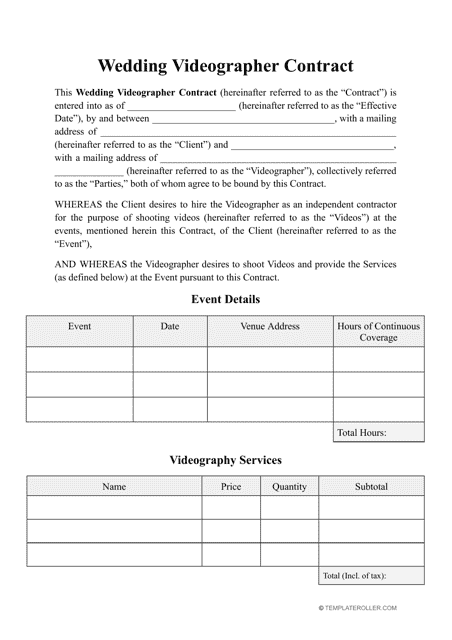
One detail to confirm before you sign: whether the deposit counts toward your total or sits on top of it. It should count toward it. A $1,200 deposit on a $3,800 package means $2,600 remains, not $3,800. If a quote is ambiguous on that point, ask in writing. Still comparing options? Browse the wedding videographer directory and the pricing overview for a realistic band before you talk deposit numbers.
When is the balance due after the deposit?
The deposit is due at signing. That is the whole point: your signature plus the money converts a friendly email thread into a held date. Until both land, the videographer is free to take another couple who books first, and on a popular Saturday in June or October that happens within days.
The balance is usually due two to four weeks before the wedding, not on the day itself. Paying the final installment the morning of your wedding is a setup nobody wants, because it drops a money conversation into the middle of getting-ready chaos. For larger packages, expect a three-part structure: the deposit at booking, a middle payment a few months out, and the balance two to four weeks before the date. A standard wedding videographer deposit follows a clear, written schedule like this rather than a vague promise to “settle up later.”
Add-ons usually get billed separately, so read the line items instead of assuming the base covers everything:
- A drone operator for aerial coverage, often $400 to $800.
- A same-day edit screened at the reception, typically $800 and up.
- Raw footage delivery, sometimes $200 to $500 on top.
If a videographer wants the full amount upfront for a wedding a year out, treat that as unusual. It happens with very small packages or short-notice bookings, but for a standard six to eight month lead time, a partial deposit with a clear schedule is the norm. It protects you as much as it protects them.
What does the deposit actually pay for?
It pays for exclusivity and the work that happens long before anyone shows up with a camera. The moment you book, that shooter blocks your date and turns down other inquiries for it. On a high-demand Saturday, declining one couple to hold yours carries a real dollar cost, and the deposit partly compensates for that.
It also covers planning that stays invisible to most couples. There are the timeline calls. There is a venue lighting scout, so the team knows whether a dim reception hall needs extra LED panels. Someone has to coordinate with your photographer so the two crews do not collide during the first look. And a second shooter who blocks the same Saturday expects part of their fee upfront, which means that money has to come from somewhere before the wedding.
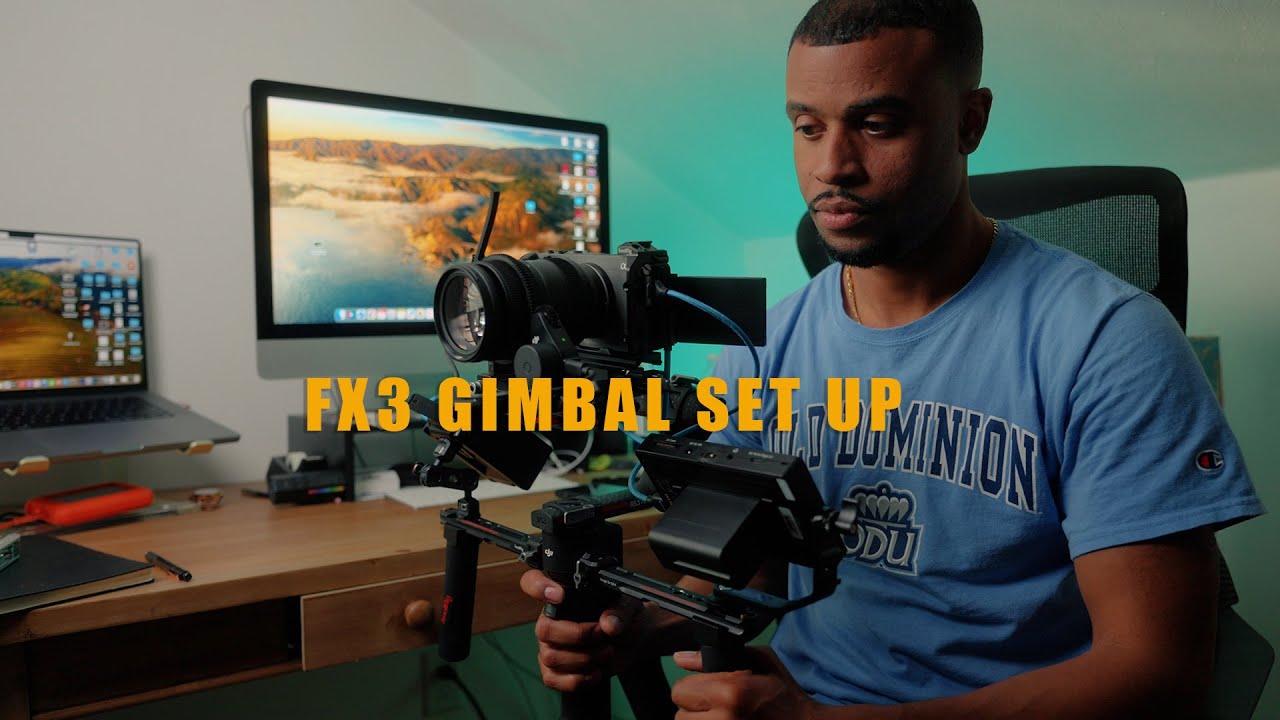
Think of a wedding videographer deposit less as a partial payment for footage and more as the fee that takes your date off the market and starts the engine. There is real gear behind the quote, too: a two-camera kit built around bodies like the Sony FX3, a stabilizer such as the DJI RS 4, plus backup cards and batteries all get reserved for your day. None of that is refundable effort. By the time your wedding arrives, a good videographer has often put six to ten hours into your event before recording a single frame. That framing matters at the refund question, because it explains why the answer is usually the one couples do not want to hear.
Is a wedding videographer deposit refundable?
Usually not. The industry standard is a non-refundable wedding videographer deposit, and the reasoning holds up. By holding your date, the videographer turned away other paying couples, and that income cannot be recovered if you cancel two months out. The deposit covers that lost booking and the planning already done.
The specifics live in the contract, and they vary widely. Some videographers offer a one-time date transfer if you reschedule, applying your deposit to a new date subject to availability. Others draw a hard line: a postponement within the same calendar year keeps the deposit alive, while an outright cancellation forfeits it. Force majeure clauses, which got rewritten across the industry after the 2020 shutdowns, spell out what happens when neither side is at fault, such as a venue closure or a travel ban.
Here is a common real-world case. A couple books in January for an October wedding and pays a $1,500 retainer. In June they move the date to the following spring. A contract with a date-transfer clause rolls that $1,500 forward; one without it treats the change as a cancellation, and the $1,500 is gone. Same money, completely different outcome, decided entirely by one paragraph you either read or skipped.
There is a reverse scenario worth raising, as well. If the videographer cancels on you, or simply cannot perform, what comes back? A fair contract refunds your deposit in full when they are the one who backs out, and a strong one names a backup shooter or referral network so you are not left scrambling three weeks out. Read both directions of the cancellation clause. If the language only protects the vendor, ask for it to be balanced. Most couples skip this step and notice the imbalance only when something has already gone wrong.
Deposit versus retainer: the contract language that matters
The word choice is not just style. In some states, a “deposit” carries a legal implication that it can be refundable, while a “retainer” or “booking fee” more clearly signals payment for reserving time and turning away other work. Many experienced videographers deliberately call it a non-refundable retainer for that reason, and you will see the phrasing in well-drafted contracts.
When you read the agreement, look for five things in particular:
- The retainer amount, and confirmation that it applies to your total.
- The balance due date, written as a specific number of days before the event.
- The cancellation and reschedule policy, including any date-transfer window.
- A cancellation tier or kill fee, so you know the cost of backing out at three months versus three weeks.
- A force majeure clause covering events outside either party’s control.
If a videographer does not use a written contract at all, stop right there. No wedding videographer deposit should leave your account without a signed agreement that names the date, the deliverables, the timeline, and the refund terms. The FAQ covers what a complete booking looks like, and a good shooter will walk you through the terms rather than rushing you past them. The retainer-versus-deposit distinction is the one piece of language I would never sign without understanding first.
How to pay your deposit safely
How you pay your wedding videographer deposit changes how much protection you have if things go sideways. Paying by credit card, even with a small processing fee, gives you chargeback rights if the videographer disappears. Under the Fair Credit Billing Act, you can dispute charges for services that were never delivered, which the FTC explains in its guidance on disputing credit card charges. Paying through an invoicing platform like HoneyBook, Dubsado, or Square creates a timestamped record that ties the payment to a specific contract.
Be cautious with irreversible methods for a first-time vendor. Zelle, wire transfers, cryptocurrency, and cash leave you with no recourse if something goes wrong, which is exactly why scammers prefer them. A legitimate professional will offer a traceable option without complaint.
A few red flags that should slow you down:
- Pressure to pay within hours of the first call.
- No written contract before any money changes hands.
- A deposit above 50 percent for a standard local wedding.
- A vendor who only accepts payment methods you cannot reverse.
Get the signed contract first, then pay, then save the receipt and confirmation in the same folder as the agreement. If you are unsure whether a vendor is established, the how-it-works guide explains what a verified booking flow should feel like, and you can always reach out with questions before committing money to anyone.
For videographers: setting a deposit that protects you
If you are the one behind the camera, your wedding videographer deposit policy is a business decision, not an afterthought. A 30 to 50 percent non-refundable retainer is the working standard, and undercharging here is how you end up eating the cost of a cancellation that wiped out a peak Saturday you could have sold twice. Name it a retainer, not a deposit, and state plainly that it is non-refundable and applied to the total.
Use a contract platform that bundles the agreement, the e-signature, and the payment into one flow, so a date is never held on a verbal promise. Build in a cancellation tier. A couple who cancels nine months out costs you far less than one who cancels three weeks before, and your kill fee should reflect that gap. A reasonable reschedule policy, such as a one-time date transfer within twelve months subject to availability, keeps you fair without leaving the calendar exposed.
Do not set your deposit below what it actually costs you to hold the date, including the second shooter’s hold and the pre-production hours you will never bill back. If you are building out your booking systems and want more inquiries coming in, listing your business puts your work in front of couples already searching. A confident, written deposit policy signals that you run a real operation, and it quietly filters out the clients most likely to ghost.
Before you sign anything or send a dollar, ask the videographer to walk you through the cancellation and reschedule clauses out loud. When the wedding videographer deposit terms are clear, fair in both directions, and backed by a written contract, pay it and move on to the fun part: deciding what your film will actually look like.