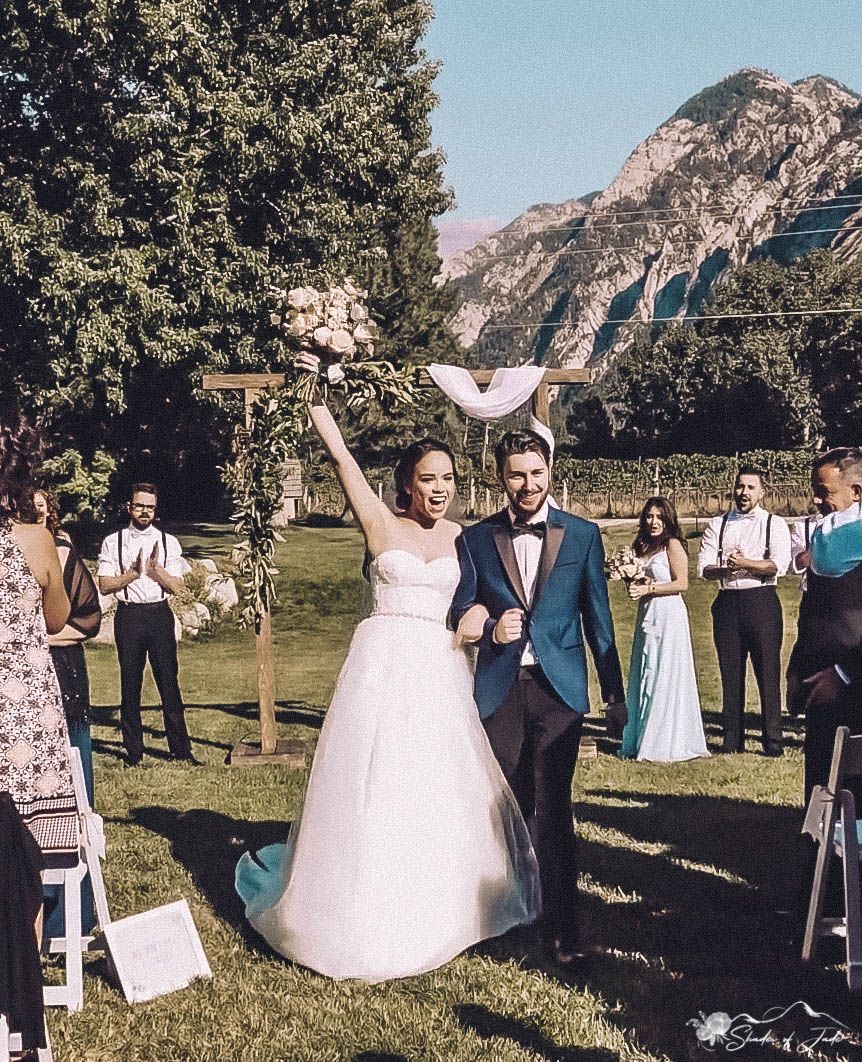
You got three quotes for your wedding film and they landed between $3,200 and $6,800. Your photographer charged less for what looked like the same job: one person, one camera, one long day. So why is wedding videography so expensive when both vendors are pointing a lens at the same ceremony? The short answer is that the shoot is the cheap part. The expensive work happens in the three weeks after everyone goes home.
I have shot more than a hundred weddings, and this question comes up in almost every consultation. Couples are not wrong to ask it. The price feels high because most of the work is invisible to the person paying for it. So here is where the money actually goes, line by line, with real numbers.
Why Is Wedding Videography So Expensive on the Wedding Day?
The day itself is longer and more demanding than it looks from the guest list. A standard package covers eight to ten hours, from the bride getting ready at 11am to the first few songs of the reception near 9pm. That is not an eight-hour shift with coffee breaks. It is a full day of standing, moving, anticipating, and catching moments that happen exactly once.
Most serious videographers bring a second shooter for anything beyond a small wedding. One operator covers the groom and the wide angle while the other covers the bride and the reverse. You cannot get both partners’ faces during the first kiss with a single camera, and nobody is going to re-stage it for you. A second shooter usually adds $400 to $800 to the cost, and that money buys coverage you literally cannot recreate.
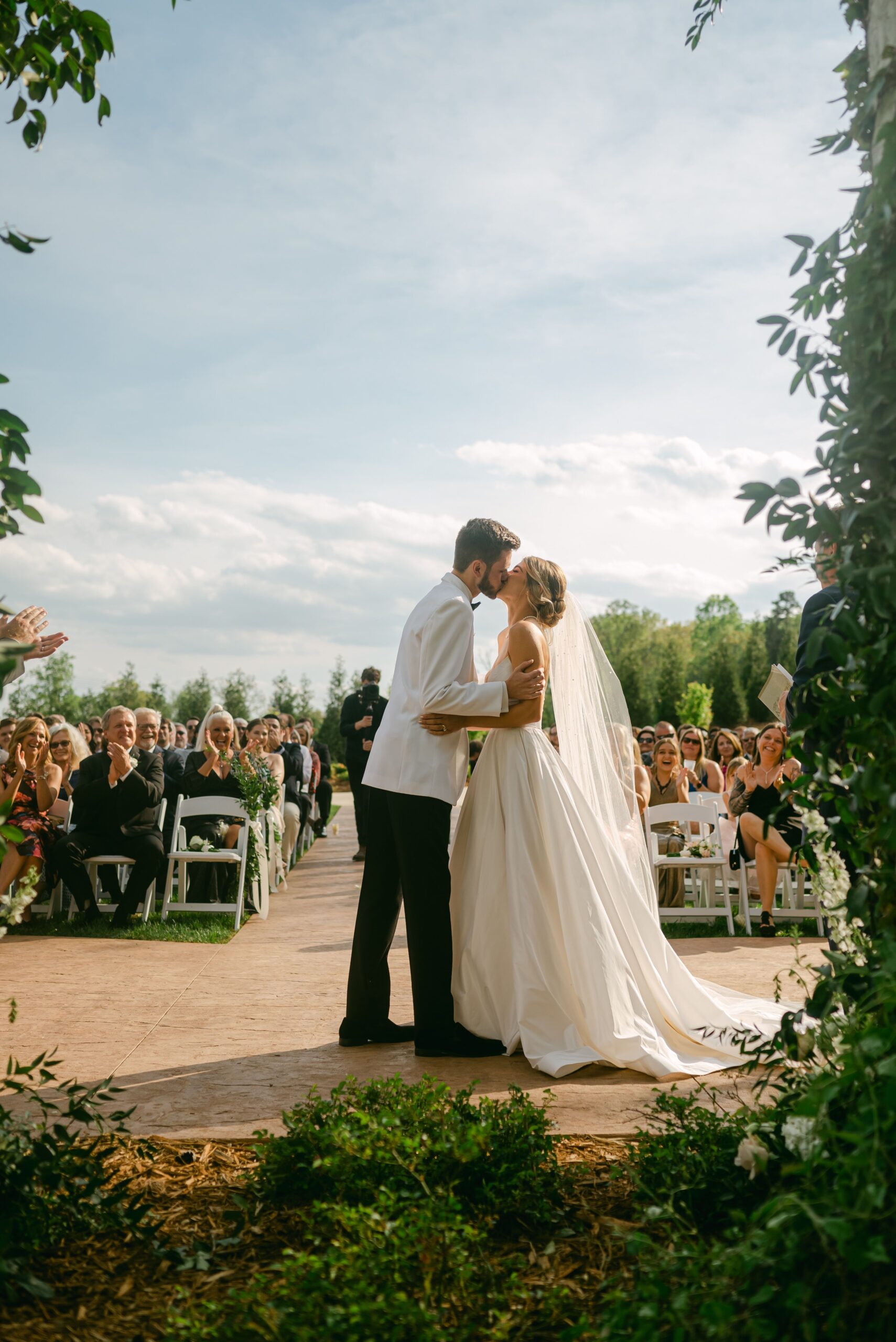
Then there is the gear strapped to each body. A typical kit on the day runs two camera bodies per shooter, three or four lenses, a gimbal, a slider or monopod, two audio recorders clipped to the officiant and the groom, spare batteries, and a sleeve of memory cards. None of it is optional. When the officiant’s lav mic dies during the vows, the recorder hidden in the groom’s jacket pocket is the thing that saves the audio of the most important ninety seconds of the film.
The Hours You Never See: Editing Is the Real Cost
Here is the number that surprises people. A five to eight minute highlight film takes 30 to 50 hours to edit. A full documentary cut of the ceremony and speeches can push past 60. The ratio of edit time to shoot time often runs four or five to one, and clients almost never see a second of it.
Start with the footage itself. Two shooters across ten hours produce 400 to 800GB of files. Before any creative work begins, the editor offloads all of it, backs it up to a second drive, and syncs the camera angles to the separate audio recordings frame by frame. That sync alone can eat an afternoon.
The creative part is slower than it looks, and it is where most of the budget hides. An editor might spend twenty minutes finding the best ten seconds inside a four-minute speech clip. Every shot gets color graded so the warm church candlelight matches the cooler outdoor reception. Then comes the audio work: ducking the music under the vows, cutting picture to the beat, and patching the moment where someone’s phone rang during a quiet exchange. A good editor watches the full speeches three times just to pull the two lines that actually land.
Run the math at a modest internal rate of $40 an hour. Forty hours of editing is $1,600 of skilled labor you never witness and rarely think about. Software sits on top of that: a Premiere Pro or DaVinci Resolve Studio license, plus the plugins and LUTs that speed the grade, runs a few hundred dollars a year before a single clip is cut.
Gear, Backups, and Why Pros Carry Two of Everything
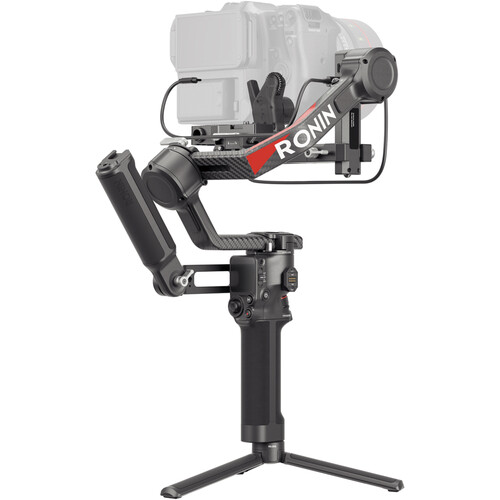
The equipment cost is real, and it never really stops. A current professional body like the Sony FX3 cinema camera runs about $3,900 before you mount a single lens. A good 24-70mm f/2.8 G Master is another $2,300. Add a fast 35mm prime for the dim reception, a 70-200mm for shooting the ceremony from the back row, a DJI RS 4 gimbal, a couple of audio recorders, and you are past $12,000 for one shooter’s kit. Most full-time videographers carry two complete kits, because a wedding has no second take.
Redundancy is the whole reason that bill runs so high. Cameras built for weddings have dual card slots, so every frame is written to two cards at the same instant. If one card corrupts, and they do corrupt, the footage is still safe on the second. After the wedding, that footage lives on at least two drives plus a cloud copy until the film is delivered and the couple confirms they have it in hand.
Storage adds up faster than people expect. A working videographer might keep 20 to 40TB of spinning drives plus a cloud subscription like Backblaze B2, and all of it is a recurring cost folded quietly into your invoice. Gear wears out, too. Sensors get superseded, lens mounts crack, a gimbal motor gives up after eighty jobs. A videographer who is not setting money aside to replace a $3,900 body is one dead camera away from going out of business, and that is not who you want shooting your wedding.
You Are Paying for the Person, Not Just the Footage
Experience is the hardest cost to see on an invoice and the most valuable thing on it. A videographer who has shot a hundred weddings reads the room before it happens. They know the officiant will step left right before the kiss, and that the venue uplighting turns everyone orange unless you white-balance against it. They grab the grandmother’s reaction a beat before the toast lands, not after. You are paying for a thousand small judgments made in real time, under pressure, with no rehearsal.
Insurance belongs in this column too. A professional carries general liability, usually $1 to $2 million, which most venues now require in writing before they let a vendor through the door, plus separate equipment coverage. That runs $400 to $1,000 a year. If you want a quick test for the difference between a hobbyist and a real business, our guide to what wedding videographer insurance actually costs lays out what a working pro carries.
There is also the part of the job nobody itemizes: the timeline calls with the planner, the site visit, the contract, the model releases, the music licensing. The music in your film is licensed legally through a service like Musicbed or Artlist, which costs the videographer $200 to $400 a year so your film does not get muted on YouTube the day you share it. When couples ask why is wedding videography so expensive, this invisible overhead is the part they have never once pictured, and it gets spread across every wedding on the calendar. You can see how established vendors structure it on their wedding videographer profiles.
What Cheap Wedding Videography Actually Costs You
There is always someone in a local Facebook group offering a full wedding film for $800. Sometimes you get lucky. More often you get a lesson in why the price floor exists in the first place. The two failures I get hired to fix, and I cannot always fix them, are audio and delivery.
Audio is where budget shooters cut the first corner, because lav mics and recorders cost money and take real effort to hide and sync. A film with the vows captured on a camera’s built-in mic from forty feet back is a film where you cannot make out a word your partner promised you. That is not a style choice. That is the single most important moment of the day, gone for good.
The second failure is the vanishing act. A shooter with no contract, no backup workflow, and no business behind them is the one who delivers four months late, or hands over a corrupted file, or simply stops answering email after a drive dies with your only copy on it. Before you sign anything, read through what a wedding videography contract should include so you know what is actually protecting you. A cheap quote is only cheap if it delivers, and when it does not, the loss is permanent.
How to Get the Most Value for Your Wedding Video Budget
Understanding the cost does not mean you have to pay the top of the range. It means you can spend on purpose. The biggest lever is coverage hours. If your budget is tight, book six hours instead of ten and point the videographer at the ceremony and the first hour of the reception, which is where the film’s best moments actually live. Nobody needs them filming the last dance at 11pm to come away with something they will rewatch for years.
The second lever is the deliverables. A single highlight film is far less editing labor than a highlight plus a full documentary cut plus a stack of social teasers. Ask for what you will genuinely watch. Most couples replay the six-minute highlight dozens of times and open the full ceremony edit maybe twice.
A few honest ways to bring the number down without dropping the quality:
- Book one experienced shooter instead of two, and accept that you will see fewer reverse angles.
- Choose a weekday or an off-season date, where rates often drop 15 to 25 percent.
- Skip add-ons you will not use, like a same-day edit, unless you know you want one.
- Pay the deposit on time and keep your timeline tidy, which keeps the videographer efficient and on your side.
If a drone shot is the one extra you really want, compare specialists through the aerial and drone videographer listings instead of paying a wedding generalist to haul gear they rarely fly. Flying for hire also requires an FAA Part 107 certificate, so a real aerial pro will have one; you can verify what that license involves on the FAA’s drone operations page. And if you are still calibrating what a fair quote looks like in your area, our pricing overview gives you a baseline before you start booking calls.
So, Is Wedding Videography Worth the Cost?
That is the real version of the question. Why is wedding videography so expensive comes down to one honest answer: you are paying a skilled professional for a long, unrepeatable day, plus four times that many hours of invisible craft, plus the gear, insurance, and business that make the result something you can rely on. The photos freeze the day into stills. The film is the only thing that hands back the sound of the vows, the laugh that breaks out during the toast, and the way your grandfather looked at your grandmother through the whole first dance.
The flip side is worth saying plainly: a film you never finish watching is money wasted, no matter how little it cost. So spend where it counts. A reliable shooter with clean audio and a real backup workflow at $4,000 is a far better buy than a $1,500 gamble that might never deliver.
Get three quotes, ask each vendor to send a full sample film with the audio turned up, and ask exactly how many coverage hours and how many shooters the price includes. The cheapest quote and the priciest quote are rarely the two worth comparing against each other. Compare what each one actually delivers, then book the person whose work made you feel something on a laptop screen at a wedding that was not even yours. Still narrowing the field? See how booking a videographer works before you commit.